How Cold a Siberian Husky Can Actually Take
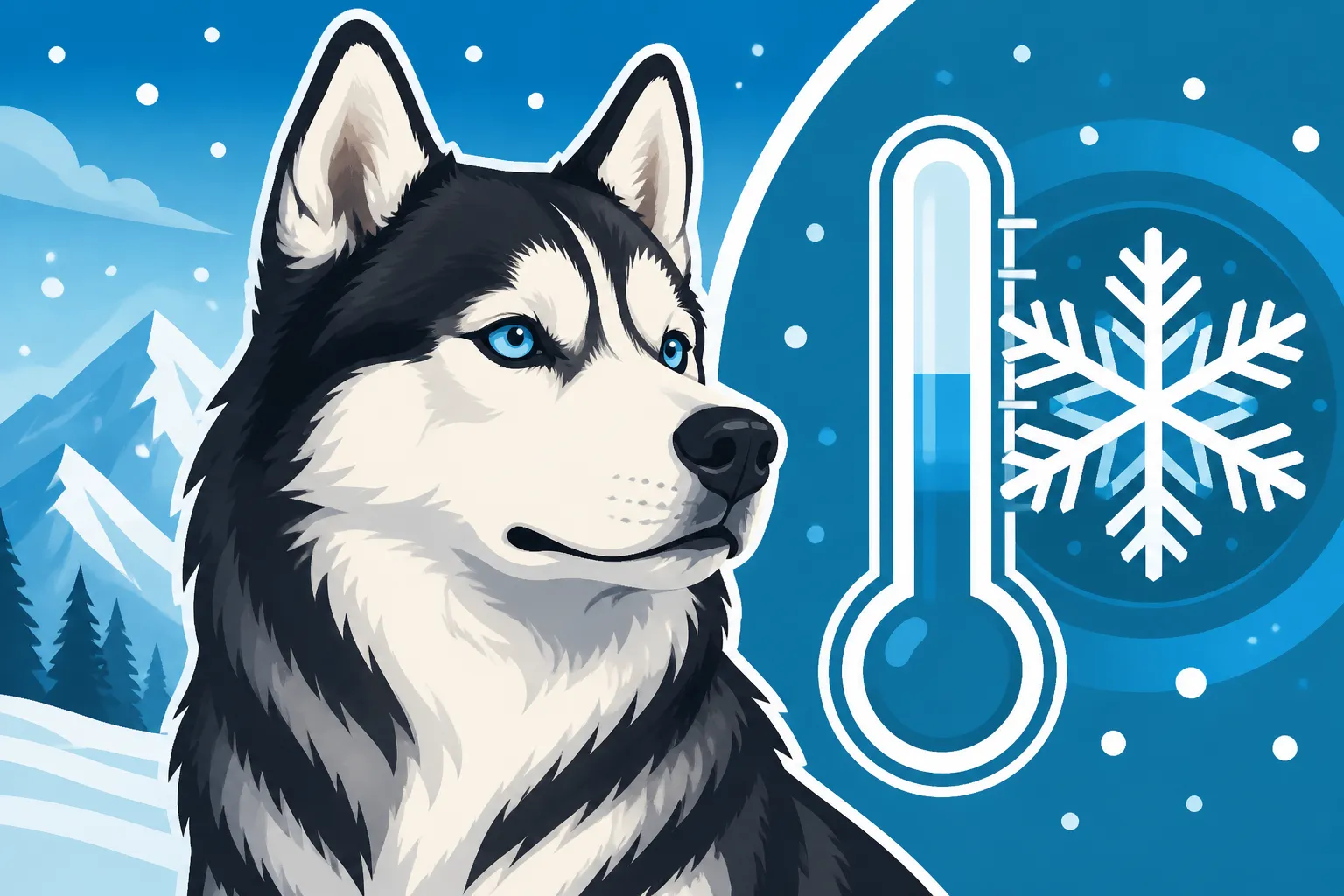
One of the most common misconceptions about our beloved Siberian Huskies is that they're practically polar bears, invincible to the cold no matter how extreme it gets. While it's true they thrive in chilly weather, believing they can withstand any temperature or condition without proper care is a dangerous misunderstanding that can put your furry family member at serious risk. This guide is here to unravel the truth about a Siberian Husky's cold tolerance, delve into their incredible natural adaptations, and, most importantly, provide realistic, actionable advice to keep your Husky safe and comfortable when the mercury plummets.
The Husky's Natural Insulation System: A Deep Dive into Their Double Coat
Let's be honest, just looking at a Siberian Husky, you can tell they're built for something special. That magnificent coat isn't just for show; it's a marvel of natural engineering, perfectly adapted to the harsh, frigid environments their ancestors called home. Understanding how it works is key to appreciating their cold tolerance.
Guard Hairs: The Outer Shield
Imagine a finely woven, weather-resistant outer shell. That's what your Husky's guard hairs are. These are the longer, coarser hairs you see on top, forming a protective barrier against the elements. They're designed to be straight and sturdy, allowing snow and ice to slide right off, rather than melting and soaking into the skin. This prevents the crucial underlying insulation from getting wet and losing its effectiveness. Think of it like a natural raincoat.
These guard hairs also offer a significant shield against wind, which, as any Husky owner knows, can cut right through even a thick coat if not properly managed. They protect against UV radiation in sunny, snowy conditions, too. It's truly a multi-functional outer layer. This is precisely why you hear endless warnings about never, ever shaving a Siberian Husky, because it utterly destroys this vital protective layer, potentially leading to overheating in summer and insufficient warmth in winter.
The Dense Undercoat: Nature's Down Jacket
Beneath that resilient outer layer lies the real secret to the Siberian Husky's cold prowess: an incredibly dense, soft, and fluffy undercoat. This isn't just regular fur; it's a thick, insulating blanket designed to trap a layer of warm air close to the dog's body. This trapped air acts as a thermal barrier, preventing body heat from escaping and external cold from penetrating. The thicker the undercoat, the more effective this insulation.
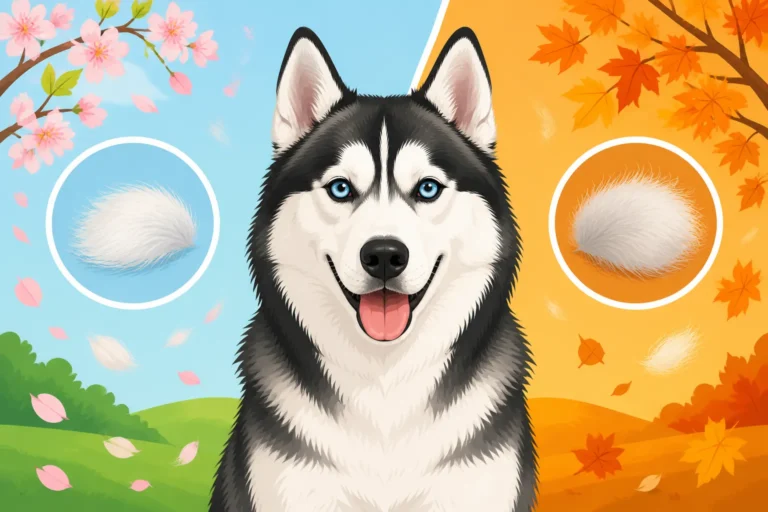
This undercoat is so impressive that it can be several inches deep, especially during peak winter growth. It's the reason why, when your Husky is going through a Siberian Husky Coat Blow and the Six Weeks It Lasts, you suddenly find enough fur to knit a whole new dog! This dense, woolly layer is shed twice a year in most climates, preparing the dog for warmer or colder seasons. Without this insulating marvel, a Husky simply wouldn't be a Husky in cold weather. It's a critical component of What the Siberian Husky Double Coat Actually Does.
Physiological Adaptations Beyond the Fur
While the coat is certainly the star of the show, a Siberian Husky's ability to handle cold goes deeper, right down to their very physiology. Their circulatory system is remarkably efficient at regulating blood flow, particularly to their extremities. They can restrict blood flow to their paws, ears, and nose, keeping their core body temperature stable while reducing heat loss from these more exposed areas. This adaptation is crucial in preventing frostbite.
Furthermore, their compact body shape and relatively small, upright ears minimize surface area exposure to the cold, again reducing heat loss. Their metabolism can also adapt, allowing them to burn calories more efficiently to generate heat when needed. These are subtle yet powerful adaptations that, when combined with their incredible coat, create an animal uniquely suited to survive in conditions that would send most other breeds scrambling for warmth. It's a testament to centuries of natural selection and selective breeding by the Chukchi people.
Understanding "Cold Tolerance" vs. "Cold Endurance" for Your Husky
When we talk about how much cold a Siberian Husky can "take," it's vital to distinguish between simply tolerating cold for a short period and enduring prolonged exposure, especially under less-than-ideal circumstances. These aren't interchangeable terms, and misunderstanding them can have serious consequences.
What "Tolerating" Cold Really Means
For a healthy, well-fed, and active Siberian Husky, "tolerating" cold generally means they can be outdoors and comfortable in temperatures that would make many other dogs shiver. This often applies to temperatures well below freezing, even into the single digits Fahrenheit (or around -10 to -15 degrees Celsius), provided they are active, well-nourished, and have access to shelter if they choose to use it. They might even enjoy romping in fresh snow in these conditions.
However, tolerance doesn't mean imperviousness. A Husky might tolerate a brief walk in truly frigid temperatures, but it doesn't mean they're comfortable being left unattended in those same conditions for hours. Factors like their age (very young puppies and senior Huskies are more vulnerable), their overall health (a sick or underweight Husky will get cold faster), and their activity level (a running Husky generates more heat than a sleeping one) all play a huge role. Just because they don't immediately shiver doesn't mean they're perfectly fine; their natural stoicism can sometimes mask discomfort.
The Limits of Endurance: When Cold Becomes a Risk
Here's where the line blurs and risk enters the picture. While a Siberian Husky can tolerate surprisingly low temperatures for moderate periods, their endurance in truly extreme cold, or in cold combined with other adverse factors, has definite limits. Temperatures that dip into the negative double digits, especially with wind chill or wet conditions, can rapidly become dangerous. What's often overlooked is the difference between dry cold and wet cold; a damp Husky will get cold much faster, even if the air temperature isn't as low.
Signs that your Husky is nearing their endurance limit, or worse, succumbing to the cold, include shivering (a clear sign they're trying to generate heat), hunching their back, tucking their tail and paws, seeking shelter persistently, whining to come inside, or becoming lethargic and slow. If their ears or paw pads feel extremely cold to the touch, or if they start lifting their paws, it's a critical warning sign. Never assume that because they're a "northern breed," they can simply shake off any cold condition. They can't, and expecting them to is unfair and unsafe. You need to be aware of Siberian Husky Cold Weather Care and Its Limits.
Individual Differences and Acclimation
It's a mistake to think all Siberian Huskies are clones when it comes to cold tolerance. Just like people, individual Huskies can vary. A Husky who has lived their entire life in a relatively mild climate and suddenly experiences an unexpected cold snap might not be as well-equipped to handle it as one who lives in, say, northern Minnesota and is acclimated to long, harsh winters. Acclimation is a gradual process where a dog's body adjusts to temperature changes, including growing a thicker undercoat in anticipation of winter.
Puppies and senior Huskies are particularly vulnerable. A young puppy hasn't fully developed their double coat or their thermoregulation abilities, making them susceptible to rapid heat loss. Likewise, an older Husky may have a thinner coat, a less efficient metabolism, or underlying health conditions (like arthritis, which can be exacerbated by cold) that reduce their ability to cope. Always consider your individual Husky's health, age, and typical environment when assessing their comfort in cold weather.
Practical Temperature Guidelines and Warning Signs
So, what are the actual numbers? While it's impossible to give one-size-fits-all exact temperatures due to variables like wind, wetness, and individual Husky factors, we can certainly provide practical guidelines.
Safe Temperatures for Active Play and Outdoor Time
For a healthy, adult Siberian Husky, temperatures above 20°F (-7°C) are generally considered quite safe for extended outdoor activity, as long as they are moving and engaged. Many Huskies will happily run, play, and even nap briefly in fresh snow in temperatures down to 0°F (-18°C), especially if it's a dry cold with minimal wind. If they are actively working, like pulling a sled or participating in canicross, they're generating significant body heat and can often tolerate even lower temperatures.
However, supervision is always key. Even in these "safe" ranges, ensure your Husky isn't sitting still for too long, especially on cold ground. Keep an eye on their paw pads for ice accumulation or redness, and always provide fresh, unfrozen water. Short breaks inside, especially if you notice them starting to slow down or seem less enthusiastic, are a good idea. This is why it's so important to monitor and plan for The Coldest a Siberian Husky Should Be Left Out.
When to Bring Your Husky Inside: Critical Lows
The moment temperatures dip below 0°F (-18°C), even for a Husky, vigilance becomes critical. When it hits -10°F to -15°F (-23°C to -26°C), especially with any significant wind chill, the risk of frostbite and hypothermia dramatically increases. This is the point where no dog, regardless of breed, should be left outdoors for extended periods without extremely robust, insulated, and windproof shelter.
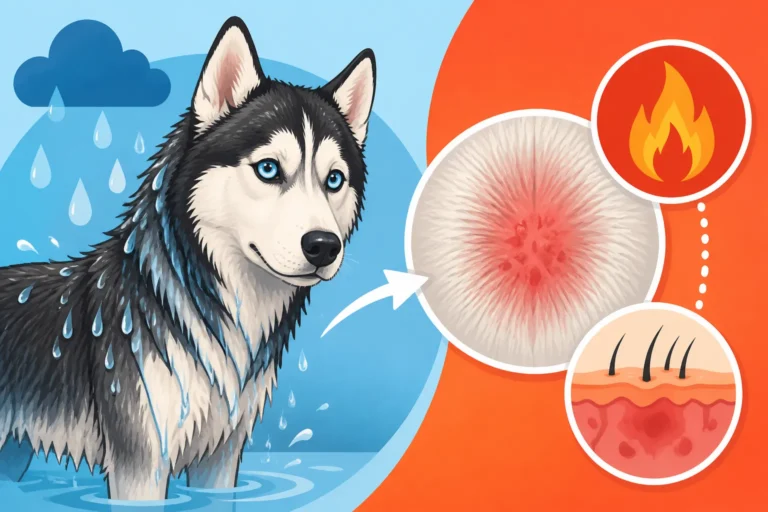
Wet conditions amplify the danger significantly. If your Husky gets soaked in cold rain or falls into icy water, their insulating coat can become compromised, and they can develop hypothermia quickly, even in temperatures above freezing. Always bring a wet Husky inside immediately, dry them thoroughly, and warm them up. Remember, their magnificent coat protects them from dry cold and snow, but it's not foolproof against saturation.
Recognizing the Red Flags of Hypothermia and Frostbite
Knowing the signs of cold-related injury is crucial for any Husky owner.
Hypothermia (Low Body Temperature):
- Mild Hypothermia: Shivering, weakness, lethargy, seeking warmth, cold ears/paws.
- Moderate Hypothermia: Persistent shivering (or cessation of shivering if severe), pale gums, stiff muscles, shallow breathing, decreased responsiveness, stumbling.
- Severe Hypothermia: Collapse, unconsciousness, fixed dilated pupils, very slow and shallow breathing, weak or absent pulse. This is a life-threatening emergency.
Frostbite:
Frostbite typically affects extremities like ears, tail, and paw pads because blood flow is restricted there to protect the core.
- Early Signs: Skin may appear pale, waxy, or grayish-blue. It might feel cold and firm to the touch. Your Husky may lift their paw, limp, or chew at the affected area. There might not be immediate pain, as nerves can be damaged.
- Later Signs (after rewarming): The affected area may become red, swollen, painful, and blistered. Over several days, the tissue may darken and eventually become black and hard, indicating tissue death. This can be a sign of Frostbite on Siberian Husky Ears and Tails.
If you suspect hypothermia, gently warm your Husky with blankets or towels warmed in a dryer. If conscious, offer warm (not hot) broth or water. If severe, or if you suspect frostbite, immediately contact your veterinarian. Do not rub frozen areas, as this can cause more damage. Warm them gently and slowly.
Keeping Your Siberian Husky Safe and Warm in Winter
Even with their incredible natural adaptations, winter weather demands extra care for your Siberian Husky. It's about proactive measures, not just reacting to emergencies.
Shelter, Not Just a Doghouse
If your Siberian Husky spends any significant time outdoors in cold weather, a basic, uninsulated doghouse just isn't going to cut it. You need proper shelter. This means an insulated doghouse that is raised off the cold ground, has a baffled or flap-covered entrance to keep wind and snow out, and is just large enough for your Husky to stand up and turn around comfortably. If it's too big, they can't effectively warm the interior with their body heat.
Adding straw bedding (not blankets, which can get wet and freeze) provides additional insulation and a dry place to lie. The roof should be sloped to shed precipitation. Even then, an unheated, well-built doghouse still has its limits, especially in sustained sub-zero temperatures. For true extreme cold, even an outdoor Husky should have access to a heated space, whether it's a garage, heated kennel, or inside your home. Take a look at Insulated Houses for an Outdoor Siberian Husky for more detailed options.
Nutrition and Hydration in Cold Weather
Cold weather means your Husky's body is working harder to maintain its core temperature, which burns more calories. Just like us, they need more fuel when it's chilly outside. Don't be surprised if your Husky seems hungrier or needs slightly larger portions during winter, especially if they are highly active. High-quality food with an appropriate fat content will provide the energy they need. Brands like Ollie offer fresh, nutrient-dense options that can be great for providing that extra boost, or you can find a wide variety of suitable kibbles on sites like Chewy.
Always ensure your Husky has access to fresh, unfrozen water. This can be a challenge in freezing temperatures. Consider using heated water bowls (available at pet supply stores or Amazon) to prevent water from turning to ice. Dehydration can happen even in cold weather and compromises their ability to regulate body temperature.
Paw Protection and Grooming Considerations
Your Husky's paws are tough, but they're not indestructible. In snowy and icy conditions, they can suffer from ice balls forming between their toes, chemical burns from de-icing salts, or painful cracks from extreme cold and dryness. Regularly check their paw pads after walks for any signs of irritation or injury.
Booties for a Siberian Husky in Winter can offer excellent protection against both cold and chemical irritants. If your Husky won't tolerate booties, a protective paw balm (many good options are on Amazon) can create a barrier against salt and moisturize pads. Always wipe their paws clean after walks, especially if you know they've been on treated sidewalks or roads. Additionally, keep the fur between their paw pads trimmed to prevent Snowballs Between Siberian Husky Toes from accumulating, which can be very uncomfortable. This attention to detail can prevent painful issues and keep their paws healthy through winter.
Common Misconceptions About Huskies and Extreme Cold
It's easy to fall into traps of thinking because of a Husky's appearance and history. Let's bust some of those myths wide open.
"Huskies Love to Sleep in the Snow, So They're Fine"
Ah, the classic image: a Husky curled up in a snowdrift, looking utterly content. Yes, many Huskies absolutely love playing in the snow and might even choose to flop down for a brief rest or a cooling snooze in a fresh pile. This is often a sign of their comfort and enjoyment of the cold, but it is NOT an endorsement for leaving them outside indefinitely in freezing temperatures.
There's a huge difference between a quick romp or a short, supervised rest in fresh, dry snow, and being left out for hours on end, particularly in truly frigid, windy, or wet conditions. Just because a Husky can sleep in the snow for a while doesn't mean it's the safest or most comfortable option, especially for a pet Husky who doesn't have the same conditioning or caloric intake as a working sled dog. They might enjoy the novelty or the cooling sensation, but prolonged exposure without adequate shelter is still risky. Always refer to Whether a Siberian Husky Wants to Sleep in Snow to understand the nuances of this behavior.
"They're Built for Alaska, So My Backyard is Fine"
This is perhaps the most dangerous misconception. While Siberian Huskies originated in the extremely cold regions of Siberia and rose to fame in the Alaskan wilderness, the Huskies we share our homes with today are not always the same as their working ancestors. Modern pet Huskies often live more sedentary lives, consuming different diets, and are not conditioned to the same level of extreme cold exposure as sled dogs.
Furthermore, even in Alaska, working sled dogs are not simply left out in "the backyard" without careful consideration. They are typically housed in well-designed, insulated doghouses, provided with high-calorie diets, and are constantly monitored by experienced mushers. They also generate immense body heat through their work. A pet Husky, lying still in an uninsulated kennel or an unprotected yard in bitter cold, especially if bored or underfed, is at serious risk. Their genetics provide a foundation, but it's not a free pass to ignore their needs.
The "Tough Dog" Mentality and Its Dangers
Sometimes, owners, out of a desire for their Husky to be "tough" or perhaps due to misinformation, might push their dogs' limits in cold weather. This "tough dog" mentality can be incredibly harmful. While Huskies are indeed resilient and stoic, they are still living creatures who feel pain, discomfort, and cold. They might not complain as loudly or as quickly as a Chihuahua, but that doesn't mean they aren't suffering.
It's our responsibility as their guardians to prioritize their comfort and safety, not to test the boundaries of their endurance. If you find yourself debating whether your Husky is "tough enough" for a certain condition, err on the side of caution. Bring them inside, provide warmer shelter, or postpone the outing. A little empathy goes a long way. This is not about dressing them in Winter Jackets and Whether a Siberian Husky Wears One unnecessarily, but about providing adequate protection when their natural defenses aren't enough.
Here's a quick reference table to help guide your decisions:
| Temperature Range (Fahrenheit/Celsius) | Husky Activity & Risk Level | Recommendations |
|---|---|---|
| Above 32°F (0°C) | Low Risk, Generally Safe | Normal outdoor activity; ensure access to water. |
| 20°F to 32°F (-7°C to 0°C) | Moderate Risk | Supervise playtime; monitor for discomfort; active movement is best. |
| 0°F to 20°F (-18°C to -7°C) | Increased Risk | Limit prolonged exposure, especially for puppies/seniors. Provide warm, dry shelter. |
| -10°F to 0°F (-23°C to -18°C) | High Risk | Short potty breaks only. Consider booties. Do not leave unattended outdoors. |
| Below -10°F (-23°C) | Extreme Risk | Critical danger. Keep indoors except for very brief, essential outings. |
| Any Temp with Wind Chill/Wetness | Elevated Risk | Always factor in wind chill. Wetness severely reduces insulation. Proceed with extreme caution. |
Remember, this table is a guideline. Always observe your individual Husky's behavior and react accordingly. Their comfort and safety should always be your top priority.
Disclaimer
This article is for general informational purposes only and does not constitute professional advice. Laws, prices and regulations vary by location and change over time. Consult a qualified professional for guidance on your specific situation.