Whether a Siberian Husky Should Sleep Outside
It's a common question, and honestly, a source of a lot of worry for Siberian Husky owners: "Can my Husky really sleep outside?" On one hand, you know they're bred for cold climates, dashing through snow and ice. On the other, the idea of leaving your beloved companion out there, exposed to whatever the night brings, can feel deeply unsettling. This guide will explore the practical realities, historical context, and modern considerations to help you decide what's truly best and safest for your Siberian Husky's sleeping arrangements.
Understanding the Siberian Husky's Natural Habitat and Adaptations
When people think of Siberian Huskies, they often picture them in vast, snowy landscapes, perfectly content in conditions that would send us scrambling for a hot chocolate and a blanket. It's true, these dogs are incredible creatures, genetically wired for cold. But understanding why they are built this way, and what that truly means for their comfort, is key to figuring out where they should rest their heads at night. It's not just about enduring cold; it's about thriving in it, but also having complex needs beyond just temperature regulation.
The Double Coat's True Purpose
The most iconic feature of a Siberian Husky, aside from those piercing eyes, is their incredible double coat. This isn't just fluffy fur; it's a marvel of natural engineering. The outer layer consists of guard hairs that are coarse and water-resistant, protecting against snow, ice, and even mild rain. But it's the undercoat that does the heavy lifting when it comes to insulation. This dense, soft, woolly layer traps air, creating a thermal barrier that keeps their body heat in and the cold out. It's like wearing a built-in down parka that they can never take off.
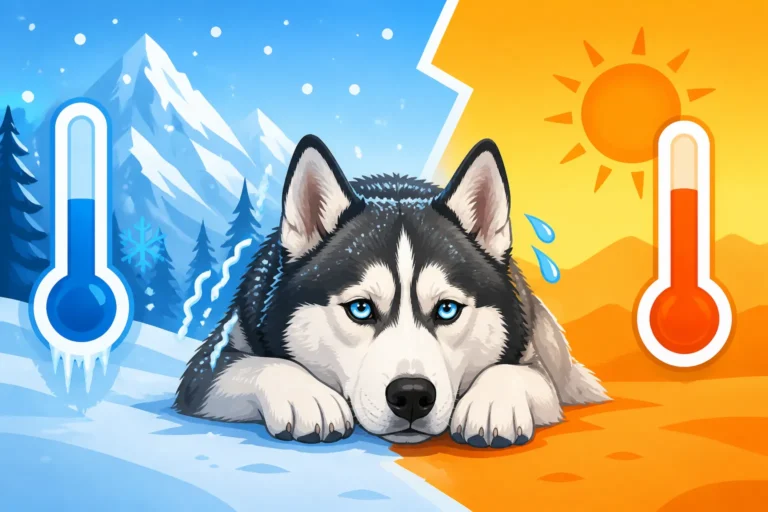
However, this fantastic coat has its limits. While it's superb at keeping them warm in freezing temperatures, it's not designed for all-season outdoor living in every climate. In humid cold, or if the undercoat gets soaked and then freezes, its insulating properties can be compromised. Furthermore, in warmer climates, this same coat can become a liability, making them highly susceptible to overheating. It's a specialized tool, not a universal one, and relying solely on their coat for comfort year-round, regardless of locale, can be a dangerous misconception.
Historical Sleeping Arrangements
To truly grasp the Siberian Husky's relationship with the outdoors, we need to look back to their origins with the Chukchi people in northeastern Siberia. These dogs were integral to survival, pulling sleds over vast distances. You might imagine them just sleeping in the snow, but historical accounts paint a more nuanced picture. While they certainly endured harsh conditions, the Chukchi dogs weren't simply left to fend for themselves entirely. Often, they would curl up outside, sometimes digging shallow snow dens for extra shelter from the wind, using their bushy tails to cover their noses for warmth. But when temperatures dropped to extreme lows, or during blizzards, these dogs, especially the females and puppies, would often be brought inside the family dwelling, or at least into a more protected communal area. This wasn't just out of kindness; it was a pragmatic choice to ensure the health and survival of valuable working animals. Their survival depended on a delicate balance of robust genetics and thoughtful care from their human companions. This connection underscores that while they are built for cold, even their original handlers understood the limits and the need for shelter and companionship. The idea that The Chukchi Origins of the Siberian Husky is a tale of purely outdoor existence is an oversimplification.
Beyond Just Cold Tolerance
While their cold tolerance is legendary, it's crucial to remember that a Siberian Husky is more than just a fur coat. They are sentient beings with complex needs that go beyond simply surviving low temperatures. Their high energy levels demand significant physical exercise, and their pack-oriented nature means they crave companionship and mental stimulation. Leaving a Husky outside means considering more than just their ability to stay warm; it means thinking about their boredom, their potential for loneliness, and their innate desire to be part of a family unit.
A Husky that is isolated, even if physically comfortable in terms of temperature, can develop a host of behavioral issues. They might become destructive, chew through anything they can get their teeth on, or vocalize excessively through howling or "talking" in frustration. Their metabolism, which is incredibly efficient and allows them to perform remarkable feats on less food than many breeds, also means they are often misunderstood in terms of their overall care. It’s not just about surviving; it’s about thriving, and for a Siberian Husky, thriving means being engaged, loved, and integrated into their human pack, not merely enduring the elements alone. This breed was developed to work with people, and that partnership extended to their living arrangements. For more on this, consider What a Siberian Husky Was Bred to Do.
The Risks and Dangers of Outdoor Sleeping for Huskies
Even with their incredible adaptations, the modern world presents a host of challenges that make leaving a Siberian Husky to sleep outside a far more complex and often dangerous proposition than their ancient origins might suggest. It's not just about a cozy bed; it's about security, safety, and protecting them from elements and threats that simply didn't exist in the same way for their ancestors. Ignoring these contemporary risks can have devastating consequences, turning what you might intend as a natural lifestyle into a perilous one.
Predation and Wildlife Concerns
Depending on where you live, leaving your Siberian Husky outside overnight can expose them to significant risks from local wildlife. Coyotes, foxes, bears, mountain lions, and even aggressive stray dogs can pose a serious threat, especially to a dog that is contained and unable to escape. While a Husky is a formidable animal, they are not invincible. A lone dog, particularly if they are not fully grown or are older, can become prey or suffer serious injury in a confrontation. Even smaller predators like raccoons can transmit diseases or cause nasty bites that require veterinary attention.
Moreover, if your Husky somehow manages to escape their enclosure, their inherent prey drive can lead them straight into danger. A Husky may chase after a deer, a rabbit, or even a smaller domestic animal, leading them far from home and into unfamiliar territory where they are vulnerable to traffic, other animals, or getting lost. This isn't just an inconvenience; it's a genuine safety concern that demands careful consideration, as the wild world is not a playground, even for an animal as hardy as a Husky.
Theft and Human Interference
Sadly, the beauty and distinct appearance of Siberian Huskies also make them targets for theft. A Husky left unattended in a yard, especially overnight, can be easily taken by individuals looking to resell them, use them for breeding, or even for illicit activities like dog fighting. Even if theft isn't a concern, there's always the risk of malicious human interference, such as poisoning, harassment, or accidental injury by trespassers. The security of a fenced yard, even a very tall one like The Six-Foot Fence a Siberian Husky Needs, might not be enough to deter determined individuals.
This risk is amplified if your Husky is particularly friendly or vocal, as their "talking" might draw unwanted attention. The idea of waking up to find your beloved dog gone, or worse, harmed, is a nightmare no owner wants to face. Modern society, unfortunately, comes with modern dangers that necessitate a higher level of security for our pets than in generations past.
Escape and Roaming Instincts
Perhaps one of the most significant dangers of leaving a Siberian Husky outside is their unparalleled talent for escape. Huskies are notorious for their Houdini-like abilities: they can jump fences, dig under them, and even learn to open latches and gates. Their strong roaming instinct, bred into them for covering vast distances, means that if they find a way out, they will often run, not necessarily because they are unhappy, but because it's in their nature. Once loose, they are immediately at risk.
Siberian Husky Deaths From Trauma and Escape is a stark reality for many owners. They can be hit by cars, encounter aggressive dogs, or become disoriented and truly lost. Furthermore, an escaped Husky can pose a risk to other animals, activating their strong prey drive, which can lead to heartbreaking incidents with livestock or neighborhood pets. The financial and emotional cost of a lost or injured Husky, not to mention potential liability if they cause harm to others, can be immense. Even if you believe your yard is secure, remember that a bored or motivated Husky will often find the weakest link. This is why many advocate against the practice of Whether a Siberian Husky Should Be Tied Out, as it only addresses one type of escape while creating other dangers and frustrations for the dog.
Extreme Weather Beyond Cold
While Huskies excel in cold, their tolerance isn't limitless, and they are not impervious to all extreme weather conditions. Humidity combined with cold can make their coat less effective, and icy rain can quickly penetrate their insulating layers. Conversely, heat is a far more immediate and life-threatening danger. Their dense double coat, designed to trap warmth, becomes a severe handicap in hot, humid climates. Heat Stroke Risk in a Siberian Husky is incredibly high, and symptoms can escalate rapidly, leading to organ damage or death. Even in typically temperate climates, unexpected heatwaves can occur, posing a critical threat to an outdoor Husky.
Beyond temperature, severe storms, hail, high winds, and lightning strikes can cause immense stress, fear, and direct physical harm to a dog left outside. A truly safe outdoor sleeping arrangement would need to offer protection not just from cold, but from all potential extremes, something most backyard shelters simply cannot provide. Therefore, while Siberian Husky Cold Tolerance Limits for a Siberian Husky are impressive, a responsible owner must consider a much broader spectrum of environmental factors.
The Importance of Social Connection and Mental Well-being
Siberian Huskies are undeniably beautiful and resilient, but one of the biggest misconceptions about them is that their independence makes them perfectly content to live in isolation. Nothing could be further from the truth. These are highly intelligent, social animals who thrive on connection, interaction, and being an integral part of a family unit. To deny them this essential need, especially during vulnerable times like sleep, is to neglect a fundamental aspect of their well-being, potentially leading to a host of emotional and behavioral challenges that complicate their lives and yours.
The Husky Need for Companionship
Deep in their genetic makeup, Siberian Huskies are pack animals. Their ancestors worked in teams and lived closely with the Chukchi people, relying on mutual cooperation for survival. This instinct for companionship isn't just a preference; it's a fundamental need. When a Husky is deprived of regular, meaningful interaction with their human family, they can experience loneliness, anxiety, and stress, much like a human would. They thrive on being involved in daily activities, even if it's just lounging nearby while you watch TV or prepare dinner.
Sleeping outside, separate from the "pack," can exacerbate these feelings of isolation. While some dogs might tolerate it, few truly flourish. The bond you build with your Husky is strengthened by these shared moments, including the quiet times when they're simply present. Their Siberian Husky Temperament and What the Standard Says emphasizes their friendly, outgoing nature—a trait that benefits from close human contact, not distance. This isn't about coddling; it's about acknowledging their innate social structure and providing an environment where they feel secure and connected to their family.
Behavioral Issues from Isolation
A lonely or bored Siberian Husky is a destructive Husky, and many of the challenging behaviors associated with the breed stem directly from a lack of adequate stimulation and companionship. If a Husky is left outside alone, especially overnight for long periods, they may resort to a range of behaviors to cope with their unmet needs. This could manifest as excessive howling or "talking," which might lead to neighbor complaints, as discussed in Whether a Siberian Husky Barks Much. They might also become incredibly destructive, chewing through fences, digging massive holes, or destroying anything within reach in their quest for entertainment or an escape route.
This isn't malicious behavior; it's often a desperate attempt to alleviate boredom, anxiety, or frustration. A Husky needs a job, and if they aren't given appropriate outlets for their energy and intelligence, they will create their own. This might involve attempting escapes to roam and find adventure, leading to the dangers discussed earlier. Providing consistent companionship and mental engagement helps channel their energy constructively and prevents these problematic behaviors from taking root, making for a much happier, better-adjusted dog and a less stressed owner.
Monitoring Health and Behavior
One of the often-overlooked benefits of having your Siberian Husky sleep indoors is the simple act of being able to monitor them closely. When your dog is sleeping in the house, you're much more likely to notice subtle changes in their behavior, breathing, or physical condition that could indicate a health issue. A cough, a restless night, unusual panting, or a reluctance to get up in the morning can all be early warning signs of illness or discomfort. Catching these signs early can make a significant difference in treatment outcomes and overall prognosis.
An outdoor Husky, particularly one sleeping in a separate kennel or far from the house, might suffer through an entire night in pain or distress before anyone notices something is wrong. This is especially true as they age, when conditions like Early Arthritis Signs in a Siberian Husky or changes in kidney function become more prevalent. The peace of mind that comes from knowing your dog is safe, comfortable, and within earshot is invaluable. It allows you to respond quickly to emergencies and maintain a proactive approach to their health, strengthening the bond of trust and care between you and your loyal companion.
Creating a Safe and Comfortable Outdoor Space (If Necessary)
While the consensus among many Husky enthusiasts and responsible dog owners leans heavily towards indoor living for these social, escape-prone dogs, there might be rare circumstances where an outdoor sleeping arrangement is unavoidable or temporary. In such cases, it is absolutely paramount to prioritize safety, comfort, and security above all else. This isn't about throwing a blanket in a corner; it's about engineering a truly secure and humane environment that mitigates the inherent risks of outdoor living for a breed like the Siberian Husky.
Providing Adequate Shelter and Insulation
If your Siberian Husky must sleep outside, a simple doghouse won't cut it. You need a shelter that is specifically designed to protect them from the elements, not just the cold, but also wind, rain, and heat. This means a well-insulated structure, ideally raised off the ground to prevent moisture wicking and provide a thermal break. It should be large enough for them to stand, turn around, and lie down comfortably, but not so large that their body heat cannot warm the interior. A small, snug space is better for warmth than a cavernous one.
Consider adding a "door flap" to keep drafts out, and provide plenty of dry, clean bedding—straw, cedar shavings, or thick, waterproof blankets. Regular checks of the bedding are essential to ensure it stays dry and hasn't become a nesting ground for pests. Even with their amazing double coat, supplemental warmth might be necessary in extreme conditions, but caution is needed with electric heaters to prevent fire or burns. For truly severe climates, you might even look into specialized structures like Insulated Houses for an Outdoor Siberian Husky that are built to withstand the harshest elements.
Ensuring Water and Food Security
Any outdoor living arrangement must include constant access to fresh water. This might sound obvious, but in freezing temperatures, water bowls can quickly turn into ice blocks. You'll need heated water bowls to ensure your Husky can hydrate throughout the night. Similarly, food should be protected from the elements and pests. While Huskies are known for their efficient metabolism, a working or outdoor Husky will have different caloric needs, and leaving food out might attract unwanted wildlife.
It's also crucial to remember that food and water sources need to be robust and secure. A light plastic bowl will be tossed or frozen over quickly. Heavy, chew-proof ceramic or metal bowls are a better choice, ensuring they stay put and maintain their integrity. Regular inspection is vital to make sure nothing has been tampered with or become contaminated. For highly active or working Huskies that might be spending periods outside, specialized, calorie-dense food formulations can be sourced from retailers like Chewy or Ollie, but remember to check the manufacturer's feeding guidelines carefully as Huskies often need less than suggested.
Secure Containment and Supervision
The ultimate challenge with an outdoor Siberian Husky is containment. Their drive to roam and their intelligence make them masters of escape. A standard fence, even six feet tall, might not be enough. You'll need to consider anti-digging measures, such as burying fence wire or laying L-footers, and anti-climbing deterrents like coyote rollers. Gates must be secured with heavy-duty, complex latches that a Husky cannot manipulate. A kennel run, if used, must be constructed with heavy-gauge wire, secured from the top, and preferably have a concrete floor to prevent digging out. For more in-depth solutions, consider researching topics like Burying Fence Wire Against a Digging Siberian Husky and Coyote Rollers on a Siberian Husky Fence.
Even with the most secure setup, constant supervision is ideal. If your Husky is sleeping outside, you cannot assume they are safe just because they are in a "secure" yard. Regular checks throughout the night, particularly in challenging weather, are essential. This vigilance helps detect escape attempts, signs of distress, or the presence of unwanted visitors. Remember, the goal is always to keep them safe, and for a breed like the Husky, that requires an extraordinary level of commitment to their physical security.
The Case for Indoor Sleeping and Modern Pet Ownership
In today's world, for the vast majority of Siberian Huskies, sleeping indoors is not just a preference, but the safest, healthiest, and most fulfilling option. While their heritage might suggest otherwise, modern living, coupled with a deeper understanding of canine behavior and well-being, strongly supports bringing these intelligent, social dogs inside at night. It's about providing security, strengthening bonds, and ensuring their overall longevity and happiness.
Preventing Escapes and Misadventure
One of the most compelling arguments for bringing your Siberian Husky indoors at night is simply preventing escapes. As we've discussed, Huskies are unparalleled escape artists, driven by a deep-seated instinct to run and explore. No fence is truly foolproof when it comes to a determined and bored Husky. By having them sleep inside, you virtually eliminate the risk of them clearing the fence, digging under it, or picking a gate lock while you're asleep. This alone drastically reduces the chances of Why an Escaped Siberian Husky Is a Health Risk, such as being hit by a car, getting into fights with other animals, or becoming permanently lost.
Indoor sleeping also means your Husky is safe from human threats like theft or malicious harm, as well as natural dangers like predators or severe weather events that can suddenly crop up during the night. The peace of mind for an owner, knowing their Husky is safe and sound within the walls of their home, is invaluable. It’s a proactive step that avoids a multitude of heart-wrenching scenarios that are all too common for owners of outdoor-only Huskies.
Closer Bond and Family Integration
Siberian Huskies thrive on being part of a "pack," and in a domestic setting, that pack is your family. Allowing your Husky to sleep indoors, even if it's in their own designated crate or dog bed in a common area, reinforces their sense of belonging and deepens the bond you share. These quiet hours of proximity, even if you're both asleep, contribute significantly to their emotional well-being and sense of security. They learn to trust and rely on you more fully, seeing themselves as an integral member of the household, not just an outdoor accessory.
This integration fosters a more secure and confident dog, less prone to anxiety or destructive behaviors often seen in isolated animals. It allows for spontaneous cuddles, gentle morning greetings, and a shared living experience that enriches both dog and owner. For a breed that forms such strong connections, the warmth and companionship of an indoor environment are far more beneficial than any perceived "natural" benefit of sleeping alone outside. It truly makes them feel like part of the family, which is ultimately what most Husky owners want.
Ease of Monitoring and Care
Beyond security and bonding, having your Siberian Husky sleep indoors makes their daily care and health monitoring significantly easier. You can instantly react to any changes in their health—a sudden illness, a distress sound, or a need to go outside in the middle of the night. This immediate awareness can be crucial in emergencies, allowing for prompt veterinary attention if needed. This is particularly important for Caring for a Siberian Husky Past Ten, as senior dogs often have more frequent health concerns that benefit from close observation.
Indoor living also simplifies routine care. Administering medications, checking their coat for mats, or simply ensuring they have fresh water is much more convenient when they are right there with you. Furthermore, it helps manage their famous shedding during Siberian Husky Coat Blow and the Six Weeks It Lasts, as a significant amount of undercoat can be collected indoors before it spreads widely. Tools like specific brushes from Amazon can help manage this indoors. Overall, the ability to effortlessly attend to your Husky's needs, health, and comfort makes indoor sleeping the overwhelmingly practical and compassionate choice for modern Siberian Husky ownership.
Deciding Where Your Husky Sleeps: Indoor vs. Outdoor Considerations
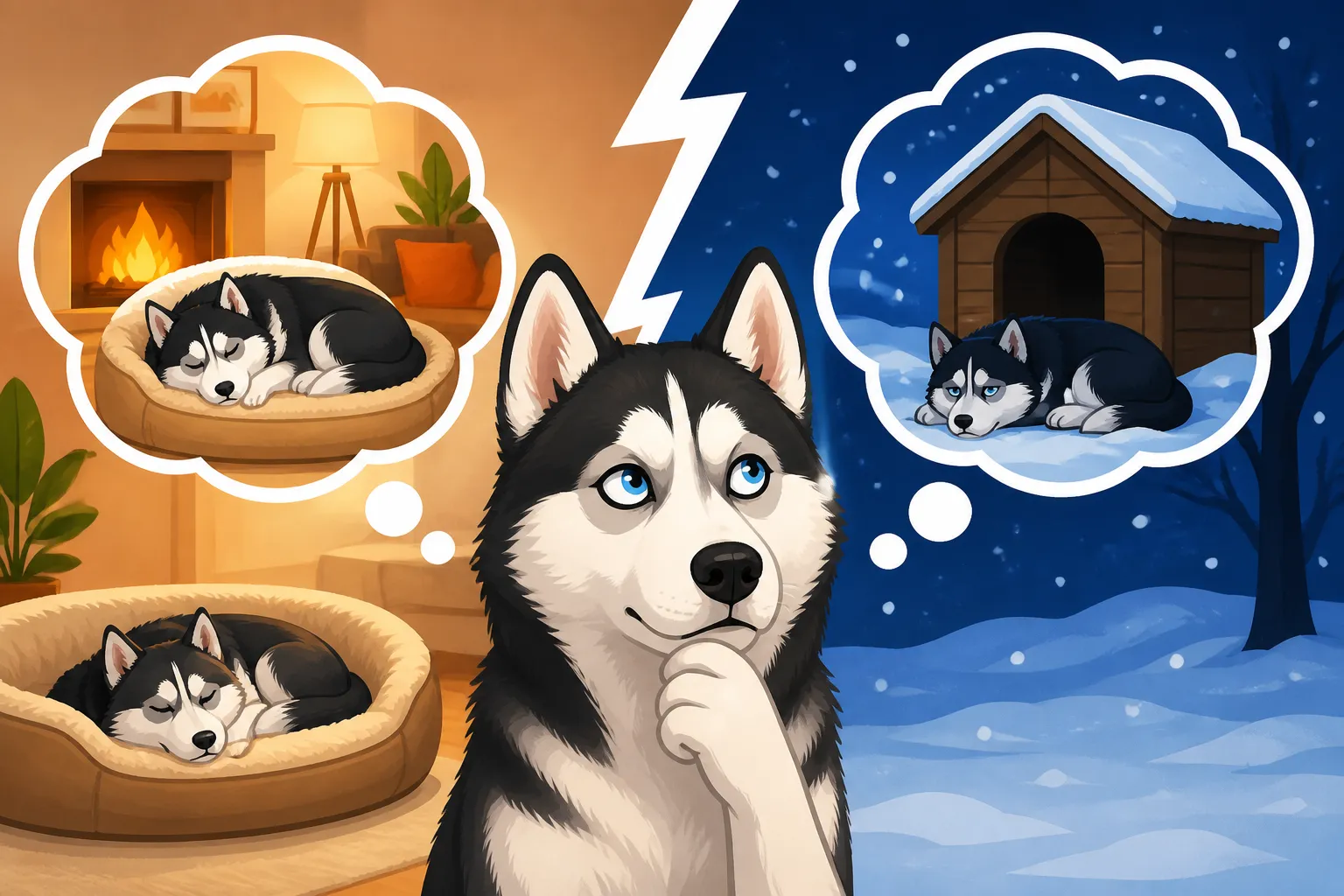
Making the decision about where your Siberian Husky sleeps is a significant one, impacting their safety, health, and happiness. While there's a strong leaning towards indoor sleeping for the reasons we've discussed, it's helpful to compare the two options directly. This table outlines key considerations, helping you weigh the pros and cons in the context of your own unique situation.
| Feature | Indoor Sleeping for a Siberian Husky | Outdoor Sleeping for a Siberian Husky (with ideal setup) |
|---|---|---|
| Safety & Security | High: Protected from predators, theft, traffic, severe weather. | Moderate to Low: Vulnerable to determined predators, theft, extreme weather. |
| Escape Risk | Very Low: Confined within the home, minimal opportunity to roam. | High: Prone to digging, jumping, opening latches; strong roaming instinct. |
| Social Needs | Fully met: Integrated into the family pack, constant companionship. | Low: Isolated from pack, potential for loneliness and anxiety. |
| Health Monitoring | Easy: Subtle changes in health or behavior quickly noticed. | Difficult: Issues may go unnoticed for hours; delayed emergency response. |
| Environmental Control | High: Temperature, humidity, and shelter are easily regulated. | Moderate: Requires robust, insulated shelter; vulnerable to sudden weather shifts. |
| Behavioral Impact | Positive: Reduced boredom, anxiety, and destructive tendencies. | Negative: Increased risk of digging, howling, chewing due to boredom/stress. |
| Hygiene | Easier to manage shedding (can be brushed indoors). | Exposure to dirt, pests, and elements can make hygiene more challenging. |
| Bonding | Strengthened: Promotes trust, affection, and a deeper connection. | Weakened: Lack of constant interaction can create distance. |
The takeaway here is that while a Siberian Husky can survive outside, especially with significant investment in a secure and insulated shelter, it often comes at the cost of their social and emotional well-being, and with inherent risks that are largely mitigated by indoor living. The modern pet owner's goal should be to help their Husky thrive, not just survive, and for this breed, that generally means being an integrated, cherished member of the indoor family.
Disclaimer
This article is for general informational purposes only and does not constitute professional advice. Laws, prices and regulations vary by location and change over time. Consult a qualified professional for guidance on your specific situation.