Living With Siberian Husky Undercoat in the House
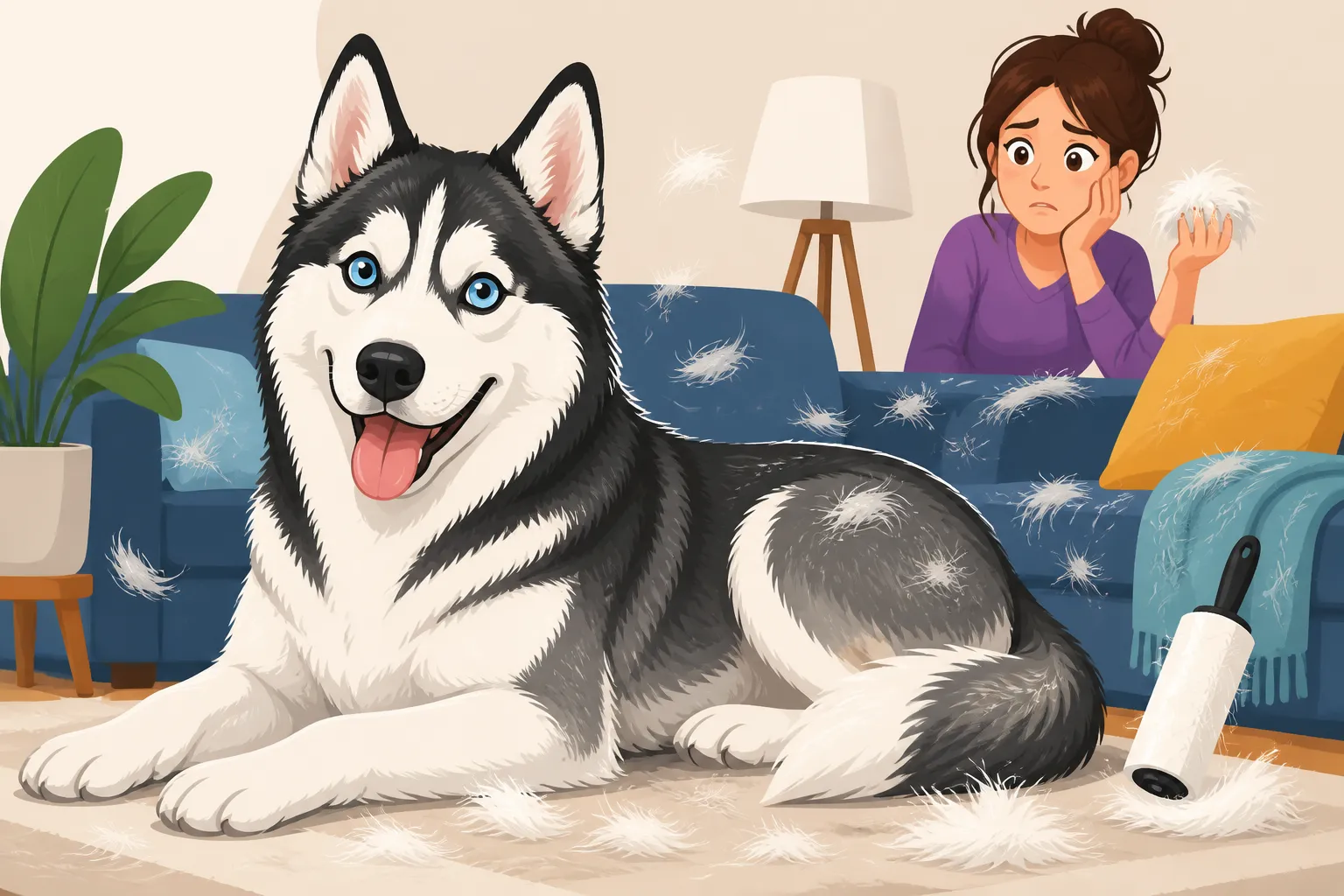
If you've ever owned a Siberian Husky, you know that their luxurious double coat is a marvel to behold, but also a constant source of "Husky glitter" that seems to colonize every surface of your home. The sheer volume of undercoat they shed, especially during those infamous "coat blows," can feel like an impossible battle. This guide is here to walk you through understanding your Husky's shedding, equipping you with the right tools, and developing realistic strategies to manage the furry onslaught, so you can coexist happily with your fluffy family member without drowning in dog hair.
Understanding the Siberian Husky Shedding Cycle
Living with a Siberian Husky means accepting that shedding is not a seasonal event, but a lifestyle. While they do have periods of heavier shedding, often called "coat blows," their double coat is always in flux, keeping you on your toes year-round. Understanding this natural process is the first step in managing the hair in your home.
The Double Coat and Its Purpose
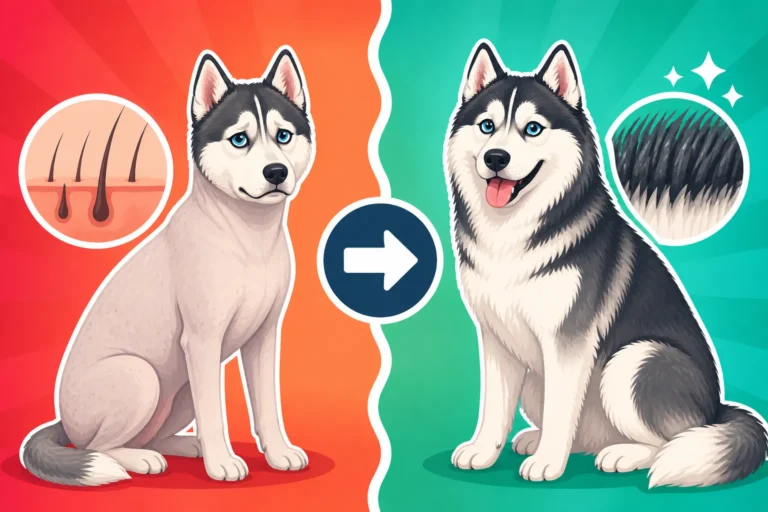
A Siberian Husky's coat is a masterpiece of natural engineering. It's designed to protect them from extreme temperatures, both hot and cold, which is why we talk so much about What the Siberian Husky Double Coat Actually Does. This coat consists of two distinct layers: a soft, dense undercoat that provides insulation, and a coarser, longer outer coat (guard hairs) that offers protection from moisture, UV rays, and external elements. The undercoat is what you'll find accumulating in drifts around your home. It's incredibly fine and lightweight, making it prone to floating through the air and settling on everything. When your Husky sheds, it's primarily this undercoat that's being released.
During seasonal changes, particularly in spring as warmer weather arrives and in fall as winter approaches, Huskies "blow" their coats. This isn't just regular shedding; it's an intense, weeks-long process where they shed vast quantities of their undercoat to adapt to the changing temperatures. This is when you'll feel like you're losing the battle against the fluff, and it's absolutely normal. Even outside of these major blow-outs, there's always some degree of shedding happening as individual hairs reach the end of their life cycle.
When to Expect the Furry Onslaught
The timing and intensity of a Siberian Husky's coat blow can vary based on their individual genetics, diet, and even the climate they live in. Generally, you can expect the most significant shedding periods in spring and fall. The spring blow prepares them for warmer temperatures, shedding the heavy winter undercoat, while the fall blow makes way for a new, thicker winter coat. These periods can last anywhere from three to six weeks, and sometimes even longer. Siberian Husky Coat Blow and the Six Weeks It Lasts delves deeper into what to expect during these times.
Beyond these major seasonal shifts, hormonal changes can also influence shedding. Spaying or neutering, for example, can sometimes alter a Husky's coat texture and shedding pattern, though not always in predictable ways. Even everyday factors like stress, diet, and overall health can play a role in how much hair your Husky is dropping. Don't be surprised if your Husky seems to have a mini-blow-out after a stressful vet visit or a particularly exciting trip. It's just their body's way of responding to internal and external stimuli.
Essential Grooming Tools for Hair Management
Managing Siberian Husky undercoat in your home starts with effective grooming. Investing in the right tools and establishing a consistent routine can make a world of difference in reducing the amount of loose hair floating around.
Undercoat Rakes and De-shedding Tools
When it comes to tackling that dense undercoat, standard brushes simply won't cut it. You need specialized tools designed to penetrate the guard hairs and pull out the loose undercoat without damaging the healthy coat. Undercoat rakes are a lifesaver, featuring widely spaced, curved teeth that gently reach deep into the coat. They're excellent for daily use during a coat blow. Products like the Mars Coat King or various undercoat rakes found on Chewy or Amazon are popular choices among Husky owners. They effectively pull out dead hair that would otherwise end up on your floor.
Beyond traditional rakes, de-shedding tools with finely spaced teeth, like the Furminator, can be incredibly effective, but they must be used with caution. While they remove an astonishing amount of undercoat, over-use or improper technique can damage the guard hairs, leading to a duller, less protective coat. Focus on using these tools sparingly, perhaps once a week or even less frequently, and always follow the manufacturer's instructions. Remember, the goal is to remove loose undercoat, not to thin out or cut the healthy coat. For a deeper dive, check out Undercoat Rakes and Blowers for a Siberian Husky.
High-Velocity Dryers and Baths
Bathing a Siberian Husky, especially during a coat blow, can be a monumental task, but it's one of the most effective ways to loosen and remove massive amounts of undercoat. The key isn't just the shampoo, but the drying process. After a thorough wash with a good deshedding shampoo, a high-velocity dog dryer is your secret weapon. These powerful dryers literally "blow out" the loose undercoat from the skin, often sending clouds of fur into the air. If you've never used one, prepare to be amazed (and to wear a mask!).
Using a high-velocity dryer outdoors or in a garage is ideal, as the sheer volume of propelled hair is incredible. It significantly reduces the amount of hair that would normally fall out in your house over the next few days. Many professional groomers use these, and investing in one for home use, available on Amazon, can be a game-changer. Follow up with a good raking once the coat is completely dry. Force Drying a Siberian Husky After a Bath offers more insights into this powerful technique. While Huskies don't need frequent bathing, timing a good bath with a coat blow can save you hours of vacuuming.
Strategies for Keeping Your Home Clean
Even with the best grooming routine, some Husky hair will inevitably make its way into your home. The next line of defense is a combination of diligent cleaning habits and choosing the right tools for your living space.
Daily Vacuuming and Floor Care
Daily vacuuming isn't a suggestion for Husky owners; it's practically a necessity, especially during seasonal shedding. The fine undercoat can quickly accumulate, forming dust bunnies the size of small rodents. For floors, a powerful vacuum cleaner with strong suction and good filtration is paramount. Look for models specifically designed for pet hair, as they often have tangle-free brush rolls and larger dustbins. Brands like Dyson, Shark, and Roomba (robotic vacuums for daily maintenance) are often cited by Husky owners as essential. You can find many robust options on Chewy or Amazon.
Beyond the vacuum, don't underestimate the power of a good broom or static mop. For quick clean-ups, especially on hard floors, a microfiber mop or an electrostatic sweeper can pick up surprising amounts of hair without the need to drag out the vacuum. Consider also dedicated vacuums for specific areas, such as a handheld for upholstery or stairs. Remember, consistency is key. A quick five-minute sweep or vacuum every day will prevent the problem from becoming overwhelming. Vacuums That Handle Siberian Husky Undercoat can give you more ideas on what to look for.
Furniture Protection and Cleaning
Your furniture is a prime target for Husky hair. Even if your Husky isn't allowed on the couch, the air currents in your home will carry hair to it. The best defense is often a good offense: use washable slipcovers, throws, or dedicated pet blankets on your sofas and chairs. These can be easily removed and thrown into the washing machine, trapping the hair before it embeds itself into your upholstery. Look for fabrics that are tightly woven and less prone to hair sticking, or those made of materials that repel pet hair.
For furniture that can't be covered, regular lint rolling is a must. Keep large, industrial-sized lint rollers handy in every room. Rubber gloves, lightly dampened, can also work wonders for sweeping hair off upholstery – the static cling makes the hair ball up easily. For deeper cleaning, invest in a good fabric shaver or upholstery attachment for your vacuum. Regular brushing of your Husky outside, or immediately after a bath, will also drastically reduce the amount of hair making it onto your beloved chaise lounge.
Minimizing Hair in Specific Areas
The undercoat has a magical way of finding its way into every nook and cranny. Beyond general floor and furniture care, specific strategies for areas like your car and even your home's air quality can help reduce the overall furry footprint.
Vehicle Hair Management
Taking your Siberian Husky for a car ride can be a joy, but the aftermath can look like a snowstorm in July. Car interiors, with their fabric upholstery and carpets, are hair magnets. The most effective way to manage hair in your vehicle is prevention: use seat covers specifically designed for pets. Hammock-style covers for the back seat are particularly good as they protect the seat, the floor, and the back of the front seats. These are readily available on Amazon and many other pet supply retailers.
For existing hair, a dedicated car vacuum is incredibly helpful. Many handheld vacuums are powerful enough to tackle car interiors. Additionally, a rubber squeegee or even a stiff brush can pull embedded hair out of car carpets and upholstery. The trick is to create static electricity, which helps lift the hair. Regular wiping down of hard surfaces with a damp cloth will also pick up loose hairs before they have a chance to settle and embed themselves. Keeping a small lint roller in your glove compartment for quick touch-ups before passengers arrive is also a smart move. For more specific car cleaning tips, you can refer to Siberian Husky Hair in Car Seats and Vents.
Air Quality and Filtration
Loose Husky undercoat doesn't just settle on surfaces; it also becomes airborne, affecting indoor air quality and potentially exacerbating allergies. If you or family members suffer from allergies, managing airborne pet dander is crucial. Investing in a good quality air purifier with a HEPA filter can significantly reduce the amount of pet dander circulating in your home. Place these in areas where your Husky spends the most time, such as living rooms or bedrooms.
Regularly changing your HVAC system's air filters is another vital step. Opt for higher MERV (Minimum Efficiency Reporting Value) rated filters, as these are more effective at trapping small particles like pet hair and dander. While they might be slightly more expensive, they can make a noticeable difference in overall air cleanliness. Cleaning ceiling fans, vents, and even light fixtures frequently will also help, as these surfaces often accumulate a surprising amount of airborne fur. It's an ongoing battle, but by combining filtration with consistent grooming, you can create a much more breathable environment. Whether Air Filters Help in a Siberian Husky House offers additional insights on this topic.
Grooming Routines During Coat Blow
The seasonal coat blow is an intense period, but with a dedicated grooming routine, you can minimize the impact on your home and your sanity. It's about being proactive and consistent.
Daily Raking and Brushing
During a full-blown coat blow, daily grooming is non-negotiable. This means setting aside time each day, ideally outdoors, to rake and brush your Husky thoroughly. An undercoat rake, as mentioned earlier, is your primary tool. Start at the head and work your way back, section by section, gently pulling out the loose undercoat. You'll be amazed at the sheer volume that comes out each session, and it will feel endless. This daily effort directly reduces the amount of hair your Husky will drop indoors.
Remember to be gentle, especially if your Husky has any sensitive spots. A good brushing session shouldn't be painful. If your Husky isn't keen on grooming, start with short, positive sessions, offering treats and praise. Over time, they'll learn to tolerate and even enjoy the attention. The goal of Daily Raking Through a Siberian Husky Blow is to prevent matting and minimize shed, and daily practice is the most effective way to achieve this. Don't be discouraged if you feel like you're brushing out another whole dog every day—it's completely normal for a Husky in full blow.
Professional Grooming or Self-Wash Stations
Sometimes, the sheer scale of a Husky coat blow is too much for a home setup, or you simply don't have the outdoor space for a high-velocity dryer session. This is where professional groomers or self-wash pet stations become invaluable. Professional groomers have all the specialized equipment, including high-powered dryers, professional-grade shampoos, and experienced hands to efficiently de-shed your Husky. While there's a cost involved, the relief of having a professional tackle the bulk of the loose undercoat can be well worth it.
Self-wash stations offer a middle ground. Many pet stores provide elevated tubs, water, shampoo, and often even professional dryers for a reasonable hourly fee. This allows you to use powerful equipment without having to clean up the fur-nado in your own bathroom. It's an excellent option for those who want to do the work themselves but lack the proper setup at home. A good de-shedding bath at a self-wash station, followed by thorough drying, can set you up for success for weeks, drastically cutting down on the indoor fur accumulation.
Living with Realistic Expectations
Despite all the tips and tricks, it's crucial to set realistic expectations when living with a Siberian Husky. You will never completely eliminate dog hair from your home, but you can certainly manage it to a tolerable level.
Accepting the Furry Reality
Let's be honest: if you want a spotless, hair-free home, a Siberian Husky might not be the right breed for you. They are prolific shedders, and their undercoat is fine, light, and seems to defy gravity. Accepting this reality is paramount to maintaining your sanity. Instead of fighting an impossible battle for perfection, focus on management. Recognize that a certain amount of dog hair will always be present, and adjust your standards accordingly. This acceptance reduces stress and allows you to enjoy your Husky for the wonderful companions they are, rather than constantly being frustrated by their shedding.
Think of it as part of the unique charm of the breed. It's a small trade-off for their playful personalities, stunning looks, and boundless energy. Embrace the "Husky glitter" as a testament to the beloved furry creature sharing your life. A relaxed attitude towards a few stray hairs can significantly improve your enjoyment of living with a Husky.
Building Sustainable Habits
The key to long-term hair management isn't a one-time heroic cleaning effort, but rather the consistent application of sustainable habits. This means establishing a regular grooming routine, even outside of coat blows. A quick daily brush, a weekly more thorough raking, and scheduled professional de-sheds (or self-washes) can prevent the situation from ever reaching crisis levels.
Couple this with daily light cleaning indoors. A quick vacuum run, a pass with a static mop, or a sweep of critical areas takes far less time than a full-blown deep clean after weeks of neglect. Keep grooming tools and cleaning supplies easily accessible. For instance, storing a lint roller in the living room or a small handheld vacuum near the couch makes quick clean-ups effortless. Consistency, not intensity, is the ultimate secret weapon against the never-ending tide of Siberian Husky undercoat.
Dealing with Allergies and Husky Hair
While Siberian Huskies are not typically considered hypoallergenic, their unique coat and shedding patterns mean that living with them can be challenging for those with allergies. However, there are definitely steps you can take to make coexistence more comfortable.
Managing Dander and Allergens
It's not actually the hair itself that triggers allergies, but rather the dander (tiny flakes of skin), saliva, and urine that get trapped in the coat and spread throughout the environment. Huskies do produce dander, and their shedding spreads it widely. To minimize allergens, regular bathing and grooming are crucial. Frequent brushing removes not only loose hair but also dander. Using specialized shampoos designed to reduce shedding and dander can also help, though their effectiveness varies by individual.
Beyond grooming, creating "allergy-free zones" in your home can provide relief. This often means designating certain rooms, especially bedrooms, as off-limits to your Husky. Using high-efficiency particulate air (HEPA) filters in these rooms and regularly washing bedding and curtains in hot water can significantly reduce allergen levels. Dusting with a damp cloth instead of a dry one also helps trap allergens rather than sending them airborne. While a Husky can never be truly allergen-free, these consistent efforts can make a big difference for allergy sufferers in the household. Whether Anyone Allergic Can Live With a Siberian Husky provides more detailed considerations.
Choosing Materials and Cleaning Products
The materials in your home can either trap or repel pet hair and dander, greatly influencing the overall allergen load. When possible, opt for hard-surface flooring like wood, tile, or linoleum over wall-to-wall carpeting, as carpets are notorious for trapping allergens. If you do have carpets, steam cleaning them regularly can help. For upholstered furniture, choose leather or tightly woven fabrics that are easier to wipe down and less likely to embed hair and dander.
When it comes to cleaning products, look for ones specifically formulated for pet households. Enzymatic cleaners can help break down pet odors and residues that contribute to allergens. Additionally, using laundry detergents designed to remove pet hair and dander can be beneficial when washing pet bedding, slipcovers, and your own clothes. Brands like Nature's Miracle, Bissell, or even simple white vinegar solutions are often recommended by pet owners. These choices, combined with regular maintenance, contribute to a healthier, less allergenic environment for everyone in the home.
Disclaimer
This article is for general informational purposes only and does not constitute professional advice. Laws, prices and regulations vary by location and change over time. Consult a qualified professional for guidance on your specific situation.