The Coldest a Siberian Husky Should Be Left Out
One of the biggest questions I hear from fellow Siberian Husky owners, especially as the seasons change, is "How cold is too cold?" It's a real head-scratcher because while we know these dogs are built for the snow, there's a huge difference between a quick romp and being left out for extended periods in genuinely frigid temperatures. This guide aims to clear up the confusion, helping you understand your Husky's incredible cold tolerance while also recognizing their limits and how to keep them safe and comfortable, no matter how much they might argue with you about coming inside.
Understanding the Siberian Husky's Natural Cold Tolerance
Siberian Huskies are practically synonymous with snow and ice, and for good reason! Their ancestry traces back to the Chukchi people of Siberia, where they were indispensable working dogs in some of the planet's harshest conditions. This isn't just a fun fact; it's central to understanding their unique physiology and their remarkable ability to withstand cold. It's why they were chosen for epic feats like The Siberian Husky in the 1925 Serum Run to Nome, proving their endurance in extreme conditions.
The Science Behind Their Winter-Ready Coat
It's all about that glorious double coat! A Siberian Husky's fur isn't just pretty; it's a marvel of natural engineering. They have two distinct layers: a soft, dense undercoat that acts as an incredible insulator, trapping warm air close to their body, and a longer, coarser outer coat (guard hairs) that repels water, snow, and ice. This combination works together to keep them warm and dry, even in blizzards. Think of it like a high-tech winter jacket that's constantly self-adjusting.
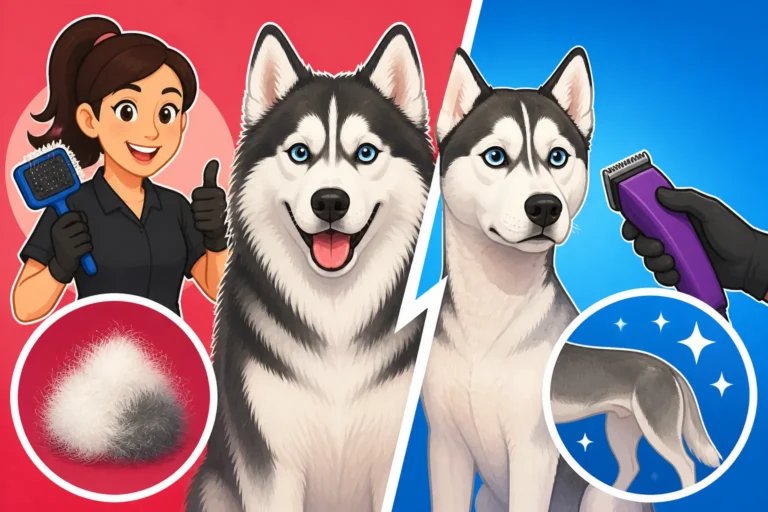
This isn't just about fluff; it's about function. The undercoat is so effective that it prevents the cold from penetrating to their skin, and the guard hairs shed snow rather than letting it melt and soak through. This is also why you should Never Shave a Siberian Husky, as it destroys this natural protective system, leaving them vulnerable to both cold and heat. During their famous "coat blow" seasons, you'll be amazed at the sheer volume of this insulating layer that comes off, showcasing just how much protection they carry. Siberian Husky Coat Blow and the Six Weeks It Lasts can be a real experience for owners!
Their Efficient Metabolism and Energy Use
Beyond the coat, Huskies have an incredibly efficient metabolism, another gift from their ancestors. Unlike many dog breeds that burn through calories quickly to generate heat, Huskies have adapted to sustain themselves on less food while still producing ample warmth and energy. They can switch their metabolism to prioritize fat burning, which generates more heat and provides sustained energy without depleting muscle mass. This trait was vital for long journeys across frozen landscapes with limited food.
This metabolic efficiency means they don't necessarily need to shiver constantly to stay warm at temperatures that would send other breeds indoors. They've evolved to conserve energy while staying warm and active. However, this doesn't mean they're immune to the cold or that their energy needs don't increase with extreme activity or plummeting temperatures. A working Husky, for instance, might need significantly more calories to fuel their activity and maintain body heat in harsh conditions. Feeding a Siberian Husky That Runs in Harness is a different game entirely from feeding a couch potato Husky.
Factors Influencing a Husky's Cold Tolerance
While Huskies are undoubtedly built for cold, it's a mistake to think they're all identical. Several factors play a significant role in how well an individual Husky can tolerate chilly temperatures. Ignoring these can lead to discomfort or even serious health issues. Just because they can handle cold doesn't mean they should be pushed to their limits without consideration.
Age and Health Status
A young, healthy adult Husky in its prime will generally have the highest tolerance for cold. Their bodies are robust, their metabolic systems are efficient, and their coats are at their peak density. However, puppies and senior Huskies are far more vulnerable. Puppies haven't fully developed their dense adult coat and have less body fat, making them less able to regulate their temperature. A Siberian Husky puppy, especially before its adult coat comes in, needs much more protection from the cold.
Similarly, senior Huskies, particularly those Caring for a Siberian Husky Past Ten, often have thinning coats, reduced muscle mass, and underlying health conditions like arthritis or thyroid issues that impair their ability to stay warm. An older Husky with joint pain might struggle to move around and generate heat, making them much more susceptible to the cold. Illness or compromised immune systems can also severely reduce a Husky's cold tolerance. Always consider your dog's individual health profile before making decisions about outdoor exposure.
Acclimation and Activity Levels
A Husky that lives in a consistently cold climate and is regularly exercised outdoors will naturally be more acclimated than one living in a warmer region that suddenly experiences a cold snap. Acclimation means their body has had time to adjust, grow a thicker coat, and optimize its metabolic response to the cold. A Husky suddenly exposed to freezing temperatures after spending months in a mild climate will feel the cold much more acutely.
Activity level is also crucial. A Husky actively running, playing, or working in harness generates significant body heat, helping them stay warm. A sedentary Husky, or one simply sitting still in a cold yard, will cool down much faster. This is why supervised play or structured exercise outdoors in cold weather is generally safer than leaving a bored Husky to sit idly in the cold. It also goes hand-in-hand with ensuring they have adequate nutrition to fuel that activity.
Shelter, Bedding, and Hydration
Even the most cold-hardy Husky needs proper shelter if left outdoors for any length of time in cold weather. A sheltered area isn't just a windbreak; it's a place where they can escape precipitation and maintain a slightly warmer microclimate. An insulated dog house, correctly sized so their body heat can warm it, is essential. Insulated Houses for an Outdoor Siberian Husky are not a luxury; they are a necessity if your Husky spends significant time outside in cold weather.
Bedding inside that shelter is also vital, lifting them off the cold ground and providing an extra layer of insulation. A bed from brands like Chewy or a thick layer of straw can make a huge difference. And don't forget water! Dogs can get dehydrated in winter just as easily as in summer. Ensure they have access to unfrozen water, perhaps in a heated bowl available on Amazon or a similar retailer, at all times.
Recognizing Signs of Cold Stress and Hypothermia
While Huskies are robust, they are not immune to the cold, and it's absolutely critical for owners to be able to recognize the signs that their dog is getting too cold. These aren't just minor discomforts; left unchecked, cold stress can quickly escalate into hypothermia, which is a life-threatening emergency.
Behavioral and Physical Cues
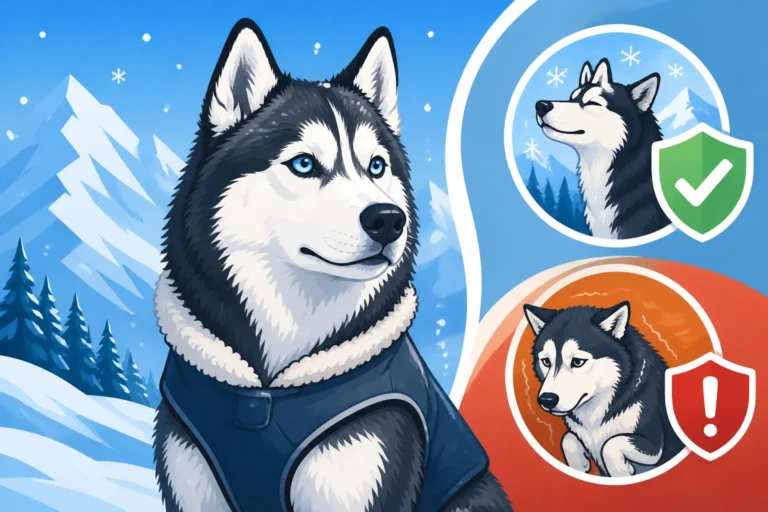
Your Husky will often tell you they're cold through their behavior before severe symptoms appear. Look for a hunched posture, shivering (which can be hard to see under a thick coat but might be felt), reluctance to move, or trying to curl up tightly to conserve heat. They might lift their paws off the cold ground, seeking warmer spots. If your normally energetic Husky is suddenly subdued and quiet in cold weather, it's a red flag.
Physical signs also include cold ears, paws, and tail tips to the touch. These extremities are often the first areas to show signs of cold exposure, as the body prioritizes sending warm blood to vital organs. Frostbite on Siberian Husky Ears and Tails is a real risk if they are exposed to extreme cold for too long without adequate protection. Their gums might also appear pale. If you notice any of these signs, bring your Husky inside immediately and begin warming them up gently.
What Constitutes "Too Cold" for a Husky?
So, what's the magic number? There isn't one single temperature that applies to all Huskies in all situations, but we can talk in general ranges and add crucial caveats.
Generally, healthy adult Huskies can tolerate temperatures down to around 20°F (-6°C) comfortably for extended periods, especially if active and acclimated. Many can handle even colder temperatures, down to 0°F (-18°C), for shorter periods or with continuous activity and adequate shelter. However, once temperatures drop below 0°F, or when combined with strong winds (wind chill), the risk significantly increases, even for these hardy dogs. This is where How Cold a Siberian Husky Can Actually Take really gets tested.
For puppies, seniors, or dogs with health issues, "too cold" can be much milder – perhaps below 30°F (-1°C) or even 40°F (4°C) if it's damp or windy. It's not just the temperature reading; it's the effective temperature, considering wind, humidity, and sun exposure. Always err on the side of caution.
Here’s a general guideline for Siberian Huskies:
| Temperature Range | Recommendation for Healthy Adult Huskies | Key Considerations |
|---|---|---|
| Above 45°F (7°C) | Generally comfortable for outdoor time, even extended. | Monitor for overheating if active or in direct sun. |
| 30°F – 45°F (-1°C to 7°C) | Comfortable for extended periods with shelter. | Ensure dry bedding and protection from wind/rain. Acclimation helps. |
| 15°F – 30°F (-9°C to -1°C) | Can be outside for extended periods if active and acclimated, with access to insulated shelter. | Supervise closely. Limit sedentary time. Ensure caloric intake supports heat generation. |
| 0°F – 15°F (-18°C to -9°C) | Shorter periods outside, especially if not highly active. Mandatory insulated shelter. | High risk if sedentary, wet, or exposed to wind. Check paws for ice balls regularly. |
| Below 0°F (-18°C) | Very limited outdoor time, supervised, for bathroom breaks only. Huskies should primarily be indoors. | Significant risk of frostbite and hypothermia, even for short periods. Bring inside! |
Hypothermia as a Medical Emergency
Hypothermia occurs when a dog's body temperature drops dangerously low, impairing bodily functions. Symptoms can include intense shivering (initially), lethargy, weakness, shallow breathing, dilated pupils, and eventually, collapse and loss of consciousness. If you suspect hypothermia, it's an emergency. Gently warm your dog with blankets, towels, or even skin-to-skin contact, and get them to a vet immediately. Never use direct heat like heating pads or hot water, as this can cause burns or rapid rewarming shock.
Providing Safe Outdoor Environments for Huskies in Winter
Even with their incredible cold tolerance, leaving a Siberian Husky outside in winter requires careful planning and provision. It's not just about surviving; it's about thriving, and that means ensuring their comfort, safety, and health.
Insulated Shelter and Warm Bedding
If your Husky is going to spend significant time outdoors in cold temperatures, a well-built, insulated dog house is non-negotiable. This isn't just a basic shed; it needs to be specifically designed to retain heat. The size is important: large enough for them to stand and turn around comfortably, but small enough that their body heat can actually warm the interior. A house that's too big will be impossible for them to keep warm.
Inside, provide ample dry, insulating bedding. Straw (not hay) is an excellent choice as it insulates well, doesn't absorb moisture as quickly as blankets, and can be burrowed into. If using blankets, ensure they are thick and replaced frequently if they become damp. Elevation from the cold ground, even just a few inches, can also make a big difference. You can find excellent options for insulated dog houses and heavy-duty, weather-resistant bedding on retailers like Chewy or Amazon. These resources can help you create a truly cozy sanctuary for your dog.
Consistent Access to Food and Water
When temperatures drop, a Husky's caloric needs might increase, especially if they are highly active or spending more time generating their own body heat. While their metabolism is efficient, they still need fuel. Ensure they are receiving an appropriate, high-quality diet, perhaps slightly adjusted for energy if they're a working dog. Regularly check their food intake, as sometimes extreme cold can suppress appetite, which needs to be addressed. Ollie, known for fresh, high-quality food, could be a consideration for maintaining peak health.
Consistent access to fresh, unfrozen water is equally, if not more, important. Dehydration can be a serious risk in winter, as dogs still need to hydrate, but water sources often freeze. Use heated water bowls, available at most pet supply stores or online from Amazon, to ensure they can drink freely. Check these bowls frequently to ensure they are functioning and that the water isn't freezing at the edges.
Monitoring and Limiting Exposure
Even with the best setup, constant monitoring is key. Regularly check on your Husky when they are outside in cold weather. Look for the behavioral and physical cues of cold stress we discussed earlier. If you notice any, it's time to bring them inside for a warm-up. This is especially true when temperatures dip below 0°F (-18°C) or when there's a significant wind chill. At these extremes, outdoor time should be strictly limited to quick bathroom breaks, even for the toughest Husky.
Remember, a Siberian Husky's love for the cold doesn't mean they should be neglected in it. They thrive in winter environments when they have appropriate care, exercise, and the option to retreat to warmth. Whether a Siberian Husky Should Sleep Outside is a question that depends heavily on these provisions and the severity of the weather. Our job as their owners is to provide that balance, respecting their natural abilities while safeguarding their health and well-being.
Disclaimer
This article is for general informational purposes only and does not constitute professional advice. Laws, prices and regulations vary by location and change over time. Consult a qualified professional for guidance on your specific situation.