Insulated Houses for an Outdoor Siberian Husky
Many Siberian Husky owners find themselves wrestling with the romanticized image of their breed: a majestic dog effortlessly enduring Arctic blasts. While these incredible dogs are indeed built for cold, the reality is that leaving a Siberian Husky exposed to the elements without proper shelter can lead to serious health risks and discomfort, especially in extreme conditions. This guide will walk you through why and when an insulated dog house is crucial for your outdoor Siberian Husky, what features to look for, and how to create a genuinely safe and warm sanctuary for them.
Why a Siberian Husky Might Still Need an Insulated Outdoor House
It’s true, Siberian Huskies are marvelously adapted to cold climates. They boast a dense double coat—a soft, thick undercoat for insulation and longer, coarse guard hairs that protect against snow and moisture. Their physiology even allows them to regulate their metabolism to stay warm. But here's the kicker: "adapted to cold" doesn't mean "invulnerable to all cold in all circumstances." Just like humans, there are limits, and individual dogs have varying tolerances.
Consider a frigid winter night where temperatures plummet well below freezing, coupled with a biting wind chill. While a healthy, active Husky might handle sustained cold better than many other breeds, prolonged exposure without a truly warm, draft-free place to retreat can push even their incredible resilience to its breaking point. They still need a personal, protected space where they can conserve body heat and escape the worst of the weather. Think of it less as a luxury and more as an essential part of responsible outdoor care, especially when you consider The Coldest a Siberian Husky Should Be Left Out.
Factors Affecting a Husky's Cold Tolerance
Not all Huskies are created equal, and not all winters are the same. A young, robust, working Husky in peak condition will generally handle cold better than a senior dog, a puppy, or one with an underlying health issue. For example, a Husky nearing the age discussed in Caring for a Siberian Husky Past Ten will have a much harder time regulating its body temperature. Their metabolism might slow, their circulation could be less efficient, and their fat reserves might not be as plentiful.
Furthermore, a Husky with a "wooly" coat—a longer, softer, often less functional coat than the breed standard—might actually struggle in wet or icy conditions because their guard hairs don't shed moisture as effectively, leading to matting and reduced insulation. Wind, rain, and snow can also drastically reduce the effectiveness of even the best coat, turning a tolerable temperature into a dangerous one. A dog house isn't just about static temperature; it's about protection from dynamic weather.
When "Sleeping Outside" Becomes Risky
There's a big difference between a Husky choosing to nap in the snow for a bit and being forced to endure an entire night of sub-zero temperatures with no relief. The phrase "Whether a Siberian Husky Should Sleep Outside" often sparks debate, but the consensus among responsible owners and veterinarians is that if a Husky is spending significant time outdoors, they must have adequate shelter. This shelter needs to be more than just a roof overhead; it needs to be a refuge from drafts, moisture, and extreme cold.
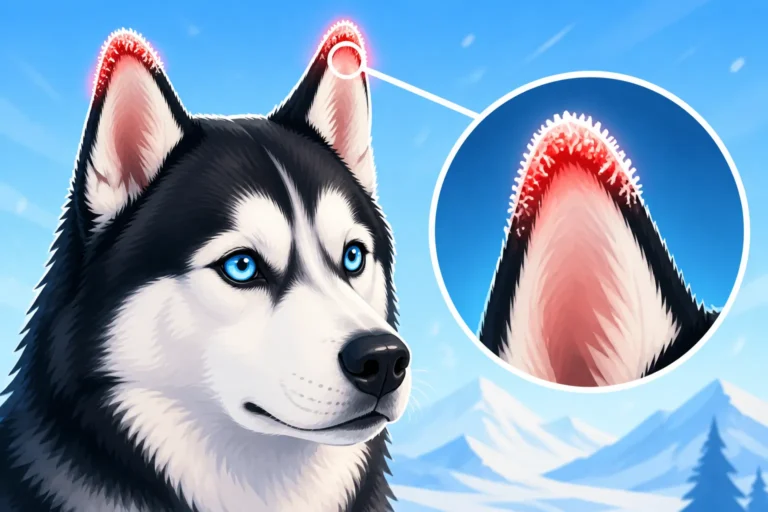
Symptoms of hypothermia or frostbite (especially on vulnerable areas like ear tips and paw pads, as detailed in Frostbite on Siberian Husky Ear Tips) can set in more quickly than you'd imagine if the dog is unable to generate or retain enough body heat. An insulated house provides that critical barrier, allowing your Husky to bundle up in their own warmth, away from the elements.
Key Features of an Effective Insulated Dog House for Huskies
Choosing an insulated dog house for your Siberian Husky isn't just about picking the biggest or prettiest one. It's about functionality, durability, and effectiveness in keeping your dog warm and dry. You need to look at specific features that genuinely contribute to its insulating properties and overall suitability for a resourceful and strong breed like a Husky.
Proper Insulation Materials and Construction
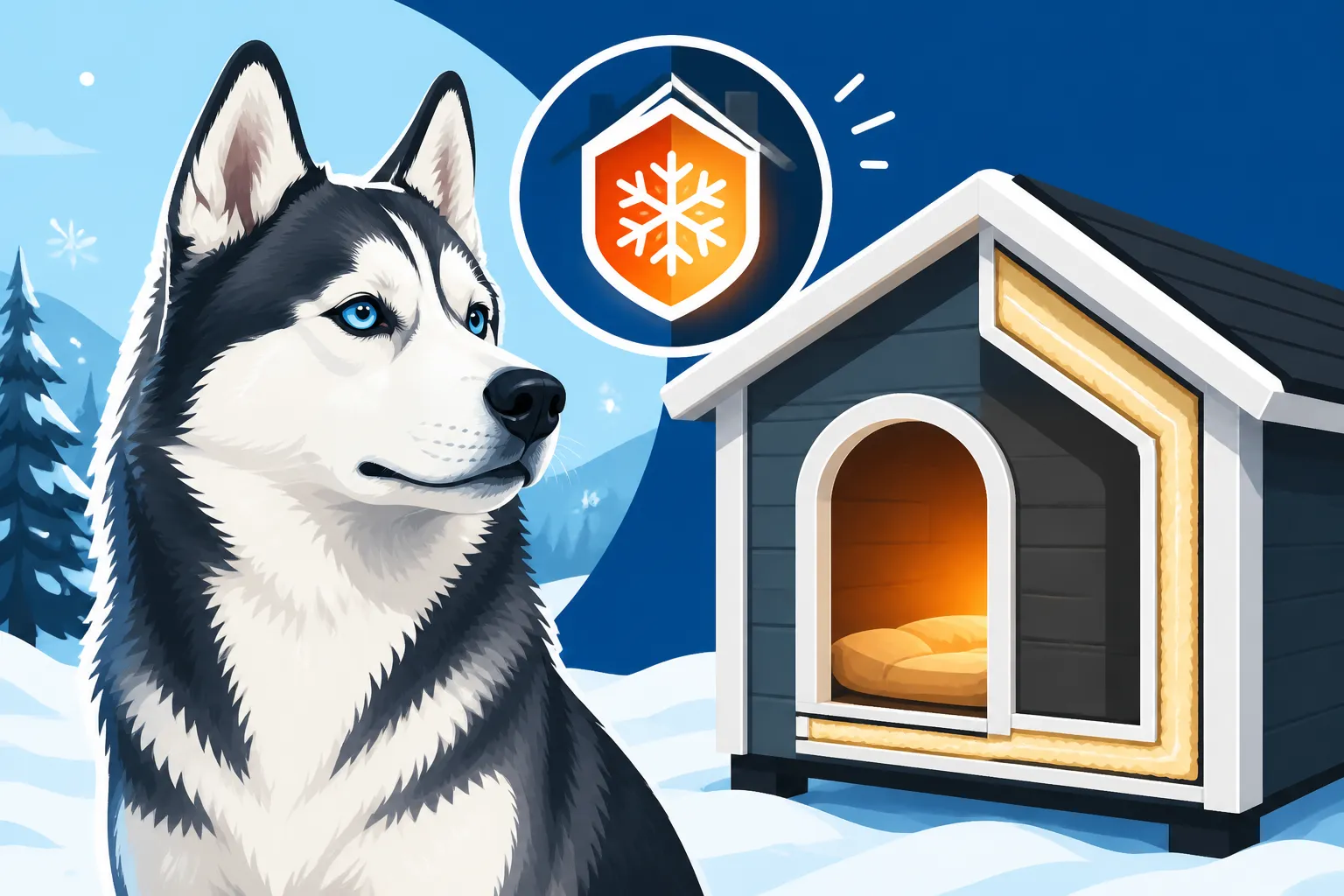
The core of an insulated dog house is, well, its insulation! Just like your own home, the walls, floor, and roof need to trap heat effectively. Look for materials like styrofoam, rigid foam panels, or even straw packed within double walls. The key is an air gap or a dense material that doesn't compress easily and provides a thermal break. Many cheaper dog houses are just single-walled plastic or thin wood, offering minimal protection. A truly insulated house will feel substantial and often have distinct inner and outer walls.
Construction also matters. Joints should be tight to prevent drafts, and the floor should be elevated off the cold ground, providing another layer of insulation from below. Some houses even feature a baffled entry or a removable door flap to keep cold air out while allowing your Husky easy access. When browsing options on places like Chewy or Amazon, read product descriptions carefully to ensure they specify actual insulation, not just a "heavy-duty" material.
Size, Design, and Durability
While you might think bigger is better, an insulated dog house actually needs to be just big enough for your Husky to comfortably stand, turn around, and lie down. If it’s too large, their body heat won't be sufficient to warm the entire space, defeating the purpose of insulation. Imagine trying to heat a mansion with a tiny space heater – it's the same principle. The goal is to create a snug, warm pocket.
Beyond size, consider the design. A sloped roof is essential for shedding rain and snow, preventing accumulation and leaks. Durable, chew-resistant materials are also vital for a Siberian Husky. These dogs are notorious for their ability to chew and destroy, so flimsy plastic or untreated wood might not stand a chance. Look for heavy-duty plastic, robust wood with a protective finish, or even metal components where appropriate. A house designed to withstand the rigors of weather and a determined Husky will save you headaches and money in the long run.
| Feature | Why It's Important for a Siberian Husky |
|---|---|
| Double-Wall Design | Creates an air gap for superior thermal insulation, trapping body heat. |
| Insulated Floor | Elevates the dog from cold, damp ground, preventing heat loss from below. |
| Appropriate Size | Snug fit (not too big) allows Husky's body heat to warm the interior effectively. |
| Elevated Base | Protects from ground chill and moisture, improves airflow underneath. |
| Sloped Roof | Essential for shedding rain and snow, preventing water accumulation. |
| Draft-Proof Entry | Reduces heat loss through the doorway, often with a baffle or door flap. |
| Durable Materials | Resists chewing and weather damage, crucial for a strong, active breed. |
| Ventilation | Small, protected vents prevent stuffiness and moisture buildup without drafts. |
Setting Up and Maintaining Your Husky's Insulated Outdoor Shelter
An insulated dog house is a fantastic tool, but it's only as good as its setup and maintenance. You can buy the best house in the world, but if it's placed incorrectly or neglected, your Husky won't get the full benefit. Thoughtful placement and regular care are key to making it a true haven.
Strategic Placement for Maximum Protection
Where you put the dog house makes a huge difference. Position it in a sheltered spot, ideally facing away from prevailing winds. Even the best insulated house will struggle if constantly battered by icy gusts. Placing it against a wall, a solid fence, or even a dense row of evergreen shrubs can provide a natural windbreak. Also, ensure it’s not in a low-lying area where water might collect, as this can lead to dampness and mold, even with an elevated base. Good drainage around the house is crucial.
Consider the sun's path during winter. A little morning sun can help warm the house, but ensure it's not in a spot that will bake in the summer sun, potentially becoming a sauna. While this article focuses on cold, remember your Husky also needs protection from heat, as discussed in Heat Stroke Risk in a Siberian Husky. Year-round considerations are important, even if the primary purpose of insulation is winter warmth.
Bedding, Comfort, and Encouraging Use
Even an insulated house needs cozy bedding. Straw is an excellent, traditional choice because it insulates well, stays relatively dry, and dogs can burrow into it. Just make sure it's fresh and changed regularly. Alternatively, use thick, washable, and durable dog beds. Avoid blankets or towels that absorb moisture and can freeze or become unhygienic. Look for water-resistant or elevated options when shopping for bedding on Amazon or Chewy. The bedding should be deep enough for your Husky to nestle into, creating their own warm pocket.
Huskies are independent thinkers, so don't just expect them to use the house immediately. Make it inviting! Place some of their favorite toys inside, or perhaps a treat. Spend some time near the house with them, offering praise when they investigate or enter. You might even feed them their meals inside for the first few days. Consistency and positive association will help them see it as their safe, warm retreat. Just like training recall (check out Building a Siberian Husky Recall Word From Scratch), patience and positive reinforcement are your best friends.
Essential Maintenance for Longevity and Hygiene
Regular cleaning is paramount. Even with the best intentions, a dog house can become damp, dirty, or infested if not maintained. At least once a week, remove and clean all bedding. Sweep or vacuum out the interior to remove dirt, hair, and any debris. Periodically, give the entire interior a thorough cleaning with a pet-safe disinfectant, allowing it to air dry completely before replacing bedding.
Check the house periodically for damage. Look for cracks, chew marks, or compromised insulation. Repair any issues promptly to maintain its effectiveness. For wooden houses, reapply weatherproofing as needed. Ensure door flaps are intact and functional, and that any ventilation ports aren't blocked. Proper maintenance ensures your investment lasts and, more importantly, that your Siberian Husky always has a safe, warm, and hygienic place to rest.
Beyond the House: Comprehensive Cold Weather Care for Outdoor Huskies
While an insulated house is a cornerstone of cold weather care for a Siberian Husky, it's part of a larger picture. A holistic approach ensures your outdoor Husky remains healthy, happy, and truly protected from the elements. A well-nourished, active dog in a suitable environment will always fare better than one that lacks any of these components.
Nutrition and Hydration in Cold Weather
Cold weather means your Husky is burning more calories to stay warm, even with a great insulated house. Their metabolism kicks into high gear. This often means they need more food than usual, particularly a diet higher in fat and protein, to provide the necessary energy. Don't just guess; consult your vet or an experienced breeder about adjusting their winter diet. Brands like Ollie that focus on fresh, high-quality ingredients can be a good option for providing nutrient-dense meals, but always check their specific nutritional analysis to ensure it meets the increased energy demands of a cold-weather Husky.
Hydration is just as critical. Many owners mistakenly think dogs drink less in winter, but keeping them hydrated is vital for metabolic function and overall health. Ensure fresh water is always available and unfrozen. Heated water bowls are an absolute game-changer for outdoor dogs, preventing ice formation and encouraging consistent drinking. Dehydration can lead to serious health issues, weakening their ability to withstand the cold.
Exercise and Activity Considerations
Siberian Huskies are built for activity, and that doesn't stop in winter! Regular exercise is crucial for keeping their muscles toned, their circulation healthy, and their metabolism humming. A tired Husky is a warm Husky. Whether it's long walks (where you might use a specific harness, see Harness Sport Gear a Siberian Husky Owner Buys), or even engaging in dog sports like canicross or skijoring, keeping them active helps them generate and maintain body heat.
However, be mindful of extreme conditions. While Huskies love snow, very icy conditions can be dangerous, increasing the risk of slips, falls, or paw injuries. Always check their paw pads after runs for cracks, ice balls, or frostbite. You might even consider booties for added protection in harsh conditions, though many Huskies prefer to go au natural. Understand Siberian Husky Cold Weather Care and Its Limits to ensure their activity is beneficial, not harmful.
Health Monitoring and Veterinary Care
Even with the best care, monitoring your outdoor Husky's health is paramount. Pay close attention to their behavior, appetite, and energy levels. Any changes could signal an underlying issue. Check their ears, nose, and paw pads regularly for signs of frostbite – discolored, cold, or painful skin that can appear pale, waxy, or even blue.
Regular veterinary check-ups are always important, but especially for outdoor dogs. Discuss your Husky's outdoor living situation with your vet. They can provide advice on specific nutritional needs, parasite prevention appropriate for an outdoor lifestyle (Parasite Prevention for an Outdoor Siberian Husky), and can help you develop a plan for recognizing and addressing potential cold-related health concerns. Being proactive about their health is the best way to ensure your robust Siberian Husky thrives in their outdoor environment year-round.
Disclaimer
This article is for general informational purposes only and does not constitute professional advice. Laws, prices and regulations vary by location and change over time. Consult a qualified professional for guidance on your specific situation.