Harness Sport Gear a Siberian Husky Owner Buys
If you've ever found yourself being dragged down the street by your enthusiastic Siberian Husky, feeling like your arm might just detach from your shoulder, you know the struggle is real. These magnificent dogs are powerhouse athletes, bred for centuries to pull, run, and work tirelessly. Trying to contain that boundless energy with a flimsy walking harness or a standard flat collar isn't just ineffective; it can be downright dangerous for both of you. This comprehensive guide will pull back the curtain on the specific harness sport gear a Siberian Husky owner truly needs, explaining why each piece is vital for safely and effectively channeling your husky's incredible natural drive.
Understanding the Core Need: Why Specialized Gear?
Let's face it, owning a Siberian Husky is an adventure. These dogs aren't just pets; they're partners in activity, eager to put their strength and stamina to good use. But their unique genetic blueprint means they need more than just a walk around the block. They need an outlet for their inherent desire to pull, and that's where specialized gear comes into play. Ignoring this need often leads to frustration, destructive behaviors, and a dog who feels perpetually under-stimulated.
The Husky's Innate Drive to Pull
Imagine a dog engineered for one primary purpose: to cover vast distances pulling a load across frozen tundras. That's your Siberian Husky, in a nutshell. Their entire physique—from their powerful shoulders and deep chest to their efficient gait—is built for sustained pulling. This isn't a behavior you can simply train out of them; it's deeply ingrained, a part of their very essence. When your husky lunges forward on the leash, they're not being "bad"; they're simply responding to centuries of selective breeding. They want to pull, and denying them that natural expression can lead to anxiety, pent-up energy, and a whole host of behavioral issues. Think of it like trying to tell a bird not to fly – it goes against their very nature. Giving them an appropriate way to fulfill this drive can transform their temperament and your relationship.
Dangers of Using Standard Collars or Walking Harnesses
Many well-meaning husky owners start with what they know: a flat collar or a basic, front-clip walking harness. While these might be fine for a leisurely stroll with a less driven breed, they pose significant risks when dealing with a husky that truly leans into its pulling instinct. A flat collar, for instance, puts immense pressure on your husky's delicate trachea, especially when they lunge or pull hard. You risk causing damage, inducing a choking cough, or even creating long-term throat issues. It's not uncommon for a husky to practically hang itself on a collar, desperate to get where it wants to go, yet suffering discomfort in the process.
Even standard walking harnesses, particularly those that clip at the front, are designed to discourage pulling by redirecting the dog. While this can offer some control for casual walks, it completely negates the husky's natural biomechanics. They can still pull, but they're doing so inefficiently and sometimes awkwardly, which can put strain on their shoulders and joints over time. It's like trying to run a marathon in flip-flops; it might work for a bit, but it's not optimal and can lead to injury. Plus, a determined husky can often slip right out of poorly fitted walking harnesses, turning a simple walk into a frantic search mission. For more on the challenges of containing your husky, you might find What Happens When a Siberian Husky Slips a Collar particularly insightful.
Benefits of Purpose-Built Sport Gear
The solution isn't to fight their nature, but to embrace it safely. Purpose-built harness sport gear is designed to allow your husky to pull comfortably and efficiently, distributing the force across their chest and shoulders rather than their neck or a single point. This not only prevents injury but also empowers your husky to use their body as it was intended, leading to a much more satisfying and enriching experience for them. When they are properly outfitted, you'll see a shift from a "fight" on the leash to a cooperative effort. Your husky will understand that pulling in harness is a job, and they'll likely enjoy it immensely. This gear allows them to engage in activities like canicross (running with your dog), bikejoring (biking with your dog), skijoring (skiing with your dog), or even recreational sledding, transforming their excess energy into a shared adventure.
The Foundation: Proper Harnesses for Different Activities
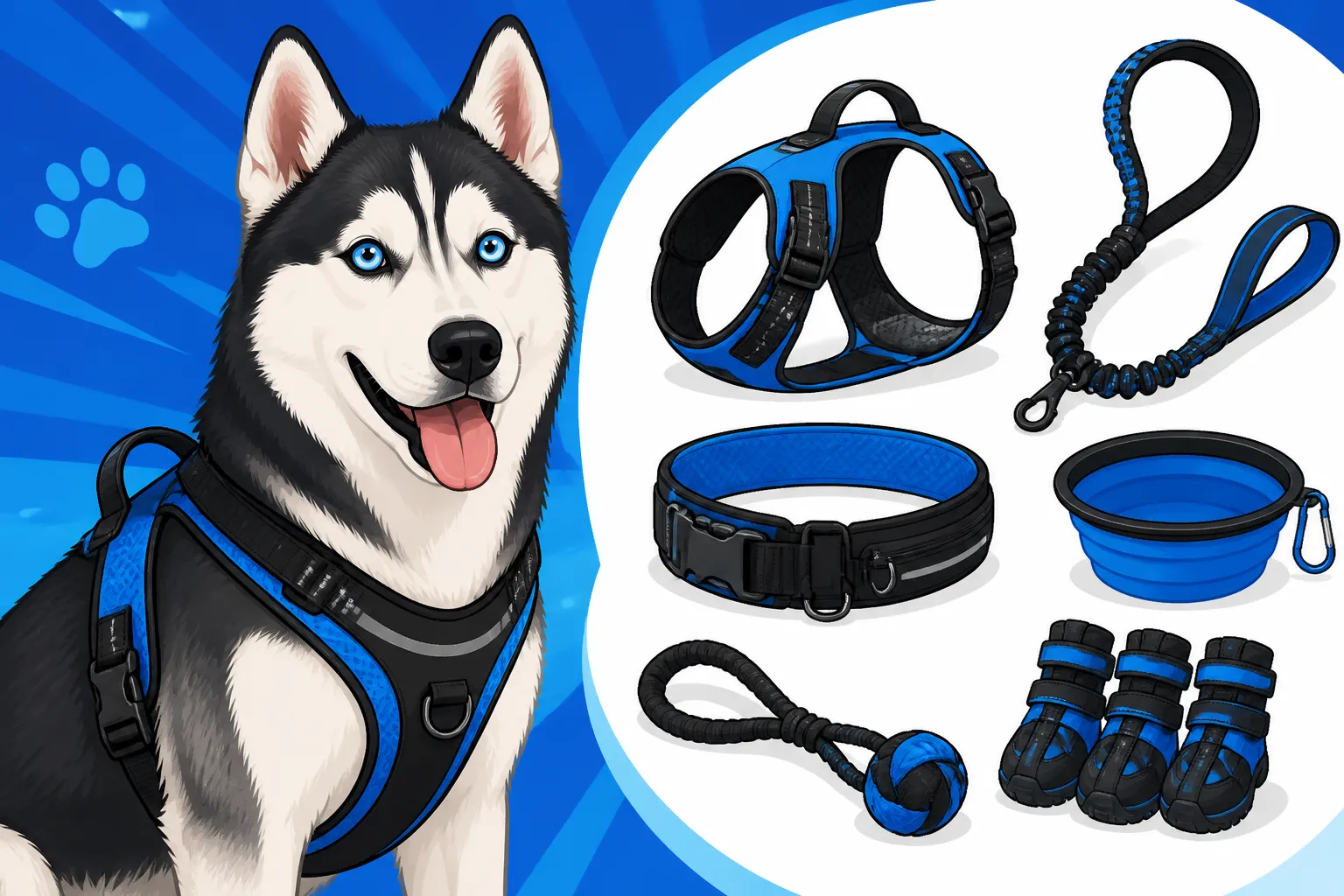
Choosing the right harness is perhaps the most critical decision when outfitting your Siberian Husky for sport. It’s not a one-size-fits-all situation. The type of harness needed depends heavily on the specific activity you plan to pursue, as each design optimizes for different angles of pull and levels of strain.
X-Back Harnesses for Sledding and Skijoring
The X-back harness is the quintessential sled dog harness, and for good reason. Its design is brilliant in its simplicity and effectiveness. It features a padded "X" shape across the dog's back, with straps that extend along the sides of the body and meet at the very base of the tail, where the pulling line attaches. This extended length ensures that the force of the pull is distributed evenly across the dog's entire torso, from the chest all the way to the hips.
When a husky wears an X-back harness and pulls, the pressure is spread out, preventing any single point of stress. This design is perfect for activities where the dog is pulling a consistent, often heavier load directly behind them, such as traditional sledding, recreational scootering with a rig, or skijoring, where the dog pulls a person on skis. The key is that the attachment point for the line is exactly at the dog's rear, allowing for a straight, powerful pull. A well-fitted X-back harness will allow full range of motion in the shoulders and legs, critical for preventing injury during sustained effort. Many top mushing supply companies, like Non-stop Dogwear or Alpine Outfitters, specialize in these types of harnesses, often offering custom sizing.
H-Back/Half Harnesses for Canicross and Bikejoring
While X-back harnesses excel for direct, consistent pulling, they aren't always ideal for sports where the pull might come from a slightly higher angle or where the dog needs a bit more lateral freedom, such as canicross or bikejoring. This is where H-back or half harnesses, sometimes called "freemotion" harnesses, come in. These harnesses typically have a padded neck and chest piece, with straps running along the sides of the dog's body, but crucially, the attachment point for the line is higher up on the back, usually around the mid-back or just before the tail.
The higher attachment point in H-back harnesses allows for a more dynamic range of motion, which is beneficial when the dog is running alongside a human (canicross) or attached to a bicycle (bikejoring), where the line isn't always perfectly straight behind them. These harnesses are designed to prevent the line from dipping and catching on the dog's hocks during a stride, which can happen with a very low attachment point on an X-back if the human's pulling point is higher. Brands like ManMat or Zero DC are renowned for their ergonomic H-back designs. They often incorporate reflective elements, which are fantastic for early morning or late evening runs, ensuring visibility and safety on trails or roads.
Multi-Sport Harnesses for Versatility
For owners who dabble in multiple harness sports or are just starting out and don't want to invest in a closet full of specialized gear, a good multi-sport harness can be a lifesaver. These harnesses aim to strike a balance between the full-body distribution of an X-back and the dynamic freedom of an H-back. They usually feature a more robust chest and neck design with multiple attachment points or adjustable straps that allow them to be configured for various activities.
A common multi-sport design might have a slightly shorter body than a traditional X-back, with the line attachment point movable or designed to work well with a variety of pulling angles. Some even have additional D-rings for side attachments, useful for specific training scenarios or even for attaching saddlebags for dog hiking. The advantage here is cost-effectiveness and convenience; you might not get the absolute peak performance for every single sport, but you get a very capable and comfortable harness for most common activities. However, it's vital to ensure that even a multi-sport harness provides excellent padding and does not restrict shoulder movement, as this is crucial for preventing injuries during any kind of pulling work. When exploring options, check reviews from other husky owners to see how well a particular design holds up across different sports.
Measuring Your Husky for the Perfect Fit
This cannot be stressed enough: a perfectly fitted harness is paramount for your husky's comfort, safety, and performance. An ill-fitting harness can chafe, restrict movement, cause pain, and even lead to long-term orthopedic problems. Each manufacturer will have specific measuring guides, and it's essential to follow them diligently. Generally, you'll need measurements like neck circumference (at the widest part, usually where a collar would sit), chest girth (just behind the front legs), and length from the base of the neck to the base of the tail.
Here's a crucial tip for Siberians: always consider their coat. When measuring, you want the harness to sit snugly against their body, not just float on top of their dense fur. During Siberian Husky Coat Blow and the Six Weeks It Lasts, their measurements might temporarily change, making proper fitting even more critical. Many companies advise using a flexible measuring tape and ensuring there's room for two fingers under all straps, but no more. When the harness is on, observe your husky moving, running, and pulling. Look for any signs of restriction around the shoulders or elbows, or any rubbing behind the legs or in the armpits. If in doubt, consult with experienced mushers or a reputable canine outfitter. Remember, a cheap, poorly fitting harness is a false economy when it comes to your dog's well-being.
Connecting the Dots: Lines and Leashes for Harness Sports
Once your husky is geared up in a comfortable harness, the next critical component is the line that connects them to you or your equipment. This isn't just any rope; specialized pulling lines are designed with safety, shock absorption, and specific sport requirements in mind.
Bungee Lines for Shock Absorption
One of the most important pieces of gear in any harness sport is the bungee line, also known as a tug line with a shock absorber. This isn't a solid, static leash. Instead, it incorporates a section of bungee cord or elastic material that stretches and contracts, providing crucial shock absorption.
Why is this so important for a Siberian Husky? Huskies can generate a tremendous amount of force when they pull. If they're connected to you or a bike with a rigid line, every surge, every sudden acceleration, and every minor stumble translates into a harsh jolt. This jarring force can be uncomfortable and potentially injurious for both the dog and the human. For your husky, it can cause neck strain, back issues, or even joint pain over time. For you, it can mean sudden pulls that throw you off balance, injure your shoulder, or even cause a fall. The bungee line smooths out these impacts, creating a much more fluid and comfortable experience. It allows for a continuous, even pull, which encourages your husky to maintain a steady pace. Look for lines with heavy-duty bungee material encased in a durable, weather-resistant sleeve. Length is also key; for canicross, a single dog bungee line is usually 6-8 feet fully extended. For bikejoring or scootering, it might be slightly longer to keep the dog further from the wheels.
Ganglines for Multiple Dog Teams
If you're considering the thrill of working with more than one Siberian Husky, perhaps for recreational sledding, carting, or even just running two dogs side-by-side, you'll need a gangline. A gangline is a specialized setup of lines that allows multiple dogs to pull together in unison, typically in pairs.
A basic gangline system consists of:
- Main Line/Tug Line: This is the primary line that runs from your sled, cart, or rig to the lead dogs. It often incorporates a bungee section for shock absorption.
- Neck Lines: These short lines connect the collars of two dogs running side-by-side. Their purpose isn't to pull, but to keep the dogs together, ensuring they run as a cohesive unit and don't stray too far from each other.
- Tug Lines (Individual): These lines connect each dog's harness to the main line or to the harness of the dog in front of them in a chain.
- Snub Line: This is a shorter rope used to temporarily secure your team to a stationary object (like a tree or snow hook) when you need to stop.
Working with ganglines requires a bit more coordination and training, as your dogs need to learn to run as a team, staying in their positions and responding to commands like "gee" (right) and "haw" (left). This can be an incredibly rewarding experience, showcasing the true power and cooperation that Siberians are known for. When considering Ganglines and Towlines for a Siberian Husky Team, make sure to invest in high-quality, durable materials that can withstand the combined strength of your team.
Specialty Leashes for Control and Safety
Even when using harnesses for pulling sports, you'll still need various specialty leashes for control and safety, particularly during transitions or when moving through public areas. These are distinct from bungee lines used for actual pulling.
- Traffic Leashes: These are short, heavy-duty leashes, often 1-2 feet long, designed for close-quarter control. They are invaluable for navigating crowded parking lots, getting your husky into and out of the car, or holding them securely while you're getting other gear ready. The short length prevents tangling and allows you to keep your husky right by your side, preventing any unexpected lunges towards distractions.
- Training Leashes/Long Lines: While not typically used during a pulling sport, long lines (15-50 feet) are incredibly useful for training recall and boundaries in open, safe areas. This is especially important for Siberians, whose recall can be notoriously challenging due to their strong prey drive and independent nature. Practicing with a long line allows you to give them the illusion of freedom while still maintaining a safety connection. You can use it to teach Building a Siberian Husky Recall Word From Scratch in a controlled environment.
- Backup or Safety Leashes: For activities like bikejoring or scootering, it's a good idea to have a separate, very strong safety leash that connects directly from your dog's harness to your bike or scooter frame, in addition to the main pulling line. This provides a backup in case the primary line or attachment point fails, preventing your husky from running off. This is a critical safety measure, particularly when a Siberian Husky Deaths From Trauma and Escape is a real concern in an uncontrolled environment.
Remember, regardless of the type, always opt for leashes made from strong, durable materials with robust hardware. A carabiner or snap hook failing mid-activity can have serious consequences.
Keeping Pace: Belts and Rigs for the Human Partner
While the dog's gear is primary, the human partner also needs specialized equipment to safely and comfortably engage in harness sports. This gear is designed to distribute the dog's pulling force evenly across your body, protecting your back and shoulders, and allowing you to move freely.
Canicross Belts for Hands-Free Running
For canicross, the sport of running with your dog pulling you, a proper canicross belt is absolutely non-negotiable. Forget trying to hold a leash in your hand while your husky pulls; it's a recipe for shoulder injuries, falls, and an incredibly uncomfortable run. A good canicross belt is designed to be worn around your hips, often with leg loops to keep it securely in place and prevent it from riding up your back.
The key feature of a canicross belt is the integrated attachment point, usually a loop or carabiner, where the bungee line from your husky's harness clips. This distributes the pulling force directly to your body's core, engaging your strong hip and glute muscles rather than putting strain on your arms or back. High-quality belts are padded for comfort and often have small pockets for essentials like keys, a phone, or dog treats. When choosing, look for belts that are adjustable, provide excellent lumbar support, and allow for a natural running stride. A well-designed belt will feel like an extension of your body, making you and your husky feel like a truly cohesive team. Popular brands in the canicross world include Non-stop Dogwear and Ruffwear.
Bikejor Arms and Attachments
Bikejoring is an exhilarating sport where your husky pulls you while you ride a bicycle. However, simply tying a leash to your bike's handlebars is incredibly dangerous. The line can get tangled in the front wheel, causing a catastrophic fall for both you and your dog. This is where a bikejor arm, also known as a bike antenna or springer, becomes an essential piece of safety equipment.
A bikejor arm is a flexible, spring-loaded pole that attaches to the front of your bike, usually near the headset or front wheel axle. The bungee line from your husky's harness attaches to the end of this arm. Its primary function is to keep the pulling line away from the front wheel of your bike, preventing it from tangling, especially during turns or if your husky momentarily slows down or moves off to the side. The spring mechanism also provides an additional layer of shock absorption, further smoothing out any sudden pulls.
When selecting a bikejor arm, ensure it's made from durable, lightweight material and attaches securely to your specific bike frame. Some arms are universal, while others are designed for specific bike types. Always make sure the arm extends far enough to keep the line clear of the wheel, even when the dog is close to the bike. Riding a bike with your husky using proper Bikejoring Setups for One Siberian Husky can be one of the most effective ways to burn off their energy.
Dog Scooters and Rigs for Urban or Trail Use
For those who love the idea of being pulled by their husky but aren't keen on running or biking, dog scooters and three-wheeled rigs offer a fantastic alternative. These are purpose-built vehicles designed to be pulled by one or more dogs. They provide a stable platform and a unique way to enjoy the pulling experience, often at exhilarating speeds.
- Dog Scooters: These resemble oversized kick scooters but are much more robust, featuring larger wheels (often bicycle-sized), powerful brakes, and reinforced frames. They typically have a low center of gravity, making them stable, and a wide deck for standing. A bikejor arm or a similar attachment is almost always integrated to keep the pulling line clear of the front wheel. Dog scooters are fantastic for trails, parks, and even urban environments where you need more control than a bike offers. They're also an excellent option if you have joint issues but still want to participate actively with your husky.
- Three-Wheeled Rigs/Carts: For owners with multiple huskies or those who want a more stable and less physically demanding experience, a three-wheeled rig (sometimes called a training cart or sulky) is ideal. These are essentially lightweight, dog-powered vehicles with seating, designed for one or more dogs to pull. They often feature hand brakes, foot brakes, and plenty of space for gear or even a passenger. Rigs are perfect for dryland training, recreational mushing without snow, or just enjoying a leisurely (but fast!) ride with your team. They require a bit more storage space and a larger initial investment, but they offer unparalleled stability and a true "mushing" experience. When looking at Dog Scooters and Rigs for a Siberian Husky, consider your local terrain, the number of dogs you plan to run, and your own physical capabilities.
Advanced Gear for Serious Mushing and Skijoring
If you've dipped your toes into harness sports and found yourself bitten by the mushing bug, there's a whole world of advanced gear designed for more serious pursuits, often involving multiple dogs or specific snowy conditions. This equipment takes the foundational concepts and scales them up for greater performance and deeper immersion in the sport.
Sleds and Pulks
For many, the image of a Siberian Husky immediately conjures up thoughts of dog sledding. If you're ready to experience this incredible sport, you'll need a proper sled or pulk.
- Sleds: Traditional dog sleds are lightweight, flexible vehicles made from wood, aluminum, or composite materials. They are designed to glide over snow with minimal friction and typically feature a brush bow (front bumper), stanchions (uprights), a basket for gear, and handlebars (runner bows) for the musher to steer and brake. There are various types, from sprint sleds (very light and agile) to freight sleds (more robust for carrying heavier loads). Choosing a sled depends on the type of mushing you plan to do, the number of dogs on your team, and the terrain. A well-balanced sled is crucial for stability and control, especially when navigating turns or uneven snow.
- Pulks: A pulk is essentially a smaller, more streamlined sled that is pulled by one or two dogs, typically used for skijoring or winter hiking. Unlike a traditional sled where the musher stands on runners, a pulk is designed to carry gear, allowing the human to ski or snowshoe alongside or behind it. They are excellent for winter camping trips or carrying supplies on snowy trails. Pulks are often made of durable plastic or fiberglass, designed to be lightweight and easily maneuverable.
Investing in a sled or pulk is a significant step and requires commitment. It's often best to start by joining a local dog sledding club or taking lessons to gain experience before making such a purchase.
Skijoring Equipment: Harnesses, Belts, and Poles
Skijoring is a fantastic winter sport that combines cross-country skiing with dog power. It's an incredible workout for both dog and human and a natural fit for the high-energy Siberian Husky. While we've discussed general harnesses and belts, skijoring has specific nuances.
- Skijor-Specific Harnesses: While an X-back or H-back harness can work, some skijoring harnesses offer specific features. They are always pulling harnesses, ensuring comfort and efficient power transfer.
- Skijoring Belt: Similar to a canicross belt, a skijoring belt is worn around the human's hips, distributing the pulling force. However, skijoring belts are often designed to be slightly more robust, potentially offering more lower back support for the dynamic movements of skiing. They will always have a quick-release mechanism, which is a vital safety feature allowing you to instantly detach from your dog if there's an emergency (e.g., a fall, or encountering an unexpected obstacle). This is a critical piece of gear.
- Skijoring Line: A bungee line, typically 8-12 feet long, connects the skijoring belt to the dog's harness. The length is crucial to keep the dog well ahead of your skis, preventing tangles and giving you room to maneuver.
- Cross-Country Skis and Poles: You'll need appropriate cross-country skis (usually classic or skate skis, depending on your preference and the trail conditions) and poles. Your skiing technique will be adapted to allow your dog to pull, often focusing on a strong diagonal stride or skate stroke to complement their power. Getting proper Skijoring With a Siberian Husky technique and gear makes all the difference.
Dryland Carts and ATVs
When there's no snow on the ground, but you still want to train a multiple-dog team or experience the thrill of mushing, dryland carts and ATVs come into play. These are heavy-duty alternatives to sleds, designed for dirt trails and roads.
- Dryland Carts: These are wheeled vehicles, typically three or four-wheeled, specifically built for dog teams to pull. They range from simple, lightweight training carts for a couple of dogs to more substantial rigs that resemble small buggies, capable of handling a larger team and a passenger. They often feature good suspension, robust braking systems, and strong attachment points for ganglines. Dryland carts are essential for maintaining a husky team's fitness and training throughout the non-snowy seasons, allowing them to continue their specialized work.
- ATVs (All-Terrain Vehicles) with Dog Attachments: For very large teams, professional mushers sometimes use ATVs as a "training sled" on dryland. The ATV is put into neutral or a very low gear, and the dogs pull the vehicle, providing significant resistance and a controlled training environment. Specialized attachments are used to connect the ganglines to the ATV, ensuring safety and proper pull distribution. This method allows for high-intensity training, mimicking the load of a full sled with passengers and gear, without needing snow. This is typically reserved for highly experienced handlers and large, well-trained teams.
Essential Accessories for Comfort and Safety
Beyond the core pulling gear, a host of accessories can significantly enhance your Siberian Husky's comfort, safety, and overall performance during harness sports. These often overlooked items can make the difference between an enjoyable outing and a problematic one.
Paw Protection: Booties and Balms
Your husky's paws are their primary interface with the ground, and they take a beating during demanding activities. Protecting them is paramount.
- Booties: Canine booties are not just for looking cute; they are essential protective gear.
- Cold/Snow Protection: In harsh winter conditions, snow can ball up between your husky's toes, leading to uncomfortable ice clumps, chafing, and even frostbite. Freezing temperatures can also make paw pads brittle. Booties create a barrier against these elements.
- Rough Terrain: On rocky trails, asphalt, or gravel, booties protect paw pads from cuts, abrasions, and bruising. This is especially true for Hot Pavement Under Siberian Husky Paws in warmer weather.
- Salt and Chemicals: In urban environments, de-icing salts and chemicals can be corrosive and painful to bare paw pads. Booties provide a crucial shield.
- Injured Paws: If your husky already has a minor paw injury, a bootie can protect it from further irritation or infection while it heals, allowing them to continue light activity.
Choosing the right booties involves finding durable, well-fitting options that stay on without restricting circulation. Brands like Ruffwear and Neopaws are popular for their robust designs. Learning to put them on and ensuring they stay on during vigorous activity can take some practice!
- Paw Balms: For daily conditioning and minor protection, paw balms are excellent. Products like Musher's Secret create a breathable, dense wax barrier that protects paws from extreme temperatures, rough surfaces, and chemical irritants. It moisturizes pads, preventing cracking, which can be painful and lead to deeper issues. Balms are especially useful for preventive care or for lighter activities when full booties might not be necessary. Regularly checking your husky's paws for cuts, cracks, or tenderness after runs is a vital part of their care regimen. For more in-depth care, check out Paw Balm for a Cracked Siberian Husky Pad.
Hydration Solutions: Portable Water and Bowls
Siberian Huskies are incredible athletes, but like all working dogs, they can easily dehydrate, especially during strenuous activity or in warmer weather. Carrying ample water is non-negotiable.
- Collapsible Bowls: These lightweight, portable bowls are a must-have. They fold flat or collapse into a small disc, making them easy to stash in a pocket or backpack. Many are made from silicone or durable fabric.
- Portable Water Bottles/Reservoirs: Carrying enough water for both you and your husky is key. Dedicated dog water bottles with attached dispensing cups are convenient. For longer outings, a hydration pack with a water reservoir is ideal, allowing you to carry several liters of water for refilling your dog's collapsible bowl multiple times.
- Electrolyte Supplements: In very hot weather or during extremely long, intense efforts, an occasional electrolyte supplement for your dog can help replace lost salts and prevent dehydration and cramping. Always consult your vet before adding supplements to your husky's regimen. Remember that even though huskies tolerate cold, Heat Stroke Risk in a Siberian Husky is a serious concern in summer, making hydration even more critical.
Lighting and Visibility Gear for Low Light
Many harness sports happen in the early morning, late evening, or during winter months when daylight hours are short. Ensuring both you and your husky are highly visible is critical for safety, especially if you're near roads or shared trails.
- Reflective Harnesses and Lines: Many high-quality harnesses and bungee lines now incorporate reflective stitching or panels. This is a passive but effective way to increase visibility when headlights or other light sources hit them.
- LED Lights: Active LED lights are even better. There are countless options for clip-on lights that attach to your husky's harness or collar. Look for bright, multi-setting lights (steady, flashing) that are waterproof and durable. For yourself, headlamps are essential, not just for seeing where you're going, but also for making yourself visible to others. A flashing red light worn on your back or attached to your bike/scooter is also highly recommended. Companies like Nite Ize offer a wide range of reliable LED dog lights.
- Reflective Vests/Gear for Humans: Just as your dog needs to be seen, so do you. High-visibility vests, reflective armbands, or even reflective strips applied to your clothing or equipment are important. The goal is to create a clear profile that stands out against the dark, giving drivers, cyclists, or other trail users ample time to react.
First Aid and Emergency Kits
Accidents happen, even with the best planning. Having a basic first aid kit specifically for your dog is a smart move for any outdoor activity.
- Dog-Specific First Aid Kit: This should include essentials like antiseptic wipes, sterile gauze pads, self-adhesive wrap (like Vetrap), blunt-tipped scissors, tweezers, a small bottle of saline solution (for flushing wounds or eyes), styptic powder (for nail bleeds), and any prescription medications your husky might need. Consider adding a flexible splint material and instant cold packs. You can buy pre-made kits or assemble your own.
- Emergency Contact Information: Always carry your vet's contact information, an emergency vet clinic's number, and details of your dog's microchip, along with your own contact info. If you have pet insurance, like Healthy Paws, it's wise to have that information readily accessible in case of an accident or sudden illness during an outing. Knowing you're covered can alleviate a huge amount of stress in an emergency.
- Communication Device: A fully charged cell phone is a given, but consider a satellite messenger device if you venture into areas without cell service. This allows you to call for help in true wilderness emergencies.
- Emergency Blanket: A lightweight space blanket can be crucial for keeping an injured dog warm or for providing shade if they're overheating.
Taking these proactive steps will ensure you're as prepared as possible for whatever your husky adventures might throw your way.
Where to Find Quality Harness Sport Gear
Acquiring the right gear for your Siberian Husky isn't always as simple as a trip to the local big-box pet store. Specialized harness sports require specialized equipment, and knowing where to look and what to prioritize will save you time, money, and frustration in the long run.
Specialized Online Retailers
The internet has revolutionized access to niche sporting dog equipment. Many reputable online retailers cater specifically to mushing, canicross, bikejoring, and other pulling sports. These stores often stock a wide range of brands and types of gear that you simply won't find in a conventional pet supply store.
Some key reasons to consider specialized online retailers:
- Expert Curation: These stores are usually run by individuals with deep experience in dog sports, meaning they've often tested the gear themselves and can provide informed recommendations.
- Brand Variety: You'll find top international and domestic brands known for quality and innovation in dog sports, such as Non-stop Dogwear, ManMat, Zero DC, Alpine Outfitters, Adanac Sled Dog Equipment, and Ruffwear.
- Sizing Guides and Resources: Reputable sites will have detailed sizing charts and guides to help you accurately measure your Siberian Husky for the perfect fit, which is crucial for performance and comfort. They may also have educational content on choosing the right gear for specific sports.
- Customer Reviews: Hearing from other husky owners about what works and what doesn't can be invaluable.
- Convenience: Shopping from home allows you to compare products and prices at your leisure.
While you might find some general pet products on larger online marketplaces like Chewy, for truly specialized harness sport gear, it's worth seeking out dedicated sporting dog supply stores. These smaller, focused businesses are often better equipped to handle the unique needs of working breeds like the Siberian Husky, offering products that are built to withstand serious use and provide optimal performance.
Local Sporting Dog Clubs and Events
One of the absolute best resources for finding quality gear – and getting invaluable advice – is to connect with local sporting dog clubs and attend events. The community surrounding dog sports is often incredibly welcoming and knowledgeable.
- Hands-On Experience: At events like canicross races, dryland training days, or local sledding competitions (even small, recreational ones), you'll see different types of gear in action. This allows you to observe how various harnesses fit different dogs, how bungee lines perform, and what kinds of human belts and rigs are popular.
- Peer Recommendations: Talking directly to experienced husky owners and mushers is gold. They can offer firsthand insights into durability, comfort, and effectiveness of various brands and products. They might even let you try on a harness for size (without your dog pulling in it, of course) or show you how certain equipment is properly used.
- Club Discounts/Group Orders: Some clubs might have relationships with gear manufacturers or retailers and can offer members discounts or facilitate group orders, saving you money.
- Used Gear: Sometimes, you can find good quality used gear for sale within these communities, which can be a great way to start without a huge upfront investment. Always inspect used gear carefully for wear and tear, especially the stitching and hardware, before purchasing.
Connecting with these communities is also a fantastic way to learn about The Cues a Siberian Husky Needs in Harness and proper training techniques for different sports, which is just as important as the gear itself.
Understanding Brand Quality
When it comes to gear that your powerful Siberian Husky will be pulling in, quality is paramount. This isn't the place to cut corners. Cheaply made gear can chafe, break, or fail mid-activity, leading to injury for your dog or yourself.
Here's what to look for in quality brands:
- Durable Materials: High-quality harnesses will use strong, abrasion-resistant nylon or polypropylene webbing, reinforced stitching, and sturdy hardware (e.g., solid brass or rust-proof steel snaps and D-rings). Padding should be comfortable, quick-drying, and non-chafing (often made from closed-cell foam or fleece).
- Ergonomic Design: The best gear is designed with canine anatomy and biomechanics in mind. Harnesses should allow full, unrestricted movement of the shoulders and elbows. Bungee lines should have the right amount of stretch.
- Reputation and Reviews: Brands with a long-standing reputation in the mushing and dog sport community, and consistently positive reviews from active users, are a good indicator of quality. Don't just look at reviews from casual walkers; seek out feedback from those who actually use the gear for its intended purpose with strong, active breeds.
- Safety Features: Look for quick-release mechanisms on skijoring or canicross belts, reflective elements for visibility, and robust construction overall.
Remember, a higher upfront cost for quality gear often means it will last longer, perform better, and most importantly, keep your Siberian Husky safe and comfortable.
Budgeting for Your Siberian Husky's Sport Gear Collection
Let's be real, owning a Siberian Husky and engaging them in harness sports isn't necessarily a cheap hobby. The initial investment in quality gear can be significant, but it's an investment in your dog's physical and mental well-being. Understanding the costs involved upfront will help you budget effectively.
Initial Investment vs. Ongoing Costs
When you first dive into harness sports, you're looking at a noticeable upfront cost, but it's important to distinguish this from the ongoing expenses.
Initial Investment (One-time or Infrequent Purchases):
- Harness: A good quality pulling harness can range from $40-$100, depending on the type (X-back, H-back) and brand. If you need multiple harnesses for different activities, this will multiply.
- Bungee Line: Expect to pay $30-$70 for a durable, single-dog bungee line. Ganglines for multiple dogs will be significantly more.
- Human Belt/Arm: A canicross belt might be $50-$120. A bikejor arm typically costs $70-$150.
- Dog Scooter/Rig: This is where costs escalate significantly. A quality dog scooter can range from $300-$800+, while a multi-dog rig might be $1,000-$3,000+.
- Skijoring Kit (Skis/Poles): If you don't already cross-country ski, skis, bindings, and poles can easily add $300-$700.
- Booties: A set of four quality booties might be $25-$50. You'll likely want multiple sets as they wear out.
- First Aid Kit: A good dog-specific kit can be $20-$50.
As you can see, simply getting started with a harness and bungee line is manageable, but venturing into bikejoring, scootering, or skijoring quickly increases the required budget. Many owners start with canicross as the most accessible entry point due to lower equipment costs. When comparing options, consider What a Siberian Husky Harness Costs as a baseline for one of the most fundamental items.
Ongoing Costs (Recurring Expenses):
- Replacements: Booties, paw balm, and bungee lines are consumable items that will need replacing due to wear and tear.
- Training Treats/High-Value Rewards: Essential for training and motivating your husky during activities.
- Food: An active, working Siberian Husky may require a higher calorie, nutrient-dense diet. While Siberian Huskies are known for their efficient metabolism, hard work demands good fuel. Consider high-quality brands like Ollie, which provides fresh, human-grade food that can be tailored to your husky's energy needs, ensuring they have the stamina and recovery required for their sport.
- Veterinary Care: Regular check-ups, potential joint supplements, and being prepared for potential injuries from intense activity. This is where pet insurance from providers like Healthy Paws can be a massive benefit, covering unexpected accidents or illnesses that might arise from an active lifestyle.
- Event Fees/Club Memberships: If you participate in organized events, there will be entry fees.
Prioritizing Gear Based on Activity
It’s easy to get overwhelmed by all the options. A smart approach is to prioritize your gear purchases based on the specific activity you want to start with and then expand your collection as your interest and your husky's skills grow.
- Start Simple (Canicross): If you're new, begin with canicross. You'll need:
- One well-fitting pulling harness (H-back or multi-sport).
- One bungee line.
- One comfortable canicross belt for yourself.
- This setup gets you going for a relatively low initial cost and allows you to gauge your and your husky's enjoyment.
- Add On (Bikejoring/Scootering): If you enjoy canicross and want to go faster or involve a bike/scooter:
- A bikejor arm for your bike, or a dog scooter.
- You might be able to use the same harness and bungee line.
- Winter Sports (Skijoring/Sledding): If you live in a snowy climate and want to embrace winter:
- Cross-country skis, boots, poles (if you don't have them).
- A skijoring belt with a quick-release.
- Sled or pulk (a larger investment, often best to try before you buy through clubs).
- Multiple X-back harnesses and ganglines for a team.
Always buy the best quality you can afford for the essential safety and comfort items first. A well-fitting harness and a shock-absorbing line are non-negotiable.
Protecting Your Investment
Your investment in harness sport gear isn't just about the equipment itself; it's about the health and well-being of your Siberian Husky.
- Proper Storage and Maintenance: Keep your gear clean and dry. Store harnesses and lines in a place where they won't get chewed by your husky or damaged by extreme temperatures. Regularly inspect all equipment for wear, tear, frayed stitching, or damaged hardware. Replacing components before they fail is a crucial safety practice.
- Health Insurance: As mentioned, an active lifestyle, while incredibly beneficial, does carry a higher risk of bumps, scrapes, strains, or more serious injuries. Having comprehensive pet insurance from a reputable provider like Healthy Paws can provide immense peace of mind. It means that if your husky unfortunately experiences an accident during a run or develops an illness, you won't have to make difficult financial decisions about their care. This allows you to focus on getting them the best treatment so they can get back to doing what they love. Consider enrolling your husky young to avoid pre-existing condition exclusions, and look into Enrolling a Siberian Husky Before the Eye Exam to ensure coverage for potential breed-specific issues that might develop.
- High-Quality Nutrition: Fueling your husky properly is another way to protect your investment in their athletic potential. A diet that supports muscle health, joint integrity, and sustained energy is critical. This circles back to considering premium foods like Ollie, which uses fresh, wholesome ingredients that are easily digestible and provide optimal nutrition for active dogs. A well-nourished dog is more resilient to injury and recovers faster.
By understanding the costs, prioritizing smart purchases, and protecting your husky's health, you can fully embrace the rewarding world of harness sports with your incredible Siberian Husky.
Disclaimer
The information provided in this article is for general informational purposes only and does not constitute veterinary or professional advice. Always consult with a qualified veterinarian, professional dog trainer, or experienced musher for advice tailored to your specific Siberian Husky and circumstances. The author and publisher are not responsible for any actions taken based on the information presented herein.