Hot Pavement Under Siberian Husky Paws
Summer is glorious, but for those of us with Siberian Huskies, the season brings a unique kind of worry: scorching hot pavement. It’s heart-wrenching to imagine their sensitive paw pads burning on what feels perfectly fine to our shod feet. This guide is here to help you understand the risks, know how to check pavement temperatures, and implement practical strategies to keep your Husky's paws safe and healthy all summer long.
The Hidden Danger of Hot Pavement to Siberian Husky Paws
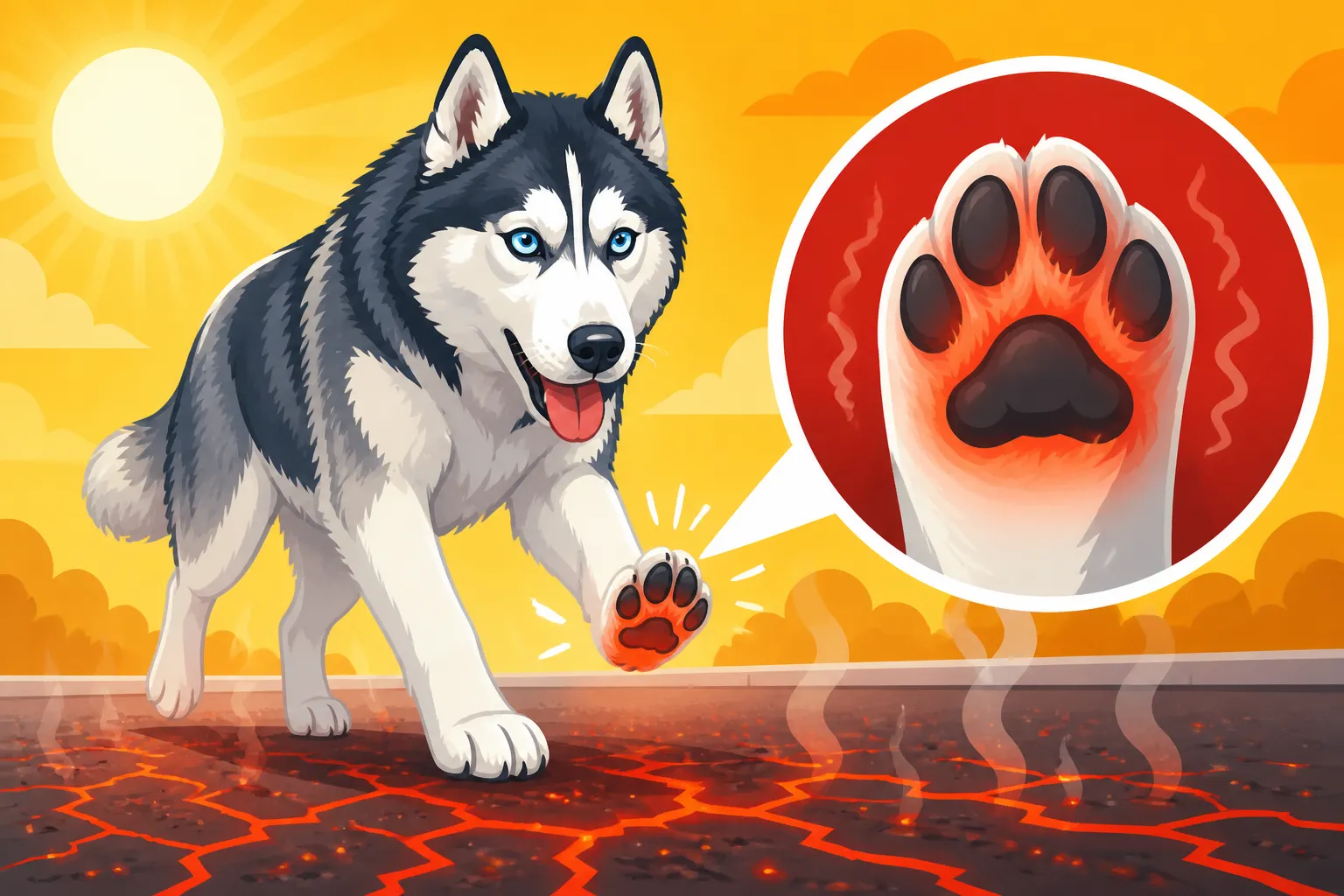
It's easy to forget how dramatically different the ground temperature can be from the air temperature, especially when you're wearing shoes. What feels like a warm, pleasant day to us can be a burning inferno for your Siberian Husky's paws. These magnificent dogs are built for cold climates, and while their double coats protect them from the elements, their paw pads, despite being tough, are still vulnerable to extreme heat.
Think about stepping barefoot on asphalt on a sunny afternoon. Ouch, right? Your Husky experiences that same intense heat, but they can't tell you in words how much it hurts or how damaging it can be. Unlike human feet, which have evolved to walk on various surfaces, a dog's paw pads are designed for traction and shock absorption, not necessarily for enduring prolonged contact with superheated man-made materials. The risk of burns is very real, very painful, and can lead to serious complications.
Beyond immediate pain, repeated exposure to hot surfaces can cause chronic issues. The pads can become cracked, dry, and more susceptible to injury or infection. Even seemingly minor burns can be incredibly painful, making walking unbearable for your dog and leading to limping, reluctance to move, or even permanent damage if not addressed. It’s a silent threat that every Husky owner needs to be acutely aware of.
Understanding Pavement Temperature Versus Air Temperature
This is where the rubber meets the road, quite literally. The air temperature you see on your phone or local weather report is not the temperature your Siberian Husky experiences on the ground. Dark surfaces like asphalt and concrete absorb and retain heat from the sun at a much higher rate, radiating it back up. This phenomenon creates a significant disparity that can easily fool us into thinking conditions are safe when they are anything but.
For instance, on a day when the air temperature is a comfortable 77°F (25°C), asphalt can reach a blistering 125°F (52°C). At 87°F (30°C) ambient temperature, the pavement can hit an alarming 143°F (62°C). These temperatures are not just uncomfortable; they are hot enough to cause severe burns to paw pads within minutes, sometimes even seconds. Imagine a frying pan – that's essentially what some pavements become on a sunny day.
This dramatic difference is why relying solely on the air temperature for your outdoor activity planning is a dangerous mistake for your Husky. Their paws are in direct contact with that radiating heat, and without proper precautions, they are at severe risk. We need to shift our thinking from what we feel to what their sensitive pads are experiencing down on the ground.
How to Test Pavement Temperature for Safety
The absolute best way to gauge if the pavement is too hot for your Siberian Husky is to use your own hand, specifically the back of your hand or your bare foot. This simple yet effective method is often called the "five-second rule," and it's something every dog owner should practice before stepping out. It gives you a direct, real-world measurement of the surface temperature, overriding any assumptions based on air temperature alone.
To apply the five-second rule, place the back of your hand flat on the pavement surface. Hold it there for a full five seconds. If it's too hot for you to comfortably keep your hand there for that duration, then it is definitely too hot for your Husky's paws. If you have to pull your hand away sooner due to discomfort or pain, then do not even consider walking your dog on that surface. It's a clear, unmistakable signal that you need to find an alternative.
This test should be performed on every new surface your Husky might walk on. Even if one patch of sidewalk feels okay, the asphalt street or a different section of concrete could be significantly hotter. Repeat the test frequently, especially if you move from shaded areas to direct sunlight. It's a small habit that can make a monumental difference in preventing painful paw pad burns. Timing Siberian Husky Walks in Hot Weather is something you'll want to master to avoid these high-heat periods.
When It's Safe to Walk Your Siberian Husky on Pavement
Determining safe walking times for your Siberian Husky during warmer months involves more than just glancing at a thermometer. It requires strategic planning and careful observation of both the environment and your dog's behavior. Generally, the safest times for pavement walks are early in the morning, before the sun has had a chance to heat the ground, and late in the evening, after the sun has set and surfaces have had ample time to cool down.
Even during these cooler parts of the day, the five-second rule is your non-negotiable friend. Just because the sun isn't directly overhead doesn't mean the pavement has sufficiently cooled. Concrete can retain heat for hours. Always check. Consider how humid it is, too, as high humidity can make dogs struggle with heat even when temperatures aren't extreme. The Temperature a Siberian Husky Starts Struggling At is often lower than you might expect.
On days where temperatures soar and even late evening walks feel too warm, it's best to stick to grassy areas, shaded trails, or even indoor exercise. A good sniff-walk around a park where most of the ground is grass is infinitely preferable to risking paw burns on hot concrete. Remember, your Husky's well-being is paramount, and skipping a traditional pavement walk for a safer alternative is always the right choice.
| Air Temperature (F/C) | Pavement Temperature (F/C) | Risk Level | Recommended Action |
|---|---|---|---|
| 77°F (25°C) | 125°F (52°C) | High | Avoid pavement, use paw protection. |
| 87°F (30°C) | 143°F (62°C) | Very High | Do not walk on pavement. |
| 90°F (32°C) | 149°F (65°C) | Extreme | Stay indoors or walk on cool grass. |
| Pavement Test: If you cannot hold your hand on the pavement for 5 seconds, it's too hot. |
Protecting Your Siberian Husky's Paws from Heat
Even when you're careful about timing and testing, there will be times when walking on pavement is unavoidable or you want to give your Husky a bit more freedom. This is where physical paw protection comes into play. Just like we wear shoes, your Husky can benefit from protective gear that creates a barrier between their sensitive pads and the hot ground.
Paw Booties and Shoes
Dog booties are often the first line of defense many owners consider for hot pavement. They come in various styles, materials, and levels of durability, offering a physical barrier against heat, rough terrain, and even cold or salt in winter. For summer heat, look for booties made of breathable, yet protective materials that offer good insulation from the ground. Brands like Ruffwear or Ultra Paws are often recommended by experienced mushers and dog sports enthusiasts for their durability and fit, and you can find a good selection on platforms like Chewy or Amazon.
Introducing booties to your Siberian Husky might take some patience. Huskies are notoriously clever and can be quite dramatic about new sensations on their feet! Start with short sessions indoors, offering lots of treats and praise. Let them wear the booties for just a few minutes, gradually increasing the time. When you first take them outside, keep walks short and distracting. Some Huskies will do the "bootie dance" (high stepping and shaking their feet) for a while, but most will adapt with consistent positive reinforcement. It's truly worth the effort to protect their paws from burns. Consider what you might have used for Booties for a Siberian Husky in Winter as a starting point.
Remember to ensure a proper fit. Booties that are too loose can rub and cause blisters, while those that are too tight can restrict circulation. Measure your Husky's paws carefully according to the manufacturer's instructions, and be prepared for some trial and error to find the perfect pair that stays on during their enthusiastic adventures.
Paw Balms and Waxes
While booties provide an excellent physical barrier, paw balms and waxes offer a different layer of protection, particularly for conditioning and minor heat deterrence. These products, often made with natural ingredients like beeswax, shea butter, or coconut oil, create a semi-permeable layer on the paw pads. They aren't a substitute for booties on scorching pavement, but they can help moisturize, soothe, and create a slightly thicker, more resilient pad that is less prone to drying and cracking from general environmental exposure.
Applying paw balm regularly can significantly improve the overall health and toughness of your Husky's paw pads. Healthy, supple pads are naturally more resistant to minor abrasions and irritation, making them slightly better equipped to handle less-than-ideal surfaces (though, again, not scalding hot ones). Brands like Musher's Secret or Bag Balm are popular choices, known for their protective and healing properties, and you can find them easily through retailers like Chewy.
To apply, simply rub a small amount onto your Husky's paw pads, working it in gently. Do this before walks, or even as part of their regular grooming routine. Always make sure the balm is fully absorbed before they walk on carpets or furniture to avoid greasy marks. This can be especially helpful if you're navigating urban environments where a completely grass-only route simply isn't feasible. Think of it as an extra layer of care, alongside strict adherence to the five-second rule. If your Husky already has dry or cracked pads, a good balm can do wonders for Paw Balm for a Cracked Siberian Husky Pad.
Seeking Out Alternative Walking Surfaces
This is perhaps the most straightforward and effective method: simply avoid hot pavement altogether. Whenever possible, seek out cooler, natural surfaces for your Husky's walks and exercise. This strategy is completely free and requires no special equipment, just a bit of planning and awareness of your surroundings.
Grassy fields, shaded dirt trails, or even damp sandy areas near natural water sources are excellent alternatives. These surfaces don't absorb and radiate heat in the same way asphalt and concrete do, staying significantly cooler. Many local parks, nature preserves, or even large, well-maintained backyards can provide ample opportunity for your Husky to stretch their legs without putting their paws at risk. Prioritize these cooler terrains during warmer months, especially during peak heat hours.
Even within a seemingly urban environment, you can often find cooler patches. Walking along the shady side of the street, sticking to areas under large trees, or utilizing grassy verges can make a huge difference. If you have a Siberian Husky That Panics in a Crate, these walks might be their only outdoor relief, so making them safe is paramount. Plan your routes in advance, looking for green spaces and tree-lined paths. This proactive approach ensures your Husky gets their much-needed exercise without the painful consequences of hot pavement.
Recognizing and Treating Paw Pad Burns
Despite our best efforts, accidents can happen. It's crucial for every Siberian Husky owner to know the signs of paw pad burns and how to provide immediate first aid, followed by appropriate veterinary care. Recognizing a burn quickly can prevent further damage and significantly improve your Husky's recovery time and comfort.
Signs of Burned Paw Pads
The initial signs of burned paw pads can range from subtle to obvious, depending on the severity of the burn. After a walk, especially if you suspect the ground might have been too hot, always inspect your Husky's paws. Look for any redness, blistering, or peeling of the paw pads. The pads might appear darker than usual, or even lighter if the outer layer of skin has peeled away.
Your Husky will also show behavioral signs of pain. They might limp, favor certain paws, or be reluctant to put weight on their feet. You might notice them lifting their paws frequently, licking or chewing at their pads excessively, or even vocalizing in discomfort. They may also be more irritable or lethargic than usual. If you see any of these signs, assume a burn has occurred and act quickly. Regular checks are important, especially if your Husky is prone to Cracked Siberian Husky Pad.
In more severe cases, the burns could lead to open wounds, infection, or a distinct, unpleasant odor. Swelling and tenderness are also common. If you observe any of these symptoms, don't delay – immediate action and professional veterinary attention are necessary. Never underestimate the pain a paw pad burn can cause; it's like a bad blister on the sole of your foot, only much harder for them to avoid using.
Immediate First Aid for Paw Burns
If you suspect your Siberian Husky has burned paw pads, the first step is to get them off the hot surface immediately and onto a cool, comfortable spot. Gently rinse their paws with cool (not cold or icy) water for about ten to fifteen minutes. This helps to cool the tissue and reduce inflammation. You can use a hose on a low setting, a cool bath, or even cool compresses. Avoid harsh chemicals, soaps, or any "home remedies" unless specifically advised by a vet.
After cooling, gently pat their paws dry with a clean towel. Do not rub, as this can irritate the burned skin further. Apply a light, non-stick dressing to the burned pads to keep them clean and prevent infection. You can use sterile gauze pads secured with a self-adhering bandage (like Vet Wrap) but make sure it’s not too tight, which could cut off circulation. You can also apply a thin layer of a veterinarian-approved antibiotic ointment, if you have one.
The next crucial step is to contact your veterinarian. Even if the burns appear minor, a vet can properly assess the extent of the injury, clean the wounds, and prescribe appropriate pain relief and antibiotics if needed. They can also advise on proper bandaging techniques and follow-up care. Never try to self-diagnose or treat severe burns, as they can quickly become infected and lead to serious complications. Siberian Husky Eye Pain and Sudden Squinting is an emergency, and paw burns, while different, also require swift attention.
When to Seek Veterinary Care
Always err on the side of caution when it comes to paw pad burns. Any suspected burn should warrant a call to your veterinarian. They can guide you on whether an immediate visit is necessary or if home care is sufficient in milder cases. However, certain signs definitely mean you need to get your Husky to the clinic right away.
If you see blistering, open wounds, exposed tissue, signs of infection (pus, foul odor), or if your Husky is in severe pain, refusing to walk, or showing systemic signs of illness (lethargy, fever), it's an emergency. A veterinarian can thoroughly clean the wounds, debride any dead tissue, provide pain management, and prescribe antibiotics to prevent or treat infection. They might also apply specialized bandages or recommend protective boots for healing.
Healing from paw pad burns can take time and requires diligence. Your vet will likely advise keeping the paws clean and dry, changing dressings regularly, and restricting your Husky's activity to allow the pads to heal without further trauma. Ignoring or improperly treating paw pad burns can lead to chronic pain, permanent scarring, and recurring infections, so prompt and professional care is absolutely essential for your beloved Siberian Husky. Always be mindful of your dog's overall health, and keep up with their Siberian Husky Vet Visits by Life Stage.
Disclaimer
This article is for general informational purposes only and does not constitute professional advice. Laws, prices and regulations vary by location and change over time. Consult a qualified professional for guidance on your specific situation.