Timing Siberian Husky Walks in Hot Weather
One of the biggest heartbreaks for a Siberian Husky owner in warmer climates, or even during a brutal summer in a traditionally cooler area, is looking into those bright, eager eyes and knowing that a proper walk, a real run, just isn't safe. You want your Husky to be happy and exercised, but you also know their dense double coat and incredible energy can quickly turn a fun outing into a dangerous situation. This guide is all about navigating those challenging warm weather days, helping you understand how to safely exercise your Siberian Husky without risking their health, focusing on the critical aspect of timing their walks.
Understanding Your Siberian Husky's Heat Tolerance
Siberian Huskies are magnificent dogs, built for endurance in cold climates. This is a fundamental part of their charm and their challenge. Their physical makeup, especially that iconic coat, is a double-edged sword when the mercury rises. Ignoring their innate design can lead to serious health issues, so understanding their physiological limits is the first step in responsible warm-weather care.
The Double Coat Dilemma
Let's talk about that glorious double coat. It’s what keeps them looking so majestic and what protected their ancestors in the Siberian wastes. This coat isn't just one layer; it's a dense, soft undercoat for insulation and a coarser, water-repellent outer coat of guard hairs. In winter, this system traps warm air close to their body, protecting them from extreme cold. However, in summer, it acts like a fantastic insulator against both heat and cold. It helps keep them cool by preventing the sun's rays from reaching their skin and allowing air to circulate.
The critical misunderstanding many people have is thinking a Husky must be hot because of all that fur, and that shaving them will help. This is a dangerous misconception. Shaving a Husky actually removes their natural insulation, exposing their sensitive skin to harsh UV rays and compromising their ability to regulate temperature. Their coat is designed to be efficient; it’s our job to understand how it works and not interfere with it. Why a Shaved Siberian Husky Overheats explains more about the dangers of shaving.
During their seasonal "coat blow," when they shed their entire undercoat, it can seem like an endless battle against fur. This natural process is their body's way of preparing for warmer weather by shedding the super-dense winter undercoat for a lighter summer version. Regular grooming during these times is crucial, not just for your sanity and your vacuum cleaner, but to help that air circulation happen more effectively. But even with a "lighter" summer coat, they are still prone to overheating if exercised at the wrong time.
Signs Your Husky Is Overheating
Recognizing the subtle signs of overheating early can literally be a lifesaver. Huskies are stoic, and sometimes their "tough" nature can mask initial discomfort. The most obvious sign is excessive panting, often heavier and more rapid than normal after exertion. Their tongue might appear very wide and long, and their gums might be a brighter red than usual. As they get hotter, you might notice thick, ropey saliva.
Beyond panting, keep an eye out for changes in their behavior. They might start slowing down, appearing lethargic, or even stumbling. Their eyes might look glassy or dazed. Some Huskies will actively seek shade or water, which is a clear indicator they're feeling the heat. More advanced signs include vomiting, diarrhea, a wobbly gait, or even collapsing. These are emergency situations. Knowing Panting That Means Trouble in a Siberian Husky can help you differentiate normal panting from concerning signs.
It’s easy to dismiss early signs, especially if your Husky is usually full of boundless energy, but taking these warnings seriously is paramount. If you see any of these signs, stop the activity immediately, get them into the shade, offer water, and begin cooling them down. Don't wait until they're collapsing; act at the first hint of discomfort.
The Best Times for Summer Walks
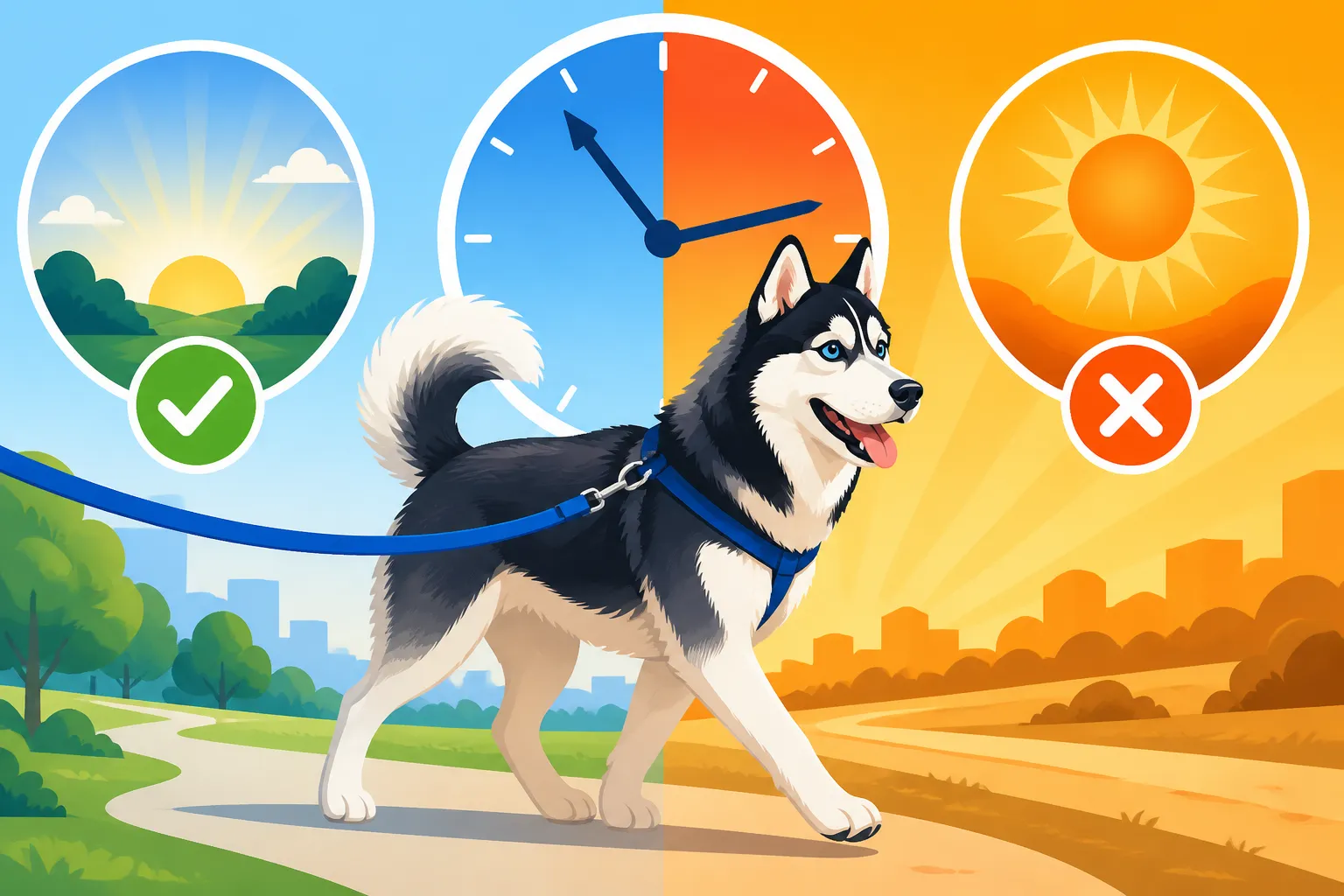
When the sun is blazing and the air is thick with humidity, the timing of your Siberian Husky's exercise becomes the single most important factor in keeping them safe. There are specific windows of opportunity during the day when the temperature is most favorable for their sensitive systems.
Early Morning Adventures
Hands down, the earliest part of the morning is almost always your best bet for a meaningful walk or run with your Siberian Husky during warm months. Think sunrise or even before. The air temperature will be at its lowest point of the 24-hour cycle, having had the entire night to cool down. Crucially, the pavement, asphalt, and concrete surfaces will also be at their coolest. These surfaces retain heat for a long time, so even if the air feels okay mid-morning, the ground can still be dangerously hot.
Consider your routine. If you can manage a walk between 5:00 AM and 7:00 AM, you're usually in the sweet spot. This allows your Husky to get their exercise in before the sun truly starts to exert its power and before the ambient temperature begins its steady climb. Plus, there's a certain peacefulness to those early morning hours that both you and your Husky might enjoy – fewer cars, fewer people, and often a beautiful sunrise. Just be sure to always carry water for both of you, even if it feels cool out.
Planning your morning means setting the alarm a little earlier, but the payoff in your Husky's health and happiness is immense. This also gives them time to digest any breakfast and relax before the heat of the day truly sets in. A good morning outing can help stave off destructive behaviors that often stem from pent-up energy, especially as they get older. How Much Exercise a Siberian Husky Really Needs can help you plan the right intensity for these morning sessions.
Late Evening Strolls
If an early morning walk just isn't feasible for your schedule, the late evening is your next best option. This means waiting until well after sunset, once the sun has been down for a few hours and the air, and more importantly, the ground, has had a chance to cool significantly. Again, don't just rely on how the air feels to you; those hard surfaces can radiate heat for a long time into the night.
Typically, walks between 9:00 PM and 11:00 PM are safer, depending on your local climate and how hot the day was. On extremely hot days, you might even need to push it later. This timing allows for a cooler, more comfortable experience for your Husky, reducing the risk of heat stress. It’s also often a quieter time, which can be nice for a dog that likes to "talk" to every passing squirrel or person.
Just like with morning walks, always bring plenty of water. Headlamps for you and reflective gear for your Husky are highly recommended for visibility during these darker hours. While it's not ideal for high-intensity exercise that requires broad daylight, a good, long sniffy walk or a moderate jog can still provide valuable physical and mental stimulation. Remember, even in the evening, watch for signs of overheating, as residual heat can still be a factor.
Assessing the Environment Beyond the Thermometer
It’s easy to just glance at the weather app and see a temperature, but for a Siberian Husky, there’s so much more to consider than just the number on the screen. The actual conditions on the ground and in the air can vastly differ from a general forecast, and these specifics are critical for your Husky’s safety.
The Pavement Test
This is perhaps the most crucial, yet often overlooked, assessment for hot weather walks. Asphalt and concrete absorb and retain heat far more effectively than air does. On a sunny 80-degree Fahrenheit day, the pavement can easily reach 120-140 degrees Fahrenheit. Imagine walking barefoot on that! Your Husky’s paw pads, while tough, are not immune to burning. Severe burns can be incredibly painful and take a long time to heal, making every step agony. Hot Pavement Under Siberian Husky Paws delves deeper into this often-ignored danger.
Before you even consider stepping out, place the back of your hand or your bare foot flat on the pavement for at least seven seconds. If it's too hot for you to hold it there comfortably, it's definitely too hot for your Husky’s paws. It's that simple. Don't rationalize it; if it's hot, don't walk on it. This test applies to any hard surface, including sidewalks, parking lots, and even some artificial turf.
If the pavement fails the test, but the air temperature feels okay, try to find grassy areas for your walk. Parks, trails with natural surfaces, or even a shaded portion of your own yard can be alternatives. Just be vigilant about checking these surfaces too, especially if they've been in direct sunlight for an extended period. Better yet, stick to the early morning or late evening timing when all surfaces have had a chance to cool.
Humidity and Air Movement
Temperature is only one piece of the puzzle. Humidity plays an enormous role in how well your Siberian Husky can cool themselves. Dogs primarily cool down by panting, which works by evaporating moisture from their tongue and respiratory tract. When the air is already saturated with moisture (high humidity), this evaporative cooling process becomes far less efficient. It’s like trying to dry clothes in a very humid environment – it just doesn't work as well.
Even on a day that might seem like a moderate temperature, high humidity can make it feel much hotter to your Husky and significantly increase their risk of overheating. A 75-degree day with 90% humidity can be more dangerous for a Husky than an 85-degree day with low humidity. This is why checking the "feels like" temperature, which factors in humidity, can be more informative than the actual air temperature alone.
Air movement, or lack thereof, is another vital consideration. A gentle breeze can make a world of difference by helping to carry away the heat from your Husky’s body and improve the efficiency of their panting. Stagnant, still air, especially in a sheltered or urban environment where heat can get trapped, will quickly exacerbate heat stress. Avoid enclosed areas with poor air circulation, such as concrete dog parks without shade, during warm and humid conditions. The combination of heat, humidity, and still air is a recipe for disaster for a Siberian Husky.
Essential Gear and Preparations for Hot Weather Walks
Once you've nailed down the timing and assessed the environment, the next step is ensuring you have the right tools and preparations in place. Smart gear choices and careful planning can further mitigate the risks of warm-weather walks, making them as safe and comfortable as possible for your adventurous Husky.
Hydration is Non-Negotiable
This might sound obvious, but it’s easy to underestimate how much water your Siberian Husky needs when it’s warm, especially during and after exercise. Always, always carry water with you on walks, even short ones. A portable dog water bottle with an attached bowl or a collapsible bowl is an absolute must-have. You can find excellent options for these on sites like Amazon or Chewy, making it easy to keep your Husky hydrated on the go.
Offer water frequently throughout the walk, not just at the end. Small, regular sips are better than allowing them to gulp a large amount all at once, which can sometimes lead to stomach upset. Watch their tongue and gums – if they look dry or sticky, they are already dehydrated. It's a good idea to ensure they have access to fresh water before leaving the house and immediately upon returning. For longer excursions, consider bringing a small cooler with ice and extra water to keep it refreshingly cool. Water Intake for a Siberian Husky After Running can give you more specific guidance on post-exercise hydration.
It's also worth thinking about how you'll store water at home. A ceramic or stainless steel bowl keeps water cooler than plastic. Consider adding a few ice cubes to their water bowl throughout the day, or even making large ice blocks with a few treats frozen inside for them to lick and cool down with. This helps encourage consistent water intake when they're simply lounging around the house.
Cooling Accessories and Harness Choices
Beyond water, there are several accessories that can aid your Husky in staying cool. Cooling vests or bandanas, often soaked in cold water, can provide temporary relief by facilitating evaporative cooling from their chest and neck areas. Look for options made with lightweight, breathable materials. Some popular brands offer these, and they can be found easily through online pet retailers. However, be cautious not to over-rely on them; they are aids, not solutions for walking in dangerously hot conditions. Also, remember Cooling a Siberian Husky Without Wetting the Undercoat is key to proper temperature regulation, so use these sparingly and appropriately.
When it comes to harnesses, choose one that is well-ventilated and doesn't trap heat against their body. Avoid thick, heavy harnesses that cover a large portion of their back or chest. A simple, well-fitting Y-front harness with minimal padding and breathable mesh can be a good choice. While some people opt for booties to protect paws from hot pavement, remember that dogs sweat through their paw pads, so covering them can sometimes trap heat. The best solution for hot pavement is to avoid it altogether.
For times when you just need to get through a small stretch of hot pavement to reach a grassy area, booties can offer temporary protection. If you use them, ensure they fit well and don't restrict natural paw movement. Another useful tool at home are Cooling Mats and Fans for a Siberian Husky. These provide a cool spot for your Husky to relax indoors, which is especially important after a short, early morning walk.
| Condition | Ideal Walk Time | Pavement Test | Humidity Factor | Recommended Gear |
|---|---|---|---|---|
| Mild Heat | Early Morning, Late Eve | Barely Warm | Moderate | Portable water bottle, breathable harness |
| Moderate Heat | Pre-dawn, Late Night | Cool | Low-Moderate | Water, cooling bandana (wet), light harness |
| High Heat/Humidity | Avoid Walks Entirely | Too Hot | High | N/A (Indoor activities only) |
| Pavement Hot | Grass/Dirt Trails Only | Too Hot | Irrelevant (paws still burn) | Paw protection (booties for short distances) |
When to Skip the Walk Entirely
Sometimes, despite all the planning and precautions, the conditions are simply too dangerous for your Siberian Husky to be out. Recognizing these high-risk days and having alternative plans is crucial for their well-being. It’s a tough decision for an owner of an energetic breed, but it’s a non-negotiable one for their safety.
Recognizing High-Risk Days
There are clear indicators that a walk is a bad idea, no matter how much your Husky wants to go. Firstly, if the air temperature is consistently above 80-85 degrees Fahrenheit, and especially if combined with high humidity, it's a no-go. The Temperature a Siberian Husky Starts Struggling At offers more insight into their specific thresholds. The "pavement test" should be your ultimate decider – if it's too hot for your hand, it's too hot for paws. Don't try to justify it.
Secondly, pay attention to local weather alerts. Heat advisories, excessive heat warnings, or air quality alerts often signal conditions that are unsafe for outdoor activity for both humans and pets. These aren't just for people; they're vital information for knowing when to keep your Husky safely indoors. If you're questioning whether it's too hot, err on the side of caution. A missed walk is far better than a trip to the emergency vet for heatstroke. Heat Stroke Risk in a Siberian Husky is a serious threat that you want to avoid at all costs.
Remember, your Siberian Husky doesn't understand the concept of a heat advisory. They'll greet you at the door with enthusiasm, ready to go, regardless of the scorching sun. It’s your responsibility to be their protector and make the smart, safe decision for them. Their desire for activity shouldn't override your common sense in dangerous conditions.
Alternative Mental and Physical Stimulation
Skipping a walk doesn't mean your Siberian Husky's energy and intelligence go unused. This breed thrives on mental challenges just as much as physical ones, and there are plenty of ways to burn off steam indoors. Puzzle toys, for example, can keep their minds engaged for extended periods as they figure out how to get treats or kibble out. Many companies like Chewy offer a wide variety of interactive toys designed for strong chewers and clever dogs.
Indoor games like "hide and seek" (with you or a favorite toy), teaching new tricks, or practicing obedience commands in short, engaging sessions can be highly effective. You can create an indoor "agility" course with household items for them to navigate. Even a simple game of fetch down a long hallway can help, as long as your floors offer good traction and you're not over-exerting them indoors. These activities prevent boredom, which is often the root cause of destructive behaviors in Huskies who aren't getting enough stimulation.
Another fantastic option is frozen Kongs or lick mats spread with safe, freezable treats like plain yogurt, peanut butter (xylitol-free!), or mashed banana. These can keep a Husky occupied and cool for a good while, providing both mental engagement and a refreshing treat. The key is to be creative and committed to providing outlets for their intelligent, active minds when outdoor conditions aren't safe.
Recovering from a Too-Warm Walk
Even with the best intentions and careful timing, sometimes a walk might end up being too warm, or your Husky might show signs of distress. Knowing how to react quickly and effectively can make a significant difference in preventing a bad situation from becoming critical. Prompt action is paramount.
First Aid for Overheating
If you notice your Siberian Husky showing any signs of overheating during or immediately after a walk, your priority is to cool them down gradually and effectively. First, stop all activity and move them to a cool, shaded area immediately. Offer them small amounts of cool (not ice-cold) water to drink. Never force water if they’re struggling to swallow.
Next, focus on cooling their body. Use cool, wet cloths or towels and apply them to pulse points: the neck, armpits, and groin area. You can also wet their paw pads. If you have access to a hose, wet the ground around them (not directly on them initially, as a sudden cold shock can be detrimental) and let them stand in the cooler water. Cooling a Siberian Husky Down Fast emphasizes the importance of gradual cooling. Avoid submerging them in ice-cold water or applying ice packs directly to their skin, as this can cause the blood vessels to constrict, trapping heat inside their core.
Remember, the goal is to bring their body temperature down slowly. Continue these cooling measures for 10-15 minutes, or until their panting begins to subside and they seem more alert. Throughout this process, keep an eye on their gums; they should return to a healthy pink color. If they don't show improvement, or if their condition worsens, it's time for immediate veterinary attention.
When to Seek Veterinary Help
While home first aid can be effective for mild overheating, there are definite signs that indicate a veterinary emergency. If your Husky’s panting is extreme and doesn't lessen with cooling, if they become disoriented, wobbly, collapse, start vomiting or having diarrhea, or if their gums appear very dark red, purple, or pale, get them to the nearest emergency vet clinic immediately. Don't wait to see if they'll "get better." Time is critical when dealing with heatstroke.
Before heading out, it's always a good idea to know the location and contact information for your nearest 24-hour emergency veterinary hospital, especially during warmer months. Let them know you're on your way with an overheated dog so they can prepare for your arrival. During transport, keep the car air conditioning on high, direct vents towards your Husky, and continue applying cool, wet cloths if possible.
The vet will be able to assess the severity of the heatstroke, check for organ damage, and provide more aggressive cooling treatments and supportive care, such as IV fluids. Even if your Husky seems to recover quickly at home, it's often wise to consult with your vet if they showed significant signs of distress. Heatstroke can have lasting effects, and a professional check-up can ensure there are no underlying complications.
Disclaimer
This article is for general informational purposes only and does not constitute professional advice. Laws, prices and regulations vary by location and change over time. Consult a qualified professional for guidance on your specific situation.