Senior Food for a Siberian Husky Past Ten
It’s a funny thing with Siberian Huskies, isn’t it? Just when you think you’ve got their unique metabolism all figured out for their prime years, they hit that ten-year mark, and suddenly you’re wondering if everything you knew about feeding them needs to be thrown out the window. Many owners feel lost, trying to navigate the sea of "senior dog food" advice that often doesn't quite fit our energetic, though aging, Northern dogs. This guide is here to help you understand the specific dietary needs of your senior Siberian Husky and how to choose the best food to keep them thriving into their golden years.
Understanding the Aging Siberian Husky Metabolism
When your Siberian Husky crosses that ten-year threshold, it's natural to start thinking about "senior" changes. For many breeds, this means a significant slowdown, weight gain, and a drastic cut in calories. But if you're a Husky owner, you already know your furry friend often defies conventional dog wisdom! Their unique metabolism means that their aging process, and therefore their dietary needs, can be a little different from what you might expect for other breeds of a similar size.
Why Their Metabolism Stays Efficient (Mostly)
One of the most remarkable traits of the Siberian Husky is their incredibly efficient metabolism. Bred for endurance in harsh conditions, they are masters at utilizing calories without packing on unnecessary weight. This often holds true even as they age. While a Labrador Retriever or a Golden Retriever might start to gain weight almost imperceptibly as they move into their senior years and their activity decreases, your Husky might still be a lean, mean running machine, albeit a slightly slower one. Many owners find themselves frustrated, thinking their senior Husky should be eating less, but their dog's body condition remains trim. It's not uncommon to hear of a ten-year-old Husky still demanding and burning off a substantial amount of food, just maybe not quite as much as they did in their younger racing days.
Subtle Shifts in Energy Needs
While their metabolism largely remains efficient, there are subtle shifts. That daily five-mile bikejor might turn into a leisurely two-mile walk, or perhaps they're less inclined to zoom around the backyard with the same youthful abandon. This decrease in intense, sustained activity does mean their overall caloric output will drop. However, it's not usually a dramatic plummet. Instead, think of it as a gradual tapering. They might still have bursts of energy, but the consistency of that high-level energy expenditure diminishes. This means that while you might not need to halve their food, a slight reduction or a careful watch on their body condition is definitely in order. The goal isn't to starve them, but to match their intake to their actual, slightly lower, energy demands to prevent even subtle, unhealthy weight gain.
Potential Health Concerns That Impact Diet
As your Husky ages, certain health concerns can begin to crop up that will directly influence their dietary needs. Joint pain from arthritis, for instance, might make it harder for them to move, which in turn reduces their activity level and caloric burn. You might notice them A Siberian Husky Limping After Long Runs or generally being slower to get up. Dental problems are also incredibly common in older dogs, and a painful mouth can make eating dry kibble uncomfortable, even if they still have a good appetite. Some Huskies might also experience changes in their thyroid function, leading to a duller coat or subtle weight fluctuations, as discussed in Siberian Husky Thyroid and Autoimmune Disease. Even though Huskies have a relatively low rate of hip dysplasia, as covered in Where Siberian Huskies Rank on Hip Dysplasia, general wear and tear on joints is a reality for any senior dog. Addressing these underlying health issues with your veterinarian will be paramount, as dietary adjustments often go hand-in-hand with medical management.
Key Nutritional Considerations for Senior Huskies
Moving past the initial shock of having a senior dog who still thinks they're a puppy, it’s time to get specific about the nutrients your older Siberian Husky needs. Forget the blanket statements you might read about senior diets; your Husky often requires a tailored approach that respects their unique physiology while addressing the realities of aging.
Protein: Maintaining Muscle Mass
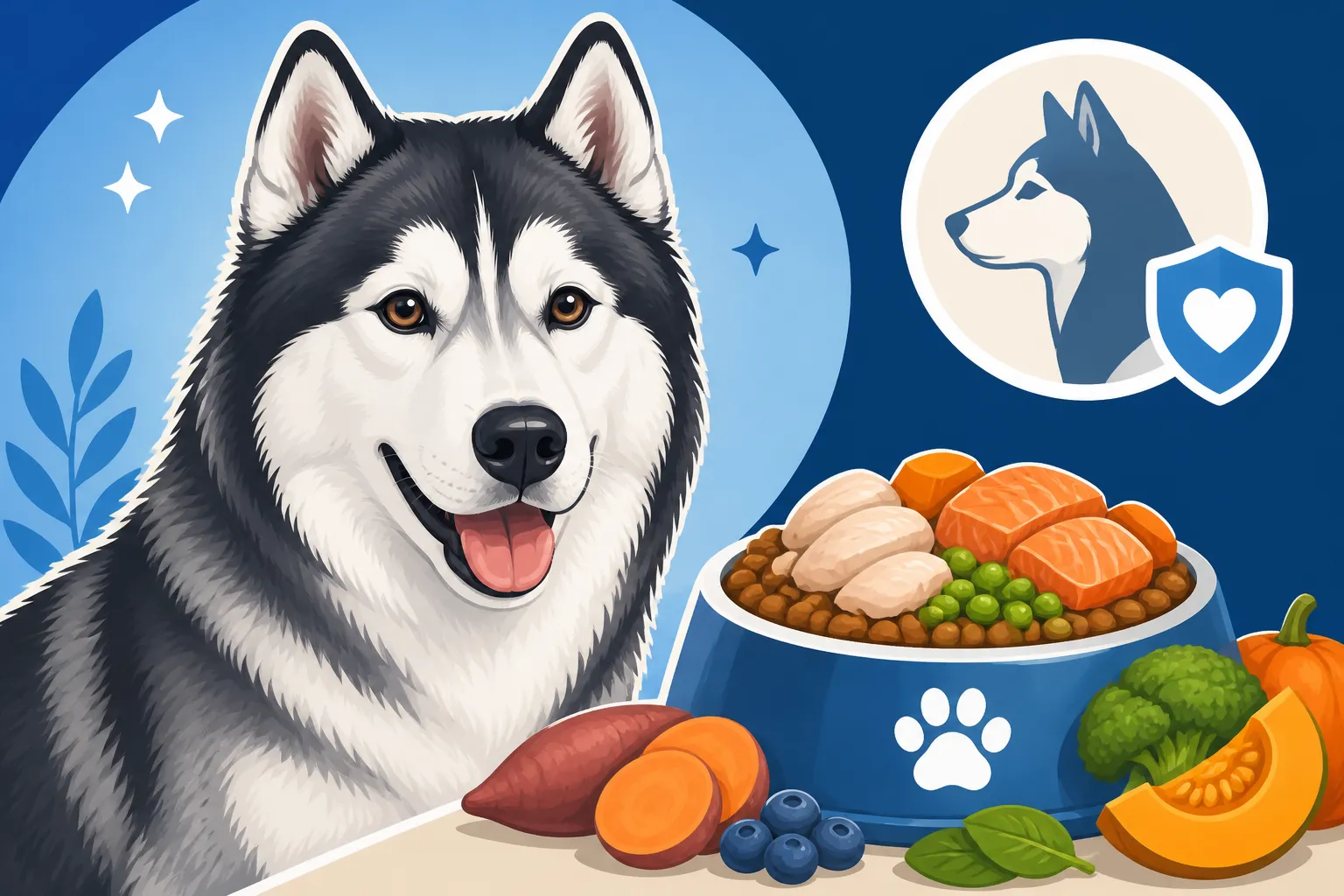
One of the biggest concerns for aging dogs, including our Huskies, is sarcopenia – the age-related loss of muscle mass. It's a natural process, but we can do a lot to slow its progression and support strong, healthy muscles. This is where high-quality protein comes in. Many older dogs actually need more protein, not less, to maintain their muscle mass. The old adage that high protein is bad for senior dog kidneys has largely been debunked, unless your dog already has diagnosed kidney disease and your vet has specifically prescribed a low-protein diet. For a healthy senior Husky, look for a diet with easily digestible, high-quality animal proteins as the first few ingredients. Think chicken, turkey, beef, or fish. This helps to counteract muscle wasting, keeping them strong and mobile for as long as possible, whether they're still doing light runs or just getting up from a nap.
Fat: Quality Over Quantity
Fat often gets a bad rap, but it’s a crucial energy source and essential for nutrient absorption and a healthy coat. For a senior Husky, the type and balance of fat become even more important. While they might not need the extremely high-fat content of a working sled dog, they still benefit from good quality fats. Focus on foods that include healthy sources like chicken fat, salmon oil, flaxseed, or sunflower oil. These often provide essential Omega-3 and Omega-6 fatty acids. Omega-3s, in particular, are fantastic for reducing inflammation, which can be a huge benefit for aching joints, and they also support skin and coat health. Since Huskies are prone to certain dermatological conditions like zinc-responsive dermatosis (which you can read more about in Zinc-Responsive Dermatosis in the Siberian Husky), maintaining skin integrity through good nutrition is always a plus. Keep an eye on the overall fat content; if your Husky's activity has significantly decreased, too much fat could lead to gradual weight gain, even with their efficient metabolism.
Fiber and Digestion: Keeping Things Moving
As dogs age, their digestive system can become a little less robust. Constipation can be a common issue, and a healthy gut is crucial for nutrient absorption and overall well-being. This is where fiber plays a vital role. Adequate fiber helps to keep bowel movements regular and supports a healthy microbiome in the gut. Look for foods that include natural sources of fiber like beet pulp, peas, sweet potatoes, or pumpkin. However, too much fiber can reduce nutrient absorption, so it’s about finding the right balance. If your Husky seems to be struggling with digestion, or you notice changes in their stool, discussing fiber content with your vet or trying a food formulated for digestive health might be beneficial.
Joint Support and Antioxidants
Joint health is a huge consideration for any senior dog. Even with their generally good hips, Huskies will experience age-related wear and tear. Many senior dog foods incorporate ingredients aimed at supporting joint health, such as glucosamine and chondroitin. These are the building blocks of cartilage and can help maintain joint fluidity and reduce inflammation. Antioxidants, like Vitamin E, Vitamin C, and selenium, are also important. They help to combat oxidative stress and cellular damage that naturally occurs with aging, supporting the immune system and overall cellular health. Think of them as tiny warriors fighting off the effects of time on your Husky's body. You'll often find these added to higher-quality senior formulas.
Choosing and Transitioning to Senior Husky Food
Deciding it's time to switch your senior Siberian Husky to new food can feel like a daunting task, especially with so many options out there. But remember, the goal is to support their health and comfort through their golden years, and the right food makes a huge difference.
Deciphering "Senior" Formulas
Here's the rub: the term "senior dog food" isn't strictly regulated in the same way "puppy" or "adult" formulas are. This means that one brand's "senior" formula might be dramatically different from another's. Some "senior" foods are very low in calories and fat, designed for truly inactive, obese older dogs. For an active senior Siberian Husky, this kind of formula could actually be detrimental, leaving them feeling hungry and potentially losing muscle mass.
It's crucial to read the labels carefully. Look at the protein, fat, and fiber percentages. Does it align with the needs we just discussed – higher quality protein, balanced fats, and adequate fiber? Don't just pick a bag because it says "senior." Instead, consider it a starting point for further investigation into the specific nutrient profile. Think about your individual Husky: are they still quite active? Are they starting to slow down considerably? Do they have any specific health issues? Your answers will guide you to the right "senior" formulation, or even sometimes, a highly digestible adult food that meets their needs.
When and How to Make the Switch
The "when" is often signaled by subtle changes in your Husky. You might notice they're a bit slower on walks, less interested in intense play, or maybe they're just not maintaining their ideal weight on their current adult food. Sometimes, a vet might recommend a switch due to an emerging health condition. Generally, for Huskies, who often maintain good energy levels, the switch typically happens around 8-10 years old, but it truly depends on the individual dog.
The "how" is critical for avoiding an upset stomach. Huskies, like many dogs, have sensitive digestive systems and a sudden change in food can lead to diarrhea or vomiting. The key is a slow, gradual transition over 7-10 days:
- Days 1-2: 75% old food, 25% new food.
- Days 3-4: 50% old food, 50% new food.
- Days 5-6: 25% old food, 75% new food.
- Days 7-10: 100% new food.
Watch your Husky closely during this period. If they show any digestive upset, slow the transition down even further, giving their system more time to adjust. This gradual approach is similar to how you would Moving a Siberian Husky Off Puppy Food to adult food, ensuring minimal stress on their digestive system.
Wet, Dry, or Fresh? Exploring Options
The world of dog food has expanded dramatically, offering more choices than ever before. For a senior Husky, this variety can be a blessing, especially if they develop dental issues or become pickier eaters.
- Dry Kibble: This is the most common and often most economical choice. If your Husky has good teeth and enjoys kibble, many high-quality senior dry foods are excellent. You can find a vast selection on sites like Chewy or Amazon.
- Wet Food: For Huskies with dental pain, decreased appetite, or those who need extra hydration, wet food can be a fantastic option. It’s often more palatable and easier to chew. You can feed it exclusively or mix it with kibble to entice them.
- Fresh Food (Cooked/Raw): Brands like Ollie offer human-grade, gently cooked, or raw food options. These can be incredibly appealing to senior dogs, particularly those who have become finicky. The higher moisture content and often softer texture are big plusses. If considering a raw diet, ensure you do thorough research and consult with your vet or a veterinary nutritionist to ensure it's balanced and safe for your senior.
- Homemade Diets: With vet guidance, a homemade diet can be a wonderful way to tailor nutrition specifically to your senior Husky’s needs. However, it's crucial that these diets are balanced and complete. Simply cooking chicken and rice isn't enough for long-term health and can lead to nutrient deficiencies.
Hydration and Palatability
Hydration is paramount for all dogs, but especially for seniors. Their kidneys might not be as efficient, and they can sometimes drink less if they're not as active. Always ensure fresh water is available. If your senior Husky isn't drinking enough, consider adding water or low-sodium broth to their kibble, or incorporating more wet food into their diet.
Palatability can also become an issue. Some older Huskies simply lose a bit of their zest for food. Warming wet food slightly, adding a spoonful of plain yogurt, or mixing in some pureed pumpkin can make meals more enticing. Just like us, sometimes they just need a little extra encouragement to eat.
Monitoring and Adjusting Your Senior Husky's Diet
Choosing the right senior food is only the first step. The true art of feeding an aging Siberian Husky lies in continuous monitoring and making adjustments as their needs evolve. Their bodies are changing, and their diet should be a dynamic part of their care.
Weight Checks and Body Condition Scoring
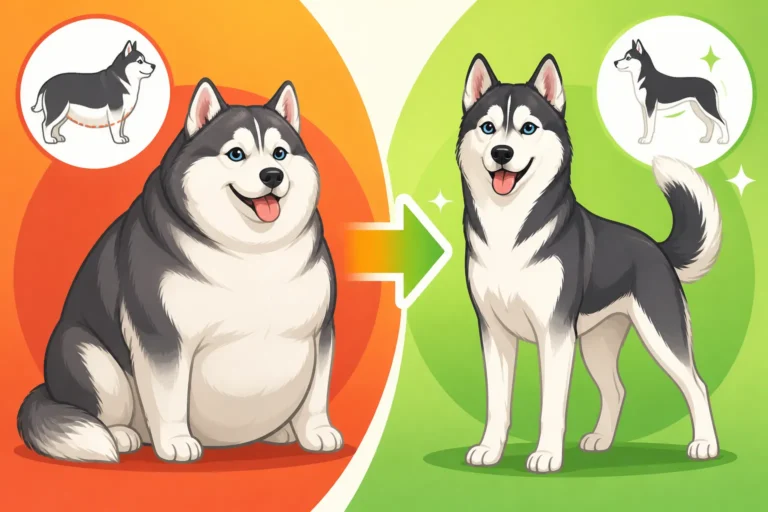
This is one of the most important things you can do regularly. Your eyes can deceive you, especially with a thick-coated breed like a Husky. What looks "normal" can sometimes hide subtle weight loss or gain. You'll want to regularly assess their body condition score. You should be able to easily feel, but not necessarily see, their ribs. There should be a noticeable tuck-up at their waist when viewed from above, and their spine and hip bones shouldn't be protruding.
A simple way to do this is to run your hands along their sides. If you can easily feel their ribs without pressing, they're likely at a good weight. If you have to press firmly to feel them, they might be overweight. If you can see their ribs without effort, they might be too thin. Consistent monitoring, perhaps weekly or bi-weekly, will help you catch any changes early. Keeping track of The Weight a Siberian Husky Should Hold is important. This hands-on check is far more reliable than just looking or relying on the scale alone, especially when trying to Feeling for a Waist Under a Siberian Husky Coat through all that glorious fur.
Regular Vet Consultations
Your veterinarian is your most valuable partner in your senior Husky’s health journey. Regular check-ups become even more crucial as they age, typically twice a year. During these visits, your vet can conduct a thorough physical exam, discuss any changes in appetite or activity, and perform blood work to check organ function, such as kidney and liver values. Kidney Values in an Aging Siberian Husky are particularly important as they can influence dietary recommendations. These appointments are the perfect time to discuss your Husky's diet. Your vet can offer specific recommendations based on their health status, weight, and any developing conditions. They might suggest particular therapeutic diets if, for example, your Husky develops kidney disease, heart disease, or severe arthritis. These regular Siberian Husky Vet Visits by Life Stage are not just about vaccinations; they're comprehensive health assessments.
Supplements: Are They Necessary?
The market is flooded with supplements for senior dogs, and it can be overwhelming to know what, if anything, your Husky actually needs. While a high-quality senior dog food will contain many beneficial ingredients, some older Huskies might benefit from additional supplementation.
Common supplements for seniors include:
- Joint Supplements: Glucosamine, chondroitin, and MSM can help support cartilage health and reduce inflammation in arthritic joints.
- Omega-3 Fatty Acids: Often found in fish oil, these are excellent for reducing inflammation, supporting brain health, and maintaining skin and coat quality.
- Probiotics: If your Husky experiences digestive upset or a sensitive stomach, probiotics can help maintain a healthy gut microbiome.
- Antioxidants: Additional antioxidants can further support the immune system and protect cells from damage.
However, never start your senior Husky on supplements without consulting your veterinarian first. Some supplements can interact with medications or might not be appropriate for certain health conditions. Your vet can help you determine if a supplement is truly necessary and recommend the correct dosage. They can help you sift through the marketing claims and figure out which Supplements Worth Buying for a Siberian Husky are genuinely beneficial for your dog.
Remember, a holistic approach that combines proper nutrition, regular vet care, appropriate exercise, and lots of love will give your senior Siberian Husky the best chance at a long, comfortable, and happy golden age.
Here's a quick comparison of general nutritional goals for adult vs. senior Siberian Huskies:
| Nutrient/Factor | Adult Siberian Husky (Prime) | Senior Siberian Husky (10+ Years) |
|---|---|---|
| Protein | 25-30% (High, for muscle maintenance and energy) | 25-32% (High-quality, easily digestible for muscle preservation) |
| Fat | 15-20% (Higher for energy for active dogs) | 12-18% (Balanced, focus on healthy Omega-3s; slightly less if sedentary) |
| Fiber | Moderate (2-5% for healthy digestion) | Moderate to slightly higher (3-7% for digestive regularity) |
| Calories | Relatively high, but efficient usage; ~25-30 cal/lb | Slightly reduced, adjusted to activity level; ~20-25 cal/lb (monitor closely) |
| Joint Support | Usually not a primary focus in food | Often includes Glucosamine, Chondroitin for mobility |
| Antioxidants | Present for general health | Enhanced levels (Vit E, C, Selenium) for immune and cell health |
| Dental Care | Important, but diet often less critical | Softer texture or added dental support often beneficial |
| Hydration | Essential | Critical; consider wet food or adding water to kibble |
Disclaimer
This article is for general informational purposes only and does not constitute professional advice. Laws, prices and regulations vary by location and change over time. Consult a qualified professional for guidance on your specific situation.