Where Siberian Huskies Rank on Hip Dysplasia
It's a common worry among prospective large-breed dog owners: the dreaded shadow of hip dysplasia. We often hear tales of expensive surgeries, chronic pain, and limited mobility, leading many to assume that any active, medium-to-large dog breed will inevitably face this challenge. While this concern is incredibly valid for many breeds, the good news for Siberian Husky enthusiasts is that their beloved companions often buck this trend. This comprehensive guide will explore the surprising reality of where Siberian Huskies truly rank when it comes to hip dysplasia, delving into why they're generally less affected and what you can do to keep their joints healthy throughout their adventurous lives.
What Exactly Is Canine Hip Dysplasia?
Before we dive into the specifics of Siberian Huskies, let's get a clear understanding of what hip dysplasia actually entails. It’s not just a fancy vet term; it's a genuine orthopedic condition that can cause significant discomfort and impact a dog's quality of life. Owners often feel a deep sense of guilt or frustration when their dog is diagnosed, wondering if they did something wrong, but understanding the root cause can help alleviate some of that burden.
The Mechanics of a Dysplastic Hip
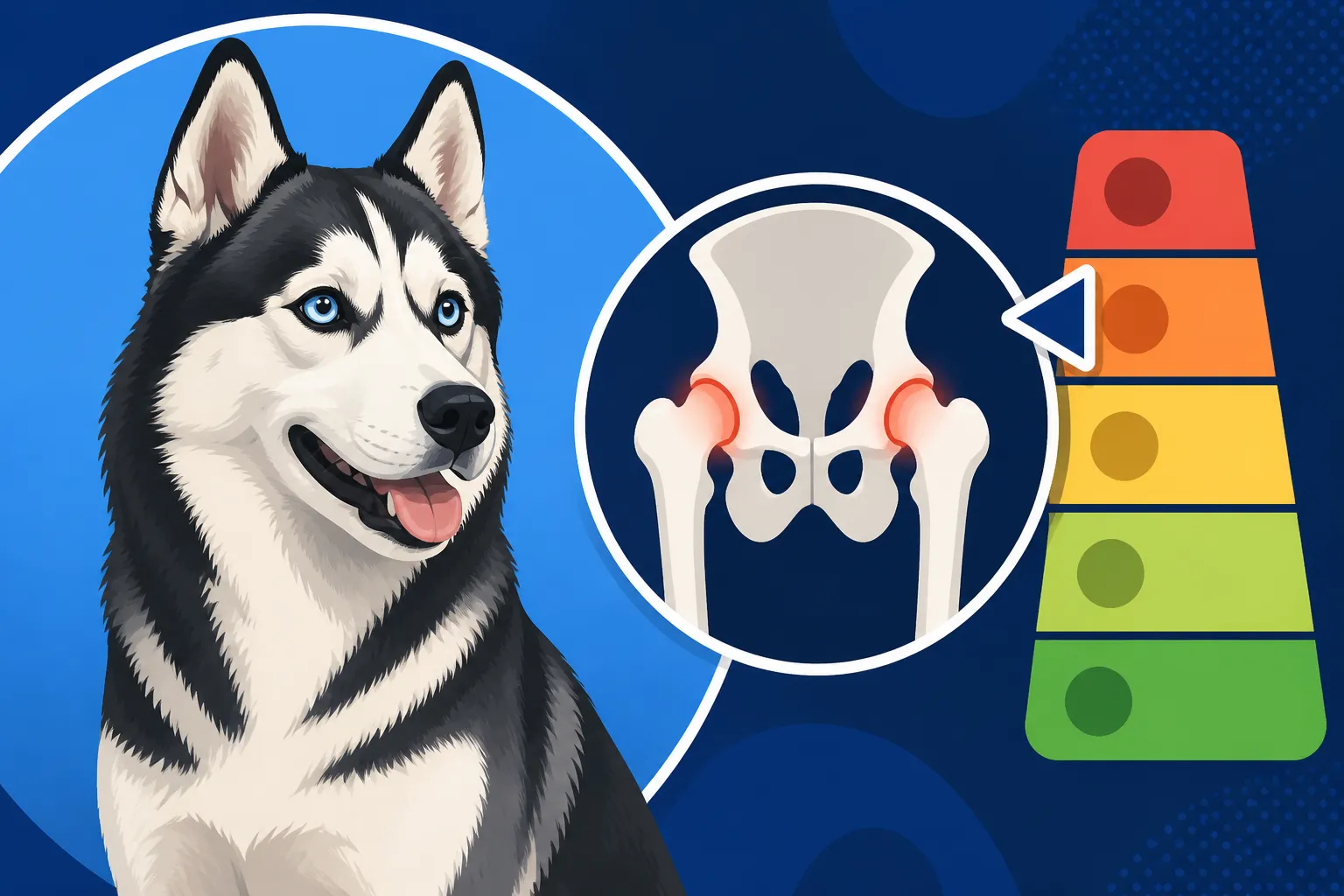
Imagine a perfectly formed ball-and-socket joint – that's what a healthy hip is supposed to be. The "ball" (the head of the femur, or thigh bone) sits snugly within the "socket" (the acetabulum, part of the pelvis). This snug fit allows for smooth, pain-free movement, much like a well-oiled machine. In a dog with hip dysplasia, this ideal fit is compromised. Instead of a tight connection, there's a degree of looseness, or "laxity," in the joint.
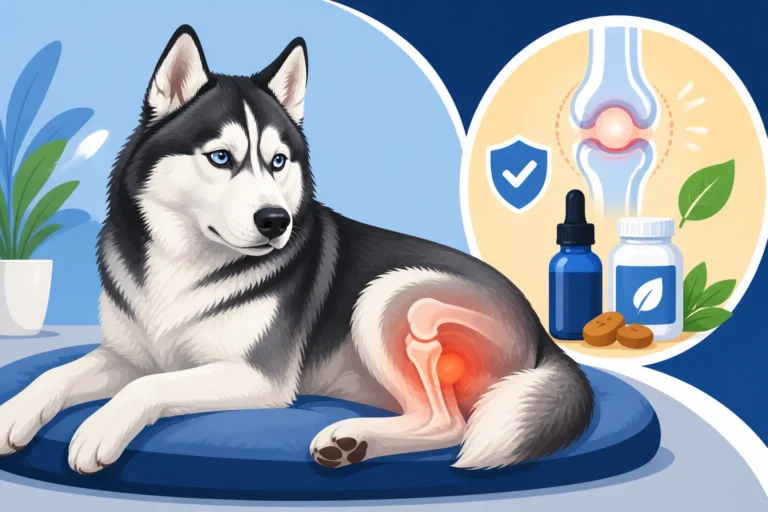
This laxity means the ball and socket don't grow at the same rate or in perfect synchronization. Over time, as the dog moves, this ill-fitting joint causes abnormal wear and tear on the cartilage and bone surfaces. The constant rubbing and grinding lead to inflammation, pain, and eventually, degenerative joint disease or osteoarthritis. You might observe your dog favoring one leg, struggling to get up after resting, or showing reluctance to jump into the car – all classic signs of the chronic pain these dogs endure as the joint deteriorates. It's a progressive condition, meaning it tends to worsen over time without intervention, leading to debilitating stiffness and discomfort.
How Hip Dysplasia is Diagnosed
Diagnosing hip dysplasia typically begins with a thorough physical examination by your veterinarian, especially if you've noticed any lameness, a bunny-hopping gait, or difficulty with everyday movements. They'll manipulate your dog's hips, listening for tell-tale "clicks" or feeling for excessive laxity. However, the definitive diagnosis relies on imaging, primarily X-rays.
There are two main widely accepted methods for evaluating hip health via X-rays in dogs: the Orthopedic Foundation for Animals (OFA) evaluation and the PennHIP method. The OFA certification process involves specific radiographic views of the hips, typically taken after the dog is 24 months old, though preliminary evaluations can be done earlier. These X-rays are then submitted to a panel of veterinary radiologists who grade the hips based on specific criteria, assigning ratings like Excellent, Good, Fair (all considered passing), Borderline, or Dysplastic (Mild, Moderate, Severe). Understanding Reading a Siberian Husky's OFA Hip Result can be incredibly insightful for owners navigating this process. The PennHIP method, on the other hand, can be performed on dogs as young as 16 weeks and measures hip laxity quantitatively, providing a distraction index that helps predict the likelihood of developing osteoarthritis. Both methods offer valuable insights, but the OFA is often the standard for breeding certifications in many circles.
The Surprising Truth About Siberian Husky Hip Health
Now that we've covered the basics of hip dysplasia, let's get to the heart of the matter for our Husky friends. Despite their medium-to-large size and incredibly active nature, Siberian Huskies consistently demonstrate a remarkably low incidence of hip dysplasia compared to many other popular breeds. This often comes as a pleasant surprise to new owners who might have braced themselves for the worst.
Deciphering the OFA Statistics for Huskies
When you look at the official data from the Orthopedic Foundation for Animals (OFA), the picture for Siberian Huskies is overwhelmingly positive. According to OFA statistics, Siberian Huskies consistently rank among breeds with one of the lowest rates of hip dysplasia. While exact percentages can fluctuate slightly year by year and vary by region, the average incidence of hip dysplasia for Siberian Huskies typically falls in the low single digits, often between 2% and 5%.
To put that into perspective, consider other popular medium-to-large breeds where rates can climb into the double digits – sometimes well over 20% or even 30% for certain breeds. This means that if you own a Siberian Husky, the statistical likelihood of them developing hip dysplasia is significantly lower than for many other dogs of comparable size. This isn't to say it's impossible, of course; every dog is an individual. However, the breed as a whole possesses a genetic resilience in this area that many other breeds unfortunately lack. This excellent standing is a testament to the careful breeding practices by those who understood their unique physical requirements.
Why Siberian Husky Hips Have a Low Rate
So, what makes the Siberian Husky so fortunate in the hip department? It largely boils down to a combination of their historical purpose, their unique physiology, and perhaps their broader genetic diversity. These dogs weren't bred for brute strength or massive size, but for endurance and efficiency. This difference in design intent is critical to understanding their robust joint health.
Siberian Huskies were developed by the Chukchi people in northeastern Siberia specifically for pulling light loads rapidly over vast, frozen distances. This required a dog with an incredibly efficient, well-balanced gait and strong, agile joints – not bulky, heavy ones. Their moderate bone structure, coupled with powerful musculature, allows for fluid movement without putting excessive stress on their hip joints. Unlike many breeds where larger size or a more "square" build was emphasized, the Husky's build is all about lean athleticism. This natural selection for dogs capable of sustained, agile movement over unforgiving terrain inherently favored those with sound joint structure, leading to Why Siberian Husky Hips and Why the Rate Is Low. Moreover, the breed's relatively untouched lineage for many generations, maintaining a functional purpose, has helped preserve these desirable traits.
Comparing Huskies to Other Breeds: A Stark Contrast
To truly appreciate the Siberian Husky's favorable hip health, it helps to compare them to breeds that are notoriously predisposed to hip dysplasia. The contrast highlights just how lucky Husky owners are in this regard and underscores the importance of breed-specific knowledge.
High-Risk Breeds vs. the Husky
Let's look at some other common breeds that frequently appear on the "high-risk" list for hip dysplasia. Breeds like German Shepherds, Labrador Retrievers, Golden Retrievers, Rottweilers, and Saint Bernards often show much higher incidences of hip dysplasia in OFA statistics. For instance, German Shepherds frequently show rates upwards of 20%, and some Mastiff-type breeds can have even higher numbers.
When you bring home a German Shepherd puppy, for example, there's a very real and significant chance that you'll be dealing with hip dysplasia at some point in their life, even with careful breeding. For a Siberian Husky, that chance is dramatically lower. This isn't to say these other breeds are inherently "bad" – far from it. They are wonderful dogs, but their breed standards and historical purposes sometimes came at the cost of joint longevity. A German Shepherd was often bred for strength and protection, a Labrador for retrieving heavy game, and a Saint Bernard for massive size and rescue work. These roles, and the physical characteristics selected for them, unfortunately contribute to a higher predisposition for joint issues.
Why Some Breeds Struggle More
The reasons certain breeds struggle more with hip dysplasia are multifaceted, often combining genetics, growth rates, and conformation. Breeds that grow very rapidly in puppyhood, especially giant breeds, put immense stress on their developing joints. If the ligaments and muscles around the hip joint don't develop quickly enough to keep pace with bone growth, the joint can become loose, leading to dysplasia.
Moreover, the sheer weight and bulk of some large breeds can exacerbate any underlying laxity. Imagine the forces at play on the hips of a 150-pound Saint Bernard compared to a 50-pound Siberian Husky. Even a perfectly formed joint experiences more stress under greater weight. Specific genetic predispositions also play a huge role. Years of selective breeding for certain aesthetic traits or working abilities, without equal emphasis on hip soundness, have inadvertently created populations where the genes for hip dysplasia are more prevalent. This is why responsible breeders of high-risk breeds put so much emphasis on thorough health testing and often go beyond just OFA to include PennHIP evaluations.
Here’s a comparative look at estimated hip dysplasia rates across various breeds:
| Breed | Estimated OFA Dysplasia Rate (Avg.) | Common Build/Purpose | Hip Dysplasia Risk Level |
|---|---|---|---|
| Siberian Husky | 2% – 5% | Agile, endurance, light-pulling sled dog | Very Low |
| German Shepherd Dog | 15% – 25% | Strong, protective, working dog | High |
| Labrador Retriever | 10% – 15% | Energetic, retrieving, medium-large | Moderate to High |
| Golden Retriever | 10% – 15% | Friendly, retrieving, medium-large | Moderate to High |
| Rottweiler | 15% – 20% | Powerful, guarding, heavy-boned | High |
| Saint Bernard | 20% – 30% | Giant, rescue, heavy-boned | Very High |
| Bernese Mountain Dog | 15% – 25% | Large, carting, strong | High |
| Australian Shepherd | 5% – 10% | Medium, agile, herding | Moderate |
Note: These are approximate ranges and can vary based on individual lines and specific OFA reporting periods. Always consult official OFA data for the most current statistics.
Beyond Genetics: Environmental Factors and Prevention
While Siberian Huskies are genetically predisposed to good hip health, genetics are not the only factor at play. Environmental elements, especially during puppyhood and adolescence, can significantly influence how healthy those hips remain throughout a dog's life. Even with the best genes, improper care can tip the scales.
The Role of Diet and Exercise in Hip Health
Nutrition is paramount, especially for a growing puppy. Overfeeding a puppy, particularly a medium or large breed, can lead to excessively rapid growth, which puts undue stress on developing joints. This can exacerbate any minor predispositions to hip laxity or even trigger dysplasia in dogs that might otherwise have developed sound hips. It’s not just about how much food, but the quality of food. A balanced diet formulated for puppies of their size (though Siberian Huskies don't typically need large breed puppy food due to their moderate growth rate) is crucial. Always follow feeding guidelines for your specific food and monitor your puppy’s body condition, aiming for a lean, athletic build.
When it comes to exercise, it’s all about balance, especially for a growing Husky. Puppies need play and activity to develop strong muscles and healthy bones, but excessive, high-impact activities should be avoided until their growth plates have closed. This means no forced long runs, intense jumping, or repetitive stair climbing on hard surfaces until they are at least 12-18 months old. Free play in a safe, soft environment is ideal. Once mature, consistent, appropriate exercise helps build and maintain strong muscles around the hip joints, providing natural support and stability. For more on this, you might find valuable insights in articles like Harness Work Damages a Young Husky's Joints or Siberian Husky Weight and Joint Health. Maintaining a healthy weight throughout their life is perhaps one of the most impactful things you can do to protect their joints, as excess weight dramatically increases the load on their hips.
Health Testing Before You Buy a Siberian Husky
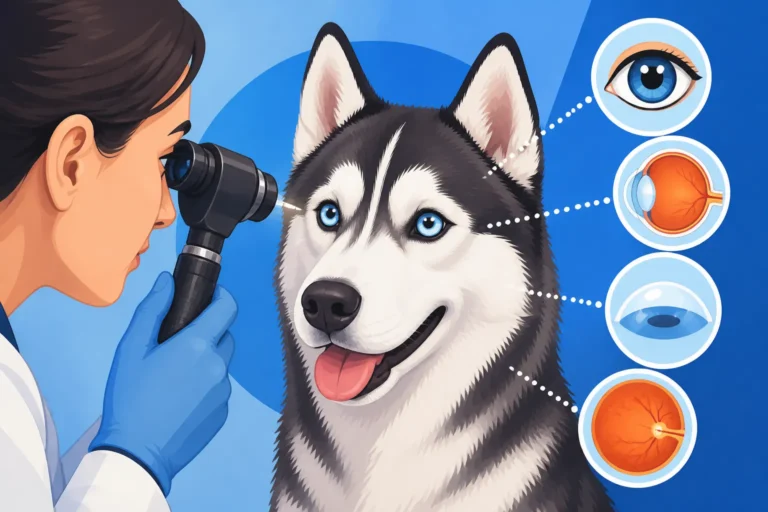
Even with their excellent breed statistics, selecting a puppy from responsible breeders who prioritize health testing is always the smartest choice. A good breeder will be transparent about the health of their breeding stock and will have performed OFA or PennHIP evaluations on the parents. This due diligence dramatically reduces the already low risk of hip dysplasia in your future companion. It's not just about hips either; responsible breeders will test for other common Husky health issues, such as eye diseases. Learning about Health Testing Before You Buy a Siberian Husky is fundamental.
When you visit a breeder, ask to see the health certificates for both parents. Don't be shy! A reputable breeder will be proud to share these documents and explain what they mean. You'll want to see passing OFA hip evaluations (Excellent, Good, or Fair) and potentially elbow evaluations, as well as current eye certifications from a veterinary ophthalmologist. Understanding Reading a Siberian Husky Puppy's Health Paperwork will empower you to make an informed decision. While the risk is low, knowing the lineage is sound provides an extra layer of confidence. Even with the best preventative care and genetic screening, sometimes unforeseen issues arise, and that's where having a good pet insurance plan from a provider like Healthy Paws can offer immense peace of mind.
Managing Hip Dysplasia if it Occurs
Despite their low incidence, it's not impossible for a Siberian Husky to develop hip dysplasia. If your Husky is one of the rare cases to be diagnosed with this condition, it's important to understand that there are many ways to manage it and ensure they maintain a good quality of life. The journey can be challenging, but you're not alone.
Early Detection and Conservative Management
The sooner hip dysplasia is detected, the more options you'll have for managing it effectively. Pay close attention to subtle changes in your Husky's behavior or movement. Are they less enthusiastic about walks? Do they hesitate before jumping into the car or onto the couch? Do they seem stiff after resting, or are they licking at their hips excessively? These could be early indicators. Catching Early Arthritis Signs in a Siberian Husky can make a significant difference in outcomes. Regular veterinary check-ups are also crucial, as your vet can perform an orthopedic exam even before you notice obvious symptoms.
For mild to moderate cases, or for dogs that aren't surgical candidates, conservative management is often the first line of defense. This approach focuses on pain relief, reducing inflammation, and supporting joint health. It typically includes a combination of:
- Weight Management: Crucial for reducing stress on already compromised joints.
- Controlled Exercise: Low-impact activities like swimming or leash walks on soft surfaces can help maintain muscle mass without overstraining joints.
- Physical Therapy: Techniques like hydrotherapy, massage, and therapeutic exercises can improve flexibility and strengthen supporting muscles.
- Medication: Non-steroidal anti-inflammatory drugs (NSAIDs) and other pain relievers are often prescribed to manage discomfort.
- Joint Supplements: Glucosamine, chondroitin, and omega-3 fatty acids can help support cartilage health and reduce inflammation.
- Alternative Therapies: Acupuncture and chiropractic care may also offer relief for some dogs.
Many owners find that a multifaceted conservative approach allows their Huskies to live comfortably and actively for many years.
Surgical Interventions and Long-Term Care
When conservative management isn't enough, or in severe cases, surgical interventions may be considered. The choice of surgery depends on the dog's age, severity of dysplasia, and the presence of osteoarthritis. Common surgical options include:
- Femoral Head Ostectomy (FHO): This procedure involves removing the head of the femur. The body then forms a "false joint" with scar tissue, which, while not a perfect ball-and-socket, can alleviate pain. It's often considered for smaller, lighter dogs, or when a total hip replacement isn't feasible.
- Triple Pelvic Osteotomy (TPO) / Double Pelvic Osteotomy (DPO): These procedures are typically performed on younger dogs before significant osteoarthritis develops. They involve cutting and rotating parts of the pelvis to improve the congruence of the hip joint.
- Total Hip Replacement (THR): Considered the gold standard, this involves replacing the damaged ball and socket with prosthetic implants. It offers the best chance for complete pain relief and restoration of function, but it's a complex and expensive procedure.
Recovery from any of these surgeries requires dedicated aftercare, including strict rest, pain management, and extensive physical rehabilitation. The commitment to post-operative care is just as important as the surgery itself. For those navigating the complexities of joint pain in older Huskies, resources like Pain Management for an Arthritic Siberian Husky can be invaluable. Should your Husky ever need extensive diagnostics or surgery, especially if other unexpected health concerns arise, having a plan from Healthy Paws can significantly lighten the financial burden, covering a large percentage of those costly veterinary bills. While Siberian Huskies are generally robust, proactive care, including routine vet visits and even considering pet insurance from a reputable provider like Healthy Paws, can help you manage any health concerns that may arise, ensuring your adventurous companion stays happy and healthy.
Disclaimer
This article is for general informational purposes only and does not constitute professional advice. Laws, prices and regulations vary by location and change over time. Consult a qualified professional for guidance on your specific situation.