Siberian Husky Hips and Why the Rate Is Low
One of the biggest worries for any large breed dog owner is the specter of hip dysplasia, a heartbreaking condition that can steal a dog's mobility and quality of life. Many prospective Siberian Husky owners approach the breed with this heavy concern, assuming that a dog of their size and activity level must be highly susceptible. But here's the good news, and perhaps a surprising fact for some: Siberian Huskies actually have one of the lowest rates of hip dysplasia among medium to large breeds. This guide is going to take a deep dive into why this is, what makes their hips so robust, and what you, as a dedicated owner, can do to keep your husky’s hips happy and healthy throughout their adventurous life.
Debunking the Myths Around Siberian Husky Hip Health
It's natural to associate larger, active breeds with a higher risk of joint problems, especially hip dysplasia. After all, we often hear about this condition in breeds like German Shepherds, Labradors, and Golden Retrievers. So, when people hear that Siberian Huskies are incredibly active and medium-to-large, their minds often jump to potential hip issues. However, the reality for Huskies is quite different, and understanding the condition itself helps clarify why this breed stands out.
What Hip Dysplasia Actually Is
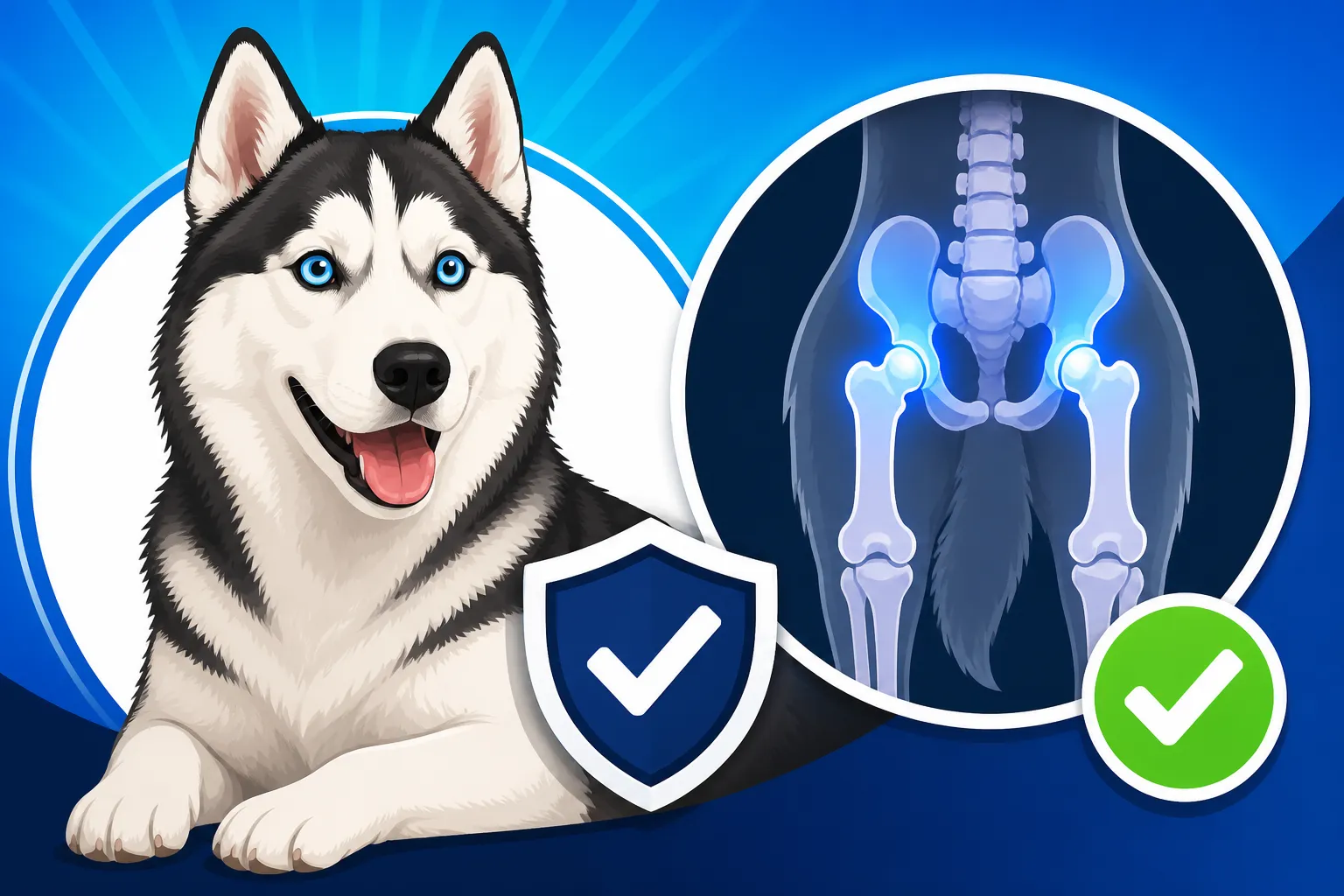
Hip dysplasia isn't just a simple joint ache; it's a complex, often inherited condition where the ball and socket of the hip joint don't fit or develop properly. Imagine a poorly constructed hinge on a door – over time, it grinds, wears down, and eventually causes pain and limits movement. In dogs, the "ball" (the head of the femur) and the "socket" (the acetabulum in the pelvis) become loose, leading to instability, abnormal wear and tear, and eventually degenerative joint disease (arthritis). This can manifest as anything from a subtle limp to severe, debilitating pain and lameness, especially after exercise or prolonged rest.
The progression of hip dysplasia isn't always straightforward. Some dogs might show signs very young, while others compensate for years before clinical signs appear. Environmental factors, such as rapid growth from overfeeding, excessive or inappropriate exercise during puppyhood, and even slippery floors, can exacerbate an underlying genetic predisposition. It's truly a heartbreaking diagnosis, watching your once-energetic companion struggle with every step, and it’s why so many of us are so vigilant about hip health.
Why the Breed's Reputation is Often Misunderstood
The misconception that Siberian Huskies are prone to hip dysplasia likely stems from a broader generalization about larger dog breeds. People see their athletic build, their drive to run, and their medium-to-large size, and they might mistakenly lump them in with breeds known for higher rates of the condition. However, the Siberian Husky's specific genetic heritage and the selective breeding practices of their originators tell a different story.
Unlike many breeds developed for specific tasks involving heavy impact or powerful, bulky builds, Huskies were bred for endurance and light, efficient trotting over long distances in harsh conditions. This meant selecting for animals with sound, functional joints that wouldn't break down easily, but also weren't carrying excessive weight. Their genetics prioritized fluidity and resilience, not mass. This historical context is often overlooked, leading to an incorrect assumption about their vulnerability. It's a common frustration when a breed is stereotyped, and Huskies often suffer from misunderstandings about their needs and genetic predispositions.
The Siberian Husky's Blueprint for Sound Hips
To truly appreciate why Siberian Huskies generally boast such robust hip health, we need to look back at their origins and understand the unique "blueprint" that nature and generations of careful breeding instilled in them. They weren't just randomly put together; they were forged by necessity.
A Deep Dive into Their Ancestral Purpose
The Siberian Husky’s ancestors were working dogs, developed by the Chukchi people in northeastern Siberia thousands of years ago. These dogs weren't bred for fighting, guarding, or even hunting large game where brute strength was paramount. Instead, their primary role was pulling light loads over vast, often frozen, distances at a moderate pace. Think about that for a moment: long-distance travel, day after day, week after week, in some of the most unforgiving climates on Earth.
This demanding lifestyle meant that only dogs with incredibly efficient metabolisms and, crucially, structurally sound joints could survive and thrive. A dog with faulty hips would quickly become a liability, unable to keep up with the team, and certainly wouldn't be chosen for breeding. This natural selection, combined with the Chukchi's intentional breeding for endurance, stamina, and efficient movement, inadvertently created a dog with hips built for longevity and low impact, rather than high-impact bursts of power that can stress joints. They needed to move gracefully and tirelessly, not powerfully and jarringly.
Genetic Factors at Play
Beyond their ancestral purpose, the specific genetic makeup of the Siberian Husky plays a huge role in their low incidence of hip dysplasia. While hip dysplasia is considered a polygenic trait (meaning multiple genes contribute to it, not just one), the gene pool of the Siberian Husky appears to have a lower prevalence of the genes associated with severe hip laxity and malformation compared to some other breeds. This isn't to say it's impossible for a Husky to develop hip dysplasia – genetics are complex, and no breed is entirely immune – but the odds are significantly lower.
This robust genetic heritage is a testament to the purity of their original breeding lines and the isolation of their development. For centuries, these dogs were primarily bred within a relatively closed population in Siberia, focusing on utilitarian traits vital for survival and work. This intense selection pressure for functional soundness meant that genetic traits leading to debilitating conditions like hip dysplasia were naturally weeded out over generations, rather than inadvertently perpetuated. This strong genetic foundation is why many diligent breeders today continue to prioritize genetic health in their breeding programs, building on this inherent strength. You can learn more about specific health testing for the breed by checking out our guide on Health Testing Before You Buy a Siberian Husky.
Unique Conformation and Movement
Take a moment to watch a Siberian Husky move. There’s a distinctive fluidity, an effortless trot that covers ground with minimal effort. This isn't just aesthetic; it's functional. Their conformation – their physical structure – is ideally suited for their original purpose and contributes significantly to their sound hips. They have a moderately angulated rear, which means the angles of their bones allow for a smooth, efficient stride without excessive stress on the joints.
Compared to some larger, heavier breeds that might have a broader stance or more pronounced angulation designed for powerful bursts, the Husky's build is lighter and more streamlined. They carry less overall mass, which reduces the load on their hip joints. Their deep chests and strong backs also contribute to overall balance and support. Their gait is often described as smooth and seemingly tireless, characterized by a light-footedness that further minimizes concussive forces on their joints. This combination of lighter build, balanced angulation, and efficient gait means their hips are less prone to the mechanical wear and tear that can accelerate hip dysplasia in genetically predisposed dogs.
Understanding the Data: OFA and PennHIP
When we talk about hip health in dogs, two major organizations often come up: the Orthopedic Foundation for Animals (OFA) and PennHIP. These organizations provide screening and evaluation services that help breeders make informed decisions and give prospective owners a clearer picture of a dog's orthopedic health. The data collected by these registries really drives home just how well Siberian Huskies typically fare.
Navigating Orthopedic Foundation for Animals (OFA) Scores
The OFA database is widely recognized and used by breeders to screen for hip and elbow dysplasia, among other genetic health conditions. For hip evaluations, a dog must be at least 24 months old to receive a final OFA certification. A veterinarian takes specific X-rays of the dog's hips, and these radiographs are then evaluated by three independent board-certified veterinary radiologists. They assess the joint congruence, presence of degenerative changes, and other indicators to assign one of seven ratings: Excellent, Good, Fair (all considered "passing" or "normal"), Borderline, Mild, Moderate, or Severe (the latter three indicating dysplasia).
When you look at the OFA statistics for Siberian Huskies, the numbers are quite compelling. The breed consistently shows a very high percentage of normal hip scores (Excellent, Good, or Fair). This is a strong indicator of the breed's overall soundness. Understanding how to interpret these results, such as by Reading a Siberian Husky's OFA Hip Result, is crucial for anyone looking to bring a puppy into their home. Breeders who are truly committed to the health of their lines will proudly share OFA certificates, demonstrating their dedication to screening. It also helps to know The Age a Siberian Husky Can Be OFA Certified so you understand the timeframe for official evaluations.
PennHIP Evaluations and What They Reveal
PennHIP is another valuable hip screening method, developed by the University of Pennsylvania. Unlike OFA, PennHIP can be performed on dogs as young as 16 weeks (though often done closer to 4-6 months, or even later) and focuses on quantitative measurements of hip laxity, which is often a precursor to hip dysplasia. It involves three distinct radiographs: a distraction view, a compression view, and a standard extended view. The distraction view, in particular, measures how loose the hip joint is – a key indicator of potential dysplasia.
The results are reported as a Distraction Index (DI), a numerical value ranging from 0 to 1.0, where 0 indicates no laxity and 1.0 indicates maximum laxity. Each dog's DI is compared to the DI of other dogs within the same breed, giving a percentile ranking. A dog with a DI closer to 0 is less likely to develop hip dysplasia. What’s significant about PennHIP is its ability to identify hip laxity much earlier than OFA and its generally higher accuracy in predicting future hip dysplasia risk. For Siberian Huskies, PennHIP data also confirms their favorable hip health, with the breed's average DI often being lower, indicating tighter hips on average, compared to many other breeds.
How Siberian Huskies Stack Up Statistically
Let's get down to the numbers, because this is where the Siberian Husky truly shines. According to OFA statistics, Siberian Huskies consistently rank among the breeds with the lowest incidence of hip dysplasia. While the exact percentages can fluctuate slightly year to year, typically, less than 5% of Siberian Huskies screened by OFA receive a dysplastic rating. This is a remarkably low figure when you consider that many popular breeds have rates ranging from 15% to well over 20%.
To put this into perspective, here's a simplified comparison based on general OFA data for common breeds:
| Breed | Approximate OFA Hip Dysplasia Rate (Percentage Dysplastic) |
|---|---|
| German Shepherd Dog | 20-25% |
| Labrador Retriever | 10-15% |
| Golden Retriever | 15-20% |
| Rottweiler | 15-20% |
| Bernese Mountain Dog | 10-15% |
| Akita | 10-15% |
| Boxer | 5-10% |
| Australian Shepherd | 5-10% |
| Siberian Husky | <5% |
This table vividly illustrates why Siberian Huskies are often highlighted for their excellent hip health. Their numbers are consistently at the lower end of the spectrum, offering significant reassurance to prospective owners who might be concerned about this particular orthopedic issue. It doesn't mean you can skip due diligence, but it certainly suggests a breed with a strong, inherent advantage. These statistics are a huge part of why many breed enthusiasts advocate so strongly for the breed's natural soundness.
Nurturing Healthy Hips from Puppyhood to Adulthood
Even with a strong genetic predisposition for healthy hips, responsible ownership plays a crucial role in ensuring your Siberian Husky maintains optimal joint health throughout their life. Genetics provide the foundation, but environment and care build the structure.
The Critical Role of Responsible Breeding
While Siberian Huskies generally have good hips, this doesn't mean you can throw caution to the wind when choosing a puppy. The single most impactful factor in ensuring your Husky puppy has the best chance for healthy hips is selecting a puppy from a responsible, ethical breeder. A responsible breeder understands the importance of genetic health and actively works to preserve the breed's sound characteristics.
This means they will perform appropriate health clearances on their breeding dogs, not just for hips but also for eyes and other breed-specific concerns, often documented through the Canine Health Information Center (CHIC) program. What Siberian Husky CHIC Certification Requires is a great resource to understand these comprehensive health evaluations. They will readily share OFA and PennHIP results for both parents, demonstrating that they are breeding from dogs with good or excellent hip conformation. They won't breed dogs with dysplastic hips, even if the condition is mild. A reputable breeder's primary goal isn't just to produce puppies, but to produce healthy, well-tempered puppies that exemplify the best of the breed.
Furthermore, a good breeder will be knowledgeable about the breed's history and potential genetic pitfalls. They will screen for other conditions relevant to Siberian Huskies, such as certain eye diseases like Progressive Retinal Atrophy in Siberian Huskies, which can be just as devastating as hip issues. Don't be shy about asking questions and reviewing health paperwork; it's your right as a prospective owner, and a responsible breeder will welcome your thoroughness. If a breeder avoids these conversations or doesn't have verifiable health clearances, it's a major red flag.
Feeding for Optimal Bone and Joint Development
Proper nutrition during puppyhood is incredibly important for musculoskeletal development, and surprisingly, feeding too much can be just as detrimental as feeding too little. Large and medium breed puppies, including Huskies, need controlled growth. Rapid growth, often fueled by high-calorie, high-protein foods or overfeeding, can put undue stress on rapidly developing bones and joints, even in genetically sound dogs. This isn't about underfeeding; it's about feeding an appropriate amount of a balanced diet.
Choose a high-quality puppy food specifically formulated for large or medium breed puppies. These foods typically have carefully calibrated calcium-to-phosphorus ratios and moderate calorie levels to support steady, not rapid, growth. Avoid generic "all life stages" foods for puppies, as they might be too calorie-dense. Monitor your puppy's weight and body condition regularly. You should be able to feel their ribs without seeing them, and they should have a discernible waist. Overweight puppies are at a higher risk for developing orthopedic problems because the extra weight stresses their immature joints. Remember, your goal is to support healthy, steady development, which is a key part of keeping their hips sound.
Exercise: A Double-Edged Sword for Growing Pups
Exercise is vital for a Siberian Husky’s physical and mental well-being, but during puppyhood, it needs to be carefully managed. A young husky puppy has open growth plates – areas of cartilage at the ends of long bones that are still growing and haven't yet fused into solid bone. These growth plates are vulnerable to injury, and excessive or high-impact exercise can cause damage that could lead to orthopedic problems later in life.
This means avoiding forced, repetitive, or high-impact activities like long jogs on hard surfaces, jumping off high objects, or intense, sustained sprinting with an adult dog or bicycle. Instead, focus on free play in a safely enclosed yard or soft grassy areas. Let your puppy dictate the pace and duration of play; when they want to rest, let them. Short, frequent play sessions are much better than one long, strenuous one. As they mature, typically around 12-18 months when growth plates usually close, you can gradually increase the intensity and duration of their exercise. Even with their naturally sound hips, moderation and common sense during those crucial developmental months are absolutely essential. This careful approach is one of the pillars of a long and healthy Siberian Husky Lifespan and What Shortens It.
Spotting and Addressing Potential Hip Concerns
While Siberian Huskies have a low incidence of hip dysplasia, no dog is entirely immune, and other orthopedic issues can arise. As a responsible owner, it's important to be vigilant and recognize the subtle signs that might indicate a problem. Early detection can make a significant difference in managing discomfort and improving outcomes.
Early Warning Signs to Watch For
Sometimes, a dog is very stoic and won't overtly show pain, especially a breed as tough as a Husky. However, there are often subtle behavioral or physical changes that can signal hip discomfort or the onset of Early Arthritis Signs in a Siberian Husky. It's crucial to be an observant owner and notice anything out of the ordinary.
Look for a reluctance to jump, climb stairs, or engage in activities they once enjoyed, like playing fetch or going for long runs. You might notice a change in their gait, such as a slight limp, favoring one leg, or a "bunny hopping" motion where both hind legs move together when running. Stiffness after rest, difficulty getting up from a lying position, or a general decrease in activity level are also red flags. Some dogs might show sensitivity when you touch their hip area, or they might shift their weight forward to relieve pressure on their hindquarters, leading to increased muscle development in their shoulders. Keep an eye out for these cues, especially as they get older, as these can be some of the first signs your dog is experiencing pain.
Getting a Diagnosis: From Vet Exam to Imaging
If you notice any of these signs, don't wait – schedule a visit with your veterinarian. Your vet will start with a thorough physical examination, observing your dog's gait, feeling their joints, and performing orthopedic manipulations to assess range of motion, pain response, and joint laxity. This initial exam provides crucial clues and helps the vet decide on the next steps.
Often, the next step involves diagnostic imaging, primarily X-rays. Radiographs are essential for visualizing the hip joint and assessing its conformation. Your vet might take several views, sometimes requiring sedation for optimal positioning to get clear, diagnostic images. These X-rays will show whether the hip joint is well-formed, if there's any evidence of subluxation (partial dislocation), and if there are any signs of degenerative joint disease, such as bone spurs or cartilage loss, indicative of arthritis. In some cases, especially if the diagnosis isn't clear or surgery is being considered, more advanced imaging like MRI or CT scans might be recommended, though this is less common for initial hip dysplasia diagnosis.
Treatment Avenues: Conservative to Surgical
Once a diagnosis is confirmed, your vet will discuss a treatment plan tailored to your dog's specific condition, age, and lifestyle. Treatment for hip issues generally falls into two categories: conservative (non-surgical) and surgical.
Conservative management aims to reduce pain, inflammation, and improve joint function without surgery. This often includes:
- Pain management: Non-steroidal anti-inflammatory drugs (NSAIDs) like Rimadyl or Galliprant are commonly prescribed to reduce pain and inflammation.
- Joint supplements: Glucosamine, chondroitin, MSM, and omega-3 fatty acids can help support cartilage health and reduce inflammation.
- Weight management: Keeping your Husky at a lean, healthy weight is paramount to reduce stress on the joints. You can learn more about this in Siberian Husky Weight and Joint Health.
- Physical therapy: Exercises to strengthen supporting muscles, improve range of motion, and reduce pain can be incredibly beneficial. This might include hydrotherapy (underwater treadmill), therapeutic exercises, and massage.
- Activity modification: Adjusting exercise routines to avoid high-impact activities, opting for swimming or leash walks instead of intense running.
For severe cases, or when conservative management is no longer effective, surgical options may be considered. These can include:
- Femoral Head Ostectomy (FHO): Removing the head of the femur, allowing a "false joint" to form. This is often an option for smaller dogs or those with severe pain where other surgeries are not feasible.
- Triple Pelvic Osteotomy (TPO) or Juvenile Pubic Symphysiodesis (JPS): These are preventative surgeries performed on younger dogs to improve the fit of the hip joint.
- Total Hip Replacement (THR): Replacing the diseased hip joint with artificial components. This is the most effective surgical option for restoring normal function but is also the most invasive and costly.
Deciding on the best course of action is a discussion between you and your vet, taking into account the specifics of your dog's condition and your personal circumstances.
Lifelong Strategies for Maintaining Hip Health
Even with excellent genetics, proactive care throughout your Siberian Husky's life is essential for maintaining optimal hip health. It’s about more than just reacting to problems; it’s about preventing them and supporting healthy aging.
The Importance of Weight Management
We can't stress this enough: maintaining a lean, healthy weight is one of the most critical factors in preventing and managing orthopedic issues in any dog, including Siberian Huskies. Every extra pound your dog carries adds increased stress to their joints, accelerating wear and tear on cartilage and exacerbating any existing joint laxity. It's like asking your car to carry an extra 200 pounds of luggage every day – eventually, the suspension and tires will wear out faster.
Huskies are naturally lean and efficient, often requiring less food than you might expect for their size due to their high metabolism, but they can still become overweight if overfed and under-exercised. Regularly assess your dog's body condition score. You should be able to easily feel their ribs without pressing hard, and they should have a clear waist when viewed from above and a tuck-up when viewed from the side. If you're unsure, ask your vet for an honest assessment. Adjust their food intake and exercise level as needed. Even a small amount of excess weight can make a significant difference to joint health over the years.
Supportive Environments and Supplements
Creating a supportive environment can also go a long way in protecting your Husky’s hips. This means providing soft bedding rather than forcing them to sleep on hard floors, especially as they get older. If you have slippery floors (hardwood, tile), consider using rugs or runners to provide traction, as slips and falls can strain joints. Ramps can be helpful for getting into cars or onto furniture, reducing the impact of jumping, particularly for older dogs or those with existing mild discomfort.
Joint supplements can also be a valuable addition to your dog's regimen, even for generally healthy Huskies. Ingredients like glucosamine, chondroitin, and omega-3 fatty acids (like fish oil) are commonly used to support cartilage health, reduce inflammation, and improve joint lubrication. While supplements aren't a magic bullet and won't cure dysplasia, they can help slow the progression of arthritis and keep joints more comfortable. Always discuss any supplements with your veterinarian before adding them to your dog's diet to ensure they are appropriate and dosed correctly. These preventative measures become even more crucial as you consider Caring for a Siberian Husky Past Ten.
Regular Veterinary Care and Preventative Measures
Consistent veterinary care is the cornerstone of lifelong hip health. Regular check-ups allow your veterinarian to monitor your dog's overall health, including their musculoskeletal system, identify any subtle changes, and address concerns before they escalate. These visits are also an opportunity to discuss appropriate exercise levels, diet, and preventative measures.
Your vet can recommend an annual physical exam, which often includes palpating the hips and observing gait. Beyond that, they can guide you on other preventative care, such as parasite prevention (which is important for overall health, including the immune system's role in inflammation) or even recommend specific activities that are low-impact yet stimulating for your Husky. Remember that proper vaccination schedules for Siberian Husky puppies and consistent adult preventative care also contribute to their overall resilience. Don't forget that other breed-specific health checks, like a Siberian Husky Eye Disease and the Annual Exam, are also vital parts of comprehensive care.
Beyond Hips: A Holistic View of Siberian Husky Joint Health
While the focus has been on the excellent hip health of Siberian Huskies, it's important to remember that they are not entirely immune to all joint or orthopedic problems. A holistic approach to their health means understanding other potential concerns and maintaining vigilance across the board.
Other Orthopedic Issues to Be Aware Of
Even with their sound hips, Siberian Huskies can, like any dog, be susceptible to other orthopedic conditions. These might include:
- Elbow Dysplasia: Although less common than hip dysplasia in Huskies, elbow dysplasia can still occur. It's a developmental condition affecting the elbow joint, leading to lameness and arthritis. Reputable breeders will also screen for elbow dysplasia through OFA.
- Luxating Patella (Slipping Kneecap): This occurs when the kneecap (patella) moves out of its normal groove. It can range from mild, intermittent skipping of a step to severe lameness. While often seen in smaller breeds, it can affect medium and large breeds too.
- Cruciate Ligament Injuries: The cranial cruciate ligament in the knee is prone to tears, especially in active dogs. This can lead to sudden lameness and instability in the knee joint. While not necessarily a "dysplasia," it's a common orthopedic injury that requires surgery. Cruciate Tears in Working Siberian Huskies is a common concern for active dogs.
- Arthritis (Osteoarthritis): Even without primary dysplasia, joints can develop arthritis over time due to normal wear and tear, previous injuries, or other underlying conditions. This is especially true for older dogs.
- Laryngeal Paralysis in an Older Siberian Husky: While not a joint issue, this is an example of another health concern that can develop as Huskies age, highlighting the need for comprehensive senior care.
Understanding that other issues can arise helps you stay prepared and ensure your Husky receives prompt care if something new develops. The key is never to become complacent just because the breed has a reputation for being generally healthy.
Why Continuous Care Matters, Even for a Robust Breed
The low rate of hip dysplasia in Siberian Huskies is a fantastic breed characteristic, but it should never be interpreted as an "invincibility" clause. Continuous, attentive care throughout your dog's life is paramount for any breed, especially one as active and enduring as a Husky. Their inherent robustness means they might hide discomfort or injury for longer than other breeds, making your observational skills even more important.
From puppyhood through their senior years, their needs change, and your care should adapt. The Ages a Siberian Husky Changes Health-Wise can give you a roadmap for what to expect. This means adjusting their diet as they age, modifying exercise routines if they show signs of slowing down, and maintaining those regular vet visits. A proactive approach allows you to catch minor issues before they become major problems, ensuring your Husky enjoys the best possible quality of life for as long as possible. Even breeds with low rates of specific conditions can still experience trauma or age-related degeneration.
Making Informed Choices When Bringing a Husky Home
Ultimately, the best way to support your Siberian Husky's lifelong health, including their hips, starts even before they come home. Making an informed choice about where your puppy comes from is foundational. Look for breeders who not only boast about their dogs' low hip dysplasia rates but can also provide tangible proof through OFA or PennHIP certifications for generations of their breeding stock.
A reputable breeder will not only do health testing but also socialize their puppies, feed them appropriately, and be a resource for you throughout your dog's life. They will be transparent, answer all your questions, and welcome visits to see their facilities and the puppy's parents. Avoid any breeder who makes excuses for not providing health clearances or pushes for quick sales. Choosing wisely at the outset is an investment in your Husky's future health and well-being. It helps ensure you are truly getting a dog that embodies the breed's natural health advantages.
Choosing a Healthy Husky and Supporting Them
Bringing a Siberian Husky into your life is a significant commitment, filled with joy, adventure, and the responsibility of ensuring their well-being. Focusing on their health, especially their orthopedic health, is a key part of that journey.
Researching Breeders and Health Clearances
When you're ready to add a Siberian Husky to your family, your first and most crucial step should be thorough research into reputable breeders. Don't be swayed by charming photos or low prices; prioritize health and ethical practices. A good breeder will be actively involved in the breed community, perhaps participating in dog sports, showing their dogs, or working with breed rescue organizations.
They will conduct comprehensive health testing, not just for hips (OFA or PennHIP), but also for eyes (CERF/OFA Eye database) and potentially thyroid conditions, to ensure they are breeding only the healthiest individuals. They should be able to provide you with copies of these health clearances for the sire and dam, and potentially even grandparents. Verifying Whether a Husky Breeder's Testing Claim Checks Out is important. Ask about their breeding philosophy, how they raise their puppies, and what kind of support they offer to new owners. Expect a detailed questionnaire, and be prepared to wait for the right puppy from the right litter. This patient and diligent approach is the best way to ensure you're starting with a genetically sound foundation.
The Ongoing Commitment to Joint Care
Your commitment to your Husky's joint health doesn't end once you bring them home. It’s an ongoing process that evolves with them through every stage of their life. This means consistent appropriate nutrition, carefully managed exercise, regular veterinary check-ups, and a keen eye for any changes in their mobility or behavior.
From ensuring your husky puppy doesn't over-exercise on their developing joints to managing an older husky's comfort with supplements and supportive care, your role as their advocate is constant. Embrace activities that strengthen their muscles without stressing their joints too much, such as swimming, hiking on soft trails, or even just consistent, moderate leash walks. Keep them at a healthy weight to minimize joint strain, and be proactive in seeking veterinary advice if you ever suspect discomfort. This continuous, attentive care is what allows your Siberian Husky to truly thrive and enjoy their active, adventurous nature for years to come.
Pet Insurance Considerations for Joint Health
Even with the low incidence of hip dysplasia in Siberian Huskies, considering pet insurance is a wise decision for any dog owner. While their hips might be robust, other orthopedic injuries, like cruciate tears, can still occur, and accidents or illnesses are unpredictable. Pet insurance can provide a crucial financial safety net, helping you afford the best possible veterinary care without having to make difficult choices based on cost.
When looking at pet insurance providers, research companies like Healthy Paws. Many policies cover conditions like hip and elbow dysplasia if they are not pre-existing conditions (meaning the diagnosis didn't occur before enrollment or during the waiting period). Be sure to read the policy details carefully to understand what is covered, what the deductibles and reimbursement rates are, and if there are any specific exclusions related to orthopedic conditions. Having a good pet insurance plan can offer immense peace of mind, knowing that if an unexpected joint issue or other health problem arises, you'll be able to provide your beloved Husky with the care they need without financial stress. It’s another way to ensure you're fully prepared for the unexpected twists and turns of a long, happy life with your canine companion.
Disclaimer
This article is intended for informational purposes only and does not constitute veterinary advice. Always consult with a qualified veterinarian for any health concerns or before making any decisions about your pet's medical care or diet.