Whether a Husky Breeder’s Testing Claim Checks Out
Bringing a Siberian Husky puppy home is an incredibly exciting time, but navigating the world of breeders and their health claims can feel like deciphering an ancient scroll. It's completely normal to feel overwhelmed and unsure if the promises you're hearing about health testing actually stand up to scrutiny. This guide is here to cut through the jargon and empower you with the knowledge to confidently verify a husky breeder's testing claims, ensuring you bring home the healthiest possible companion.
The Labyrinth of Health Testing Terminology
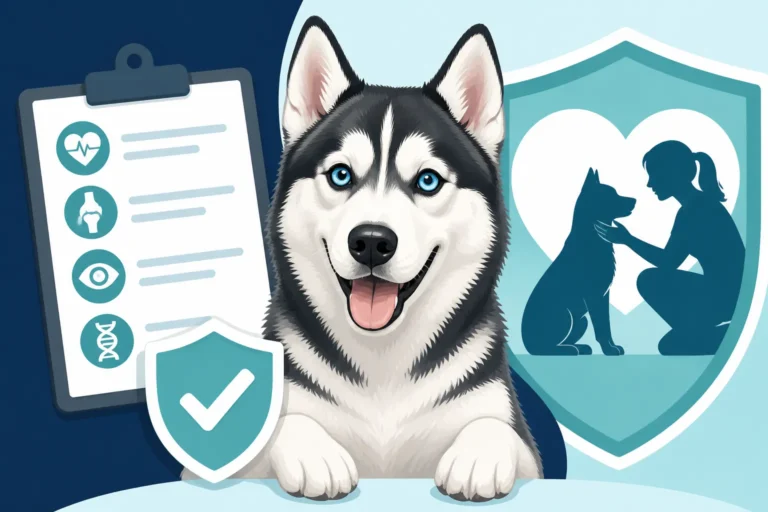
When you start talking to Siberian Husky breeders, you'll quickly encounter a flurry of acronyms and terms like "OFA," "CHIC," and "CERF." It can feel like everyone else speaks a secret language, leaving you wondering if you're asking the right questions or even understanding the answers. The truth is, these terms represent crucial health screening programs designed to reduce the incidence of hereditary diseases in specific breeds. A responsible breeder won't just say their dogs are tested; they'll provide concrete, verifiable proof, and understanding what that proof looks like is your first step.
Understanding OFA and CHIC Certifications
The Orthopedic Foundation for Animals (OFA) is a well-respected, independent organization that provides a public database for canine health certifications. When a breeder mentions OFA, they're referring to evaluations performed on their breeding dogs for various genetic conditions, with hip and elbow dysplasia being some of the most common, though less prevalent in Siberians. For eyes, the OFA works in conjunction with the American College of Veterinary Ophthalmologists (ACVO) to record annual eye exam results.
The beauty of OFA is its transparency. Breeders can claim anything, but the proof is in the publicly accessible database. If a breeder tells you their dog "passed" its hip or eye exam, you should be able to look up that specific dog by its registered name or OFA number and see the official results. This is absolutely critical because a verbal claim, however reassuring, means nothing without documentation.
Beyond individual OFA clearances, you might hear about CHIC numbers. The Canine Health Information Center (CHIC) program, co-sponsored by the OFA and the Canine Health Foundation, is a database that stores health information on individual animals from multiple sources. For a dog to receive a CHIC number, it must have had all the health tests recommended by the breed's parent club – in our case, the Siberian Husky Club of America (SHCA). For Siberian Huskies, this specifically includes eye examinations and hip evaluations. You can learn more about What Siberian Husky CHIC Certification Requires to understand the full scope of what's expected for this breed. A CHIC number signifies that a dog has undergone all the recommended screenings, not necessarily that it's clear of all issues, but it indicates a breeder's commitment to thorough testing.
Beyond Hip and Eye: Other Important Screenings
While eyes and hips are the core of Siberian Husky health testing as recommended by the SHCA, responsible breeders sometimes go further, screening for other conditions that can affect the breed, even if they're not explicitly listed for CHIC certification. One such area is thyroid function. Autoimmune thyroiditis, for example, can lead to hypothyroidism, a condition where the thyroid gland doesn't produce enough hormones. This can manifest in a dull coat, weight gain, and lethargy. While not as common a concern as eyes for Siberians, it's still something some conscientious breeders screen for. If you're wondering about this, you can delve deeper into Siberian Husky Thyroid and Autoimmune Disease.
Other breeders might test for patella luxation (slipping kneecaps) or even cardiac health, though these are generally considered less prevalent concerns in Siberian Huskies compared to some other breeds. The key takeaway here is that a breeder who actively discusses these additional tests, even if they're not "required," often demonstrates an even higher level of dedication to the overall health of their lines. They aren't just doing the bare minimum; they're trying to gain a fuller picture of their dogs' health.
Verifying Breeder Claims: Where to Look and What to Ask
So, a breeder has enthusiastically told you about all the health tests their dogs have undergone. That's a great start! But how do you, as a prospective puppy owner, move beyond just taking their word for it? The good news is that much of this information is publicly accessible, and with a little investigative work, you can cross-reference their claims with official records. This process is crucial for your peace of mind and for ensuring you're supporting ethical breeding practices.
The Public Databases Are Your Best Friend
The single most powerful tool at your disposal for verifying health testing claims is the OFA public database. It's an online treasure trove of information, and learning how to navigate it will save you a lot of guesswork and potential heartache. When a breeder tells you their dog's hips are OFA certified "Good" or "Excellent," or that their eyes are "Normal," you need to ask for the dog's full registered name and/or its OFA number.
Here’s how you can use it:
- Go to the OFA website: It's typically a straightforward search portal.
- Enter the dog's registered name: Be precise. Even a slight misspelling can yield no results. If the breeder gives you a call name like "Buddy," politely ask for "Buddy's official AKC registered name." It will usually be something longer and more formal.
- Search by OFA number: If the breeder provides an OFA number (it will look like a string of letters and numbers, e.g., "Hips: SH-12345G24F-VPI"), you can enter that directly.
What you're looking for are entries that match the parent dogs of your potential puppy. You should see results for "Hips," "Eyes," and any other tests the breeder claims. These results will state the official grade (e.g., Good, Fair, Excellent for hips) and the date of certification. This direct, public verification is the gold standard. For a more detailed walkthrough, check out Looking Up a Siberian Husky in the OFA Database. If you can't find the dog in the OFA database, or the information doesn't match what the breeder told you, that's a significant red flag.
What Paperwork Should You Expect?
Beyond the public database, a truly transparent and responsible breeder will provide you with copies of the actual health certificates for both parent dogs. This might include printed OFA certificates for hips, elbows (if done), and thyroid, as well as the official ACVO eye exam forms. They shouldn't just wave a piece of paper at you; they should offer copies for your records. This is part of the comprehensive paperwork package you should receive when you pick up your puppy.
What kind of paperwork should you not accept? A breeder who says, "My vet checked them, and they're fine," without providing official documentation, isn't doing proper health testing. A general practice veterinarian performing a quick visual check during a routine visit is not the same as a board-certified specialist performing an ACVO eye exam or an OFA-certified radiologist evaluating hip X-rays. You're looking for certifications from recognized specialist organizations, not just a casual vet check. If you're ever uncertain about what you should receive, reading up on Reading a Siberian Husky Puppy's Health Paperwork can give you a clearer picture of what legitimate documentation looks like.
Common Health Clearances for Siberian Huskies
When we talk about health clearances for Siberian Huskies, there are a few key areas that every responsible breeder focuses on. These are the conditions that have a known genetic component in the breed and where testing can significantly reduce their prevalence. Understanding these specific tests and their implications will help you assess a breeder's diligence and commitment to the breed's health.
Eyes: The Non-Negotiable Annual Exam
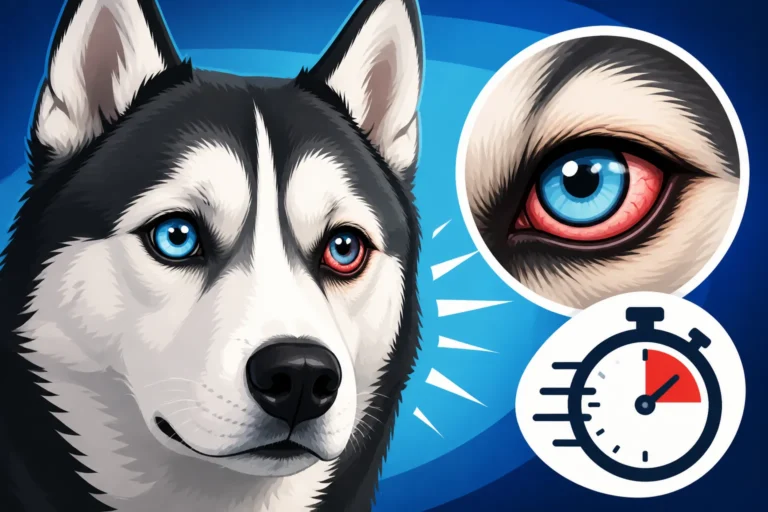
For Siberian Huskies, annual eye examinations by a board-certified veterinary ophthalmologist are absolutely critical. This isn't just a suggestion; it's a cornerstone of responsible breeding for this particular breed. Huskies are predisposed to several significant eye conditions, and many of these can develop or worsen over time, which is why yearly exams are so crucial. You can dive deeper into the specifics by reading Siberian Husky Eye Disease and the Annual Exam and understanding Why Siberian Huskies Need Their Eyes Checked Yearly.
During these exams, the ophthalmologist is looking for several conditions:
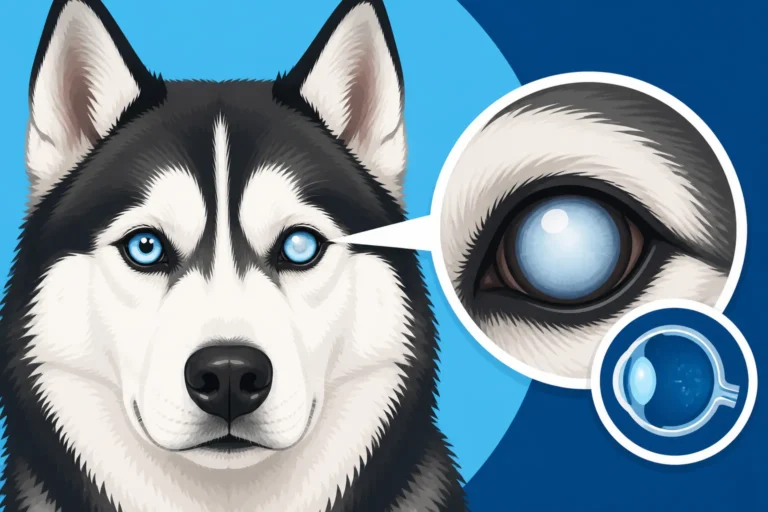
- Juvenile Cataracts: These can appear in young Huskies, sometimes as early as a few months of age, and can progress to cause significant vision impairment or even blindness. Early detection is vital for understanding the genetic picture of the parents. If you're concerned about this, learn more about Juvenile Cataracts in the Siberian Husky and The Age Siberian Husky Cataracts Show Up.
- Progressive Retinal Atrophy (PRA): This is a group of degenerative diseases affecting the retina, eventually leading to blindness. In Siberian Huskies, there's an X-linked form of PRA. While less common than cataracts, it's still a serious concern that eye exams can help detect, and DNA tests can identify carriers. You can find more information about Progressive Retinal Atrophy in Siberian Huskies.
- Corneal Dystrophy: This condition involves opaque lesions on the cornea and can sometimes impair vision, though often it's asymptomatic.
A breeder should be able to show you current (within the last 12-18 months) eye exam certificates for both parent dogs, indicating they are "Normal" or "Clear" of these conditions. If a dog has failed an eye exam due to a hereditary condition, it should not be bred.
Hips: The Often Misunderstood Clearance
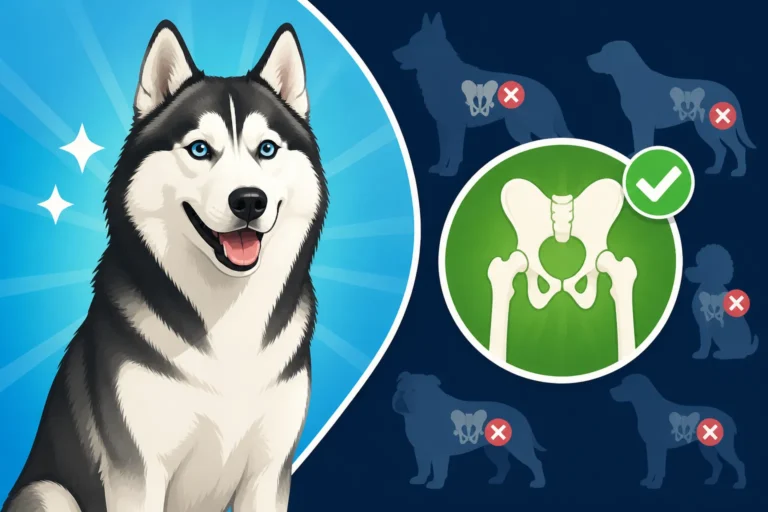
Unlike many large breeds, Siberian Huskies actually have a remarkably low incidence of hip dysplasia. This is fantastic news for the breed, but it doesn't mean breeders get a pass on testing. While the rate is low, hip dysplasia can still occur, and it's a debilitating condition that can severely impact a dog's quality of life. Therefore, hip evaluations through OFA remain a recommended clearance for CHIC certification. To understand why their rate is so low, you can read Siberian Husky Hips and Why the Rate Is Low and Where Siberian Huskies Rank on Hip Dysplasia.
For hip evaluations, X-rays are taken of the dog's hips, usually around two years of age, and submitted to the OFA for evaluation by a panel of radiologists. The hips are then graded as Excellent, Good, Fair (all passing grades), Borderline, or Dysplastic. A responsible breeder will only breed dogs with passing hip scores. When you look up a dog's OFA hip result, you'll see one of these grades. Understanding Reading a Siberian Husky's OFA Hip Result can help you interpret the documentation correctly.
Even though the risk is lower, a breeder who skips hip testing is cutting corners. It's a foundational test for nearly all purebred dogs and shows a lack of commitment to overall skeletal health. While Healthy Paws pet insurance, for instance, can help cover unexpected medical costs, including potential hip issues, proactive breeding practices are the first line of defense against such genetic predispositions.
Table: Common Siberian Husky Health Tests and Verification Methods
To help you keep track, here's a summary of the most common health tests for Siberian Huskies and how you can verify them:
| Health Test | What It Screens For | Recommended Age for Testing | Verification Method | Key Organizations |
|---|---|---|---|---|
| Eye Examination | Hereditary cataracts, PRA, corneal dystrophy, other eye diseases | Annually | OFA Public Database (ACVO/OFA Eye Certification Registry) | OFA, ACVO |
| Hip Dysplasia | Malformation of the hip joint | 24 months + | OFA Public Database (Official hip grade: Excellent, Good, Fair) | OFA |
| Thyroid Panel | Autoimmune thyroiditis, hypothyroidism (optional) | 12 months + (can be ongoing) | OFA Public Database (Thyroid profile results) | OFA |
| CHIC Certification | Completion of all breed-specific recommended health tests | Varies, usually 24 months + | OFA Public Database (CHIC number listed) | OFA, CHF, Breed Clubs |
Red Flags and Trusting Your Gut
Even with all the official documentation, there are times when something just feels off. Your gut instinct is a powerful tool, and it's essential to pay attention to red flags that might suggest a breeder isn't as transparent or responsible as they claim. This isn't just about paperwork; it's about observing the entire breeding operation and how the breeder interacts with their dogs and with you.
When a Breeder's Story Doesn't Add Up
A significant red flag is when a breeder offers vague or evasive answers about health testing. If they say things like, "Oh, all my dogs are healthy, they don't need tests," or "My vet gives them a clean bill of health," without offering specific results or database entries, that's a problem. True health testing involves specialists and public registration, not just a general vet's opinion, however well-meaning. Similarly, if they claim to have done tests but can't produce the official certificates or point you to the OFA database entries, it's a huge warning sign. Good breeders are proud of their health clearances and will readily share them.
Another red flag is a breeder who tries to rush you or pressures you into making a decision quickly. Reputable breeders take their time to screen prospective owners, and they want to ensure their puppies go to the right homes. They should be willing to answer all your questions patiently and thoroughly. If they act annoyed or dismissive of your questions about health, that tells you something important about their priorities. Remember, you're making a significant, long-term commitment, and you deserve complete transparency.
Beyond the Paperwork: Observational Cues
While paperwork is paramount, observing the breeding environment and the parent dogs themselves can tell you a lot. If possible, visit the breeder's home or facility. Are the dogs well-cared for, clean, and happy? Do the parent dogs appear healthy, with good coats, clear eyes, and no obvious lameness or discomfort? While a physical examination isn't a substitute for specialist health testing, observing the parents' overall condition and temperament can provide valuable insight.
A responsible breeder should also be eager for you to meet the puppy's parents (at least the mother). This gives you a chance to see their temperament, which is highly hereditary. If a breeder makes excuses why you can't see the mother or where the puppies are raised, consider it a warning.
Finally, even with the most diligent breeding and extensive health testing, no dog is guaranteed to be free of all future health issues. Accidents happen, and even genetically sound dogs can develop conditions unrelated to their lineage. This is where comprehensive pet insurance, like a policy from Healthy Paws, can provide an invaluable safety net. While diligent breeding significantly reduces the risk of hereditary conditions, it doesn't eliminate all possibilities. Investing in a healthy puppy from a responsible breeder and then protecting that investment with a good insurance plan gives you the best chance for a long, happy, and worry-free life with your Siberian Husky.
Disclaimer
This article is for general informational purposes only and does not constitute professional advice. Laws, prices and regulations vary by location and change over time. Consult a qualified professional for guidance on your specific situation.