How Common Cataracts Are in Siberian Huskies
Seeing your beloved Siberian Husky's eyes begin to cloud over can be a truly heart-wrenching experience, instantly making you worry about their vision and quality of life. It’s natural to feel a knot in your stomach, wondering if they're in pain or if they’ll eventually lose their sight. This comprehensive guide aims to shed light on how common cataracts truly are in Siberian Huskies, exploring what they are, why they appear, and what you, as a dedicated owner, can do to manage them.
Understanding Cataracts in Siberian Huskies
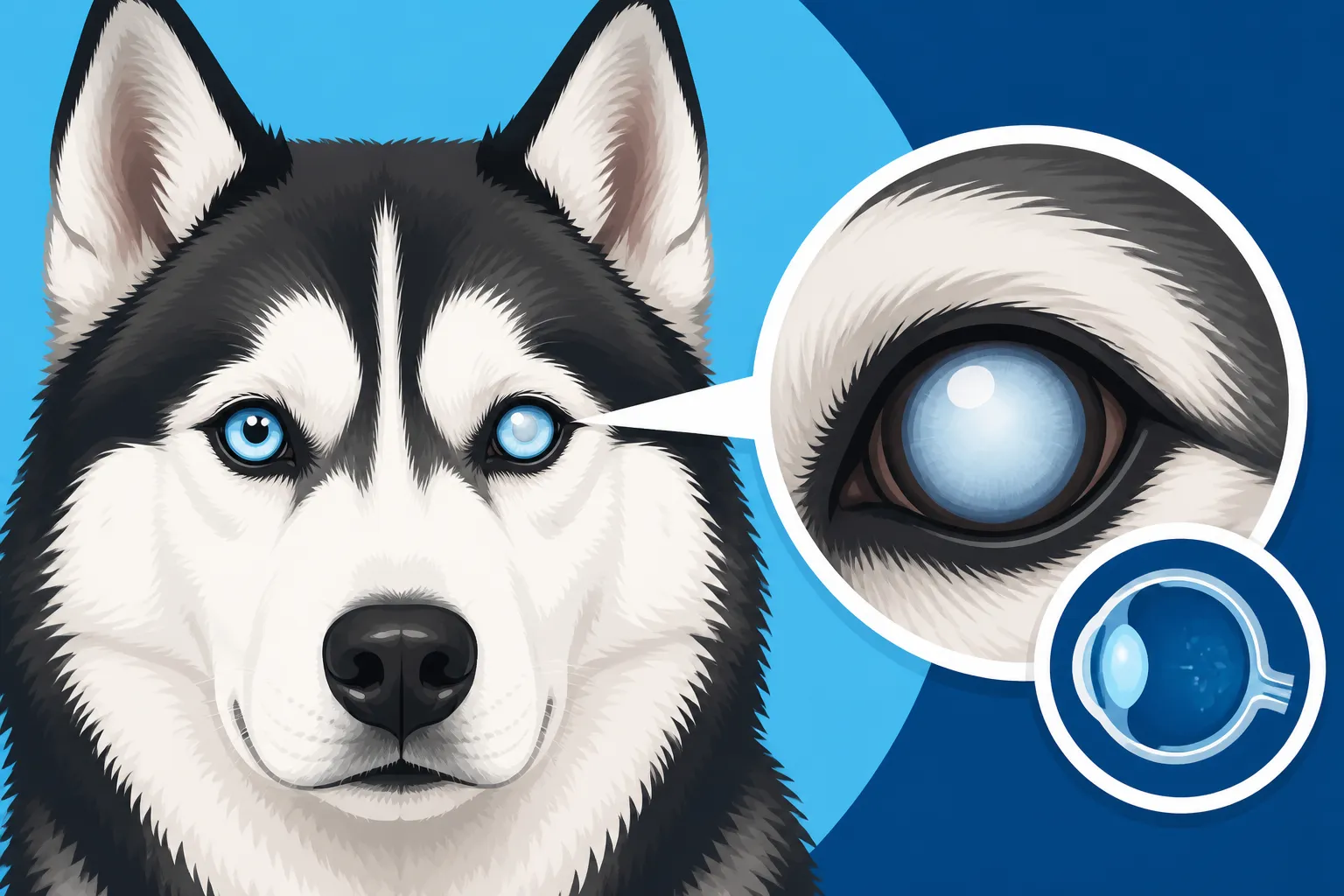
When we talk about cataracts, we're referring to a clouding of the eye's natural lens, which sits just behind the iris (the colored part of the eye) and the pupil. Think of it like looking through a foggy window; the world becomes blurry and indistinct for your Husky. Unlike some breeds where cataracts are a rare anomaly, Siberian Huskies have a predisposition that makes this condition a more frequent topic of concern for their owners and veterinarians alike. It's not a death sentence, but it does require careful attention and understanding.
What Makes Huskies Susceptible
Siberian Huskies, unfortunately, carry a genetic predisposition for certain types of cataracts, which means it’s something woven into their breed’s lineage. This isn't to say every Husky will get them, but the likelihood is higher compared to many other breeds. The specific genetic markers involved are still being researched for all forms, but a significant portion of early-onset cataracts are indeed inherited. This is why reputable breeders prioritize genetic health testing, checking for potential issues that could be passed down.
For many owners, the first sign is often a subtle cloudy appearance in one or both eyes, sometimes only noticeable in certain lighting. It can start small, like a tiny speck, and gradually expand, eventually covering the entire lens. This progression can be slow, taking years, or surprisingly rapid, developing over mere months. The worry intensifies as you realize your energetic, sight-reliant companion might be struggling to navigate their familiar world.
The Actual Prevalence Rate
So, how common are they really? While exact, up-to-the-minute statistics can vary depending on the study and the population sampled, historically, Siberian Huskies have shown a significant prevalence of cataracts compared to the general canine population. Data from organizations like the Orthopedic Foundation for Animals (OFA) Eye Certification Registry (CAER) often lists cataracts as one of the more frequently observed eye conditions in the breed.
One study published in veterinary ophthalmology journals, looking at a large cohort of purebred dogs, showed that Siberian Huskies consistently appear in the top breeds affected by hereditary cataracts. This isn't just about aging eyes; a considerable number of cases are diagnosed in young to middle-aged Huskies, which points directly to the genetic factor. If you're wondering, "How Common Cataracts Are in Siberian Huskies", the answer is definitely "more common than you'd hope." This elevated risk highlights why routine eye examinations are not just good practice, but a critical part of their preventative care.
Different Types and Their Manifestation
Cataracts aren't a one-size-fits-all condition; they come in various forms, each with its own typical onset and progression. For Siberian Husky owners, understanding these distinctions is key to knowing what to look for and what questions to ask your vet. While all cataracts involve a cloudy lens, the underlying cause and the age they appear can tell us a lot about their nature.
Juvenile (Hereditary) Cataracts
Perhaps the most concerning type for Husky owners are Juvenile Cataracts in the Siberian Husky, as these often manifest early in life. These are typically inherited and can appear anywhere from a few months of age up to six years old, though they are often identified before the dog is two years old. Imagine bringing home a vibrant, playful puppy, only to notice a cloudy spot in their eye before their first birthday. It’s a gut punch.
These hereditary cataracts can vary greatly in severity. Some may be small, non-progressive opacities that barely affect vision, while others can progress rapidly to total blindness. The location of the cataract on the lens also plays a big role in how much it impacts their sight. A cataract at the very center, for instance, will obscure vision more significantly than one on the periphery. Breeders striving for healthy lines should have their breeding stock screened regularly by a veterinary ophthalmologist, and providing Reading a Siberian Husky OFA Eye Certificate is crucial for puppy buyers. Many discerning owners rely on reputable pet insurance providers like Healthy Paws to cover unexpected specialist visits that often accompany conditions like juvenile cataracts.
Senile (Age-Related) Cataracts
Just like in humans, Siberian Huskies can develop cataracts as they age. These are known as senile cataracts and are a much more universal occurrence across all dog breeds. Unlike the early-onset, often aggressive juvenile form, age-related cataracts tend to progress slowly, often starting as subtle changes around seven to ten years of age.
It's important to distinguish these from a normal aging change called nuclear sclerosis. Nuclear sclerosis causes a bluish-gray haze in the lens, but it typically doesn't impair vision significantly. It's like the lens becoming denser and less flexible with age. True senile cataracts, however, do cause vision impairment, though it might be a gradual decline that your Husky adapts to surprisingly well, especially in familiar environments. If you're curious about When a Siberian Husky Cataract First Appears, it really depends on the type, with juvenile forms showing up much earlier than senile ones.
Other Causes of Cataracts
While genetic and age-related factors account for the vast majority of cataracts in Siberian Huskies, other causes can contribute. These include:
- Diabetes: Diabetic cataracts are caused by changes in sugar metabolism within the eye. They often develop very quickly, sometimes leading to total blindness within weeks or even days. This is a crucial reason why Siberian Husky Vet Visits by Life Stage are so important, as early detection of diabetes can impact many aspects of their health.
- Trauma: A direct injury to the eye can cause a localized cataract.
- Inflammation: Chronic inflammation inside the eye (uveitis) can also lead to cataract formation. Uveodermatologic Syndrome and the Siberian Husky is one such condition that can manifest with severe eye inflammation and subsequent cataracts.
- Nutritional Deficiencies: In very rare cases, particularly in puppies fed imbalanced diets, nutritional deficiencies might contribute.
It’s easy to jump to conclusions when you notice a cloudy eye, but a thorough examination by a veterinary ophthalmologist is the only way to accurately diagnose the type and cause of the cataract and rule out other conditions. This is also vital for understanding The Three Eye Diseases a Siberian Husky Faces, as cataracts are just one of several potential concerns.
Spotting Signs and Seeking Diagnosis
Being observant is one of the greatest gifts you can give your Siberian Husky. Because they can’t tell us what’s wrong, it’s up to us to pick up on subtle cues that indicate a problem. When it comes to eye health, early detection often leads to better outcomes, whether it's for cataracts or other conditions.
What to Look For at Home
The most obvious sign is a cloudy or opaque appearance in your Husky’s pupil, which should normally be black. This cloudiness can be white, gray, or bluish. It might start small, like a tiny dot, or a thin line, and you might only see it when your dog is looking in a specific direction or in particular lighting.
Beyond the visible clouding, pay attention to changes in your Husky’s behavior that could indicate vision impairment:
- Hesitation: Your Husky might hesitate when going up or down stairs, jumping on or off furniture, or navigating around familiar objects. This is especially noticeable if a cataract is significantly affecting their depth perception. If you see A Siberian Husky That Hesitates in Dim Rooms, it's a strong indicator of vision trouble.
- Bumping into Objects: They might start bumping into furniture, walls, or even you, particularly in dimly lit environments or if you rearrange things.
- Clumsiness: General clumsiness, misjudging distances when fetching toys, or struggling to catch treats.
- Reluctance to Play: A decreased interest in games that require good vision, like fetch.
- Changes in Eye Appearance (other than cloudiness): Redness, squinting, excessive tearing, or discharge can indicate inflammation or pain, which may accompany or even cause certain types of cataracts. If your Husky has Siberian Husky Eye Pain and Sudden Squinting, it’s definitely time for a vet visit.
It’s easy to dismiss these as signs of getting older, but they can be crucial indicators of a developing problem. Remember, your Husky is remarkably adaptable, and they might hide their vision issues until they become quite severe.
The Importance of Professional Diagnosis
If you notice any suspicious signs, your general veterinarian should be your first point of contact. They can perform a preliminary eye exam, but for a definitive diagnosis of cataracts and to understand their severity and type, a visit to a board-certified veterinary ophthalmologist is highly recommended. These specialists have advanced training and equipment to examine the intricate structures of the eye.
During the examination, the ophthalmologist will:
- Perform a thorough ophthalmic exam: This includes assessing pupil responses, checking intraocular pressure (to rule out glaucoma, another serious condition), and using specialized magnifying lenses and lights to examine the lens in detail.
- Dilate the pupils: Eye drops are used to widen the pupils, allowing the ophthalmologist a much better view of the entire lens and the back of the eye.
- Distinguish true cataracts from nuclear sclerosis: As mentioned earlier, nuclear sclerosis is a benign age-related change that causes a bluish haze but doesn't impair vision significantly. A specialist can easily differentiate this from a true cataract.
- Assess other eye health: They will also check for other conditions that might be present, such as Progressive Retinal Atrophy in Siberian Huskies, which can also cause vision loss and sometimes be mistaken for cataracts by an untrained eye.
- Recommend further testing: If a specific cause like diabetes is suspected, blood tests will be recommended. For inherited cataracts, the ophthalmologist can advise on specific genetic testing if available.
This thorough evaluation is crucial not only for diagnosis but also for determining the best course of action. Early and accurate diagnosis provides the best chance for successful intervention and management.
Management and Treatment Options
Once a cataract is diagnosed, the conversation turns to management. For many Husky owners, the first question is always, "Can anything be done?" The answer often depends on the type, size, and progression of the cataract, as well as the overall health and age of your dog.
Non-Surgical Management:
For small, non-progressive cataracts that don't significantly impact vision, or for dogs who are not surgical candidates due to age or other health concerns, monitoring is often the primary approach. Your ophthalmologist might recommend regular re-checks to track the cataract’s progression. There are no proven eye drops or oral medications that can dissolve existing cataracts. If your dog has a condition like diabetes causing the cataracts, managing the underlying disease is critical, but it typically won't reverse the existing cataract.
Surgical Intervention:
The only truly effective treatment for cataracts that are impairing vision is surgical removal. This is a highly specialized procedure called phacoemulsification, where ultrasonic waves are used to break up the cloudy lens, which is then suctioned out. An artificial intraocular lens (IOL) is usually implanted to restore vision, similar to human cataract surgery.
Here's a quick overview of what to consider:
| Feature | Non-Surgical Management | Cataract Surgery (Phacoemulsification) |
|---|---|---|
| Purpose | Monitor progression, manage underlying causes | Restore functional vision |
| Eligibility | Minor visual impairment, not surgical candidate | Significant visual impairment, good health |
| Cost | Lower (exam fees, potential medication for underlying conditions) | High (specialist fees, anesthesia, follow-up meds) |
| Recovery | None, or related to underlying condition | Intensive post-op care, eye drops for weeks/months |
| Risks | Progression to blindness | Glaucoma, retinal detachment, infection |
| Vision Outcome | No improvement, potential decline | Excellent in most cases (75-90% success rate) |
It's a big decision, both emotionally and financially. Surgical costs can be substantial, easily running into several thousands of dollars per eye. This is where investing in pet insurance, like a plan from Healthy Paws, early in your Husky's life can be a game-changer, helping to offset the financial burden of such advanced procedures. If you're weighing the options, read more about Cataract Surgery on a Siberian Husky to fully prepare.
Post-surgery care is rigorous, involving frequent eye drops and close monitoring to prevent complications. However, for many Huskies, the return of sight is nothing short of miraculous, transforming their confidence and zest for life. It's a testament to the dedication of Husky owners that they often go to such lengths for their furry family members.
Living with a Siberian Husky with Cataracts
Even with the possibility of surgery, some Huskies might not be candidates, or their owners might choose a non-surgical path. Whether your Husky has partial vision or is completely blind from cataracts, adjusting their environment and routines can make a world of difference in their quality of life.
Adapting Your Home Environment
A Husky with impaired vision still wants to be an active, happy member of your family. Your home should become a safe, predictable haven:
- Maintain Consistency: Avoid rearranging furniture or leaving obstacles in their usual paths. Your Husky relies on their memory and other senses to navigate.
- Designated Safe Zones: Create a comfortable, padded bed area that is easily accessible and free from hazards.
- Clear Pathways: Keep floors clear of clutter, especially toys, shoes, and small items that can be tripped over.
- Sensory Cues: Use different textures of rugs or runners to mark important areas, like leading to their food and water bowls or to the door.
- Auditory Cues: Talk to your Husky frequently when you move around the house, especially when approaching them, to avoid startling them. Consider adding bells to other pets or even children so your Husky knows where they are.
- Baby Gates/Barriers: Use baby gates to block off stairs or dangerous areas, preventing falls.
- Lighting: Ensure good, consistent lighting, avoiding harsh glares or sudden dark spots, as Huskies with partial vision might struggle with contrast.
These adjustments help your Husky build a mental map of their environment, reducing anxiety and preventing accidents. It's all about making their world predictable and safe.
Outdoor Safety and Enrichment
The great outdoors presents more challenges for a sight-impaired Husky, given their innate wanderlust and high prey drive. Safety must always be paramount:
- Leash is Law: A Siberian Husky with vision loss should never be off-leash in an unfenced area. Their incredible scent and hearing might lead them into dangerous situations, like traffic, before you can react. Always use a secure harness and leash. Consider a sturdy double-leash system for extra security. For more on this, look into Keeping a Blind Siberian Husky Safely Contained.
- Secure Fencing: If you have a fenced yard, double-check its security. Huskies are notorious escape artists, and a blind Husky is still capable of finding weaknesses. Consider an L-footer or concrete barrier along the fence line to prevent digging out.
- Scent Work and Puzzle Toys: Engage their other powerful senses! Scent work games, where they have to find hidden treats or toys, can be incredibly enriching. Interactive puzzle feeders and strong chew toys can keep them mentally stimulated.
- Familiar Walking Routes: Stick to familiar, safe walking paths where they know the terrain and are less likely to encounter unexpected obstacles.
- Maintain Socialization: Continue to socialize your Husky with calm, friendly dogs and people. Always supervise interactions closely, informing others about your Husky's vision impairment.
- Consistency in Commands: Use consistent verbal cues and commands. For example, "step up" or "watch out" can alert them to changes in elevation or approaching obstacles.
Despite vision loss, a Husky can absolutely still enjoy life, run, and play. They may still love a good run, so long as it's in a safe, familiar, and contained area. Understanding Whether a Blind Siberian Husky Can Still Run is key to maintaining their physical and mental health. With your patience, understanding, and proactive adaptations, your Siberian Husky can continue to thrive, proving that even with challenges, their spirit remains undimmed.
Disclaimer
This article is for general informational purposes only and does not constitute professional advice. Laws, prices and regulations vary by location and change over time. Consult a qualified professional for guidance on your specific situation.