Reading a Siberian Husky OFA Eye Certificate
Navigating the world of Siberian Husky health can feel like learning a whole new language, especially when you're handed official paperwork like an OFA eye certificate. Many of us, myself included, have stared at these documents, a mix of relief and anxiety bubbling up, wondering if we're truly understanding what it means for our beloved furry family member. This guide is here to cut through the jargon and explain exactly how to read and interpret your Siberian Husky's OFA eye certificate, so you can feel confident about their ocular health.
Why Your Siberian Husky Needs an Annual Eye Exam
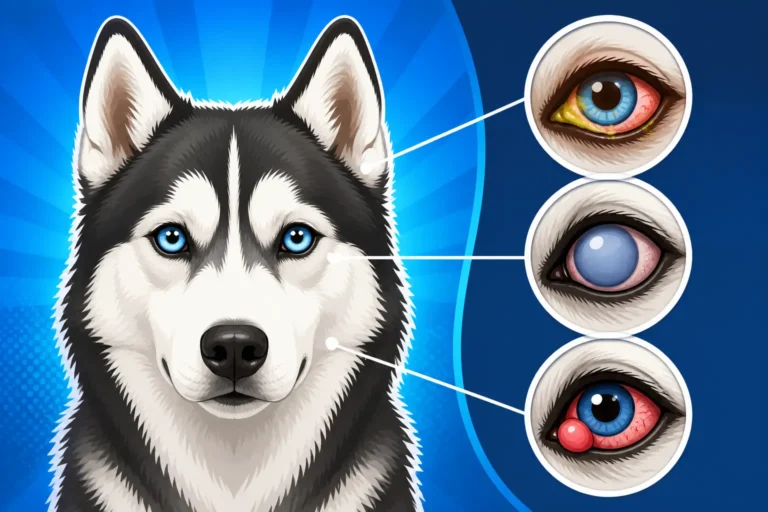
Before we dive into the nitty-gritty of the certificate itself, it’s crucial to understand why these exams are so important for Siberian Huskies. Our beautiful, active companions are unfortunately predisposed to certain inherited eye conditions that can range from mild vision impairment to complete blindness. Without regular, specialized examinations, these issues can go unnoticed until they're quite advanced, making treatment more difficult and sometimes more costly.
The Purpose of OFA Eye Certification
The Orthopedic Foundation for Animals (OFA) is widely recognized for its health registries and certifications for various breeds. For eyes, the OFA maintains a database of certified eye examinations performed by board-certified veterinary ophthalmologists. The primary goal of these certifications is to identify dogs affected by heritable eye diseases, thereby providing breeders with information to make informed decisions and reduce the incidence of these conditions in future generations. For pet owners, it's a vital tool for understanding their dog's current eye health status and potential risks.
Many passionate Siberian Husky owners are diligent about getting these yearly exams. If you've ever wondered Why Siberian Huskies Need Their Eyes Checked Yearly, it's precisely because of the genetic predispositions. A "clear" certificate doesn't just mean good news for your dog; it contributes to a healthier breed overall.
What an Ophthalmologist Checks During the Exam
When your Siberian Husky goes in for its eye exam, it's not just a quick peek. A board-certified veterinary ophthalmologist performs a thorough examination using specialized equipment. This includes indirect ophthalmoscopy to view the retina, slit-lamp biomicroscopy to examine the front of the eye (cornea, iris, lens), and sometimes tonometry to measure intraocular pressure. They're looking for any abnormalities in the structures of the eye, from the eyelids and tear ducts to the optic nerve at the very back.
This comprehensive approach is key to detecting subtle signs of disease that a general veterinarian might miss. The detailed notes taken during this exam form the basis of the OFA eye certificate. You can learn more about What an Ophthalmologist Checks in a Siberian Husky to prepare for your dog's visit.
Decoding the Siberian Husky OFA Eye Certificate Structure
When you finally receive that official OFA Eye Certification form, it can look a bit overwhelming with all its boxes and medical terminology. Let's break it down section by section so you can understand what each part means for your Siberian Husky.
Top Section: Dog Identification and Exam Details
The very first part of the certificate will contain all the identifying information for your Siberian Husky and the specifics of the examination.
- Registered Name and Number: This will list your dog’s full registered name (e.g., "CH. Snowpaw's Arctic Star") and their official registration number from a registry like the AKC. This is crucial for matching the certificate to the correct dog, especially if you have multiple Huskies or are researching a puppy's lineage.
- Breed, Sex, Date of Birth: Self-explanatory, this confirms the breed as Siberian Husky, your dog's sex, and their birthdate. The date of birth is important for tracking age-related conditions and for ensuring the dog meets minimum age requirements for certain certifications.
- Owner Information: Your name and address will be listed here.
- Exam Date: This is the date the eye examination was performed. Pay close attention to this, as these certificates usually have a validity period, often 12 months, after which a new exam is recommended. Understanding How Long a Siberian Husky Eye Exam Stays Valid is important for maintaining current health records.
- Ophthalmologist Information: The name and signature of the board-certified veterinary ophthalmologist who performed the exam will be here, along with their clinic details. This ensures the exam was conducted by a qualified specialist.
Middle Section: The Examination Findings
This is the heart of the certificate, where the actual results of the eye exam are recorded. It's often presented as a table or a checklist, with various ocular conditions listed and marked as "Normal," "Affected," or "Equivocal" (meaning uncertain).
The findings are typically broken down by eye structure and then by specific conditions. You might see columns for "Right Eye" (OD) and "Left Eye" (OS) or simply a single entry if the condition affects both eyes similarly.
| Condition | Description for Siberian Huskies | Potential Impact | OFA Result Examples |
|---|---|---|---|
| PPM (Persistent Pupillary Membranes) | Remnants of fetal blood vessels in the eye. Usually benign. | Can cause vision issues if severe or attached to cornea/lens. | Normal, Affected (if vision-impairing) |
| PHTVL/PHPV (Persistent Hyperplastic Tunica Vasculosa Lentis/Persistent Hyperplastic Primary Vitreous) | Congenital malformations of the lens/vitreous. | Can lead to cataracts and retinal detachment. | Normal, Affected (Grade 1-6) |
| Cataracts | Opacity of the lens, hindering light passage. | Ranges from mild visual impairment to blindness. | Normal, Affected (Type, Location, Size) |
| PRA (Progressive Retinal Atrophy) | Degeneration of the retina, leading to blindness. | Progressive night blindness, then day blindness. | Normal, Affected |
| Retinal Dysplasia | Abnormal development of the retina. | Can cause blind spots or complete blindness. | Normal, Affected (Fold, Geographic, Detached) |
| Corneal Dystrophy | Inherited, non-inflammatory corneal opacities. | Can impair vision, usually non-painful. | Normal, Affected (Type, Location) |
| Glaucoma | Increased pressure within the eye. | Painful, can lead to irreversible blindness if untreated. | Normal, Affected |
| Optic Nerve Hypoplasia | Underdevelopment of the optic nerve. | Varying degrees of vision loss. | Normal, Affected |
This table provides a general overview, but the certificate will have more specific details. It's in this section where you'll look for markings next to conditions like "Clear," "Affected," or "Breeding Advised With Caution."
Bottom Section: Certification and Recommendations
The final part of the certificate usually includes the overall certification status and any additional comments or recommendations from the ophthalmologist.
- Certification Status: This is where the OFA will state whether your Siberian Husky is "OFA Clear," "OFA Affected," or "OFA Equivocal" for inherited eye diseases. A "clear" status is what breeders strive for and what pet owners hope to see.
- Date of Certification and OFA Number: Once the form is processed by the OFA, it will receive an official certification date and an OFA Eye number, which you can use to look up your dog's results in the public OFA database. This is vital for verifying health claims, especially if you're looking at Reading a Siberian Husky Puppy's Health Paperwork.
- Comments/Recommendations: The ophthalmologist might include specific notes here, such as "Recheck in 6-12 months," or provide more detail about a mild, non-heritable finding. For example, if your dog has a minor, non-clinical finding that isn't considered a heritable disease, it might be noted here without affecting their "clear" status.
Key Terms and Conditions Found on a Husky Eye Certificate
Understanding the specific conditions listed on the OFA eye certificate is paramount, especially since Siberian Huskies have unique predispositions. Let's delve into some of the most common or significant ones you might encounter.
Progressive Retinal Atrophy PRA
Progressive Retinal Atrophy (PRA) is a significant concern for Siberian Huskies. This condition causes the gradual degeneration of the retina, leading to night blindness initially, and eventually complete blindness. For Siberian Huskies, an X-linked form of PRA is recognized, meaning it's primarily carried by females but affects males more severely. Seeing "Normal" next to PRA on your certificate is a huge relief. If "Affected" is marked, it means the dog has the condition.
Thankfully, there's a DNA test available that can identify carriers and affected dogs, which is a powerful tool for breeders. This allows them to make informed decisions and reduce the prevalence of this devastating disease. You can explore The DNA Test for Siberian Husky PRA for more information on how this test works and its implications.
Juvenile and Other Cataracts
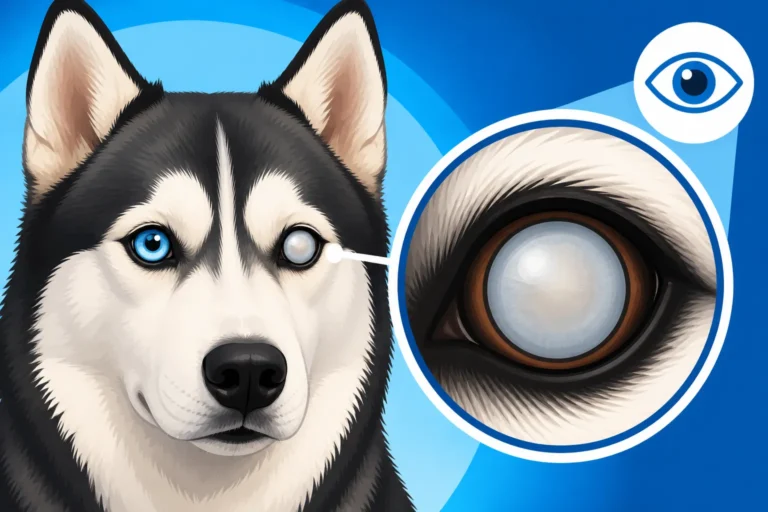
Cataracts are opacities within the lens of the eye. While cataracts can develop from injury, diabetes, or old age, the term "heritable cataracts" on an OFA certificate refers to those passed down genetically. For Siberian Huskies, juvenile cataracts are a particular concern, often appearing when the dog is still young.
- Juvenile Cataracts: These typically develop before a dog is six years old. If your certificate notes "Affected – Juvenile Cataracts," it means your Husky has inherited this condition. The severity can vary, from small, non-vision-impairing opacities to dense cataracts that cause significant vision loss. For many new owners, seeing a cloudy lens can be alarming, and knowing When a Siberian Husky Cataract First Appears can help you understand the timeframe.
- Other Cataracts: The certificate might also list other types or locations of cataracts, such as "cortical," "nuclear," or "posterior polar," indicating where the opacity is located within the lens. The ophthalmologist will note the size and progression. It's not uncommon for Huskies to have very small, static cataracts that don't affect vision significantly and may not be considered disqualifying for breeding, but the certificate will specify this. You can learn more about Juvenile Cataracts in the Siberian Husky and what they mean.
Corneal Dystrophy
Corneal dystrophy in Siberian Huskies refers to an inherited condition affecting the cornea, the transparent outer layer of the eye. It typically appears as a cloudy or crystalline deposit on the cornea. Unlike injuries or infections, these dystrophies are usually non-inflammatory and non-painful.
There are different types, but for Huskies, epithelial and stromal corneal dystrophies are most common, often appearing as rings or spots. While usually not severe enough to cause blindness, significant opacities can impair vision. The certificate will specify the type and location if your Husky is affected. If you've ever seen peculiar rings in your Husky's eye, it might be Corneal Dystrophy Rings in a Siberian Husky Eye.
What a "Normal" or "Affected" Result Means for Your Siberian Husky
Understanding the implications of your Siberian Husky's OFA eye certificate is the final piece of the puzzle. Whether you're a breeder looking to ensure the health of your lines or a pet owner simply wanting the best for your companion, the interpretation of "Normal" versus "Affected" is critical.
Interpreting a "Normal" or "Clear" Result
A "Normal" or "Clear" result on your Siberian Husky's OFA eye certificate means that, at the time of the examination, no evidence of any heritable eye disease was found by the board-certified veterinary ophthalmologist. This is the best possible outcome and indicates that your dog's eyes appear healthy according to breed-specific screening protocols.
For breeders, a "clear" certificate is a vital tool for making responsible breeding decisions. It means the dog is considered suitable for breeding from an ocular health standpoint, helping to reduce the incidence of genetic eye conditions in the breed. For pet owners, it offers peace of mind regarding your Husky's current eye health. However, it's important to remember that these exams are typically valid for one year. Eye conditions can develop over time, which is why annual re-examinations are recommended throughout a Siberian Husky's life. This ongoing diligence is part of Siberian Husky Eye Disease and the Annual Exam regimen.
Understanding an "Affected" Result
An "Affected" result means the ophthalmologist found evidence of one or more heritable eye conditions. The certificate will specify exactly which conditions were found (e.g., "Affected – Juvenile Cataracts," "Affected – PRA"). This doesn't necessarily mean your Husky is going blind tomorrow, but it does indicate a genetic predisposition or an active condition that warrants attention.
- Implications for Breeding: For breeders, an "Affected" status typically means the dog should not be bred to avoid passing on the undesirable trait. This is a crucial ethical consideration in responsible breeding.
- Implications for Pet Owners: For a pet Husky, an "Affected" status means you should discuss the findings with your ophthalmologist. They can explain the specific condition, its potential progression, and any recommended monitoring or treatment. For instance, if your Husky is diagnosed with cataracts, your vet might discuss whether surgery is an option, as explored in articles like Cataract Surgery on a Siberian Husky.
- Financial Considerations: Receiving an "Affected" diagnosis can bring unexpected veterinary costs for specialized care or treatments. This is where having pet insurance, such as a policy from Healthy Paws, can be incredibly beneficial. Plans from providers like Healthy Paws can help cover the costs associated with diagnosing and treating unexpected illnesses and accidents, offering a financial safety net when your Husky needs specialized eye care. It’s always a good idea to consider pet insurance early in your Husky's life, as pre-existing conditions are usually not covered.
When a Result is "Equivocal"
Sometimes, an ophthalmologist might mark a finding as "Equivocal." This means there's an uncertain finding that isn't clearly normal or clearly affected. It might be a very subtle change that is hard to definitively diagnose, or it could be an early indicator of a developing condition. In these cases, the ophthalmologist will almost certainly recommend a re-examination in a shorter timeframe, such as six months, to monitor the change. This cautious approach ensures that no potentially serious condition goes unnoticed.
Understanding your Siberian Husky's OFA eye certificate empowers you to be a more informed and proactive owner, ensuring your beloved companion receives the best possible care for their precious eyes. When considering a puppy, always ask to see the parents' current OFA eye certifications, along with other essential health clearances that are part of Health Testing Before You Buy a Siberian Husky. Even as your Husky ages, continuing these regular exams is a key part of Caring for a Siberian Husky Past Ten and ensuring their comfort and quality of life.
Disclaimer
The information provided in this article is for educational purposes only and is not intended to replace professional veterinary advice. Always consult with a qualified veterinary professional for any health concerns or before making any decisions about your Siberian Husky's care.