Siberian Husky Seizures and Idiopathic Epilepsy
Witnessing your beloved Siberian Husky suddenly collapse into a seizure is one of the most frightening experiences a dog owner can face. That moment of helplessness, watching your vibrant, energetic companion lose control, can leave you feeling terrified and unsure of what to do next. This comprehensive guide is here to walk you through understanding Siberian Husky seizures, particularly idiopathic epilepsy, how it's diagnosed, the treatment options available, and how you can best support your Husky through this challenging health journey.
Understanding Seizures in Siberian Huskies
Seizures are often misunderstood, and for a breed as unique as the Siberian Husky, recognizing what’s happening and why is the first critical step. They're not just a singular event but a symptom of abnormal electrical activity in the brain, and in Huskies, there's a known predisposition to certain types.
What a Seizure Looks Like
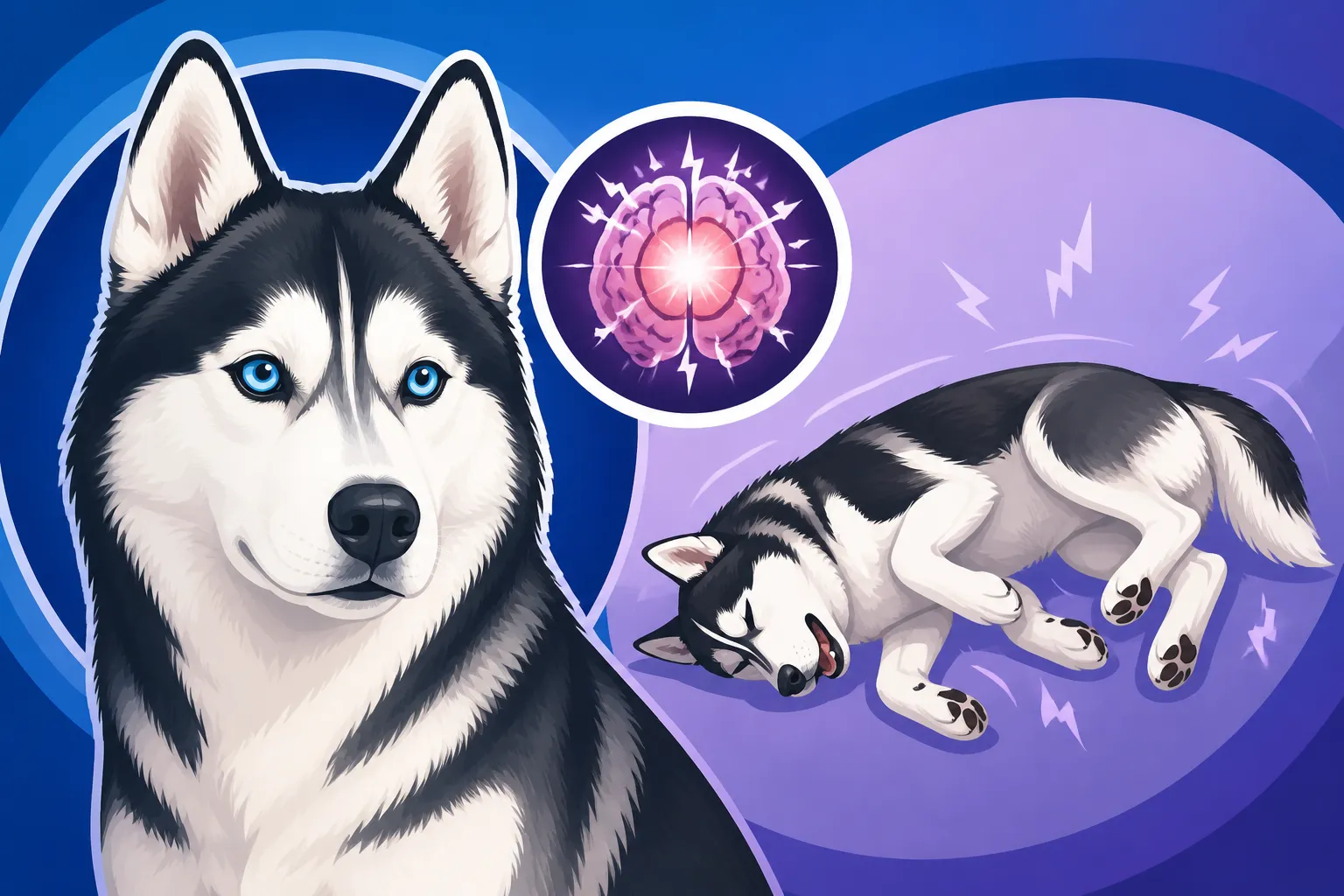
When your Husky has a seizure, it can manifest in several ways, and seeing it for the first time is truly harrowing. The most commonly recognized type is a generalized, or "grand mal," seizure. Your dog might suddenly lose consciousness, fall to the side, and begin rhythmic paddling with all four limbs. You might notice uncontrolled urination or defecation, drooling, and vocalization like crying or howling, which is incredibly distressing to hear. Their muscles can become stiff and rigid, or they might twitch violently. This intense phase, known as the ictal phase, usually lasts from a few seconds to a few minutes, though it can feel like an eternity.
Beyond the classic grand mal, seizures can also be focal or partial. These are often much more subtle and can sometimes be mistaken for odd behavior or a temporary neurological glitch. A focal seizure might involve involuntary twitching of one side of the face, a limb, or a specific body part. Your Husky might seem disoriented, stare blankly, snap at imaginary flies, or even develop peculiar mouth movements. Sometimes, a focal seizure can generalize and become a grand mal. After any seizure, there's typically a post-ictal phase, where your Husky might appear disoriented, wobbly, blind, hungry, or overly clingy. This recovery period can last from minutes to hours, and it's essential to give them space and comfort during this vulnerable time.
Why Huskies Are Prone to Idiopathic Epilepsy
Siberian Huskies, unfortunately, are among several breeds known to have a genetic predisposition to idiopathic epilepsy. "Idiopathic" simply means that there's no identifiable cause for the seizures; they aren't the result of a brain tumor, injury, infection, or metabolic problem. It's an inherited condition where the brain just develops an abnormal tendency to seize. While research is ongoing to pinpoint the exact genetic markers, it’s widely accepted in veterinary neurology that certain lines within the Siberian Husky breed carry this susceptibility.
This genetic component means that if you're considering a Siberian Husky puppy, especially from a breeder, it's incredibly important to ask about the health history of the parents and their lineage, specifically regarding seizures. Responsible breeders will be transparent about any known cases of epilepsy in their lines, as it’s a significant factor in breeding decisions. Understanding the history of Health Testing Before You Buy a Siberian Husky can give you a better idea of what questions to ask and what health clearances to look for.
Differentiating Seizures from Other Episodes
It's easy to panic when your Husky has an episode that looks concerning, but not every collapsing spell or strange behavior is necessarily a seizure. There are several other conditions that can mimic seizure activity, making accurate observation and veterinary diagnosis crucial. For instance, syncopal episodes, or fainting spells, are caused by a temporary lack of blood flow to the brain, often due to heart problems. Your Husky might suddenly collapse, lose consciousness, and recover quickly without the typical post-ictal disorientation seen with seizures.
Vestibular disease, which affects balance, can also cause severe disorientation, head tilt, loss of coordination, and nystagmus (involuntary eye movements). While alarming, these are usually related to the inner ear or brainstem and are not seizure activity. Other possibilities include severe pain, temporary metabolic disturbances, or even behavioral events if your Husky is particularly prone to dramatic reactions. The best thing you can do for your vet is to record the episode on your phone if it's safe to do so. A video provides invaluable information about the nature, duration, and specific movements, helping your veterinarian distinguish between a true seizure and something else.
Diagnosing Idiopathic Epilepsy in Siberian Huskies
When your Siberian Husky experiences a seizure, the first priority for your veterinarian is to identify the underlying cause. This process can be extensive and, frankly, often frustrating for owners who just want a clear answer and a quick fix.
The Diagnostic Process and Ruling Out Other Causes
The diagnostic journey for seizures usually begins with a thorough physical examination and a detailed neurological assessment. Your vet will want to know everything you observed: when the seizure happened, how long it lasted, what your Husky did during and after the episode, and if there were any potential triggers. This history is incredibly important, often guiding the subsequent diagnostic steps. Next, a comprehensive set of blood tests is typically performed, including a complete blood count (CBC) and a chemistry panel. These tests check for metabolic abnormalities like liver or kidney disease, low blood sugar (hypoglycemia), or electrolyte imbalances, all of which can cause seizures. A urinalysis might also be done to assess kidney function and overall health.
Sometimes, more specific blood tests are needed, such as bile acid tests to check for liver shunts, which are abnormal blood vessels that bypass the liver and can lead to a buildup of toxins that cause seizures. Siberian Husky Thyroid and Autoimmune Disease can also sometimes present with neurological symptoms, so a thyroid panel might be included. Your vet will also want to rule out exposure to toxins, infectious diseases, or even certain medications that could be triggering seizure activity. The goal is to systematically eliminate all known causes of seizures, a process that can feel slow when you're desperate for answers.
Advanced Imaging: MRI and Spinal Taps
If initial blood work and physical exams don't reveal a cause, and especially if the seizures are severe, frequent, or begin suddenly in an older dog, your veterinarian might recommend advanced diagnostics like an MRI (Magnetic Resonance Imaging) of the brain or a spinal tap (cerebrospinal fluid analysis). An MRI is considered the gold standard for visualizing the brain and can detect structural abnormalities like brain tumors, inflammation, stroke, or congenital malformations that might be causing seizures. For owners, the thought of an MRI can be daunting – it requires general anesthesia, is expensive, and often necessitates a referral to a specialist veterinary neurology center.
A spinal tap involves collecting a sample of cerebrospinal fluid (CSF) from around the brain or spinal cord. This fluid is then analyzed for signs of inflammation, infection, or abnormal cells. Like an MRI, it requires anesthesia and is a more invasive procedure, typically reserved for cases where an inflammatory or infectious cause of seizures is suspected. While these advanced tests can provide definitive answers in some cases, it's important to understand that even with an MRI and CSF analysis, a specific cause might not always be found, leading to the diagnosis of idiopathic epilepsy.
The Diagnosis of Exclusion
The diagnosis of idiopathic epilepsy in Siberian Huskies is often a "diagnosis of exclusion." This means that after all other potential causes of seizures—such as metabolic diseases, toxins, infections, brain tumors, or structural brain abnormalities—have been thoroughly investigated and ruled out, the conclusion reached is idiopathic epilepsy. This can be frustrating for owners because there isn't a single definitive test that says, "Yes, your Husky has idiopathic epilepsy." Instead, it's the absence of any other explanation after a comprehensive workup.
The frustrating part of a diagnosis of exclusion is that it can involve significant financial investment and emotional stress as you go through numerous tests, only to be told that the problem has no identifiable physical origin. However, reaching this diagnosis is crucial because it allows your vet to focus on managing the symptoms with anti-epileptic medications, rather than chasing a phantom underlying condition. It also reinforces the importance of genetics in conditions like Juvenile Cataracts in the Siberian Husky or Progressive Retinal Atrophy in Siberian Huskies, where exclusion isn't always the first step.
Managing Siberian Husky Seizures with Medication
Once a diagnosis of idiopathic epilepsy has been made, the focus shifts to managing the seizures. For many Husky owners, this means navigating the world of anti-epileptic drugs (AEDs), which comes with its own set of considerations and challenges.
When to Start Anti-Epileptic Drugs (AEDs)
Deciding when to start anti-epileptic drugs (AEDs) is a critical conversation you'll have with your veterinarian. It’s not always a straightforward decision, and several factors come into play. Generally, medication is recommended if your Husky is experiencing:
- Frequent seizures: Typically, if your Husky has more than one seizure every 1-2 months.
- Cluster seizures: Multiple seizures within a 24-hour period. These are particularly concerning as they can be harder to stop and more dangerous.
- Status epilepticus: A seizure lasting longer than 5 minutes, or multiple seizures without full recovery of consciousness in between. This is a medical emergency that requires immediate veterinary intervention.
- Severe seizures: Seizures that are very intense, prolonged, or significantly impact your Husky's well-being and recovery.
The goal of starting AEDs is not necessarily to eliminate seizures entirely, but rather to reduce their frequency, severity, and duration, thereby improving your Husky's quality of life and preventing potentially life-threatening cluster seizures or status epilepticus. It's a balance between controlling the seizures and managing the potential side effects of the medication. For many owners, the anxiety of waiting for the next seizure can also be a significant factor in deciding to start treatment.
Common Anti-Epileptic Medications and Their Side Effects
There are several AEDs commonly used in veterinary medicine, and finding the right one (or combination) for your Siberian Husky can be a process of trial and error.
- Phenobarbital: This is one of the oldest and most commonly prescribed AEDs. It's generally effective but can cause significant side effects like sedation, increased thirst and urination, and increased appetite. Long-term use requires regular blood work to monitor liver enzyme levels, as it can be hard on the liver.
- Potassium Bromide: Often used in conjunction with phenobarbital or as a sole agent if phenobarbital isn't tolerated, potassium bromide is another effective option. Side effects are similar to phenobarbital, including sedation and increased thirst/urination. It takes a long time to reach therapeutic levels in the body, so it's not ideal for immediate seizure control.
- Levetiracetam (Keppra): This drug is often favored due to its relatively mild side effect profile, usually limited to mild sedation or lethargy that often subsides over time. It can be given frequently (typically every 8 hours) and is often used as an add-on therapy or for immediate control during cluster seizures due to its rapid onset.
- Zonisamide: Another newer AED, zonisamide is often well-tolerated with fewer reported side effects compared to phenobarbital. Potential side effects can include sedation, decreased appetite, and gastrointestinal upset.
Each Husky responds differently to these medications, and your vet will work with you to find the most effective drug and dosage with the fewest side effects. It’s important to remember that these medications are usually lifelong, much like managing Siberian Husky Hypothyroidism and Coat Change requires ongoing thyroid medication.
Adjusting Medication and Dealing with Breakthrough Seizures
Finding the optimal dose and medication regimen for your epileptic Siberian Husky is rarely a "one and done" situation. It's a journey that requires patience, close observation, and frequent communication with your vet. After starting an AED, your Husky will need regular blood tests to ensure the drug levels are within the therapeutic range—high enough to control seizures but not so high as to cause severe toxicity. These blood tests also monitor organ function, especially for drugs like phenobarbital that can affect the liver. It's common for initial doses to be adjusted based on these levels and your Husky's seizure activity.
Even on medication, many Huskies will experience "breakthrough seizures." These are seizures that occur despite being on medication. They can be incredibly disheartening for owners who feel they've done everything right. Breakthrough seizures might indicate that the medication dose needs to be increased, a second AED needs to be added, or perhaps a different medication altogether should be considered. It's also possible that an identifiable trigger, such as stress, changes in routine, or even certain environmental factors, contributed to the breakthrough. Dealing with these requires a calm approach, careful documentation in your seizure log, and prompt communication with your vet to discuss the next steps in managing your Husky's epilepsy.
| Medication | Common Uses | Key Side Effects | Monitoring Needs |
|---|---|---|---|
| Phenobarbital | First-line, generalized seizures | Sedation, increased thirst/hunger, liver toxicity | Regular blood levels, liver enzyme checks |
| Potassium Bromide | Add-on, or primary if phenobarbital not tolerated | Sedation, increased thirst/hunger, gastrointestinal upset | Regular blood levels |
| Levetiracetam (Keppra) | Add-on, mild side effects, good for cluster/emergency | Mild sedation/lethargy (often transient) | Generally less frequent blood monitoring, but recommended |
| Zonisamide | Add-on, generally well-tolerated | Sedation, decreased appetite, GI upset | Occasional blood monitoring, especially kidney/liver |
Living with a Siberian Husky with Epilepsy: Practical Care
Managing your Siberian Husky's epilepsy extends far beyond just administering medication. It involves creating a safe environment, meticulous record-keeping, and making practical adjustments to their daily life to minimize triggers and maximize their well-being.
Creating a Safe Environment During Seizures
When a seizure strikes, your immediate priority is to keep your Husky safe, and that can be incredibly difficult when they are thrashing uncontrollably. During the seizure itself, the best thing you can do is prevent injury. Gently move any furniture or sharp objects away from your Husky. If they are near stairs or water, try to block access without putting yourself at risk. Never try to hold their tongue or put anything in their mouth; they cannot swallow their tongue, and you risk being bitten accidentally. You can place a towel or blanket under their head to cushion it, but otherwise, the safest approach is to give them space and allow the seizure to run its course.
After the active seizure (the ictal phase) is over, your Husky will enter the post-ictal phase, characterized by disorientation, confusion, and sometimes temporary blindness or deafness. They might pace aimlessly, bump into objects, or seem unresponsive. During this time, speak to them calmly and reassuringly, keep other pets and children away, and avoid loud noises or sudden movements that could startle them further. Guide them gently away from hazards, and ensure they have access to water, as they are often very thirsty after a seizure. This period of vulnerability requires patience and a quiet, secure space for them to recover.
Maintaining a Seizure Log
A detailed seizure log is an invaluable tool for managing your Husky's epilepsy and cannot be stressed enough. It provides objective data that helps your veterinarian track the effectiveness of medication, identify patterns, and make informed decisions about treatment adjustments. Every time your Husky has a seizure, record the following information:
- Date and Time: Exactly when the seizure started and ended.
- Duration: How long the active seizure lasted (seconds or minutes).
- Type: Was it a generalized (grand mal) or focal seizure?
- Description: What exactly did your Husky do? Paddling, twitching, drooling, vocalizing, urinating, defecating? Be as specific as possible.
- Severity: Rate it (mild, moderate, severe) if you feel comfortable.
- Pre-Ictal Signs: Did you notice any unusual behavior before the seizure? Restlessness, anxiety, staring?
- Post-Ictal Period: How long did it take for your Husky to recover? What were their behaviors (disorientation, hunger, pacing, blindness)?
- Potential Triggers: Was anything unusual happening before the seizure? Stress, loud noises, change in routine?
- Medication: Note any changes in dosage or new medications given.
This log is not just for your vet; it can help you spot trends or potential triggers yourself. It offers a tangible way to feel more in control of a situation that often feels completely out of your hands. This kind of diligent record-keeping is just as important as monitoring your Husky's weight for Siberian Husky Weight and Joint Health or keeping up with their routine vet visits at different Siberian Husky Vet Visits by Life Stage.
Lifestyle Adjustments and Potential Triggers
While idiopathic epilepsy means there's no clear cause, certain lifestyle factors or environmental elements can sometimes act as triggers, increasing the likelihood of a seizure in a predisposed Husky. Identifying and minimizing these can play a crucial role in seizure management. Stress is a well-known trigger for many epileptic dogs. Major changes in routine, new pets, visitors, travel, or even loud, chaotic environments can all elevate stress levels. Try to maintain a consistent daily schedule for feeding, walks, and rest, providing a predictable and calm environment for your Husky.
Sleep deprivation has also been implicated in some cases, so ensuring your Husky gets adequate, undisturbed rest is important. While diet isn't typically a cause of idiopathic epilepsy, some owners find that certain foods or ingredients might exacerbate seizure activity, though scientific evidence for this is limited. Discuss any dietary changes with your vet. Beyond these, environmental toxins (like certain pesticides or cleaning products), extreme temperatures, or even flickering lights have been anecdotally reported as triggers. While you can't eliminate every single variable, being mindful of these possibilities can help you create a more stable and supportive living situation for your epileptic Husky.
The Importance of a Strong Support System
Living with a Siberian Husky that has epilepsy can be emotionally and physically draining. The constant worry, the helplessness during a seizure, and the ongoing commitment to medication schedules and vet appointments can take a toll. This is why having a strong support system is absolutely vital. Your veterinary team, including your primary vet and potentially a veterinary neurologist, is your primary resource for medical advice and treatment. Don't hesitate to ask questions, voice your concerns, and seek clarification on anything you don't understand. They are there to guide you.
Beyond professional help, connecting with other Husky owners who are also navigating epilepsy can provide immense emotional support and practical tips. Online forums, local breed clubs, or pet epilepsy support groups can be excellent places to share experiences, vent frustrations, and gain insights from those who truly understand what you're going through. Remember, you're not alone in this journey. Having friends or family who understand your Husky's condition and can offer help with pet-sitting or simply an empathetic ear can make a world of difference. It's a long-term commitment, much like Caring for a Siberian Husky Past Ten where daily adjustments become the norm.
Prognosis and Quality of Life for Epileptic Huskies
Understanding the long-term outlook and how epilepsy might impact your Husky's life is essential for providing the best care and making informed decisions.
Long-Term Outlook
The good news is that with proper management, many Siberian Huskies with idiopathic epilepsy can live long, fulfilling lives. Idiopathic epilepsy is typically a manageable condition, not a curable one. The primary goal of treatment is to reduce the frequency and severity of seizures, not necessarily to eliminate them entirely. Success is often measured by a significant reduction in seizures (e.g., fewer than one seizure every 1-3 months) and the absence of cluster seizures or status epilepticus, coupled with minimal side effects from medication. Some Huskies may achieve complete seizure freedom, but this isn't always a realistic expectation.
The prognosis can vary widely among individuals. Some Huskies respond well to a single medication, while others require a combination of drugs or may be more refractory to treatment. Regular follow-up appointments with your vet are crucial to monitor your Husky's progress, adjust medications as needed, and address any new concerns. While epilepsy is a serious chronic condition, it doesn't mean a poor quality of life for your Husky. With consistent care, observation, and medication, they can continue to enjoy their Husky activities, whether it's running, playing, or simply cuddling on the couch. This ongoing care directly impacts their overall Siberian Husky Lifespan and What Shortens It.
Financial Considerations and Pet Insurance
Managing a chronic condition like idiopathic epilepsy can come with significant financial costs. The initial diagnostic workup, especially if advanced imaging like an MRI is performed, can be thousands of dollars. Beyond that, the cost of anti-epileptic medications is ongoing, typically for the rest of your Husky's life. Regular blood work to monitor drug levels and organ function also adds to the expense, often every few months initially and then every 6-12 months. Emergency veterinary visits for cluster seizures or status epilepticus can quickly add up, easily costing hundreds to thousands of dollars per incident.
This is where pet insurance can play a crucial role, provided you have it in place before the diagnosis. Many pet insurance providers, such as Healthy Paws, offer coverage for chronic conditions like epilepsy, which can significantly ease the financial burden. However, it's vital to understand that pet insurance typically considers pre-existing conditions (any illness or injury that your pet had before enrollment or during the waiting period) as ineligible for coverage. Therefore, if you already have a diagnosis of epilepsy, it will likely be excluded from coverage by most policies. If you're considering a Siberian Husky, exploring pet insurance early can be a smart move, as What a Siberian Husky Insurance Policy Excludes can become a major concern if you wait too long.
Advocating for Your Husky
You are your Siberian Husky's most important advocate, especially when navigating a complex condition like epilepsy. This means being proactive, informed, and confident in communicating your observations and concerns to your veterinary team. Don't be afraid to ask questions, even if you feel they are silly. Insist on clear explanations of diagnoses, treatment plans, and potential side effects. If you're unsure about a recommendation, it's perfectly acceptable to seek a second opinion from a veterinary neurologist, particularly in challenging cases.
Keep meticulous records not just of seizures, but also of all vet visits, medications, and any changes in your Husky's behavior or health. This empowers you with information and helps ensure continuity of care. Learning as much as you can about The Age Siberian Husky Seizures Usually Begin and other breed-specific health concerns will make you a more effective partner in your Husky's care. Being an active, engaged participant in your Husky's treatment plan will ultimately lead to the best possible outcomes and help ensure they have the highest quality of life possible despite their condition.
Disclaimer
The information provided in this article is for educational and informational purposes only and does not constitute veterinary medical advice. Always consult with a qualified veterinarian for any health concerns or before making any decisions related to your Siberian Husky's health or treatment.