Siberian Husky Hypothyroidism and Coat Change
It's incredibly disheartening to look at your beautiful Siberian Husky and notice their magnificent coat becoming dull, thin, or even patchy. Many owners, myself included, first dismiss it as a particularly bad shed or seasonal change, but sometimes, these visible changes are a subtle yet crucial warning sign of an underlying health issue: hypothyroidism. This guide will walk you through understanding this often-misunderstood condition, helping you recognize its signs, and empowering you with the knowledge to work with your vet for proper diagnosis and management, ensuring your Husky thrives.
Understanding Hypothyroidism in Siberian Huskies
Hypothyroidism, in the simplest terms, is when your dog's thyroid gland isn't producing enough thyroid hormones. These hormones are like the conductors of an orchestra, influencing almost every metabolic process in the body. When they're out of tune, the whole system can go awry, and our stoic Huskies, with their unique physiology, can be particularly susceptible.
The Essential Role of Thyroid Hormones
Imagine your Siberian Husky's body running like a perfectly oiled machine. Thyroid hormones, primarily thyroxine (T4) and triiodothyronine (T3), are the crucial lubricants that keep everything moving smoothly. They regulate metabolism, which means they control how quickly your dog burns calories, uses energy, and maintains body temperature. Beyond that, they play a vital role in heart function, nervous system activity, skin health, and, yes, that glorious double coat we all adore. When these hormones dip below optimal levels, your Husky's body slows down. Energy production decreases, cell regeneration slows, and systems that rely on these hormones begin to falter.
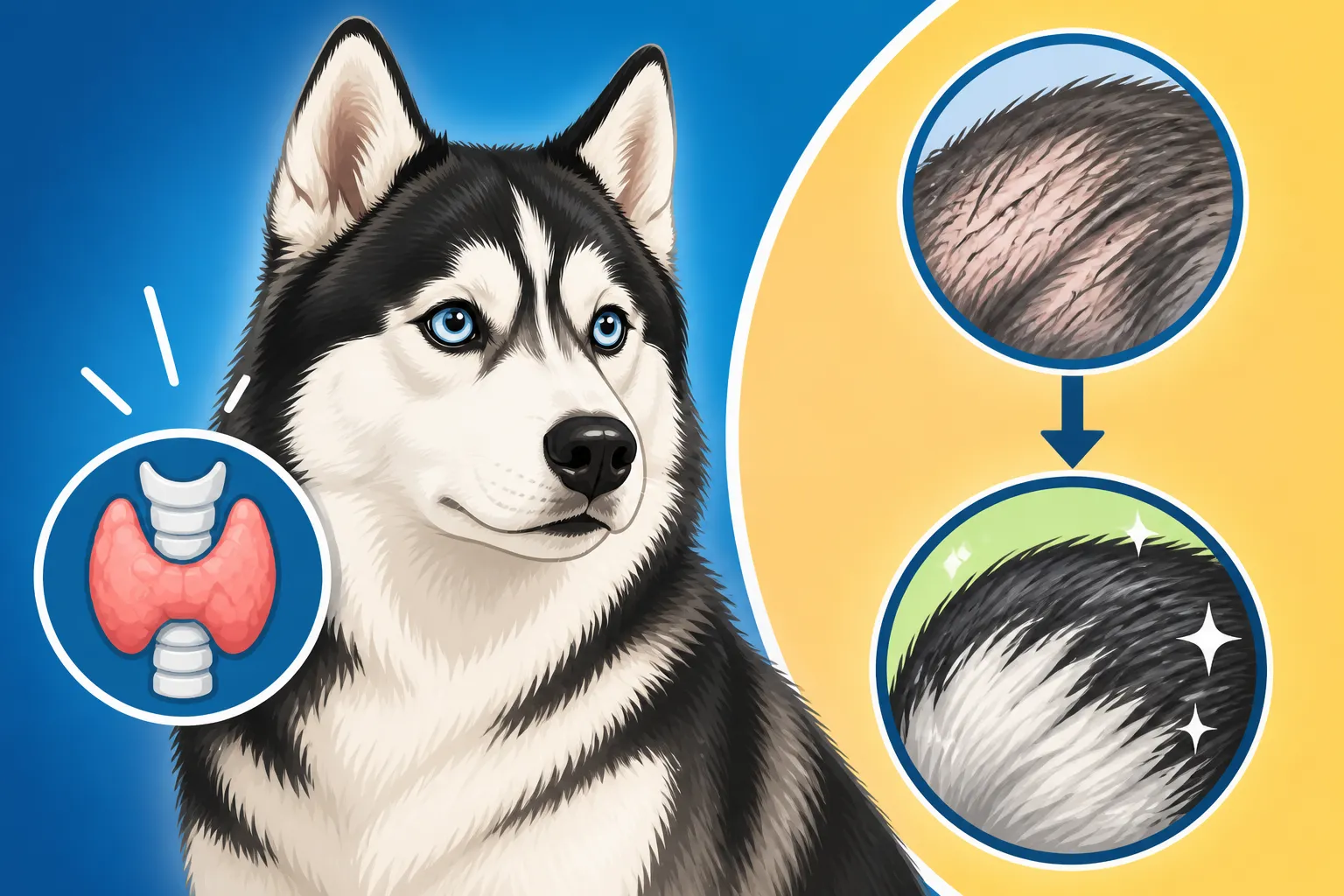
A healthy thyroid gland, located in the neck, produces a steady supply of these hormones. This production is regulated by the pituitary gland in the brain, which sends out Thyroid-Stimulating Hormone (TSH) to tell the thyroid when to get to work. It’s a delicate balance, and any disruption in this chain can lead to problems.
Why Siberian Huskies Show a Predisposition
It often feels like Siberians are a breed apart, doesn't it? Their incredible resilience, high energy, and distinctive traits are part of their charm, but they also come with some unique health considerations. When it comes to hypothyroidism, Siberian Huskies, along with a few other breeds like Golden Retrievers and Doberman Pinschers, tend to be overrepresented among diagnosed cases. The exact reasons aren't always crystal clear, but genetics certainly play a significant role. Many cases are thought to be primary hypothyroidism, often caused by autoimmune thyroiditis. This is where the dog's own immune system mistakenly attacks and destroys the thyroid gland tissue over time.
Because of this breed predisposition, if you ever notice changes in your Husky, even subtle ones, it's worth bringing up the possibility of thyroid issues with your veterinarian. This proactive approach can lead to earlier diagnosis and management, which is always better for your furry family member. Responsible breeders often consider these breed-specific health concerns, and understanding something like Health Testing Before You Buy a Siberian Husky can give you an edge in selecting a healthy puppy.
Recognizable Symptoms Beyond the Coat
While the coat changes are often the most noticeable and alarming symptom for owners, hypothyroidism in Siberian Huskies can manifest in a surprising array of ways, affecting their energy, skin, and even their temperament. It’s a systemic disease, meaning it impacts the entire body, so looking beyond just the hair is crucial for early detection.
The Classic Coat and Skin Changes
Let's face it, one of the most striking features of a Siberian Husky is their magnificent double coat. So, when that coat starts to look less than stellar, it’s bound to catch your eye. With hypothyroidism, you might observe a distinct dullness to the fur, losing its natural luster and feeling coarser to the touch. The hair might thin out, particularly over the trunk, flanks, and especially the tail, leading to what many owners call a "rat tail" appearance. The guard hairs, which give the Husky its protective and beautiful outer layer, can become brittle and break easily.
Beyond just shedding, you might notice areas where the hair simply isn't growing back, or new hair growth is incredibly slow. The skin itself can also suffer; it might become dry, flaky, and even hyperpigmented, appearing darker in certain areas. Chronic skin infections or recurrent ear infections, often caused by yeast or bacteria thriving on compromised skin, can also be a frustrating symptom. It's a stark contrast to their usual pristine appearance, and if you're battling a persistent dull coat that seems to defy all your grooming efforts, it's definitely a red flag. Keep in mind, however, that a massive shed is normal for a Husky during a Siberian Husky Coat Blow and the Six Weeks It Lasts, but a truly dull, thinning, or patchy coat outside of these seasonal blows warrants investigation.
Energy Levels and Behavioral Shifts
One of the most insidious ways hypothyroidism creeps up on a Husky owner is through subtle changes in their dog's energy and demeanor. Siberians are typically bundles of boundless energy, always ready for an adventure. But a hypothyroid Husky might seem to lose that spark. You might notice them becoming significantly more lethargic, sleeping more, and showing less enthusiasm for walks, playtime, or even their favorite activities. They might appear mentally dull, less alert, and less responsive than usual, sometimes even developing a noticeable weight gain in a hypothyroid Siberian Husky despite no changes in their diet or exercise. This is because their metabolism has slowed down dramatically, making it harder for them to burn calories efficiently.
Another tell-tale sign is cold intolerance. While Siberians are built for the cold, a hypothyroid dog might start seeking out warmer spots in the house, shiver more readily, or seem uncomfortable in temperatures they once reveled in. It's a quiet shift, but for an owner who knows their Husky's vibrant personality, these changes can be deeply concerning.
Other Physical Manifestations
Because thyroid hormones affect so many bodily systems, hypothyroidism can present with a variety of other, sometimes less obvious, physical signs. These can include:
- Weight Gain: As mentioned, a slowing metabolism often leads to unexplained weight gain, even if your Husky's diet and exercise routine haven't changed.
- Bradycardia: A slower-than-normal heart rate can be observed in some cases, which your vet might detect during a routine physical exam.
- Neurological Issues: Though less common, severe hypothyroidism can sometimes lead to neurological symptoms like facial nerve paralysis, weakness, or even seizures. If your Husky experiences Siberian Husky Seizures and Idiopathic Epilepsy, it's important to rule out all potential causes, including thyroid issues.
- Reproductive Problems: In breeding animals, hypothyroidism can be linked to infertility, irregular heat cycles, or poor litter outcomes.
- Anemia: Some Huskies with advanced hypothyroidism might show mild, non-regenerative anemia on blood tests.
It's clear that while a poor coat is a primary indicator, a constellation of these symptoms points more strongly to hypothyroidism. Keeping a detailed log of any changes you notice can be incredibly helpful for your veterinarian.
The Diagnostic Journey: Getting a Clear Answer
Pinpointing hypothyroidism isn't always as straightforward as it might seem. Many symptoms can mimic other conditions, and even thyroid test results can be misinterpreted. This is why working closely with an experienced veterinarian and understanding the different diagnostic steps is absolutely critical.
Initial Vet Visit and Screening Bloodwork
Your journey to diagnosis usually begins with a thorough physical examination at your veterinarian's office. Your vet will listen to your concerns, review your Husky's history, and perform a comprehensive check. They'll pay close attention to your Husky's weight, heart rate, skin condition, and coat quality. If hypothyroidism is suspected based on clinical signs, your vet will likely recommend a basic blood panel. This often includes a Complete Blood Count (CBC) and a biochemistry profile. While these tests don't directly diagnose hypothyroidism, they can sometimes reveal subtle changes that support the suspicion, such as mild anemia or elevated cholesterol levels, which can be associated with an underactive thyroid.
Following this, a basic thyroid screen might be performed. This typically measures total T4 (thyroxine) levels. While a low total T4 can be an indicator, it's not definitive on its own. Other factors, like certain medications (such as steroids or anti-seizure drugs), other illnesses (known as euthyroid sick syndrome), or even breed-specific differences can influence total T4 levels, sometimes leading to a false positive for hypothyroidism. This is a crucial point, as a simple low T4 isn't always the full story, especially with a breed like the Husky.
Comprehensive Thyroid Panels and Specificity
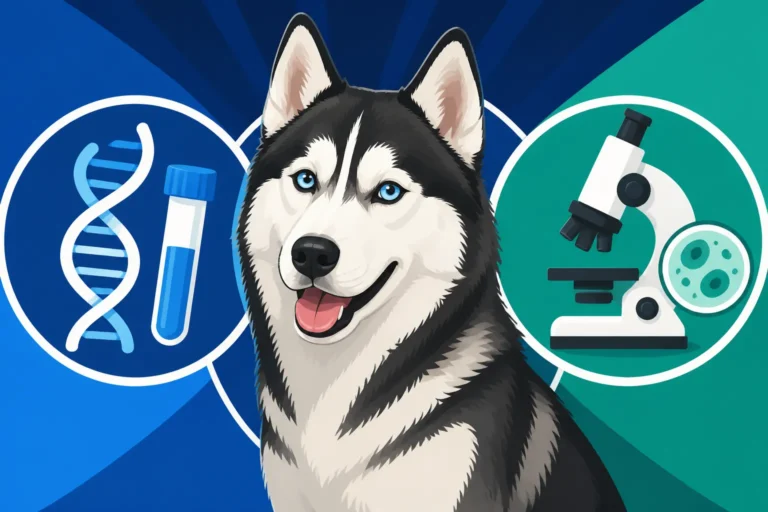
To get a truly accurate picture, a more comprehensive thyroid panel is usually necessary. This is where things get a bit more detailed but also much more precise. When you're dealing with something like Thyroid Blood Panels for a Siberian Husky, you'll want to ensure all the right markers are being checked. A full panel typically includes:
- Total T4 (TT4): Still important, but interpreted in context.
- Free T4 (fT4): This measures the unbound, biologically active form of T4. It's generally considered a more accurate indicator of thyroid function because it's less affected by non-thyroidal illnesses or medications.
- Total T3 (TT3) and Free T3 (fT3): While T3 is the most active form, its levels can fluctuate quite a bit, making it less reliable for initial diagnosis in dogs compared to T4. However, it can provide additional context.
- Canine TSH (cTSH): This measures the amount of Thyroid-Stimulating Hormone produced by the pituitary gland. If the thyroid gland isn't producing enough hormones, the pituitary gland tries to compensate by churning out more TSH. So, a high cTSH level, coupled with low T4 and fT4, is a strong indicator of primary hypothyroidism.
- Thyroglobulin Autoantibodies (TgAA): This test checks for antibodies that attack the thyroid gland. A positive result indicates autoimmune thyroiditis, which is a common cause of hypothyroidism in dogs. It confirms the autoimmune basis of the disease and can even be positive in dogs who are predisposed but not yet fully hypothyroid.
Interpreting these results requires expertise, as a single abnormal value isn't always enough to make a diagnosis. The overall clinical picture, your Husky's symptoms, and the combination of these blood values all come together for an accurate assessment.
Why Overdiagnosis is a Concern
It’s worth noting that Why Husky Hypothyroidism Is Overdiagnosed is a real issue. As mentioned, a low total T4 reading alone isn't enough, especially in a unique breed like the Siberian Husky. A phenomenon called "euthyroid sick syndrome" can occur, where a dog suffering from another non-thyroid illness (like a chronic infection, kidney disease, or even severe stress) can have temporarily depressed thyroid hormone levels, even though their thyroid gland is perfectly healthy. Administering thyroid medication in these cases is not only unnecessary but can be harmful.
Moreover, certain medications, specific nutritional deficiencies, or even the dog's breed can influence thyroid levels. For instance, some sighthound breeds naturally have lower thyroid levels than other dogs but are not hypothyroid. While Huskies don't typically fall into this "naturally low" category, their unique metabolism means a careful, comprehensive approach is always best. This is why your vet will likely recommend a full thyroid panel and will interpret the results alongside your Husky's specific symptoms before making a definitive diagnosis. It’s a process that demands patience and thoroughness.
Managing Hypothyroidism: Lifelong Care and Expectations
Receiving a diagnosis of hypothyroidism can feel overwhelming, but the good news is that it's a very manageable condition. With proper treatment and consistent monitoring, your Siberian Husky can go on to live a full, happy, and symptom-free life. It's a journey that requires commitment, but the reward of seeing your Husky regain their vitality is priceless.
Lifelong Medication Protocol
The cornerstone of treating hypothyroidism in Siberian Huskies is lifelong medication with synthetic thyroid hormone, typically levothyroxine. This medication effectively replaces the hormones your Husky's thyroid gland isn't producing. It's usually given orally, once or twice a day, depending on your vet's recommendation. The dosage, specifically Thyroid Medication Doses for a Siberian Husky, is tailored to your individual dog based on their weight, the severity of their condition, and their response to treatment. It's absolutely crucial to administer the medication consistently, at the same time each day, and ideally on an empty stomach (or at least consistently with food, as long as the response is good) to ensure optimal absorption.
Never, ever adjust the dosage or stop the medication without consulting your veterinarian. Suddenly stopping the medication can lead to a return of symptoms, and incorrect dosing can either be ineffective or, in rare cases, lead to hyperthyroidism (too much thyroid hormone), which has its own set of health risks. This medication is a commitment, but it's a small price to pay for your Husky's well-being.
Monitoring Treatment Effectiveness
Once your Husky starts on levothyroxine, it won't be long until you start seeing improvements. Within a few weeks, you should notice an increase in energy, a more alert demeanor, and a general improvement in their overall attitude. Coat and skin changes take a bit longer to resolve – typically several weeks to a few months – as hair growth cycles need time to regenerate. The "rat tail" might fill in, the dullness will fade, and their skin will become healthier.
Your vet will schedule follow-up blood tests, usually around 4-8 weeks after starting medication or after any dosage changes, to ensure the medication is working effectively. These tests, often called "recheck thyroid panels," measure your Husky's T4 levels (and sometimes TSH) to confirm they are within the normal range post-pill. The timing of this blood draw relative to the last dose of medication is important – often, vets prefer to test at a "peak" level (2-4 hours after medication) or a "trough" level (just before the next dose) depending on their protocol. These tests help your vet fine-tune the dosage to ensure your Husky is getting exactly what they need, no more and no less. Once stable, monitoring typically shifts to every 6-12 months.
Prognosis and Quality of Life
The prognosis for Siberian Huskies diagnosed with and properly treated for hypothyroidism is excellent. With consistent medication and regular veterinary check-ups, most Huskies lead completely normal, healthy, and happy lives. The symptoms disappear, their energy returns, their coats become beautiful again, and their general quality of life improves dramatically. It's truly one of those conditions where treatment makes a world of difference.
Of course, lifelong medication does come with a cost. Many owners find that investing in pet insurance, like a comprehensive policy from Healthy Paws, can be incredibly beneficial for managing the ongoing expenses of chronic conditions like hypothyroidism. This can help alleviate financial stress, allowing you to focus on what truly matters: your Husky's health and happiness.
Differentiating from Other Coat Issues
It's easy to jump to conclusions when you see your Husky's coat looking off, but it's crucial to remember that many different conditions can cause similar symptoms. A thorough diagnostic process is essential to rule out other potential culprits and ensure your Husky receives the correct treatment.
Common Causes of Coat Changes Other Than Hypothyroidism
While hypothyroidism is a significant concern for Siberian Huskies, their unique double coats can be affected by various other factors. Here are a few common ones that your vet will likely consider:
- Seasonal Shedding (Coat Blow): This is perhaps the most common and often misunderstood phenomenon. Siberian Huskies "blow" their coats twice a year, typically in spring and fall, shedding massive amounts of undercoat. During this time, their coats can look thin, ragged, and dull. However, this is a natural process, unlike the persistent, non-seasonal thinning seen in hypothyroidism. Understanding Siberian Husky Coat Blow and the Six Weeks It Lasts helps differentiate this natural cycle from a medical issue.
- Nutritional Deficiencies: A poor-quality diet lacking essential fatty acids, vitamins, or minerals can severely impact coat health, leading to dull, brittle fur and flaky skin. While a balanced commercial diet usually prevents this, individual absorption issues can sometimes arise.
- Allergies: Environmental allergies (atopy) or food allergies can cause itchy skin, leading to excessive scratching, licking, and chewing. This self-trauma can result in hair loss, skin infections, and a generally poor coat appearance.
- Parasites: Fleas, mites (like Demodex or Sarcoptes), and other external parasites can cause intense itching, leading to patchy hair loss, skin irritation, and infections. Regular parasite prevention is key.
- Other Endocrine Disorders: Conditions like Cushing's disease (hyperadrenocorticism) can also cause hair loss and skin changes. While less common in Huskies, it’s still on the differential list.
- Zinc-Responsive Dermatosis: This is another condition to specifically consider in Siberian Huskies. It's a genetic disorder where the dog cannot properly absorb zinc from their diet, leading to characteristic crusting lesions around the eyes, mouth, and genitals, often accompanied by hair loss and dull fur. Because of its prevalence in the breed, your vet will definitely be looking at Zinc-Responsive Dermatosis in the Siberian Husky as a possibility if your Husky has these particular skin symptoms.
Importance of Ruling Out Other Health Issues
The overlap in symptoms means that your veterinarian's diagnostic skills are truly put to the test. A vet won't just look at a dull coat and immediately prescribe thyroid medication; they'll consider the whole picture. This might involve additional tests beyond the thyroid panel, such as skin scrapings to check for mites, allergy testing, or even biopsies to examine skin tissue.
The goal is to avoid misdiagnosis, which can lead to ineffective treatment, prolonged suffering for your Husky, and unnecessary financial strain. For instance, treating an allergic Husky for hypothyroidism won't resolve their itching, and vice-versa. While your vet will guide you, being an informed owner who can articulate your Husky's full range of symptoms, even the subtle ones, greatly aids in this diagnostic process. It's another reason why many owners opt for pet insurance, such as Healthy Paws, to cover the costs of these varied diagnostic tests. It allows vets to pursue a thorough investigation without owners having to make tough choices based solely on budget.
The Genetic Link and Prevention
Understanding the potential genetic components of hypothyroidism in Siberian Huskies is vital, especially for those considering breeding or simply wanting to be proactive about their dog's long-term health. While we can't completely prevent all health issues, making informed choices can certainly reduce the risks.
Inherited Tendencies and Breeding Practices
As mentioned earlier, autoimmune thyroiditis, the most common cause of hypothyroidism in dogs, is believed to have a significant hereditary component. This means that affected dogs, or dogs carrying the genes predisposing them to the condition, can pass this tendency on to their offspring. In breeds like the Siberian Husky, where the incidence is higher, responsible breeders play a crucial role in minimizing the spread of this disease.
Ethical breeders should be testing their breeding stock for thyroid function as part of a comprehensive health screening program. While there isn't a single "hypothyroidism gene" test like there is for some other genetic diseases, regular thyroid panel testing (including TgAA to check for autoimmune tendencies) can help identify individuals at risk or those who may be carriers. Dogs with clinical hypothyroidism or strong evidence of autoimmune thyroiditis should ideally not be used for breeding. This careful selection process helps to ensure healthier generations of Siberian Huskies.
Proactive Health Management and Early Detection
For pet owners, understanding this genetic link primarily means being extra vigilant. If you own a Siberian Husky, particularly one from lines where hypothyroidism has been known to occur, it's wise to have regular wellness checks that include a discussion about potential thyroid symptoms. While a routine yearly blood panel might not always include a full thyroid workup, if you notice any changes in your Husky's energy, weight, or coat, don't hesitate to bring it to your vet's attention and specifically request a comprehensive thyroid panel.
Catching the disease early can prevent the more severe symptoms from developing and ensure your Husky remains comfortable and active. This proactive approach to health management, along with a high-quality diet, regular exercise, and loving care, contributes significantly to your Siberian Husky lifespan and helps them live their best, healthiest life. As your Husky ages, even into their senior years, understanding Caring for a Siberian Husky Past Ten will include continued vigilance for conditions like hypothyroidism, which can sometimes manifest later in life.
| Symptom Category | Hypothyroidism Signs | Other Common Causes (Examples) |
|---|---|---|
| Coat/Skin | Dull, dry, brittle coat; thinning hair (especially flanks/tail); slow regrowth; increased shedding; flaky skin; recurrent infections; hyperpigmentation | Seasonal coat blow, allergies, nutritional deficiencies, parasites (fleas, mites), Zinc-Responsive Dermatosis in the Siberian Husky |
| Energy/Weight | Lethargy, decreased activity, increased sleeping, mental dullness, unexplained weight gain, cold intolerance | Normal aging, insufficient exercise, poor diet, other systemic illnesses (e.g., heart disease, kidney disease), depression |
| Other | Bradycardia (slow heart rate), reproductive issues, sometimes neurological signs | Heart conditions, other endocrine diseases (e.g., Cushing's), certain medications, primary neurological disorders |
Disclaimer
This article is for general informational purposes only and does not constitute professional advice. Laws, prices and regulations vary by location and change over time. Consult a qualified professional for guidance on your specific situation.