The Oldest Recorded Siberian Huskies
It's heartbreaking to hear stories of Siberian Huskies ending up in shelters or passing away far too young, often due to preventable issues like escapes or untreated health conditions. Many people mistakenly believe this spirited breed has a naturally short lifespan, leading to a general pessimism about their longevity. But I'm here to tell you that with the right care, dedication, and a bit of luck, Siberian Huskies can live long, fulfilling lives, sometimes even stretching well into their senior years. This guide will explore the remarkable age some Huskies have reached, and what we can learn from their exceptional journeys to give our own furry companions the best chance at a long, healthy life.
Dispelling the Myth of Short Lifespans for Siberian Huskies
It’s a common misconception that Siberian Huskies are a short-lived breed. Perhaps it’s because of their high energy, their escape artist tendencies, or the sheer number that unfortunately end up in rescue situations. But the truth is, a properly cared-for Siberian Husky has the potential for a really respectable lifespan, often outliving many other medium to large breeds. The average Siberian Husky lifespan typically ranges from 12 to 14 years, but we often hear of them reaching 15, 16, or even beyond.
Why the Perception of Shorter Lives Exists
One of the biggest heartbreaks for Husky owners is losing their dog prematurely to trauma or an escape. These dogs are born to run, and their prey drive and independent nature mean that even the most well-trained Husky can bolt through an open gate or dig under a fence in pursuit of a squirrel or just the sheer joy of exploration. This wandering spirit, unfortunately, often leads to tragic encounters with cars, getting lost, or exposure to dangers they wouldn't face in a secure environment. When you look at statistics about What Siberian Huskies Most Often Die Of, you'll find that trauma and escape-related incidents play a significant, sad role, skewing the perception of their natural longevity. These aren't necessarily breed-specific health issues shortening their lives, but rather behavioral traits interacting with our modern environment.
Then there's the issue of ownership. Many people acquire Huskies based on their stunning looks without fully understanding their immense exercise needs, independent nature, or tendency to be vocal. When these traits aren't managed, the dogs can develop behavioral problems like destructive chewing or incessant howling, leading to owners surrendering them. A dog that is constantly stressed, rehomed, or neglected due to misunderstandings about the breed might not receive consistent veterinary care or proper nutrition, which inevitably impacts their overall health and lifespan.
The True Longevity Potential of the Breed
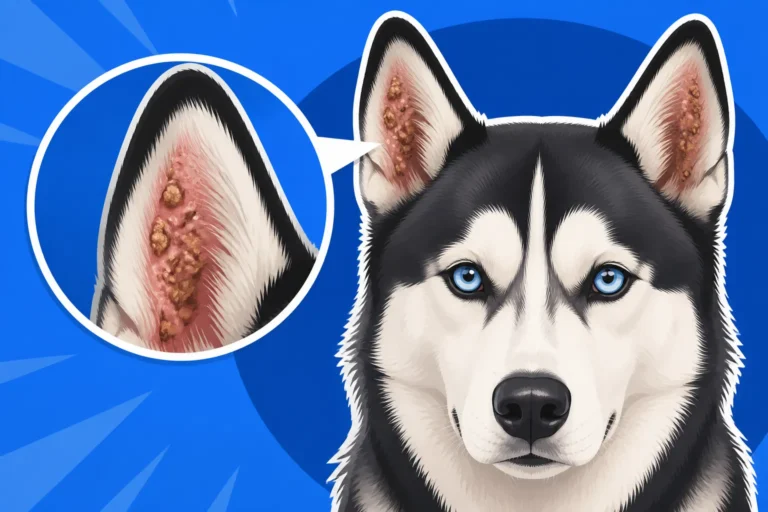
Despite these challenges, Siberian Huskies, when given a stable, loving home that understands their needs, are incredibly resilient dogs. Their strong genetic heritage, stemming from working dogs bred by the Chukchi people in Siberia, has equipped them with excellent stamina and a robust constitution. They aren't typically plagued by the severe orthopedic or cardiac issues seen in some other large breeds. While they do have specific breed health concerns, such as certain eye conditions or zinc deficiencies, many of these are manageable or detectable with proper screening.
When we talk about The Average Siberian Husky Lifespan, we're often looking at a range that doesn't fully capture the outliers—those exceptional individuals who defy the odds and live well into their late teens. These long-lived Huskies serve as shining examples of what’s possible when genetics, environment, and dedicated care align. It's a testament to the breed's inherent toughness and ability to thrive when their unique needs are met.
The Remarkable Stories of Long-Lived Huskies
While there isn't a single, universally recognized "oldest dog ever" for the Siberian Husky breed documented in places like the Guinness World Records, anecdotal reports from dedicated owners and breed enthusiasts regularly highlight Huskies living to truly impressive ages. These stories offer incredible insights into the breed's potential for longevity and the kind of care that can help them achieve it.
Documented Cases of Super Senior Siberians
Many proud owners have shared stories of their Siberian Huskies reaching ages of 16, 17, and even 18 years. For instance, there are numerous reports from online forums and breed groups of Huskies living to 17, such as "Charlie" from Australia, or "Maggie" from Scotland, whose owners shared their journeys. While these aren't always accompanied by veterinary records shared publicly to satisfy official world record standards, they are cherished memories and powerful examples within the Husky community.
What's clear from these anecdotes is that reaching such an advanced age isn't a fluke; it's usually the result of a combination of good fortune and extremely diligent ownership. These dogs weren't just "lucky"; they were often dogs whose owners were proactive about their health, understood their unique breed traits, and provided a consistent, enriching environment throughout their lives. It really drives home the point that while genetics play a role, our daily decisions as pet parents have a massive impact.
One famous historical example, though not the absolute oldest, is Togo, the lead dog of Leonhard Seppala's team during the 1925 Serum Run to Nome. Togo lived to be 14 years old, a remarkable age for a working sled dog of that era, especially given the incredible physical demands of his life. This highlights the inherent hardiness of the breed when managed expertly.
What These Long Lives Teach Us About Care
Looking at the care regimes for these super senior Huskies, several common themes emerge. First, these dogs rarely, if ever, experienced periods of being lost or exposed to significant environmental dangers. Their owners were meticulous about containment, ensuring secure yards and never trusting them off-leash. Second, they received consistent, high-quality veterinary care throughout their lives. This wasn't just reactive care when something went wrong, but proactive check-ups, appropriate vaccinations, and early intervention for any health concerns. Owners often had strong relationships with their vets and weren't afraid to seek specialist opinions when needed.
Third, their nutrition was thoughtfully managed, often with high-quality foods appropriate for their activity levels, and adjusted as they aged. Overweight Huskies are rare among these long-lived examples; they maintained a healthy, lean physique. Finally, and perhaps most importantly, these dogs remained active and mentally stimulated for as long as possible. Their owners understood that a Husky's spirit needs engagement, whether it's through adapted walks, puzzle toys, or simply continued interaction and attention, even when physical abilities declined. It's not about running marathons at 15, but about keeping their minds and bodies moving in ways that are safe and enjoyable for them.
Factors Contributing to an Exceptional Siberian Husky Lifespan
Achieving an exceptional lifespan with your Siberian Husky isn't just about luck; it's a careful balancing act of various factors that contribute to their overall well-being. From what they eat to how often they see the vet, every choice you make as an owner plays a part in helping them potentially become one of those remarkable super seniors.
Optimal Nutrition and Weight Management
One of the most crucial elements in a long and healthy life for any dog, including the Siberian Husky, is proper nutrition and maintaining a healthy weight. Huskies are known for their efficient metabolisms, meaning they often require less food than similarly sized breeds. It's easy to overfeed them, especially if you're going by generic feeding guidelines on commercial dog food bags. An overweight Husky puts undue strain on their joints, cardiovascular system, and other organs, significantly shortening their life.
Your Husky's diet should be high-quality, balanced, and appropriate for their age, activity level, and any specific health needs. Regular monitoring of their body condition—you should be able to feel their ribs easily without seeing them sharply, and they should have a discernible waist—is far more important than the number on the scale alone. Adjusting their Monthly Food Spend for an Adult Siberian Husky means more than just buying kibble; it means investing in quality nutrition and potentially supplements if recommended by your vet, especially if your Husky needs zinc supplementation due to breed-specific absorption issues.
Consistent Veterinary Care and Proactive Health Management
Regular veterinary check-ups are non-negotiable for a long-lived Husky. These aren't just for vaccinations; they're opportunities for your vet to catch subtle changes that could indicate the onset of health issues. Early detection is key to successful treatment and management. This includes routine blood work as your dog ages, which can monitor organ function and catch things like kidney or liver issues before they become critical.
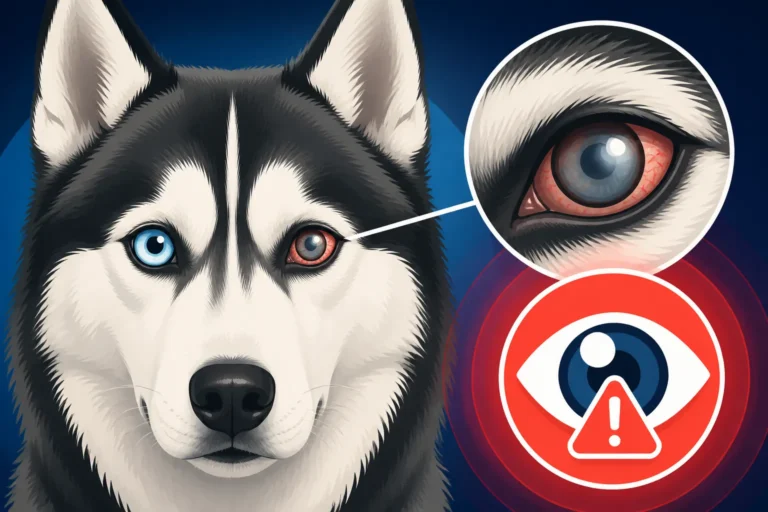
For Siberian Huskies, specific breed health concerns warrant particular attention. Yearly eye exams by a veterinary ophthalmologist are crucial, as Huskies are prone to certain eye diseases. You can learn more about Siberian Husky Eye Disease and the Annual Exam to understand what your vet will be looking for. Similarly, being aware of and potentially testing for Siberian Husky Thyroid and Autoimmune Disease can prevent complications from conditions like hypothyroidism, which can impact coat health, weight, and energy levels. While Siberian Huskies are generally known for Siberian Husky Hips and Why the Rate Is Low compared to many other large breeds, monitoring joint health as they age is still important, especially for active dogs.
Having pet insurance, like a plan from Healthy Paws, can be incredibly beneficial here. It helps ensure that you can afford the best possible care, from routine diagnostics to unexpected emergencies or managing chronic conditions. Understanding What a Siberian Husky Insurance Policy Excludes is important when signing up, but comprehensive coverage can be a lifesaver, removing the financial stress from critical health decisions.
Mental and Physical Stimulation Throughout Life
A Siberian Husky thrives on activity, both physical and mental. They were bred to run for miles, and that instinct doesn't disappear when they become a family pet. While their exercise needs might change as they age, maintaining appropriate levels of activity throughout their life is vital for their physical fitness and mental well-being. A bored Husky is a destructive Husky, and chronic stress from lack of stimulation can negatively impact their health.
For young and middle-aged Huskies, this means plenty of running, hiking, and engaging in activities like canicross or bikejoring if you're inclined. As they enter their senior years, the intensity might decrease, but the need for engagement remains. Gentle walks, puzzle toys, or even just regular training sessions with new tricks can keep their minds sharp and their bodies limber. This consistent engagement, adapting to their capabilities, is a hallmark of owners with long-lived Huskies.
The Role of Genetics and Responsible Breeding
While excellent care can make a tremendous difference in a Siberian Husky's lifespan, the genetic hand they're dealt at birth also plays a significant role. Choosing a dog from a responsible breeder who prioritizes health can stack the odds in favor of a longer, healthier life, free from preventable inherited conditions.
Inherited Health Conditions and Screening
Like all purebred dogs, Siberian Huskies are predisposed to certain genetic health conditions. Some of the most notable include various eye diseases such as cataracts (especially juvenile cataracts) and progressive retinal atrophy (PRA), as well as zinc-responsive dermatosis. While not typically life-threatening, these conditions can certainly impact a Husky's quality of life and require ongoing management.
Responsible breeders understand these risks and actively work to minimize them through genetic screening and careful breeding practices. They will conduct health testing on their breeding dogs for conditions prevalent in the breed. For instance, reputable breeders will have their dogs' eyes examined annually by a board-certified veterinary ophthalmologist. They might also perform DNA tests for specific conditions, such as The DNA Test for Siberian Husky PRA, to ensure they are not passing on known genetic markers for disease. When you are looking to buy a puppy, understanding Health Testing Before You Buy a Siberian Husky is paramount. These tests are not guarantees against all future health issues, but they significantly reduce the risk of inherited problems that could impact your Husky's longevity and well-being.
Choosing a Reputable Breeder
The impact of choosing a reputable breeder on your Siberian Husky's potential lifespan cannot be overstated. A good breeder does far more than just produce puppies; they are stewards of the breed, committed to producing healthy, well-socialized dogs with sound temperaments. They will meticulously research pedigrees, perform all recommended health clearances on their breeding stock, and be transparent about any health issues in their lines.
Conversely, a backyard breeder or puppy mill will often cut corners, skipping health testing to save money, breeding dogs with known health problems, and providing minimal care to the puppies. This leads to a higher likelihood of puppies inheriting genetic diseases, having weaker immune systems, and suffering from poor early socialization, all of which can contribute to a shorter or less healthy life.
A reputable breeder will be an invaluable resource throughout your dog's life, offering advice and support. They'll ask you as many questions as you ask them, ensuring their puppies go to suitable homes that understand the commitment involved in owning a Siberian Husky. This partnership from day one is crucial for fostering a long and healthy life for your new companion.
Supporting Your Senior Siberian Husky Into Their Golden Years
Watching your energetic Siberian Husky slow down is bittersweet. They might not be clearing six-foot fences anymore, but their spirit remains, and their need for love and tailored care only grows. Ensuring a comfortable and high-quality life for your senior Husky is key to maximizing their golden years.
Adapting Exercise and Activity Levels
As your Husky ages, their physical capabilities will naturally change. Arthritis, reduced stamina, and sensory decline might mean they can no longer keep up with their younger selves. The key is to adapt, not eliminate, their exercise routine. Shorter, more frequent walks at a slower pace can be more beneficial than one long, arduous trek. Gentle swimming can be excellent for joint health without impact. Puzzle toys and scent work can provide crucial mental stimulation when physical activity is limited.
Paying close attention to their signals is vital. If they're limping, stiff after a walk, or seem reluctant to move, it's time to ease up and consult your vet. Ignoring these signs can exacerbate pain and discourage them from moving altogether. Learning about Caring for a Siberian Husky Past Ten will give you many insights into how to modify their routine and environment to keep them comfortable and engaged without overdoing it. Remember, consistency in routine, even if it's gentler, is important for a senior dog's mental stability.
Managing Age-Related Ailments
Senior Huskies, like all aging dogs, become more susceptible to age-related health issues. These can include arthritis, cognitive dysfunction, kidney disease, heart conditions, and certain types of cancer. Regular veterinary check-ups become even more critical during this stage, often moving to twice a year, to catch and manage these conditions early. Your vet might recommend specific diagnostic tests, such as regular blood panels or X-rays, to monitor their health.
Managing pain, especially from arthritis, is a huge part of ensuring a good quality of life. There's a lot available these days, from anti-inflammatory medications to joint supplements, physical therapy, and even acupuncture. Discussing Pain Management for an Arthritic Siberian Husky with your vet will help you create a comprehensive plan to keep your dog comfortable and mobile. Cognitive decline, or "doggy dementia," can also occur, leading to disorientation or changes in sleep patterns. There are medications and supplements that can help manage these symptoms and maintain cognitive function. Again, having a robust pet insurance plan like those from Healthy Paws can make managing these chronic, often expensive, conditions far more manageable, allowing you to focus on your Husky's comfort rather than cost.
Creating a Comfortable and Safe Environment
Your home environment might need some adjustments to accommodate an aging Husky. Comfortable, orthopedic dog beds can provide much-needed support for stiff joints. Ramps or steps can help them get onto furniture or into cars without strain. Non-slip rugs on slick floors can prevent falls, which can be particularly dangerous for an older dog with reduced balance and bone density.
Ensure they have easy access to food and water, perhaps in multiple locations if they have difficulty moving around. Keep their routine consistent, as senior dogs often find comfort in predictability. And, of course, continue to provide an abundance of love, gentle petting, and quiet companionship. Even if they can't run trails with you anymore, they still cherish your presence and the comfort of their home. These thoughtful adjustments allow them to live out their golden years with dignity and comfort, truly valued members of your family.
Key Aspects for a Long and Healthy Siberian Husky Life
| Aspect of Care | Description | Impact on Longevity |
|---|---|---|
| Secure Containment | Ensuring a physically secure yard (at least 6-foot fence with anti-dig measures) and never trusting off-leash in unsecured areas. Vigilance around doors and gates. | Prevents escapes, trauma (e.g., car accidents), and exposure to diseases or dangers of being lost. |
| Optimal Nutrition | High-quality, species-appropriate diet, carefully portioned to avoid overfeeding due to their efficient metabolism. Consideration for breed-specific needs like zinc. | Maintains healthy weight, prevents obesity-related diseases (diabetes, heart issues, joint strain), and supports overall organ function. |
| Consistent Vet Care | Regular annual (or bi-annual for seniors) check-ups, appropriate vaccinations, parasite prevention, and early intervention for any health concerns. Annual eye exams by a specialist. | Early detection and management of diseases (e.g., Siberian Husky Eye Disease and the Annual Exam, thyroid issues, dental disease). Proactive care prevents conditions from becoming critical. |
| Mental & Physical Stimulation | Regular exercise tailored to age and health, including running, hiking, and mental enrichment through training, puzzle toys, and social interaction. | Prevents boredom, destructive behaviors, and stress. Maintains muscle mass, cardiovascular health, and cognitive function. Adaptations needed for senior Huskies. |
| Responsible Breeding | Choosing a puppy from a breeder who performs health clearances (OFA, CERF) on breeding stock, understands breed genetics, and offers ongoing support. | Reduces the risk of inherited diseases like cataracts, PRA, and some orthopedic issues, providing a healthier genetic foundation. Look up parent's health on databases like OFA. |
| Weight Management | Regularly assessing body condition, adjusting food intake, and providing appropriate exercise to keep the Husky lean. | Crucial for preventing obesity, which contributes to arthritis (see Siberian Husky Weight and Joint Health), heart disease, diabetes, and reduces overall lifespan. |
| Senior Care Adaptations | Modifying exercise, providing orthopedic beds, ramps, managing age-related pain (e.g., arthritis with guidance from Pain Management for an Arthritic Siberian Husky), and maintaining mental engagement. | Enhances quality of life in old age, reduces discomfort, and prevents secondary issues from immobility or cognitive decline, allowing your Husky to enjoy their remaining years comfortably. |
Disclaimer
The information provided in this article is for general informational purposes only and does not constitute veterinary advice. Always consult with a qualified veterinarian for any health concerns or before making any decisions about your pet's health or treatment.