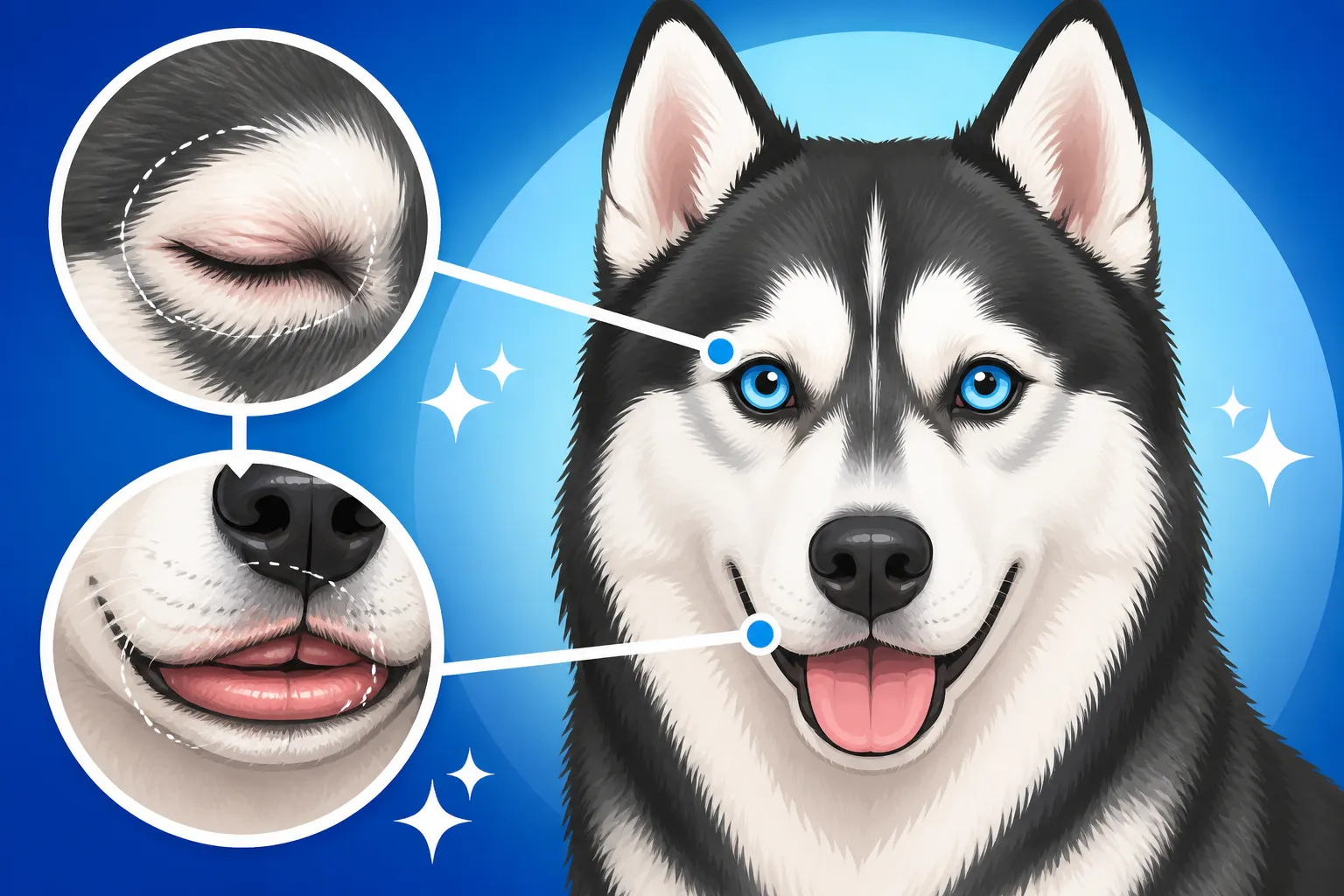
Whitening Lips and Eyelids in a Siberian Husky
It’s alarming to wake up one morning and notice that your Siberian Husky’s once dark, distinctive lips and eyelids are starting to fade, turning lighter, or even completely white. This sudden pigment loss isn't just a cosmetic change; it can sometimes signal an underlying health issue that needs prompt attention. This guide will walk you through the common reasons for this whitening, what to look for, and how to work with your veterinarian to ensure your beloved Husky stays healthy.
Understanding Pigment Loss Around Your Husky's Face
When we talk about "whitening" lips and eyelids in a Siberian Husky, we're really describing a process called depigmentation. This means the melanocytes, the cells responsible for producing pigment, are no longer functioning correctly or are being destroyed. For a breed known for its striking facial markings and often dark pigment, any change can be quite noticeable and concerning.
What Exactly is Happening to the Pigment?
The dark pigment on your Husky’s lips, nose, and eyelids is a result of melanin production. When this process is interrupted, the color fades. Think of it like a photograph losing its vibrancy over time – the underlying structure is there, but the color is gone. This can happen gradually, almost imperceptibly, or sometimes quite suddenly, leaving owners scratching their heads. It’s not just about aesthetics; pigment often serves protective functions, like shielding delicate tissues from UV light, so its loss can sometimes leave areas more vulnerable.
Common Areas Affected Beyond Lips and Eyelids
While lips and eyelids are frequently where owners first spot these changes, pigment loss in Siberian Huskies can affect other areas too. The nose, often referred to as "snow nose" when it lightens in winter, can sometimes undergo more permanent whitening unrelated to seasonal changes. You might also notice depigmentation on paw pads, around the anal area, or even in patches on the coat. Sometimes the pigment loss is symmetrical, affecting both sides of the face equally, which can be a clue for your vet. Being vigilant about checking these areas during your regular grooming sessions can help you catch changes early.
Uveodermatologic Syndrome UDS: More Than Just Pigment Loss
One of the most serious causes of pigment loss around the face, particularly the lips and eyelids, in Siberian Huskies is Uveodermatologic Syndrome (UDS). This is an autoimmune disease where the body's immune system mistakenly attacks its own pigment-producing cells. While the visible skin changes are concerning, the real danger of UDS lies in its impact on the eyes.
Recognizing the Signs of UDS Beyond Skin Changes
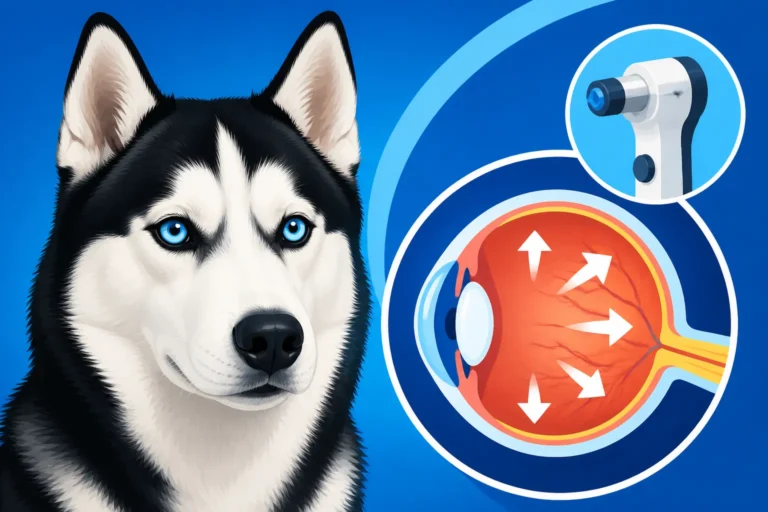
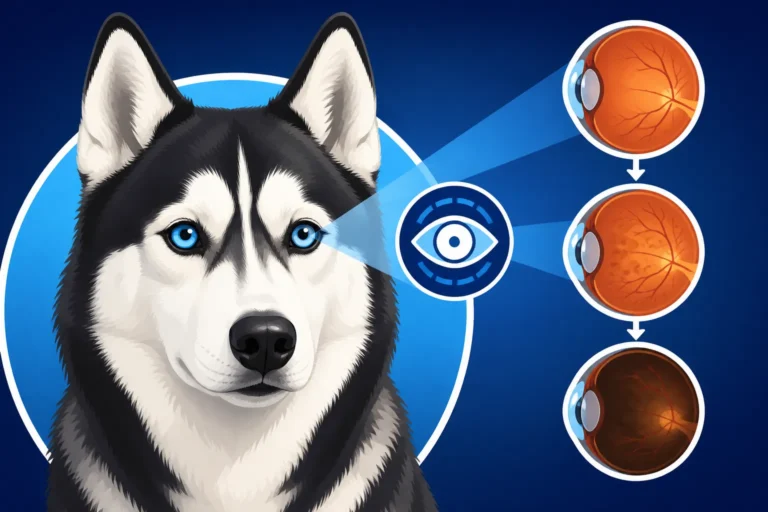
UDS is not just a skin condition; it's a systemic autoimmune disorder that primarily affects pigmented tissues. Beyond the whitening lips and eyelids, UDS can manifest in several critical ways. You might notice your Husky's nose turning pink (a condition sometimes called "Dudley nose"), or their paw pads losing color and becoming crusty or cracked. The most dangerous aspect, however, is the ocular involvement. Dogs with UDS often develop uveitis, an inflammation of the pigmented structures within the eye (like the iris and choroid). Symptoms of uveitis include redness, squinting, excessive tearing, cloudiness of the cornea, and sensitivity to light. If left untreated, this inflammation can rapidly lead to glaucoma and permanent blindness. It’s crucial to understand that pigment changes in the skin might be the first visible sign, but the internal ocular damage can progress quietly. If you’re seeing these signs, it's an emergency requiring immediate veterinary attention. Learn more about Why Husky Uveodermatologic Syndrome Threatens Sight.
The Critical Importance of Early Diagnosis and Treatment
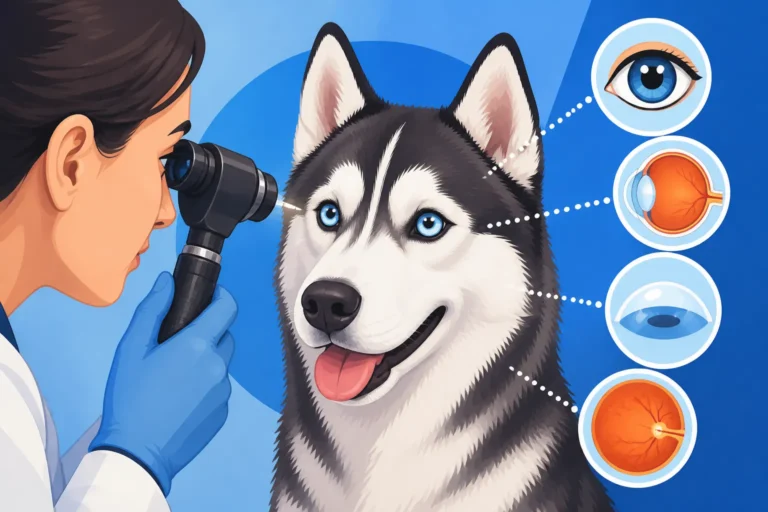
Given the potential for severe eye damage and blindness, early diagnosis and aggressive treatment are paramount when UDS is suspected. Your vet will likely perform a thorough physical exam and an ophthalmic exam. They might recommend an eye specialist (a veterinary ophthalmologist) who can do more detailed evaluations, like tonometry to check eye pressure, and examine the internal structures of the eye. Diagnosis often involves skin biopsies to look for characteristic inflammatory changes around melanocytes.
Treatment for UDS typically involves immunosuppressive medications, most commonly corticosteroids (like prednisone). These medications aim to suppress the overactive immune response that is attacking the pigment cells. The dosage usually starts high and is gradually reduced as the condition comes under control. This is a long-term, often lifelong, commitment, and regular monitoring for side effects of the medication is necessary. Early intervention can preserve vision and prevent irreversible damage. Without treatment, the inflammation in the eyes will continue to worsen, leading to severe pain and potential enucleation (eye removal) in extreme cases to alleviate suffering. It’s good to have a robust pet insurance plan like those offered by Healthy Paws to help manage the ongoing costs of diagnostics and medications for such a chronic condition. For more details on treatment, check out Steroid Treatment for Husky Uveodermatologic Syndrome.
Vitiligo: A Cosmetic Change, Not a Medical Threat
While Uveodermatologic Syndrome is a serious medical condition, not all pigment loss is cause for alarm. Vitiligo is another condition that can cause whitening of the lips and eyelids in Siberian Huskies, but it is purely cosmetic and typically doesn't pose a health risk.
How Vitiligo Differs from Uveodermatologic Syndrome
Vitiligo is a condition characterized by the loss of pigment in patches of skin and hair, resulting in white spots or areas. Like UDS, it's thought to be an immune-mediated disorder where the immune system attacks melanocytes. However, the key difference is that Vitiligo only affects the skin and hair; it does not involve the eyes or other organ systems. Your Husky with Vitiligo will not experience the painful eye inflammation, crusting paw pads, or systemic illness associated with UDS.
The pigment loss from Vitiligo often appears as distinct, well-demarcated white patches. It can be progressive, meaning the patches might grow or new ones might appear over time, but it doesn't cause discomfort or health complications for your dog. It's truly just a change in appearance. Many breeds, including Siberian Huskies, can develop Vitiligo, and it's thought to have a genetic component. If you’re unsure, a vet can help distinguish between these two conditions, but the absence of any eye involvement is a significant indicator that it might be vitiligo. You can find more specific information on Vitiligo in a Siberian Husky.
Managing a Siberian Husky with Vitiligo
Because Vitiligo is a purely cosmetic condition and does not impact your Husky's overall health or well-being, there is generally no medical treatment required or available. Many owners simply embrace their dog's unique appearance, viewing the white patches as charming individual traits. Some might even say it adds to their Husky's mystique!
While there’s no cure for Vitiligo, you can take some simple steps to protect the depigmented areas. Skin that has lost its pigment is more susceptible to sunburn, especially if your Husky loves to bask in the sun. Consider applying a pet-safe sunscreen to the affected areas, particularly the nose and lips, if they are going to be exposed to strong sunlight for extended periods. Always choose a product specifically formulated for dogs to avoid any toxic ingredients. Regular check-ups with your vet, like the routine Siberian Husky Vet Visits by Life Stage, can help monitor any changes and confirm that the pigment loss remains isolated to the skin.
Diagnostic Journey and Treatment Paths
When your Siberian Husky begins to show signs of pigment loss around the lips and eyelids, your first step should always be a visit to your veterinarian. Self-diagnosing these conditions can be dangerous, especially given the serious implications of UDS. Your vet will follow a structured approach to get to the bottom of the changes.
Your Vet's Approach to Pinpointing the Cause
Upon noticing pigment loss, your veterinarian will start with a thorough physical examination, paying close attention to the affected areas and looking for any other dermatological signs like crusting, redness, or lesions elsewhere on the body. A key part of the exam will be assessing your Husky's eyes for any signs of inflammation or discomfort. This might involve dimming the lights to examine the internal structures of the eye.
Depending on their initial findings, your vet might recommend several diagnostic tests:
- Ophthalmic Exam: If there’s any suspicion of eye involvement, they'll likely refer you to a veterinary ophthalmologist for a comprehensive eye exam. This is critical to rule out or confirm uveitis, a hallmark of UDS. An ophthalmologist can perform tests like checking intraocular pressure and using specialized equipment to examine the retina and other internal eye structures. These annual exams are vital for the breed; learn Why Siberian Huskies Need Their Eyes Checked Yearly.
- Skin Biopsy: This is often the definitive diagnostic tool. Small samples of the affected skin are taken under local anesthetic and sent to a veterinary pathologist. The pathologist will examine the tissue under a microscope to look for specific cellular changes characteristic of UDS (inflammation targeting melanocytes) or Vitiligo (absence of melanocytes without inflammation).
- Blood Work: While not directly diagnostic for these pigmentary disorders, blood tests might be run to check overall health and rule out other systemic illnesses, especially if your Husky is showing other signs of being unwell. This is part of general Health Testing Before You Buy a Siberian Husky and throughout their life.
Having pet insurance, like a comprehensive plan from Healthy Paws, can be incredibly beneficial during this diagnostic phase. These tests, especially specialist consultations and biopsies, can add up quickly, and insurance can help alleviate the financial burden, allowing you to focus on getting the best care for your Husky.
| Condition | Primary Affected Areas | Eye Involvement | Pain/Discomfort | Systemic Health Impact | Treatment Focus | Prognosis |
|---|---|---|---|---|---|---|
| Uveodermatologic Syndrome | Lips, eyelids, nose, paw pads, hair; also eyes | YES (Uveitis, Glaucoma risk) | Often (eye pain) | Yes (autoimmune) | Immunosuppression (steroids), eye medications | Guarded, requires lifelong management, vision threat |
| Vitiligo | Lips, eyelids, nose, paw pads, hair (patches) | NO | No | No (purely cosmetic) | None (cosmetic only), sun protection | Excellent (cosmetic, no health threat) |
Long-Term Care and Prognosis for Pigmentary Issues
The long-term care and prognosis depend entirely on the diagnosis:
- For Uveodermatologic Syndrome (UDS): This is a lifelong condition requiring diligent management. Your Husky will likely need continuous immunosuppressive therapy, which means regular vet visits to monitor medication effectiveness and check for side effects. You'll also need frequent follow-ups with the veterinary ophthalmologist to manage eye health. The goal is to control the inflammation, prevent blindness, and maintain a good quality of life. The prognosis for vision is guarded, meaning it’s not always possible to save their sight entirely, especially if treatment is delayed. However, with consistent care, many Huskies with UDS can live full lives, even if they experience some vision impairment. This is one of the more challenging conditions to manage, and your Healthy Paws policy can significantly assist with the ongoing costs of specialized care and medications.
- For Vitiligo: The prognosis is excellent. Since it's a cosmetic condition, your Husky’s health won't be impacted. The pigment loss might continue to spread or stabilize, but it won't cause them any pain or discomfort. You simply continue with their normal care routine, perhaps adding some sun protection for depigmented areas. There's no need for special medication or ongoing medical interventions related to the Vitiligo itself.
In either case, understanding the cause of the whitening lips and eyelids in your Siberian Husky is the first and most critical step. Armed with accurate information and a strong partnership with your vet, you can ensure your dog receives the best possible care, whether that means managing a serious autoimmune condition or simply appreciating their uniquely beautiful appearance.
Disclaimer
This article is intended for informational purposes only and does not constitute medical advice. Always consult with a qualified veterinarian for any health concerns or before making any decisions about your pet's health or treatment.