What Siberian Husky CHIC Certification Requires
It's incredibly frustrating when you're trying to make the best decisions for your beloved Siberian Husky, whether you're a prospective owner trying to find a healthy puppy or a dedicated breeder aiming for responsible practices, and you keep running into acronyms like "CHIC" without a clear understanding of what it actually means. You want to ensure your husky has the best chance at a long, healthy life, and understanding these certifications is a huge part of that. This guide will walk you through exactly what CHIC certification requires for Siberian Huskies, demystifying the process and explaining why these health clearances are so vital.
What is CHIC Certification and Why it Matters
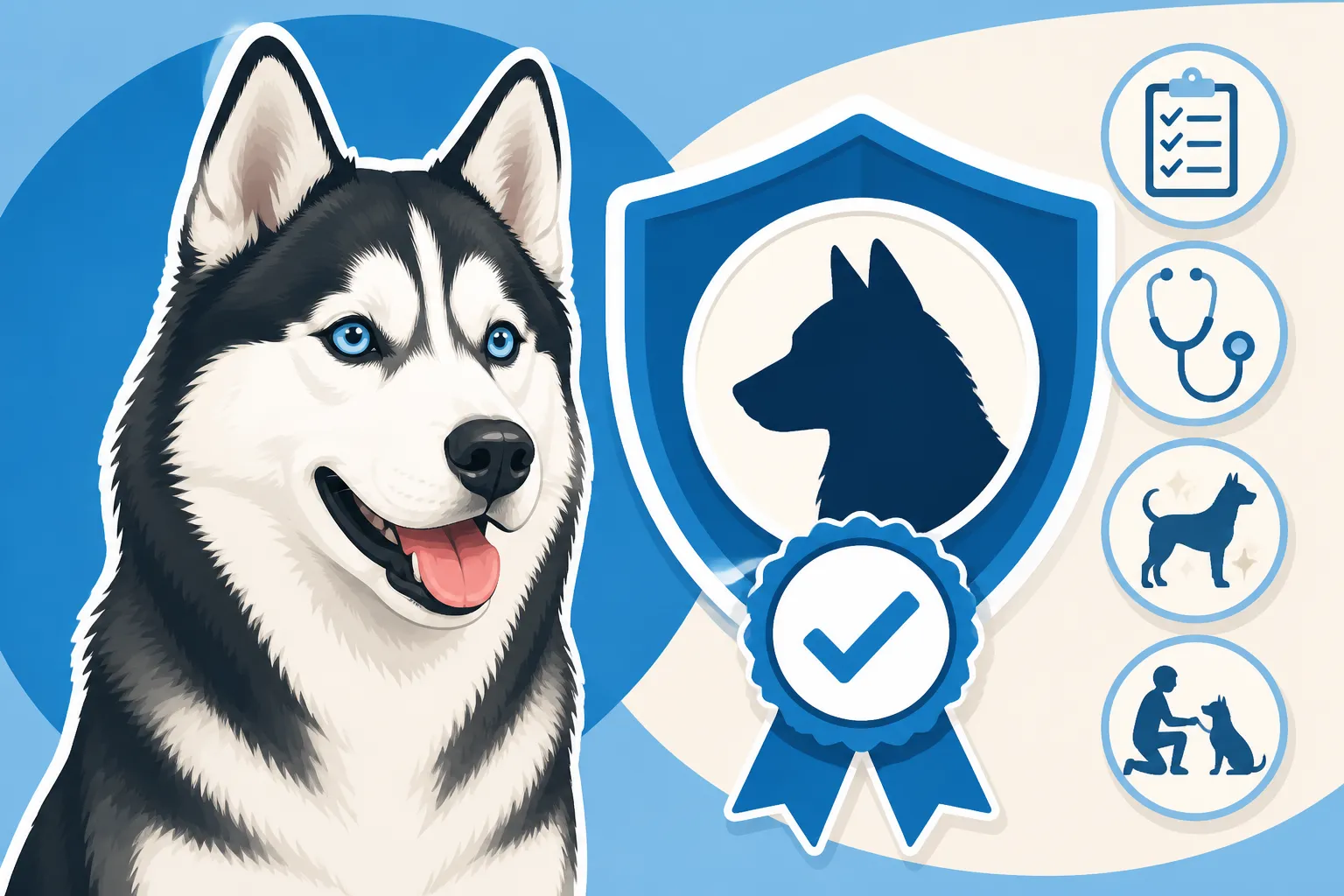
The Canine Health Information Center (CHIC) is a program managed by the Orthopedic Foundation for Animals (OFA) that aims to facilitate the collection and dissemination of health information on individual dogs. The core idea is simple: by encouraging breeders to screen their dogs for common genetic diseases and making those results publicly available, CHIC helps breed clubs establish health testing protocols and allows puppy buyers to make informed choices. For a breed like the Siberian Husky, known for its incredible athleticism and unique temperament, ensuring genetic health is paramount to maintaining the integrity and well-being of the line.
The Purpose of a CHIC Number
Earning a CHIC number isn't just a fancy certificate; it signifies that a dog has undergone a specific set of health screenings deemed important for the breed by the parent club, in this case, the Siberian Husky Club of America (SHCA). It's a testament to a breeder's commitment to transparency and the health of their dogs, going beyond just good intentions. Without this kind of standardized testing, it's a lot harder to track genetic predispositions and make progress in reducing the incidence of inherited diseases. It helps prospective puppy owners avoid potential heartbreak and expensive veterinary bills down the road, and it gives responsible breeders a tangible way to demonstrate their dedication.
The Value of Publicly Available Health Data
One of the most powerful aspects of CHIC is that the results are public. This means anyone, including you, can look up a dog by its registered name or number on the OFA website and see its health clearances. This transparency is crucial. It prevents unethical breeders from claiming their dogs are tested when they aren't, and it allows serious buyers to verify claims. Imagine finding a puppy you adore, only to realize later that one of its parents had a serious genetic condition that could have been screened for. The OFA database, backed by CHIC, empowers you to check the facts before you commit. This level of verification is invaluable for safeguarding the future of the breed.
The Mandatory Health Tests for Siberian Huskies
For a Siberian Husky to receive a CHIC number, it must undergo specific health screenings as determined by the Siberian Husky Club of America and the OFA. These tests focus on conditions that have a known genetic component or are particularly prevalent in the breed. It's not just a suggestion; it's a requirement to truly demonstrate a commitment to breed health. These screenings ensure that breeders are actively working to minimize the passing on of hereditary issues, contributing to a healthier population overall.
Hip Dysplasia Evaluation
While Siberian Huskies are actually known for having one of the lowest rates of hip dysplasia among larger breeds, with many finding that Siberian Husky Hips and Why the Rate Is Low is quite reassuring, hip evaluations are still a mandatory part of CHIC certification. This might seem a little counterintuitive, but it's an important safeguard. Even a low incidence rate doesn't mean zero, and the potential impact of hip dysplasia on an active breed like the husky can be devastating.
The evaluation involves X-rays that are submitted to the OFA for expert review. Veterinarian radiologists assess the images for signs of hip joint laxity or degenerative changes, grading them as excellent, good, fair, borderline, mild, moderate, or severe. Only dogs receiving a grade of fair, good, or excellent are considered clear and can receive an OFA certification for their hips. It's a rigorous process designed to identify dogs that could pass on this debilitating condition, ensuring that future generations maintain the breed's excellent hip health reputation. Understanding Reading a Siberian Husky's OFA Hip Result can help you interpret these clearances.
Ophthalmologist Examination for Eye Disease
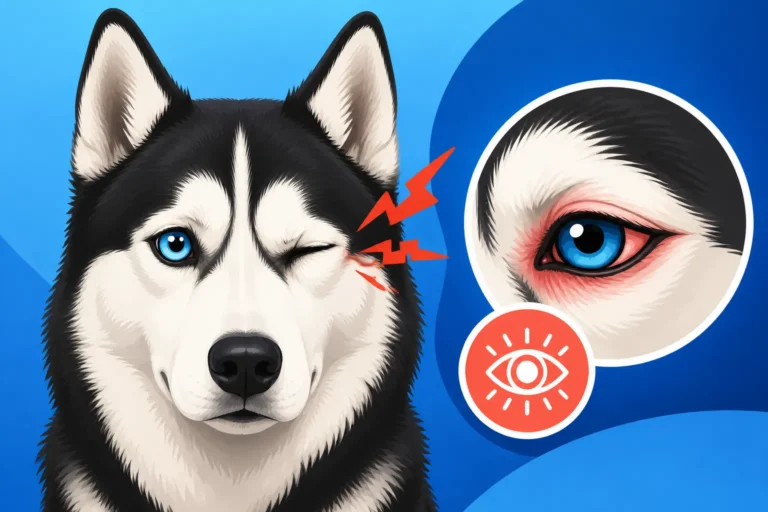
Eye health is another critical area for Siberian Huskies, and it's a non-negotiable part of CHIC certification. Siberian Huskies are predisposed to several inherited eye conditions, which makes regular examinations by a board-certified veterinary ophthalmologist absolutely essential. These specialized exams are more thorough than a general vet check-up and are designed to detect subtle signs of disease that might not be apparent to an untrained eye. You might even wonder Why a Siberian Husky Needs an Eye Exam Every Year, and the reason is precisely to catch these progressive conditions early.
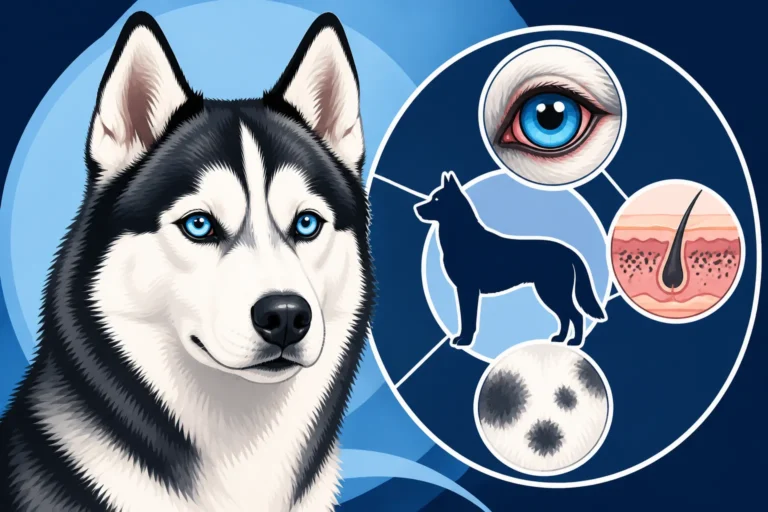
The required eye exam, officially known as a Companion Animal Eye Registry (CAER) exam (formerly CERF), screens for a range of conditions. For Siberian Huskies, some of the key concerns include:
- Juvenile Cataracts: These can appear in young dogs and, if severe enough, can impair vision or even lead to blindness. Learning about Juvenile Cataracts in the Siberian Husky is important for any husky owner or breeder.
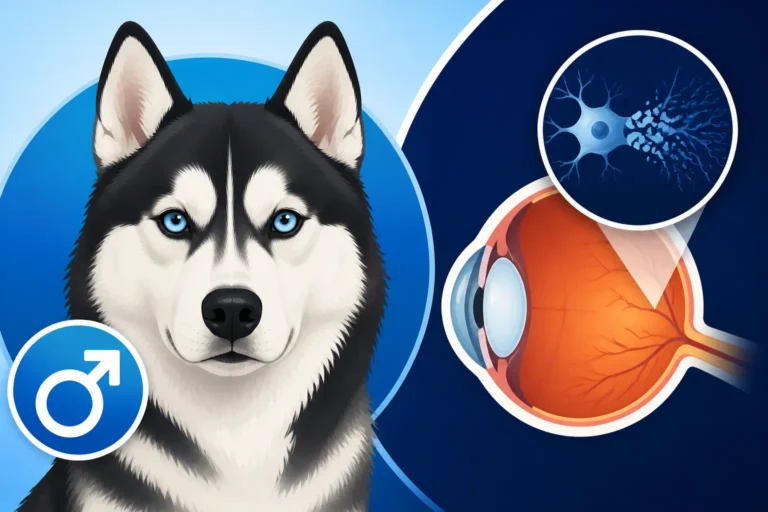
- Progressive Retinal Atrophy (PRA): This group of degenerative diseases affects the retina, leading to eventual blindness. Huskies have a specific X-linked form of PRA.
- Corneal Dystrophy: This condition involves abnormal deposits in the cornea, which can affect vision clarity.
The ophthalmologist will dilate the dog's pupils and use special instruments to examine all parts of the eye. The results are then submitted to the OFA. An eye exam certificate is only valid for 12 months, meaning this test must be repeated annually to maintain current CHIC compliance. This regular screening is crucial because some eye conditions can develop or progress with age.
Understanding the Thyroid Screening Requirements
Thyroid health is another area of focus for the Siberian Husky CHIC program. While not as universally prevalent as in some other breeds, autoimmune thyroiditis can affect Huskies, leading to hypothyroidism. This condition can manifest in various ways, from subtle changes in coat quality to more serious metabolic issues. Recognizing the signs and ensuring proper testing is part of responsible breeding and ownership. For more detailed information, exploring Siberian Husky Thyroid and Autoimmune Disease can be incredibly helpful.
The Importance of Thyroid Panels
The CHIC requirement for thyroid screening involves a specific thyroid panel that tests for levels of various thyroid hormones and autoantibodies. It's not just a single T4 test; a comprehensive panel provides a much clearer picture of thyroid function and whether the dog's immune system is attacking its own thyroid gland. This is particularly important because early stages of autoimmune thyroiditis might only show up as elevated autoantibodies before actual hormone levels drop.
These tests are typically submitted to an OFA-approved laboratory. The OFA will then register the results, categorizing them as normal or abnormal. This screening helps breeders identify affected dogs and make informed decisions to avoid perpetuating the condition in future generations. It’s a proactive step that can save a great deal of heartache and management challenges down the line.
When Thyroid Screening Should Occur
For CHIC certification, thyroid screening typically begins once the dog is mature enough to reliably show results, generally around two years of age. However, some breeders may opt for earlier screenings as a baseline. Since autoimmune conditions can develop over time, repeat testing may be recommended for breeding dogs, especially if initial results are borderline or if there's a family history of thyroid issues. Regular monitoring is key, much like you might have regular check-ups for yourself to stay on top of your health.
Here’s a summary of the core CHIC requirements for Siberian Huskies:
| Health Test | Minimum Age for Evaluation | Frequency | What it Screens For | OFA Link Example |
|---|---|---|---|---|
| Hip Dysplasia | 24 months (2 years) | Once (for lifetime) | Degenerative joint disease, laxity of the hip joint. Grades: Excellent, Good, Fair, Borderline, Mild, Moderate, Severe. | OFA Hip Dysplasia |
| Ophthalmologist Exam | Any age | Annually | Inherited eye diseases like juvenile cataracts, PRA, corneal dystrophy, glaucoma. Valid for 12 months. | OFA Eye Certification |
| Thyroid Evaluation | 12 months (1 year) | Annually (recommended for breeding dogs) | Autoimmune thyroiditis, hypothyroidism. Screens for hormone levels (T3, T4) and autoantibodies (TgAA). | OFA Thyroid Disease |
The Process of Getting a CHIC Number
Navigating the world of health certifications can feel a bit daunting, especially if you're new to it. But getting a CHIC number for a Siberian Husky is a clear, step-by-step process designed for accuracy and transparency. It essentially involves ensuring all the required health tests are completed, the results are submitted to the OFA, and they are then made public. This process ensures that comprehensive health data is available for breeders and prospective owners, helping them make informed decisions.
Submitting Test Results to the OFA
Once your Siberian Husky undergoes the required hip, eye, and thyroid evaluations, your veterinarian or veterinary ophthalmologist will typically submit the results directly to the OFA. Each test has its own submission form and fee. It’s crucial that all documentation is filled out accurately, including your dog’s registered name and AKC number, so that the results are correctly associated with your dog in the database.
For the hip X-rays, the images are sent to the OFA for review by multiple board-certified radiologists. For eye exams, the ophthalmologist records findings on the CAER form, which is then sent to the OFA. Similarly, for thyroid panels, the OFA-approved lab sends the results to the OFA. Once all these individual clearances are processed and marked as "passing" or "normal" according to the breed club's requirements, your dog's CHIC eligibility is complete. You can actually look up your dog or its ancestors in the OFA database to see individual test results, which is a great way to verify the information.
What Happens Once All Requirements Are Met
After all the mandatory tests have been successfully completed and the results are registered and publicly available in the OFA database, the OFA will automatically issue a CHIC number for your Siberian Husky. There's no separate application form for the CHIC number itself, as it's generated once all specific breed health requirements are met. You'll receive a CHIC certificate, and your dog’s profile on the OFA website will be updated to show its CHIC status. This certificate is proof that your husky meets the health screening recommendations set by the Siberian Husky Club of America. This provides a clear, verifiable record that can give peace of mind, whether you're a breeder making decisions about pairings or a puppy buyer evaluating a potential new family member. It really helps you understand What Siberian Husky CHIC Certification Requires from start to finish.
What CHIC Certification Doesn't Cover
It’s easy to assume that a CHIC-certified dog is completely free of all health problems, but that's not quite how it works. While CHIC certification is an invaluable tool for promoting responsible breeding and identifying common hereditary conditions, it's really important to understand its limitations. A CHIC number signifies that a dog has been screened for the specific conditions mandated by the breed club, and the results have been made public. It's not a magical shield against all future ailments, nor does it cover every possible genetic flaw.
Not a Guarantee Against All Health Issues
Even with a CHIC number, a Siberian Husky can still develop other health issues, whether they are environmental, age-related, or genetic conditions not included in the mandatory testing panel. For example, conditions like cancer, allergies, or injuries are not covered by CHIC certifications. It's a snapshot of specific genetic predispositions at a given time, not a lifetime health guarantee. Think of it as a solid foundation, but not the entire house. This is why ongoing veterinary care and pet insurance plans, like those offered by Healthy Paws, remain crucial throughout your husky's life, as they can help with unexpected health challenges that fall outside of genetic screening.
It's also important to remember that some genetic conditions have complex inheritance patterns or late onset, meaning a dog might pass all required tests as a young adult but still develop issues later in life, or be an asymptomatic carrier of a recessive gene not covered by a specific test. This highlights the importance of comprehensive health testing, but also acknowledges that science is always advancing.
No Substitute for Good Breeding Practices
CHIC certification is a powerful tool within a responsible breeding program, but it's not a substitute for all other aspects of good breeding. A truly responsible breeder considers many factors beyond just CHIC clearances, including temperament, conformation to the breed standard, longevity in the pedigree, and overall health history of the dog's relatives. They also provide proper nutrition, socialization, and a clean environment for their puppies.
A breeder who only focuses on passing the minimum CHIC requirements and ignores other critical factors might not be producing the healthiest or best-adjusted puppies. This is why when you are researching a puppy, it's vital to speak with the breeder in depth, visit their facility, and ask about their overall breeding philosophy. Always ask to see not only the CHIC certification but also the full Health Testing Before You Buy a Siberian Husky paperwork for both parents. A good breeder will be transparent about everything, not just the basics.
The Broader Impact of CHIC on Siberian Husky Health
The existence of programs like CHIC has a profound positive impact on the health trajectory of breeds like the Siberian Husky. It represents a collective effort from passionate breeders, veterinary specialists, and breed clubs to actively combat inherited diseases. By setting clear standards and promoting transparency, CHIC empowers owners and breeders alike to make more informed decisions, ultimately leading to healthier, happier dogs. This isn't just about individual dogs; it's about the long-term well-being of the entire breed.
Raising the Bar for Responsible Breeding
Before standardized health testing and programs like CHIC, prospective puppy owners often had to rely solely on a breeder's word when it came to the health of their lineage. This left a lot of room for ambiguity and, unfortunately, sometimes deception. CHIC changes that by providing objective, verifiable data. Breeders who participate in CHIC certification are actively demonstrating their commitment to the breed's health, distinguishing themselves from those who might cut corners. This effectively raises the bar for what is considered "responsible" breeding.
When more breeders adhere to CHIC guidelines, it creates a larger pool of genetically sound dogs, making it easier to select breeding pairs that will produce healthy offspring. This trickle-down effect helps reduce the prevalence of genetic diseases across the entire breed population over time. It’s a significant investment of time and money for breeders, but one that truly pays off in the health of future generations.
Informed Decisions for Puppy Buyers
For those looking to bring a Siberian Husky into their home, finding a puppy from CHIC-certified parents offers a much greater sense of security. It allows you to confidently assess the genetic health background of your potential new family member, reducing the risk of encountering costly and heartbreaking inherited conditions later on. You're not just buying a cute face; you're investing in a lifetime of companionship, and knowing that the parents have been screened provides immense peace of mind.
When you're looking at puppies, ask breeders for their dogs' OFA CHIC numbers and then take the time to verify them on the OFA website. This simple step can save you from a lot of potential heartache and expense. It's part of doing your due diligence as a responsible pet owner, ensuring you're supporting ethical practices. Remember, a healthy start, backed by genetic screening, contributes immensely to a Siberian Husky Lifespan and What Shortens It, giving you more precious years with your beloved companion.
Practical Steps for Owners and Breeders
Whether you're an experienced breeder or someone considering their first Siberian Husky, understanding how to utilize CHIC information is key. For breeders, it means active participation. For owners, it means being an educated consumer. Both roles are vital in supporting the ongoing health of the Siberian Husky breed.
For Prospective Puppy Owners
As you embark on the exciting journey of finding a Siberian Husky puppy, making CHIC certification a non-negotiable part of your criteria is paramount. When you contact a breeder, one of your first questions should be about the health clearances of the sire and dam. Specifically ask for their OFA CHIC numbers, or at the very least, their individual OFA numbers for hips, eyes, and thyroid.
Once you have these numbers, take a few minutes to visit the Orthopedic Foundation for Animals (OFA) public database online. Simply enter the dog's registered name or OFA number to view their official health clearances. Look for passing grades (e.g., "Good" or "Excellent" for hips, "Normal" for thyroid, and current "Normal" for eyes). Don't just take a breeder's word for it; verify the information yourself. This due diligence ensures you're supporting breeders who genuinely prioritize health. Remember, seeing Reading a Siberian Husky Puppy's Health Paperwork can help you decode everything they provide. Additionally, consider how a robust pet insurance plan, such as Healthy Paws, can complement these certifications by providing a financial safety net for any unforeseen health challenges your puppy might face down the line.
For Current Siberian Husky Breeders
For breeders, CHIC certification isn't just a hurdle; it's a fundamental part of responsible breeding ethics. Actively participating in the CHIC program demonstrates your commitment to the long-term health and integrity of the Siberian Husky breed. Ensure all your breeding stock undergoes the required hip, eye, and thyroid evaluations at the appropriate ages. Keep meticulous records of all health tests, not just for your own reference but also to share transparently with prospective puppy buyers.
Beyond just the basic CHIC requirements, consider going above and beyond. Are there other recommended tests for your specific lines or geographic area? Do you track the longevity and health outcomes of past puppies? Engage with the Siberian Husky Club of America's health committee to stay informed about new research or evolving recommendations. Openly discussing health results, even less-than-perfect ones, helps the entire breeding community learn and improve. It’s a continuous effort that requires dedication and a genuine love for the breed, ensuring that future generations of Siberians remain as robust and captivating as the ones we cherish today. Consider regular consultations with your vet, and perhaps a specialized pet insurance policy from a provider like Healthy Paws, to manage ongoing health monitoring costs for your breeding dogs.
Disclaimer
The information provided in this guide is for general informational purposes only and does not constitute veterinary advice. Always consult with a qualified veterinarian for any health concerns or before making any decisions about your pet's health and treatment. Health testing recommendations and requirements can change, so it's always best to refer to the most current guidelines from the Orthopedic Foundation for Animals (OFA) and the Siberian Husky Club of America.