Siberian Husky Lifespan and What Shortens It
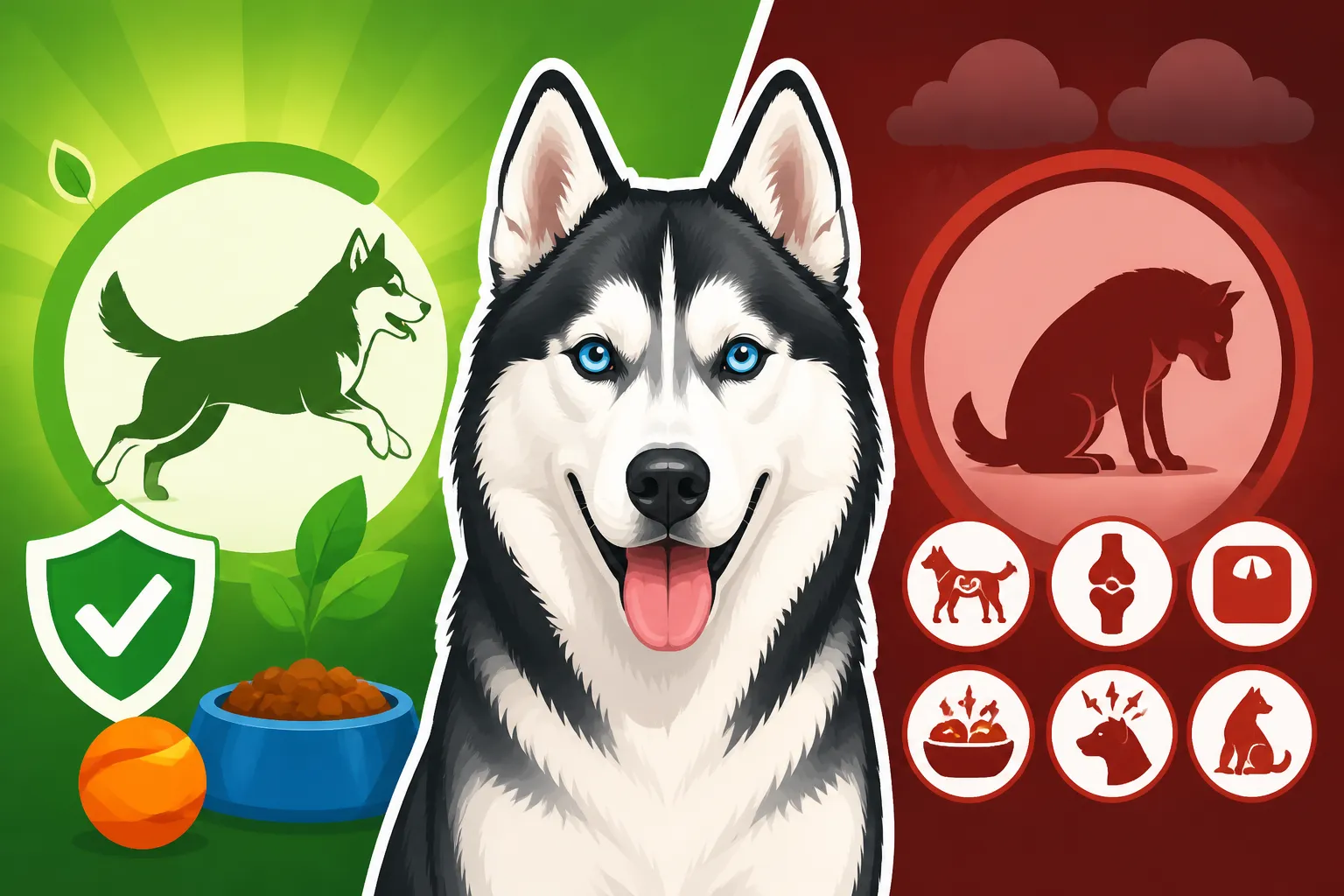
Bringing a Siberian Husky into your life is a commitment to a vibrant, energetic companion, and naturally, one of the biggest questions on any Husky owner's mind is, "How long will I have with them?" It’s a truly valid concern, especially when you hear stories of beloved pets passing too soon. The good news is that Siberian Huskies are generally a robust breed, known for their impressive hardiness. This guide will delve deep into the average Siberian Husky lifespan, exploring the fascinating factors that contribute to their longevity and, crucially, what common pitfalls and health issues can unfortunately cut their time with us short. We’ll arm you with the knowledge to help your furry family member live the longest, healthiest, and happiest life possible.
Understanding the Average Siberian Husky Lifespan
When you look at a Siberian Husky, you see a dog built for endurance and resilience. These incredible animals were bred by the Chukchi people of Siberia to be efficient, strong, and healthy working dogs in extreme conditions, and that lineage has gifted them with a remarkable constitution. Most Siberian Huskies enjoy a good, long life, often outliving many other medium to large breeds.
What Contributes to Their Longevity
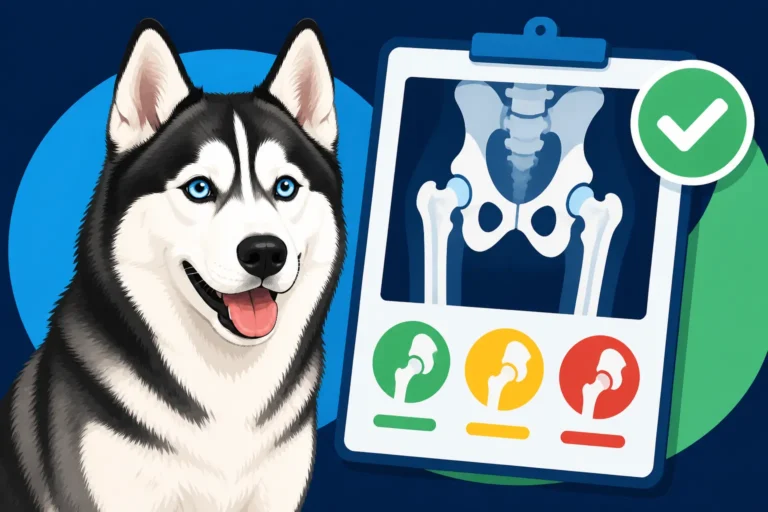
One of the most heartwarming aspects of the Siberian Husky is their inherent robustness. Unlike some larger breeds prone to debilitating joint issues, Siberian Huskies tend to have surprisingly healthy hips and often exhibit a lower incidence of common breed-specific genetic diseases when bred responsibly. Their active lifestyle, which is essential for their well-being, also plays a huge role in keeping them physically fit and mentally sharp. They truly thrive when they have a job to do or ample opportunities to burn off that boundless energy. It's truly a testament to their origins that they often enjoy a lifespan that extends well into their senior years. If you've ever wondered Why Siberian Huskies Outlive Most Medium Breeds, their efficient metabolism and hardy genetics are key.
Factors Influencing Individual Lifespan
While the breed as a whole is quite healthy, an individual Siberian Husky's lifespan is a tapestry woven from many threads. Genetics are a foundational piece; choosing a puppy from a reputable breeder who performs thorough health testing for conditions like eye diseases and thyroid issues can make a world of difference. Beyond that, the day-to-day care you provide is paramount. This includes everything from a high-quality, appropriate diet to consistent exercise, and regular preventative veterinary care. Neglect, inadequate nutrition, or a sedentary lifestyle can, unfortunately, chip away at even the strongest genetic predispositions. This blend of nature and nurture dictates the ultimate journey of your individual dog. The full picture of The Average Siberian Husky Lifespan really considers all these moving parts.
Major Health Issues That Can Shorten a Husky's Life
While Huskies are generally healthy, no breed is entirely immune to health challenges. Being aware of the most common issues and knowing how to prevent or manage them can significantly impact your Husky's health and longevity. It's never a fun topic, but facing these realities head-on is part of being a responsible owner.
Genetic Predispositions and Screening
Siberian Huskies, like many purebred dogs, have certain genetic predispositions that can shorten their lives if not caught or managed properly. Eye diseases are a significant concern, with conditions like progressive retinal atrophy (PRA) and juvenile cataracts being more prevalent in the breed. These can lead to blindness, which while not directly life-threatening, can impact a dog's quality of life and expose them to secondary risks. Another area to be aware of is Siberian Husky Thyroid and Autoimmune Disease, with hypothyroidism occasionally seen. Responsible breeders are crucial here, as they screen their breeding stock for these known issues, helping to reduce their prevalence in future generations. This is why understanding Siberian Husky Eye Disease and the Annual Exam is so vital from puppyhood. Always make sure to ask about Health Testing Before You Buy a Siberian Husky.
Preventing and Managing Common Ailments
Beyond specific genetic conditions, general health management plays a huge role. For instance, dental health is often overlooked until a problem becomes severe, but chronic dental disease can lead to serious systemic infections affecting the heart, kidneys, and other organs. Regular brushing and professional cleanings, perhaps starting around Siberian Husky Dental Disease by Age Five, can prevent a host of issues. Similarly, while Huskies have excellent hips, maintaining a healthy weight is paramount to prevent undue stress on joints as they age, even if they're not predisposed to hip dysplasia like some other breeds. Good nutrition and plenty of appropriate exercise contribute significantly to joint health and overall well-being. Keeping a close eye on their physical condition and activity levels is key to managing conditions like Siberian Husky Weight and Joint Health. Early intervention for any health concern, no matter how small it seems, can often prevent it from becoming a life-shortening crisis.
The Impact of Nutrition and Exercise
It's no secret that what we put into our bodies and how much we move influences our health, and the same goes for our Huskies. Their unique physiology means their dietary and exercise needs are specific, and getting it wrong can have serious consequences for their long-term health.
Proper Diet for Longevity
Siberian Huskies are famous for their incredibly efficient metabolisms. This means they often require less food than you might expect for their size and energy levels, a fact that surprises many new owners. Overfeeding is a common mistake that can quickly lead to obesity, which in turn exacerbates joint problems, increases the risk of diabetes, heart disease, and puts a general strain on their entire system. This is why reading the bag's feeding chart and simply scooping can often lead to overconsumption; learning to assess your dog's body condition and adjusting their food accordingly is crucial. You might be surprised to learn that Feeding a Siberian Husky on 60 Percent of the Label is sometimes all they need.
Beyond quantity, the quality of their food matters. A diet rich in appropriate nutrients supports their immune system, maintains a healthy coat, and provides the energy for their active lifestyle. Some Huskies also have specific nutritional needs, such as a predisposition to zinc-responsive dermatosis, where their bodies don't absorb zinc effectively from food. In these cases, even a perfectly balanced diet won't fix the underlying issue without supplementation, highlighting Why a Balanced Diet Does Not Fix Husky Zinc Loss in particular cases. Consulting with your vet or a veterinary nutritionist can ensure your Husky is getting exactly what they need to thrive.
The Critical Role of Exercise
A well-exercised Siberian Husky is a happy and, most importantly, a healthy Siberian Husky. These dogs were bred to run, pull, and work. Without sufficient physical and mental stimulation, they can quickly become bored, stressed, and destructive. This isn't just a nuisance; chronic stress and lack of activity can weaken their immune system, contribute to anxiety-related behaviors that might lead to injury (think chewing through walls or escaping), and generally decrease their overall quality of life.
The key isn't just a quick walk around the block. Huskies need vigorous activity, whether it's long runs, bikejoring, canicross, or hiking. Engaging their minds with training, puzzle toys, and new experiences is just as important as physical exertion. A dog that is regularly exercised maintains a healthier weight, has stronger muscles and joints, and experiences less behavioral stress. Understanding How Much Exercise a Siberian Husky Really Needs is fundamental to keeping them healthy and happy, preventing both physical and mental decline that could, in the long run, shorten their lives.
Environmental and Safety Risks
For a breed as adventurous and independent as the Siberian Husky, their environment and the safety measures we put in place are paramount to their survival. Unfortunately, a significant number of Husky lives are cut short due to preventable accidents stemming from their inherent traits.
Escape and Trauma
This is arguably one of the most critical factors impacting the lifespan of Siberian Huskies. Their legendary escape artist skills and strong prey drive mean they are incredibly prone to running off. Once loose, they face a myriad of dangers: being hit by cars, getting into fights with other animals (wild or domestic), encountering toxic substances, or succumbing to the elements if lost for an extended period. It’s a heartbreaking reality that Siberian Husky Deaths From Trauma and Escape are far too common.
Because of this deeply ingrained instinct to roam and explore, you simply cannot trust a Siberian Husky off-leash, especially in unfenced areas. A secure yard, preferably with a six-foot fence that has an L-footer to prevent digging under, is non-negotiable. Even then, they are adept climbers and problem-solvers when it comes to gates. It's not just about inconvenience; it's about keeping them safe. This is why the advice that Why a Siberian Husky Cannot Be Trusted Off Leash is repeated so often by experienced owners and rescues. Investing in secure containment and recall training (though recall can be challenging for this breed) is literally a matter of life and death. You absolutely must take every measure to prevent Stopping a Siberian Husky From Escaping the Yard.
Weather Extremes and Heatstroke
Despite their Arctic origins, Siberian Huskies are not invincible to all weather conditions. While they famously tolerate cold, there are still limits, especially for older or less robust individuals, or those not accustomed to sleeping outdoors. More critically, their thick double coat, designed to insulate against cold, makes them highly susceptible to overheating and heatstroke in warmer climates or during intense exercise in summer.
Heatstroke is a medical emergency that can quickly be fatal. Symptoms include excessive panting, drooling, weakness, staggering, and collapse. Even a short walk on a hot, humid day can be dangerous for a Husky. Owners must be vigilant about timing exercise to the cooler parts of the day, providing constant access to shade and fresh water, and avoiding strenuous activity when temperatures rise. Cooling vests or mats can help, but nothing replaces common sense and careful monitoring. Living in a hot climate with a Husky means being constantly aware of Heat Stroke Risk in a Siberian Husky. While they are incredibly resilient to cold, understanding Cold Tolerance Limits for a Siberian Husky is also important to ensure their comfort and safety.
The Role of Preventative Veterinary Care
Just like with humans, regular check-ups and early intervention are absolutely vital for maintaining a Siberian Husky's health and extending their lifespan. Ignoring preventative care is like driving a car without ever changing the oil – eventually, something major is bound to break down.
Regular Check-ups and Vaccinations
Bringing your Siberian Husky to the veterinarian for annual wellness exams, even when they seem perfectly healthy, is one of the best investments you can make in their long-term health. These visits allow your vet to catch subtle changes that you might miss, monitor their weight, listen to their heart and lungs, and perform routine screenings. Early detection of issues like changes in kidney function, subtle heart murmurs, or even dental problems can mean the difference between easy management and a life-threatening crisis.
Vaccinations are equally critical, protecting your Husky from common and often deadly infectious diseases like distemper, parvovirus, and rabies. Regular parasite prevention – including heartworm medication and flea/tick control – safeguards them from diseases carried by these pests. If you live in an area with high tick populations, for example, understanding Parasite Prevention for an Outdoor Siberian Husky becomes non-negotiable. Having a reliable pet insurance plan, like one from Healthy Paws, can certainly ease the financial burden of these essential wellness visits and any unexpected health challenges that might arise, ensuring you can always prioritize your Husky's health without financial stress. Planning for Siberian Husky Vet Visits by Life Stage ensures consistent care from puppyhood to their golden years.
Spaying/Neutering and Lifespan Considerations
The decision to spay or neuter your Siberian Husky has various health implications that can influence their lifespan. For females, spaying eliminates the risk of uterine infections (pyometra), which are common and life-threatening, and significantly reduces the risk of mammary cancer if done before their first heat cycle. For males, neutering prevents testicular cancer and can reduce the incidence of prostate problems.
Beyond cancer prevention, neutering males can lessen their urge to roam in search of females, thereby reducing the risk of escapes, fights, and being hit by cars – a huge factor for this adventurous breed. However, there are also considerations regarding orthopedic health and even potential changes to their iconic double coat following spay/neuter surgery, which you can learn more about in Neutering a Siberian Husky and the Coat Question. It's a nuanced decision best discussed with your veterinarian, weighing the health benefits against other factors relevant to your individual dog and lifestyle. Often, the preventative health benefits, particularly for wander-prone males, outweigh the potential drawbacks.
Mental and Emotional Well-being
It's easy to focus on physical health, but a Siberian Husky's mental and emotional state is just as crucial for a long, fulfilling life. A dog that is perpetually stressed or bored can suffer both behaviorally and physically, potentially leading to situations that shorten their time with us.
The Impact of Stress and Boredom
A Siberian Husky that isn't stimulated, both physically and mentally, is a ticking time bomb of potential problems. Boredom often manifests as destructive behavior – chewing furniture, digging up the yard, scratching at doors and windows. This isn't just frustrating; it can lead to injuries or create an unsafe living environment that increases the likelihood of escape. Chronic stress, whether from lack of routine, insufficient exercise, or prolonged isolation, can weaken their immune system, making them more susceptible to illness.
Furthermore, behavioral issues stemming from boredom or anxiety can sometimes lead to rehoming, exposing the dog to the stress and dangers of shelter life or an uncertain future. A dog that is destructive due to boredom is not a happy dog, and that unhappiness can undoubtedly impact their overall health. Understanding Siberian Husky Destruction When Left Alone is critical for addressing these underlying needs and preventing a downward spiral. Providing regular mental challenges through training, puzzle toys, and new experiences is just as important as physical exercise in keeping their minds engaged and their stress levels low.
Strong Bonding and a Stable Environment
Siberian Huskies, despite their independent reputation, thrive on a strong connection with their human family and a stable, predictable home environment. They are social animals and do best when they feel like an integral part of the pack. A loving, consistent home provides the security they need and the vigilance required to manage a breed with such a strong wanderlust and prey drive.
When a Husky feels secure and well-cared for, they are less prone to anxiety-driven behaviors. Owners who are deeply bonded with their Huskies are also more likely to notice subtle health changes, maintain their exercise routine, and invest in preventative care. This strong bond fosters an environment where the Husky is not just surviving, but truly thriving, which is undoubtedly linked to a longer, healthier life. A stable, understanding home is their sanctuary against a world that sometimes doesn't understand their unique needs, contributing greatly to their overall well-being.
| Factor Shortening Lifespan | Impact on Husky | Preventative/Mitigation Strategy |
|---|---|---|
| Escape & Trauma | Hit by car, fights, lost, exposure, injury | Secure 6ft+ fencing with L-footers, never off-leash, microchip, GPS collar, strong door manners |
| Obesity | Joint strain, diabetes, heart disease, reduced mobility | Strict portion control, measure food, appropriate high-quality diet, regular exercise, body condition checks |
| Heatstroke | Organ damage, brain damage, death | Avoid exercise in heat, provide shade/water, cool rooms, emergency vet knowledge, avoid hot pavement |
| Genetic Diseases | Blindness (PRA, cataracts), thyroid issues | Choose reputable breeders who health test parents (OFA, CERF, DNA), regular vet check-ups |
| Dental Disease | Systemic infections (heart, kidney), pain, tooth loss | Daily brushing, dental chews, professional vet cleanings |
| Lack of Exercise/Stimulation | Stress, anxiety, destructive behaviors, escapes, weight gain | Daily vigorous exercise, mental enrichment, training, consistent routine, provide appropriate "jobs" |
| Infectious Diseases | Viral/bacterial illness, parasitic infestations | Core vaccinations, year-round parasite prevention (heartworm, flea/tick), avoid high-risk areas |
| Pyometra (unspayed females) | Life-threatening uterine infection | Spaying |
| Testicular Cancer (unneutered males) | Malignant tumor | Neutering |
Disclaimer
This guide is intended for informational purposes only and is not a substitute for professional veterinary advice. Always consult with a qualified veterinarian regarding your Siberian Husky's health and any specific concerns you may have.