Parasite Prevention for an Outdoor Siberian Husky
Allowing your majestic Siberian Husky to revel in the great outdoors, exploring, sniffing, and embracing their inherent wild spirit, is one of the true joys of sharing your life with this incredible breed. However, this love for adventure comes with a very real, often invisible, threat: parasites. It's a constant worry for many of us – how do we let them be a Husky without exposing them to nasty bugs that can cause serious illness? This comprehensive guide is here to equip you with everything you need to know about preventing parasites in your outdoor-loving Siberian Husky, so you can both enjoy their adventures with peace of mind.
Understanding the Outdoor Husky's Parasite Risk
Siberian Huskies are, by nature, active and curious dogs with a strong drive to explore their surroundings. This innate desire to roam and investigate means they are inherently more exposed to various parasites than a dog that primarily lives indoors. Understanding these unique risk factors is the first step in building an effective prevention strategy.
The Lure of the Wild: Roaming and Hunting Instincts
Let's be honest, few breeds embody the spirit of the wild quite like a Siberian Husky. Their history as sled dogs in harsh environments has imprinted them with an incredible stamina, an insatiable curiosity, and a powerful prey drive. This means they are often found investigating tall grasses, dense brush, under fallen leaves, and even digging in the dirt – all prime habitats for ticks, fleas, and the eggs or larvae of various worms. If your Husky has an opportunity to chase after squirrels, rabbits, or even deer, that interaction with wildlife, or simply the environments these creatures inhabit, significantly increases their exposure to parasites. They might track through areas frequented by coyotes, foxes, or feral cats, picking up fleas or ingesting worm eggs left behind in feces.
Furthermore, many Huskies have a strong instinct to hunt and may consume small rodents or birds if given the chance. While this might seem like a natural part of their predatory behavior, it’s a direct pathway for internal parasites. Fleas carrying tapeworm larvae or mice infected with roundworms can easily transmit these unwelcome guests to your Husky upon ingestion. Even just sniffing and licking in contaminated areas, common for any dog with a keen nose, can lead to exposure. This is why even a well-contained Siberian Husky who spends significant time in a backyard can be at high risk if local wildlife frequents the area.
Geographic Risks and Regional Parasite Threats
The specific parasite threats your Siberian Husky faces can vary dramatically depending on where you live. What's a major concern in the humid South might be less so in the dry Southwest, and vice-versa. For instance, areas with warm, humid climates often see higher populations of fleas and mosquitoes, leading to a greater risk of flea infestations and heartworm disease. Conversely, regions with dense wooded areas or tall grasslands, like the Pacific Northwest or parts of New England, are notorious for their tick populations, carrying risks for Lyme disease, anaplasmosis, and ehrlichiosis. Even within states, rural areas near forests or large parks will have different profiles than urban settings.
It’s crucial to speak with your local veterinarian about the prevalent parasites in your specific region. They can provide tailored advice based on local disease incidence and environmental conditions. For example, some areas might have a higher prevalence of certain types of intestinal worms due to specific wildlife populations or soil conditions. Understanding your local risks allows you to prioritize certain preventatives or to be more vigilant about specific symptoms. This local knowledge is paramount in crafting an effective Parasite Prevention for an Outdoor Siberian Husky strategy.
How a Double Coat Hides Pests
Siberian Huskies are renowned for their magnificent double coats, perfectly designed to protect them from extreme cold. This thick, dense fur, consisting of a soft undercoat and coarser guard hairs, is fantastic for insulation but presents a unique challenge when it comes to parasite detection. Ticks, fleas, and other external parasites can easily burrow deep within the coat, making them incredibly difficult to spot during a routine visual check or even a thorough petting session.
Fleas can breed rapidly in the warmth and shelter of the undercoat, often going unnoticed until a significant infestation has taken hold, leading to intense itching, skin irritation, and even secondary skin infections. Ticks can attach to the skin and remain hidden for days, engorging themselves on blood while transmitting diseases, without you ever seeing them. By the time you find a tick, it may have already completed its feeding cycle and potentially passed on pathogens. This hiding advantage means that even with diligent grooming and regular "tick checks through a Siberian Husky's undercoat", prevention is far more effective than trying to spot and remove parasites once they've taken hold. It’s a battle of vigilance against camouflage.
External Parasites: Ticks, Fleas, and Mites
These are the creepy crawlies that live on your Husky, causing discomfort, skin issues, and acting as vectors for a host of serious diseases. For an outdoor Siberian Husky, exposure to these pests is almost a given, making consistent prevention absolutely critical.
The Dangers of Ticks and Tick-Borne Diseases
Ticks are tiny arachnids that are far more than just a nuisance; they are formidable disease vectors. When your Husky roams through tall grass, brush, or wooded areas – their favorite kind of adventure – ticks are waiting, ready to latch on. Once attached, they feed on blood, and during this feeding process, they can transmit a variety of bacterial diseases. The most commonly known is Lyme disease, which can cause lameness, fever, and kidney issues. However, other serious tick-borne illnesses include Anaplasmosis, Ehrlichiosis, and Rocky Mountain Spotted Fever, each with its own set of debilitating symptoms ranging from joint pain and lethargy to potentially life-threatening blood disorders.
The insidious nature of ticks is that they can be incredibly small, especially in their nymph stage, making them nearly impossible to detect in a Husky's thick fur until they've engorged themselves. A single bite from an infected tick can transmit disease, and symptoms may not appear for weeks or even months after the initial bite, making diagnosis challenging. This is why relying solely on manual tick removal after exposure is not enough for an outdoor Husky. Year-round tick prevention is paramount, especially in regions known for high tick populations. Without consistent protection, your adventurous Husky is playing a risky game every time they step outside.
Fleas: More Than Just an Itch
Fleas might seem like a minor annoyance compared to ticks, but they can wreak havoc on a Siberian Husky's health and your home environment. These tiny, jumping insects thrive in warm, humid conditions, but can survive in cooler temperatures, making them a year-round threat in many areas. For an outdoor Husky, encountering fleas is incredibly common, whether from wildlife, other dogs at a park, or even just flea eggs dropped in the environment by previous infestations.
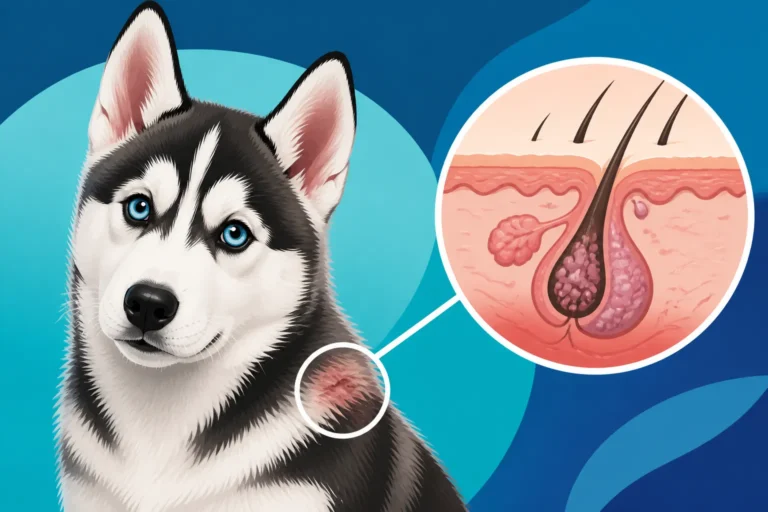
Beyond the relentless itching and discomfort they cause, fleas can lead to several significant problems. Many dogs, including Huskies, can develop Flea Allergy Dermatitis (FAD), an allergic reaction to flea saliva that results in severe itching, redness, hair loss, and secondary skin infections from constant scratching. You might notice your Husky gnawing at their fur or developing "hot spots." Fleas also transmit tapeworms; if your Husky ingests an infected flea while grooming, they can contract this intestinal parasite. Furthermore, severe flea infestations, especially in puppies, can lead to anemia due to significant blood loss. Given how easily fleas can establish themselves in your home once on your pet, consistent flea prevention is crucial not only for your Husky’s comfort but for preventing a household nightmare.
Unseen Threats: Mites and Scabies
While ticks and fleas get most of the attention, mites are another group of external parasites that can cause significant distress for an outdoor Siberian Husky. These microscopic arachnids are often invisible to the naked eye but can lead to severe skin conditions. The most common types of mites affecting dogs are Sarcoptes scabiei, which causes sarcoptic mange (scabies), and Demodex canis, responsible for demodectic mange.
Sarcoptic mange is highly contagious and causes intense itching, often far more severe than flea allergies. Your Husky might scratch incessantly, leading to hair loss, crusting, and thickening of the skin, particularly around the ears, elbows, hocks, and belly. These mites burrow into the skin, making them incredibly difficult to detect without a veterinary skin scraping. Demodectic mange, while not typically itchy or contagious, can cause patchy hair loss and skin inflammation, especially in younger dogs or those with compromised immune systems. Both conditions require veterinary diagnosis and specific treatment plans, often involving medicated dips, oral medications, or topical treatments. Because outdoor Huskies are constantly interacting with various environments and potentially other animals, their exposure risk to these microscopic invaders is elevated, underscoring the importance of preventative care that covers a broad spectrum of external parasites.
Internal Parasites: Worms and Protozoa
These are the hidden enemies, living inside your Husky and often causing systemic problems that can be difficult to diagnose until advanced stages. From the heart to the intestines, internal parasites pose a serious threat to the health and longevity of your active companion.
Heartworm: The Silent Killer
Heartworm disease is arguably one of the most devastating internal parasites an outdoor Siberian Husky can face, and it's entirely preventable. Transmitted exclusively through the bite of an infected mosquito, heartworm larvae are deposited on the dog's skin and migrate into the bloodstream. Over months, these larvae mature into adult worms, which can grow up to a foot long and reside in the heart, lungs, and associated blood vessels.
The initial stages of heartworm infection are often asymptomatic, meaning your Husky shows no outward signs of illness. As the worms multiply and mature, they cause severe damage to the heart and lungs, leading to symptoms such as a persistent cough, lethargy, reduced appetite, and difficulty breathing. For an active breed like the Siberian Husky, who loves to run and play, this can quickly progress to exercise intolerance and eventually heart failure. Treatment for established heartworm disease is expensive, lengthy, painful for the dog, and carries significant risks, including death. Given that mosquitoes are almost ubiquitous in outdoor environments, even in colder climates for part of the year, year-round heartworm prevention is not just recommended but absolutely essential for the safety of your outdoor Siberian Husky. It's a small monthly cost that provides immeasurable peace of mind against a life-threatening disease.
Intestinal Worms: From Roundworms to Tapeworms
Intestinal worms are a common affliction for dogs, especially those who spend a lot of time outdoors. Your Siberian Husky's natural curiosity, tendency to sniff and investigate, and potential for hunting small prey significantly increase their risk of exposure. The most common types include roundworms, hookworms, whipworms, and tapeworms, each posing its own set of health challenges.
- Roundworms are transmitted when a dog ingests eggs from contaminated soil, feces, or by eating infected rodents. They can cause a pot-bellied appearance, dull coat, vomiting, diarrhea, and poor growth, especially in puppies.
- Hookworms are particularly nasty as they attach to the intestinal wall and feed on blood, leading to anemia, weight loss, and dark, tarry stools. They can be ingested or, more concerningly, larvae can penetrate the skin directly when your Husky lies on contaminated ground.
- Whipworms reside in the large intestine and cause chronic diarrhea, weight loss, and sometimes bloody stools. Their eggs are very resilient and can survive in the environment for years.
- Tapeworms are usually transmitted when a dog ingests an infected intermediate host, most commonly fleas carrying tapeworm larvae or small rodents. You might notice segments of the worm around your Husky's anus, resembling grains of rice.
Many of these worms can also be transmitted from a mother to her puppies, highlighting the importance of proper deworming protocols for young dogs. Regular fecal examinations are crucial for detecting these parasites, and broad-spectrum dewormers are often included in a comprehensive parasite prevention plan to address these insidious internal threats.
Protozoal Invaders: Giardia and Coccidia
Beyond the more commonly known worms, protozoa are single-celled organisms that can also cause significant gastrointestinal distress in dogs, particularly outdoor adventurers like Siberian Huskies who might drink from puddles, streams, or eat contaminated soil. The most prevalent protozoal parasites are Giardia and Coccidia.
- Giardia is acquired by ingesting cysts shed in the feces of infected animals. These cysts are resilient and can survive in water and moist environments for extended periods. If your Husky enjoys splashing in a creek, drinking from communal water bowls at a dog park, or simply licking their paws after walking on contaminated ground, they are at risk. Symptoms often include chronic, intermittent diarrhea, which can be soft, watery, or greasy, sometimes with mucus, and may lead to weight loss and poor nutrient absorption.
- Coccidia are another common cause of diarrhea, particularly in puppies and young adult dogs. They are also ingested from contaminated feces or soil. Coccidiosis can cause watery or bloody diarrhea, dehydration, and abdominal discomfort.
Diagnosing both Giardia and Coccidia requires microscopic examination of fecal samples, often multiple samples, as shedding can be intermittent. While many dogs carry these protozoa without showing severe symptoms, stress or other illnesses can trigger an active infection. For an outdoor Siberian Husky, minimizing exposure to contaminated water sources and practicing good hygiene after outdoor excursions are important, alongside regular veterinary screenings to detect and treat these microscopic invaders before they cause serious illness.
Comprehensive Prevention Strategies for Outdoor Huskies
Given the myriad of risks an outdoor Siberian Husky faces, a multifaceted approach is the most effective way to keep them safe from parasites. This isn't just about giving them a pill; it involves a combination of medication, environmental management, and consistent veterinary oversight.
The Role of Year-Round Preventatives
For an outdoor Siberian Husky, year-round parasite prevention is not an option; it's an absolute necessity. The idea that parasites only exist in warm months is a dangerous myth. Fleas and ticks can survive in surprisingly cold temperatures, often seeking refuge in sheltered areas or even within your home during winter. Mosquitoes, which transmit heartworm, are active whenever temperatures are above 50°F (10°C), and even brief warm spells can allow them to breed and spread disease.
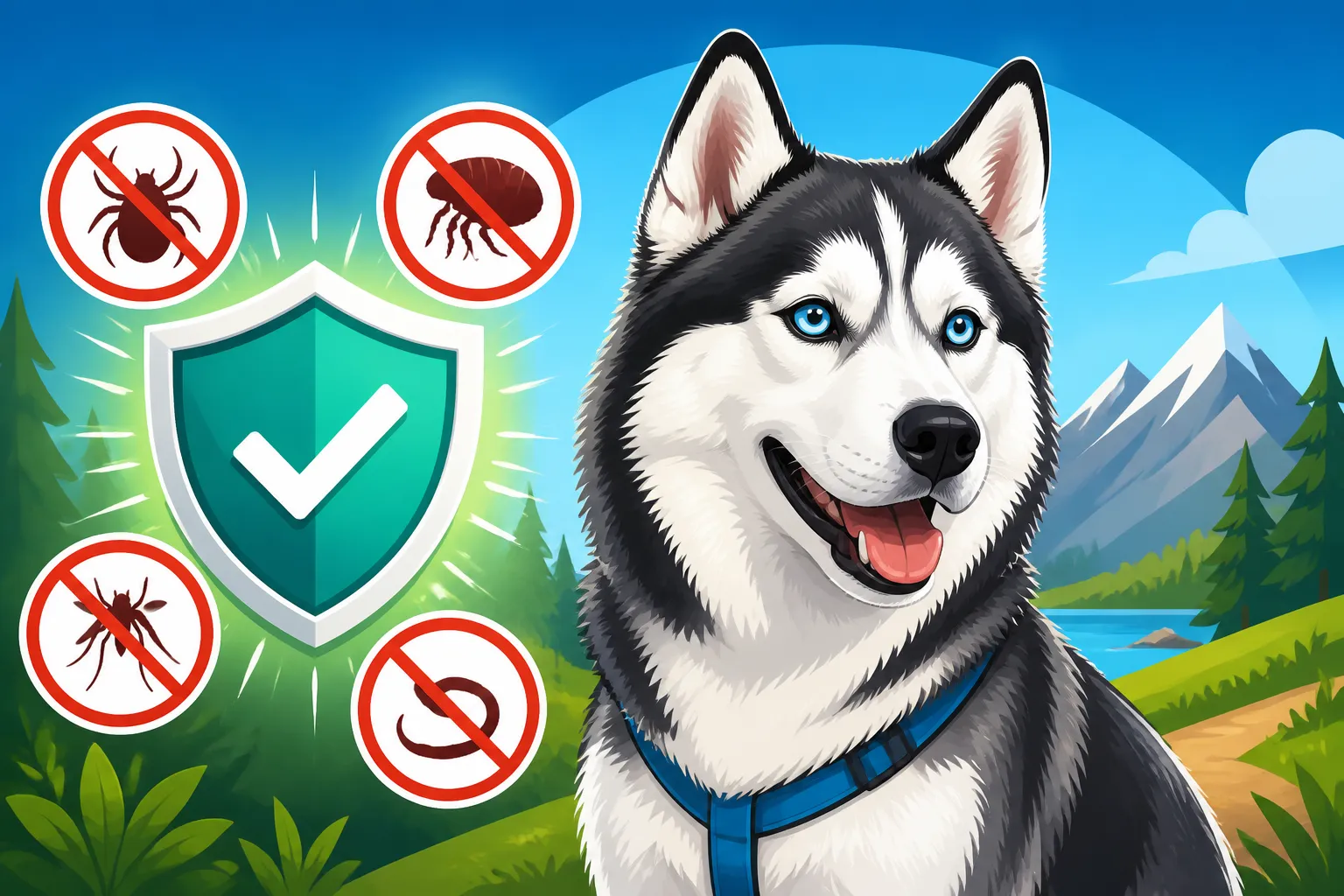
Year-round prevention typically involves a monthly oral medication or topical treatment that protects against heartworm, fleas, and a range of common intestinal worms. Many modern preventatives are broad-spectrum, meaning one product can tackle multiple parasites, simplifying your routine. Brands like Healthy Paws also emphasize the importance of preventative care, as consistent protection can help avoid costly and potentially life-threatening treatments down the road. Discuss with your veterinarian which combination product is best suited for your Husky's lifestyle, local parasite prevalence, and any specific health considerations. Missing even one dose can create a window of vulnerability, allowing parasites to establish themselves and undoing months of consistent protection. Consistency is truly key in safeguarding your Husky from these persistent threats.
Environmental Management and Yard Protection
While pharmaceutical preventatives are crucial, managing your Husky's immediate environment is another vital layer of defense against parasites. For an outdoor Siberian Husky, their yard can be both a haven and a hazard, depending on how it's maintained. The goal is to make your outdoor space as inhospitable as possible for fleas, ticks, and worm eggs.
Start by regularly mowing your lawn, keeping grass and weeds short. Ticks love to lurk in tall grasses and dense brush, waiting for a host to pass by. Rake up fallen leaves and clear away brush piles, as these provide ideal hiding and breeding grounds for ticks and fleas. Consider creating a barrier of wood chips or gravel between your lawn and wooded areas to deter ticks from migrating into your main yard. If you live in an area with a high tick population, you might also look into professional yard treatments or natural repellents, though caution is advised with chemical treatments around pets.
Furthermore, discourage wildlife from entering your yard. Secure trash cans, remove bird feeders that drop seeds, and repair any gaps in fencing that might allow raccoons, opossums, or deer to enter. These wild animals are often carriers of fleas, ticks, and internal parasites, dropping eggs and larvae as they pass through. Ensuring your Husky's outdoor space is clean and free of potential parasite habitats significantly reduces their exposure risk, complementing the protection offered by their preventatives.
Regular Vet Checks and Fecal Screenings
Even with diligent year-round preventatives, regular veterinary check-ups and fecal screenings are indispensable components of a comprehensive parasite prevention plan for your outdoor Siberian Husky. Remember, no preventative is 100% foolproof, and new threats can emerge or your Husky might have a unique exposure.
Annual or biannual wellness exams allow your veterinarian to assess your Husky's overall health, discuss any changes in their behavior or environment, and perform necessary diagnostic tests. A yearly heartworm test is standard, even for dogs on year-round prevention, to ensure the medication is working effectively. For intestinal parasites, fecal screenings are crucial. While many preventatives target common worms, some, like Giardia and Coccidia, require specific medications not always included in standard dewormers. Regular fecal exams, typically once or twice a year, allow your vet to identify any microscopic parasites your Husky might have picked up and prescribe targeted treatment. This proactive approach helps catch infections early, before they cause significant illness or become harder to treat. Think of these vet visits as your strategic defense updates, ensuring your Husky's protection plan is always current and effective against the evolving world of parasites. When considering the Siberian Husky Lifespan and What Shortens It, neglecting preventative care and regular vet checks can unfortunately lead to preventable illnesses that impact their longevity and quality of life.
Choosing the Right Parasite Protection Products
Navigating the array of parasite prevention products can feel overwhelming. With various forms, active ingredients, and target parasites, it's essential to understand your options to select the best fit for your adventurous Siberian Husky. The key is to find a product, or combination of products, that aligns with your Husky's lifestyle, your local parasite risks, and your budget.
Oral Medications vs. Topical Treatments
When it comes to parasite prevention, you primarily have two main delivery methods: oral medications (chewable tablets) and topical treatments (spot-ons). Both have their pros and cons, and the best choice often depends on your Husky's temperament, your preference, and the specific parasites you're targeting.
Oral Medications: These are typically flavored chewable tablets given monthly or every three months, depending on the product.
- Pros: They work systemically, meaning they are absorbed into the bloodstream, offering protection from the inside out. This makes them highly effective against internal parasites like heartworm and many intestinal worms. For external parasites like fleas and ticks, the parasite must bite the dog to ingest the active ingredient, which then kills them. This means no messy topical residue, no risk of washing off, and no worries about children or other pets coming into contact with a wet spot-on. They are also not affected by swimming or bathing.
- Cons: Some Huskies can be picky eaters and might refuse to take the chewable. While side effects are rare, some dogs may experience mild gastrointestinal upset. They also require the parasite to bite to be killed, which some owners dislike for flea/tick control.
Topical Treatments (Spot-ons): These are liquid solutions applied directly to your Husky's skin, typically between the shoulder blades, once a month.
- Pros: They are easy to apply for dogs who won't take oral medication. They generally work by spreading over the skin and coat, killing fleas and ticks on contact or after a bite. Some formulations also penetrate the skin to provide internal parasite protection.
- Cons: They can leave a greasy residue on the fur for a day or two, which can be irritating. You need to ensure the product is applied directly to the skin, not just the fur, for effectiveness. There's a waiting period before your Husky can get wet (e.g., swimming or bathing) or interact closely with children or other pets, to prevent the product from being rubbed off or ingested. Some dogs can also have skin reactions at the application site.
Many owners with active, water-loving Huskies lean towards oral options for their convenience and lack of residue, but discussing both with your vet is crucial for a personalized recommendation.
Combination Products for Broad-Spectrum Protection
The good news for busy Husky owners is that many pharmaceutical companies offer combination products designed to provide broad-spectrum protection against multiple parasites with a single dose. These "all-in-one" preventatives simplify your routine, ensuring your adventurous companion is covered against the most prevalent threats. Instead of juggling a heartworm pill, a flea and tick topical, and a separate dewormer, a single monthly chewable or topical can often cover heartworm, fleas, ticks, and several types of intestinal worms (e.g., roundworms, hookworms, whipworms).
This convenience is particularly beneficial for outdoor Siberian Huskies, whose exposure risk to a variety of parasites is consistently high. It minimizes the chances of missing a dose for one type of parasite while remembering another. When evaluating these products, always check the label or consult your veterinarian to understand exactly which parasites are covered. Some products might cover specific tick species better than others, or exclude certain intestinal worms. Brands like Simparica Trio and NexGard Spectra are popular examples offering broad protection. A robust pet insurance plan, perhaps from a provider like Healthy Paws, can certainly alleviate some of the financial stress should a preventative fail or an unexpected parasite-related issue arise. Knowing that your Husky is protected against a wide range of threats with one easy step can significantly reduce owner anxiety and help maintain your Husky's overall health and vitality, preventing issues that might contribute to What Siberian Huskies Most Often Die Of.
Tailoring Protection to Your Husky's Lifestyle
There's no one-size-fits-all solution for parasite prevention, especially for a breed as unique as the Siberian Husky. The best plan is one that is specifically tailored to your individual Husky's lifestyle, your geographic location, and any specific health considerations. A Husky living in an apartment in a cold, urban environment with limited outdoor access will have different needs than a Husky living on a rural property in a warm, humid climate who goes hiking daily.
Consider these factors when discussing options with your veterinarian:
- Geographic location: As discussed, parasite prevalence varies greatly. Your vet will know the specific threats in your area, including emerging diseases or resistant parasite populations.
- Outdoor activity level: Does your Husky primarily stay in a fenced yard, or do they regularly visit dog parks, go on hikes, swim in lakes, or travel to different regions? Higher activity and diverse environments mean higher exposure.
- Interaction with other animals: Do they have doggy playdates, encounter wildlife, or share a home with cats or other pets?
- Health status: Does your Husky have any pre-existing conditions or allergies that might influence medication choices? For example, some dogs with specific sensitivities might react better to one type of preventative over another.
- Owner compliance: Be realistic about what you can consistently administer. If your Husky fights pills, a topical might be better, or vice versa.
By openly discussing these aspects with your vet, you can formulate a personalized and effective parasite prevention strategy. This might involve a single broad-spectrum product, or a combination of different preventatives (e.g., an oral heartworm/intestinal worm preventative combined with a separate flea/tick collar or topical, if deemed necessary by your vet). Remember, your veterinarian is your best resource for creating a plan that keeps your outdoor Siberian Husky healthy and happy. Regular Siberian Husky Vet Visits by Life Stage are crucial for maintaining this tailored approach as their needs evolve.
Here's a quick overview of common preventative types:
| Preventative Type | Method of Application | Primary Target Parasites | Key Advantages | Considerations |
|---|---|---|---|---|
| Oral Chewable Tablets | Given by mouth | Heartworm, Fleas, Ticks, Intestinal Worms | No residue, not affected by water, broad protection | Dog must accept pill, parasite must bite for external control |
| Topical Spot-Ons | Applied to skin (back) | Fleas, Ticks, some Mites, (some Heartworm/IW) | Easy for dogs refusing pills, repels some parasites | Can leave residue, waiting period for water/contact, skin reactions |
| Collars (Medicated) | Worn around the neck | Fleas, Ticks | Long-lasting (months), repels parasites | Can irritate skin, potential for loss, not always full body coverage |
| Injectable (Heartworm) | Vet administered injection | Heartworm only | 6 or 12 months of protection, convenient | Only covers heartworm, requires vet visit |
Disclaimer
The information provided in this article is for general informational purposes only and does not constitute veterinary advice. Always consult with a qualified veterinarian for any health concerns or before making any decisions about your Siberian Husky's medical care, diet, or treatment. Individual results may vary.