Follicular Dysplasia in a Young Siberian Husky
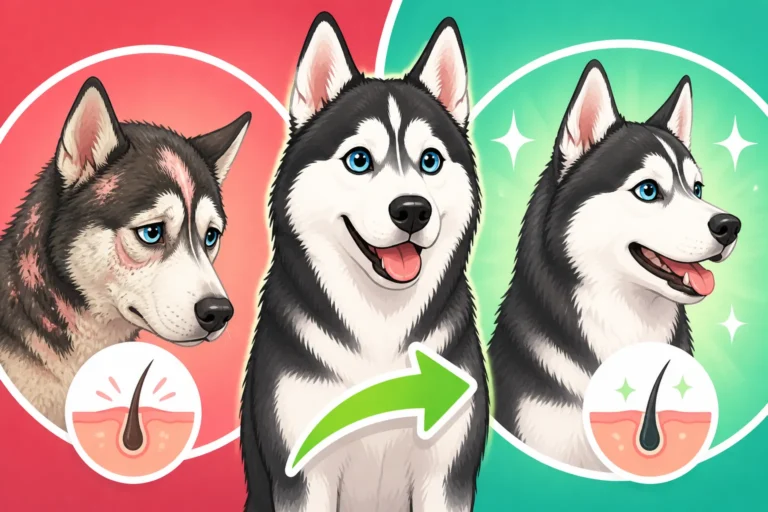
It’s incredibly disheartening, and often downright confusing, to watch your beautiful young Siberian Husky start losing patches of their gorgeous coat, especially when they’re still in their prime puppy or adolescent years. You might find yourself frantically checking for fleas, changing their food, or wondering if you're bathing them too much or too little, all while that luxurious fur thins and falls out. This guide is here to shed light on a specific, often misunderstood condition called Follicular Dysplasia, explaining why it happens in our beloved Huskies, how to spot it, and what steps you can take to manage it, giving you peace of mind and your Husky the best possible care.
Understanding Follicular Dysplasia in Huskies
Follicular dysplasia is one of those veterinary terms that sounds intimidating, but at its heart, it refers to a problem with how your dog's hair follicles develop and function. For us Husky owners, it’s a condition that sadly hits our breed more frequently than others, often leaving us scratching our heads about our dog's patchy, thinning coat.
What Exactly Is Follicular Dysplasia?
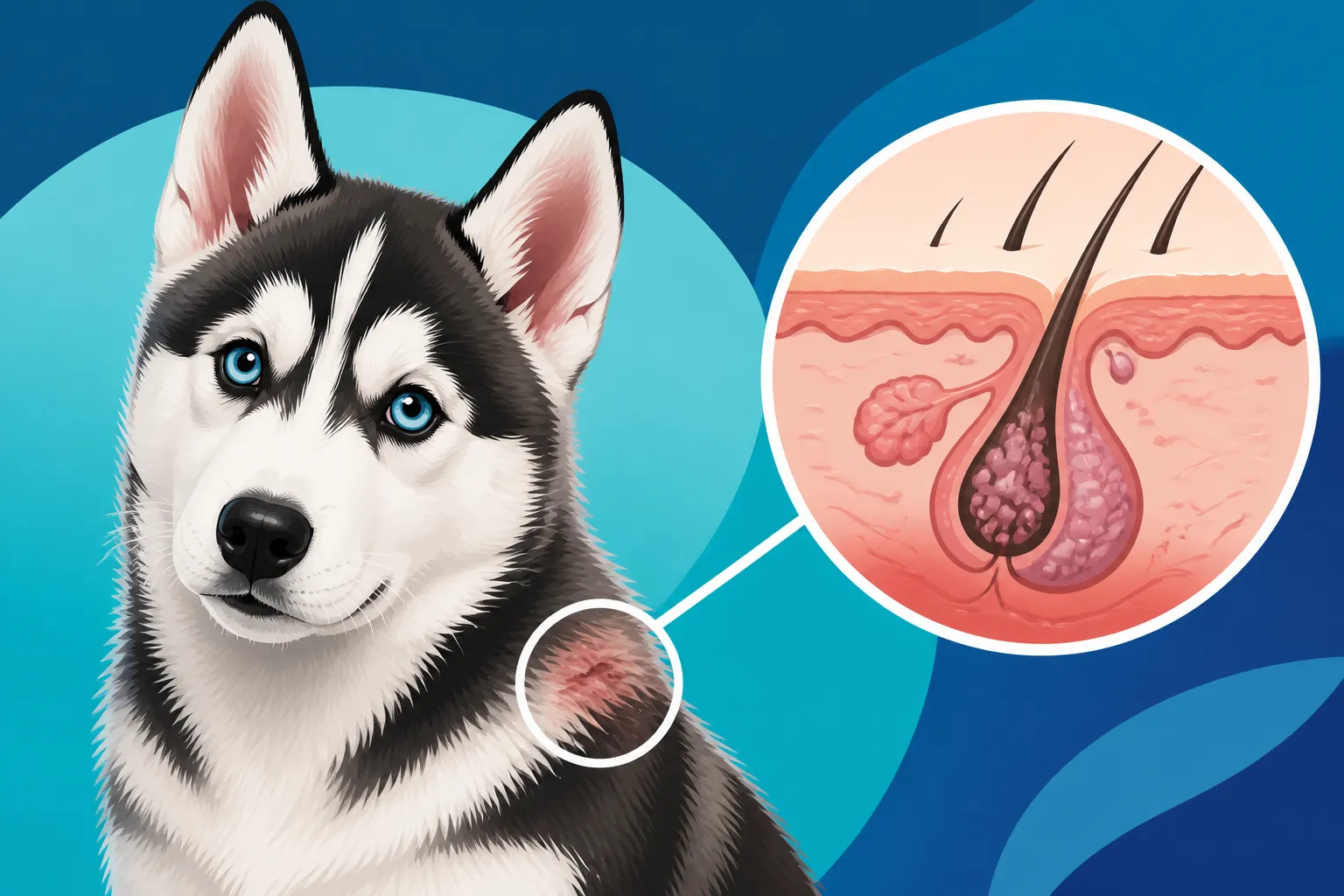
In simple terms, follicular dysplasia is a genetic condition where the hair follicles – the tiny structures in the skin responsible for producing hair – don't develop or function normally. Instead of producing strong, healthy hairs, they might produce weak, brittle hairs that break easily, or the hair growth cycle itself is disrupted. This leads to progressive hair loss, thinning, or a generally "ragged" appearance to the coat. It's not an infection, nor is it an allergy; it’s a structural defect within the hair follicle itself. Think of it like a faulty factory producing defective products – in this case, the hair. The specific type of follicular dysplasia seen in Siberian Huskies and Alaskan Malamutes is often referred to as "follicular dysplasia of the Siberian Husky type" or sometimes "coat funk" (though that term is less clinical). It's typically a hereditary condition, meaning it’s passed down through generations. The exact genetic mechanism can vary, but the result is usually the same: a beautiful coat that starts to look less than perfect.
Why Young Siberian Huskies Are Susceptible
Our Huskies, with their dense double coats, are unfortunately genetically predisposed to this condition. While it can theoretically affect any breed, it's particularly noted in Nordic breeds like the Siberian Husky, Alaskan Malamute, and Samoyed, as well as some others such as Portuguese Water Dogs and Irish Water Spaniels. For Huskies, the signs often begin to appear when they are young, usually between six months and two years of age. You might notice it after their first major coat blow, or as they transition from their soft puppy fur to their denser adult coat. The genetic link means that certain lines might be more prone to it, making responsible breeding practices absolutely crucial. When considering a puppy, asking about the health history of the parents and any previous littermates is a good start. For more information on health considerations for puppies, check out our guide on Reading a Siberian Husky Puppy's Health Paperwork. The underlying reason for this breed-specific susceptibility lies in their unique genetic makeup influencing hair follicle development, making them a prime candidate for this particular kind of coat disruption.
Differentiating From Other Coat Issues
One of the biggest challenges with follicular dysplasia is that its symptoms can easily be mistaken for other, more common skin and coat problems. As an owner, your first thought might be allergies, a nutritional deficiency, or even parasites. However, there are some key differences.
For instance, if your Husky is scratching relentlessly and developing hot spots, you're likely looking at an allergy or a parasitic issue, which typically come with intense itching. Follicular dysplasia, on the other hand, is usually non-itchy unless a secondary skin infection develops.
Another common culprit for hair loss and skin changes in Huskies is Zinc-Responsive Dermatosis in the Siberian Husky. This condition often causes crusting and hair loss around the eyes, mouth, and pressure points, and is linked to the breed's inefficient zinc absorption. While both can cause hair loss, the specific pattern and presence of crusting often help differentiate them.
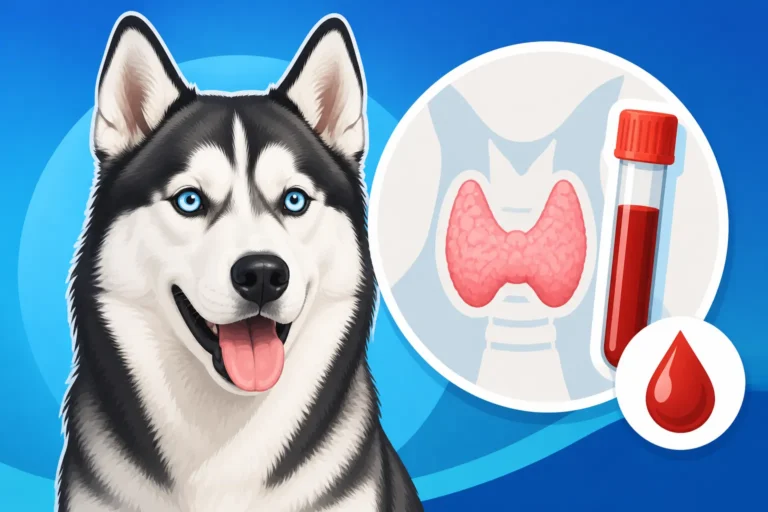
Hypothyroidism, a thyroid imbalance, can also lead to a dull, thinning coat, but it usually comes with other systemic signs like lethargy, weight gain, and intolerance to cold, which you can learn more about in Siberian Husky Thyroid and Autoimmune Disease.
With follicular dysplasia, the hair loss is often symmetrical and progressive, starting with dullness and a "wooly" texture, then patchy thinning, without the initial intense itch or crusting. Understanding these distinctions is vital for guiding your vet towards the correct diagnosis and effective management.
| Feature | Follicular Dysplasia | Zinc-Responsive Dermatosis | Hypothyroidism | Allergies (Environmental/Food) |
|---|---|---|---|---|
| Primary Symptom | Patchy hair loss, dull coat | Crusting, hair loss, scaling | Dull, thin coat, hair loss | Intense itching, skin redness |
| Itchiness | Usually none (unless secondary infection) | Mild to moderate | None or mild | Severe, persistent |
| Common Locations | Torso, flanks, pressure points | Eyes, mouth, chin, pressure points | Torso, flanks, tail | Paws, ears, belly, armpits |
| Onset Age | Young adults (6 months – 2 years) | Young adults (often 6 months – 3 years) | Any age, often middle-aged | Any age, often young |
| Other Symptoms | None, or secondary infection | Lethargy, poor appetite | Lethargy, weight gain, cold intolerance | Paw licking, ear infections |
| Diagnostic Test | Skin biopsy | Skin biopsy, zinc levels | Thyroid blood panel | Elimination diet, allergy testing |
| Treatment Approach | Supportive care, supplements | Zinc supplementation | Thyroid hormone replacement | Avoidance, medication |
Recognizing the Signs and Symptoms
Spotting follicular dysplasia early can be tricky because the initial signs are subtle and can mimic other common issues. However, knowing what to look for, especially in a young Siberian Husky, can help you advocate for your dog and get a diagnosis sooner.
The Classic Patchy Coat Loss Pattern
The hallmark of follicular dysplasia in Huskies is a distinctive pattern of hair loss. It typically begins with the coat losing its luster and becoming dry or "wooly" to the touch, rather than the smooth, soft feel of a healthy Husky coat. You might notice the guard hairs (the longer, coarser outer coat) appearing brittle or broken. This is often followed by symmetrical patches of hair loss, frequently starting on the flanks, torso, or areas of friction like the elbows and hocks.
Unlike an injury or an isolated skin infection, this hair loss isn't usually focused in one small spot; it tends to be more diffuse or symmetrically distributed. Over time, these patches can grow, leading to significant areas of thinning or complete alopecia (baldness). The skin underneath might appear normal at first, but with chronic loss, it can become darker (hyperpigmented) or show signs of flakiness. It's crucial to note that this hair loss is generally not itchy. Your Husky isn't typically scratching, biting, or rubbing at the affected areas, which is a major clue that differentiates it from allergic reactions or parasitic infestations. This lack of itchiness often leaves owners baffled, as they associate hair loss with discomfort.
Secondary Skin Issues and Complications
While follicular dysplasia itself isn't itchy or painful, the compromised skin and hair follicles can create an environment ripe for secondary problems. Without the protective barrier of a full, healthy coat, the skin becomes more vulnerable. One of the most common complications is bacterial or yeast infections. You might notice redness, scaling, pustules, or a foul odor developing in the areas of hair loss. These secondary infections will cause itchiness and discomfort, making it even harder to distinguish the primary condition without proper veterinary examination.
Additionally, with prolonged hair loss, the exposed skin can become thickened (lichenified) and develop hyperpigmentation – essentially turning darker, sometimes a grayish or blackish color. This is the skin's protective response to chronic irritation and exposure. In severe cases, the skin can become quite dry and flaky, or even oily. It's a cascade effect: the primary problem of follicular dysplasia weakens the skin's defenses, leading to secondary issues that then exacerbate the overall skin condition. Addressing these secondary infections is a critical part of managing the dog's comfort and preventing further skin damage.
How It Progresses Over Time
The progression of follicular dysplasia can be variable, but it generally follows a pattern. It often starts subtly, with you noticing a slight dullness or thinning, perhaps during a routine grooming session or after a bath. Many owners first observe it around the age when their Husky transitions from puppy coat to adult coat, or after their first major shedding cycle. You might initially dismiss it as a prolonged Siberian Husky Coat Blow and the Six Weeks It Lasts or just a "bad hair day."
However, unlike a normal shed, the hair doesn't grow back with its usual density or texture. The thinning becomes more pronounced, and distinct patches of hair loss emerge, often symmetrical on both sides of the body. In some cases, the condition might appear to stabilize for a period, with the hair loss not worsening significantly. In others, it can be a slow, continuous progression, with more and more areas becoming affected over time. The condition is typically chronic, meaning it's a lifelong issue. It rarely resolves completely on its own, although the severity can fluctuate. Understanding this progression helps set realistic expectations for management and prepares you for what your Husky's coat might look like in the long run.
The Diagnostic Journey: What to Expect at the Vet
When you bring your young Siberian Husky to the vet with concerns about patchy hair loss, your veterinarian will embark on a diagnostic journey to pinpoint the exact cause. Given the many possibilities, a thorough, step-by-step approach is essential.
Initial Examination and Exclusion of Common Causes
Your vet will start with a comprehensive physical examination, paying close attention to your Husky's skin and coat. They'll assess the pattern of hair loss, look for any signs of inflammation, redness, scaling, or parasites. This initial stage is all about ruling out the more common, treatable causes of alopecia. Your vet will likely perform a series of quick, non-invasive tests right there in the clinic.
This often includes a skin scrape to check for microscopic mites like Demodex, which can cause significant hair loss and often doesn't itch much initially. They might also use a special UV light (Wood's lamp) or collect hair samples for a fungal culture to rule out ringworm, a contagious fungal infection. Discussion about your Husky's diet, environment, and parasite prevention history will be key, as dietary deficiencies or external parasites are common culprits. They may also discuss any recent changes in behavior, energy levels, or appetite, as these could point towards systemic issues like Siberian Husky Hypothyroidism and Coat Change. Only after ruling out these common issues can your vet begin to consider more complex, breed-specific conditions like follicular dysplasia.
Skin Biopsy: The Definitive Diagnostic Tool
When the initial tests come back negative and your vet suspects follicular dysplasia, the next step is often a skin biopsy. This is considered the definitive diagnostic test for follicular dysplasia, as it allows a veterinary pathologist to examine the hair follicles themselves under a microscope. The procedure usually involves taking small skin samples (typically 3-6mm diameter punches) from affected areas of your Husky's body. This is a minor surgical procedure performed under local anesthesia and sedation, or sometimes a general anesthetic, to ensure your dog is comfortable and still. The biopsy sites are then typically closed with a stitch or two.
Once collected, these samples are sent to a specialized veterinary dermatopathology lab. The pathologist will look for specific changes characteristic of follicular dysplasia, such as abnormal melanin clumping within the hair shafts and follicles, structural abnormalities of the follicles, or a disrupted hair growth cycle. The presence of these specific microscopic features, combined with the clinical signs and breed predisposition, confirms the diagnosis. It’s important to understand that while it's a minor procedure, it provides invaluable information that guides accurate treatment and management strategies. Many pet insurance providers, like Healthy Paws, often cover diagnostic procedures like skin biopsies, which can be a relief for owners facing unexpected veterinary costs.
Other Diagnostic Tests and Their Role
While a skin biopsy is the gold standard for diagnosing follicular dysplasia, other tests might be performed to get a complete picture or rule out co-existing conditions. For instance, your vet might recommend a thyroid panel to definitively rule out hypothyroidism, especially if your Husky is showing any subtle signs that could be related to thyroid function. Blood tests might also be run to check general health, organ function, and to screen for any underlying systemic illnesses that could be contributing to or exacerbating skin issues.
If secondary bacterial or yeast infections are suspected, your vet might take impression smears or swabs from the affected skin for cytology (microscopic examination of cells) or culture. This helps identify the specific type of bacteria or yeast present, guiding the choice of appropriate antibiotics or antifungals. Urine tests might also be conducted if there are concerns about kidney function, which can sometimes influence skin and coat health, especially as a Siberian Husky ages. All these tests play a supportive role in ensuring that the diagnosis is accurate and that no other concurrent health issues are being overlooked, ensuring a holistic approach to your Husky’s well-being.
Managing Follicular Dysplasia: Treatment and Care
Receiving a diagnosis of follicular dysplasia can feel daunting, especially since there isn't a "cure" in the traditional sense. However, the good news is that proactive management and supportive care can significantly improve your Husky's comfort and coat appearance.
No Cure, But Management Is Possible
It’s important to understand upfront that follicular dysplasia is a genetic condition, and as such, there isn't a magical pill or procedure that will completely reverse it or make it disappear. The hair follicles are inherently flawed in their function. This means the goal of treatment shifts from "cure" to "management." The primary focus becomes improving the quality of the hair that does grow, preventing secondary skin infections, minimizing discomfort, and maintaining overall skin health.
This reality can be tough to accept for many owners, especially when they see their dog's once-magnificent coat becoming sparse and dull. However, with dedication to a consistent care routine, many Huskies with follicular dysplasia can lead happy, healthy lives. It requires a realistic outlook and a commitment to ongoing care, but seeing your dog comfortable and thriving, even with a less-than-perfect coat, is incredibly rewarding. While pet insurance, such as a policy from Healthy Paws, is excellent for unexpected accidents and illnesses, it's worth noting that chronic conditions like follicular dysplasia, if diagnosed before enrollment, would likely be considered a pre-existing condition and might not be covered. Always check your policy details regarding coverage for chronic or genetic conditions.
Supportive Therapies for Coat and Skin Health
Since we can't fix the underlying genetic issue, our efforts go into supporting the skin and coat in every way possible. Nutritional supplementation often plays a significant role. Omega-3 fatty acids, found in fish oil, are highly beneficial for skin and coat health. They can help reduce inflammation, improve skin barrier function, and promote healthier hair growth. Products specifically formulated for dogs, like those containing EPA and DHA, are ideal. Vitamin A and E supplements are also sometimes recommended, as these vitamins are crucial for skin cell and hair follicle health.
Topical treatments can also make a big difference. Specialized shampoos and conditioners formulated for sensitive or dry skin can help moisturize, remove dead skin cells, and maintain a healthy skin environment. Look for products containing ingredients like oatmeal, ceramides, or essential fatty acids. Some vets might recommend medicated baths if there's any sign of secondary infection or excessive scaling. The frequency of bathing should be discussed with your vet, as too much bathing can strip natural oils, while too little can allow problems to fester. Regular, gentle brushing with a soft brush can also help distribute natural oils and stimulate circulation without irritating the sensitive skin, especially important during periods like the Siberian Husky Coat Blow and the Six Weeks It Lasts.
Preventing Secondary Infections
Because the skin barrier is compromised in dogs with follicular dysplasia, they are more prone to secondary bacterial or yeast infections. Proactive prevention is therefore a cornerstone of managing this condition. Regular bathing with an appropriate shampoo, as advised by your vet, can help keep the skin clean and reduce the build-up of bacteria and yeast. If your Husky develops a secondary infection, your vet will likely prescribe antibiotics (for bacterial infections) or antifungals (for yeast infections), either orally or topically.
It's absolutely critical to complete the full course of medication, even if the symptoms appear to clear up quickly, to prevent recurrence and antibiotic resistance. Keeping your Husky's living environment clean can also help. Regularly washing their bedding and ensuring they have access to a clean, dry resting place can minimize exposure to potential irritants and pathogens. Closely monitoring your Husky’s skin for any new redness, pustules, odor, or increased itchiness is key so that you can address potential infections promptly before they become severe.
Living with a Husky with Follicular Dysplasia
A diagnosis of follicular dysplasia doesn't mean a diminished life for your Husky. It simply means a shift in perspective for you, the owner, to prioritize their comfort and specific needs. With understanding and consistent care, your Husky can still enjoy a full and active life.
Grooming Considerations for Sensitive Skin
Grooming a Siberian Husky with follicular dysplasia requires a gentle touch and careful product selection. Their skin is more vulnerable, so harsh brushes, excessive scrubbing, or irritating shampoos can exacerbate problems. Opt for soft-bristled brushes or grooming mitts to help stimulate circulation and distribute natural skin oils without causing abrasion. While Huskies are generally low-odor dogs and don't require frequent bathing, when you do bathe them, use a veterinarian-recommended, hypoallergenic shampoo specifically designed for sensitive skin. Avoid products with strong perfumes, dyes, or harsh detergents.
It’s absolutely crucial to thoroughly rinse out all shampoo and conditioner, as residue can irritate the skin and lead to dryness or flakiness. After bathing, gently pat your Husky dry rather than vigorous rubbing. Never, ever shave your Siberian Husky, especially if they have follicular dysplasia. Their double coat provides insulation against both cold and heat. Shaving removes this protection, making them more susceptible to sunburn, skin damage, and even overheating, a topic covered in detail in Why You Must Never Shave a Siberian Husky. The coat may also grow back even more poorly after shaving, worsening the appearance and integrity of the hair.
Environmental Management and Sun Protection
Managing your Husky's environment is another vital aspect of living with follicular dysplasia. Since their coat provides less protection, their skin is more exposed to environmental elements. In sunny climates or during peak sun hours, you might need to limit their direct sun exposure to prevent sunburn on thinning or bald patches. Pet-specific sunscreens can be used on exposed areas like the nose, ear tips, or any particularly sparse patches, but always consult your vet for recommendations and ensure it’s safe for dogs to lick.
Be mindful of irritants in their environment. Harsh cleaning chemicals, certain plants, or even rough surfaces can cause irritation on sensitive skin. Ensure their bedding is soft, clean, and free of allergens or irritating materials. Providing a comfortable, shaded, and temperate resting area is essential. While Siberian Huskies are known for their cold tolerance, extreme temperatures can still stress their system and skin, especially if their coat is compromised. During very cold weather, their thinning coat offers less protection, so a dog coat or sweater might be necessary for outdoor excursions, a stark contrast to a Husky with a full, healthy coat.
Emotional Support for Owners and Their Huskies
Living with a dog with a chronic condition like follicular dysplasia can be emotionally taxing for owners. You might feel guilty, frustrated, or sad about your Husky's changing appearance. It’s important to acknowledge these feelings. Remember, you are doing your best for your beloved companion by seeking diagnosis and managing their care. Focus on your Husky's overall well-being and personality. Their love, energy, and joy aren't defined by the perfection of their coat.
For your Husky, maintaining a consistent routine, providing plenty of positive reinforcement, and continuing with their favorite activities (within appropriate limits for their health and comfort) will help them thrive. They are still the same adventurous, loving dogs underneath that changing coat. Connecting with other Husky owners who have dogs with follicular dysplasia can also provide valuable emotional support and practical tips. Forums and breed-specific groups can be a great resource. Ultimately, your love and dedication are the most important aspects of their care, ensuring they continue to live a fulfilling life, no matter their coat condition. Understanding how The Ages a Siberian Husky Changes Health-Wise can help you prepare for lifelong care.
The Genetic Link and Breeding Responsibilities
The hereditary nature of follicular dysplasia places a significant responsibility on breeders and underscores the importance of informed decisions for prospective puppy buyers. Understanding the genetic underpinnings is crucial for preventing the spread of this condition.
Understanding the Inherited Aspect
Follicular dysplasia in Siberian Huskies is widely recognized as an inherited genetic disorder. While the exact mode of inheritance (e.g., autosomal recessive, polygenic) can be complex and sometimes unclear, the strong breed predisposition points towards specific genes or combinations of genes being responsible. This means that a dog can carry the genes for follicular dysplasia and potentially pass them on to their offspring, even if they don't show severe signs of the condition themselves.
If two carriers are bred, there's a higher chance that some puppies in the litter will inherit two copies of the "affected" genes and develop the condition. This explains why it can sometimes appear seemingly out of nowhere in litters where parents appear healthy. Research into the specific genetic markers is ongoing, but the current understanding emphasizes that it is a condition passed down through generations. This inherited aspect is why it's so critical for breeders to be transparent and for puppy buyers to be diligent in their research and inquiries.
Health Testing and Ethical Breeding Practices
Given the inherited nature of follicular dysplasia, ethical breeders play a vital role in minimizing its prevalence. While there isn't a simple DNA test specifically for follicular dysplasia of the Siberian Husky type (like there is for some other genetic diseases), responsible breeders should still prioritize overall health and genetic diversity. This involves carefully selecting breeding stock with healthy pedigrees, free from known incidences of follicular dysplasia in their lines.
Breeders should also conduct general health screenings recommended for Siberian Huskies, such as those required for CHIC (Canine Health Information Center) certification, which includes eye and hip evaluations. While these don't directly test for follicular dysplasia, they demonstrate a commitment to breeding healthy dogs. Our guide on Health Testing Before You Buy a Siberian Husky details these crucial steps. Any dog that develops follicular dysplasia should ideally not be used for breeding, even if the signs are mild, to prevent passing on the predisposition. Transparency from breeders about any cases in their lines is paramount, allowing prospective owners to make informed choices.
Counseling for Breeders and Pet Owners
For breeders, understanding the genetic risks means making difficult decisions about breeding pairs and potentially removing affected dogs from their breeding programs. It involves thorough record-keeping and open communication with puppy buyers about the health history of their lines. Responsible breeders will often have clauses in their contracts regarding genetic health conditions and may offer support if a puppy develops such issues.
For pet owners, if you have a Siberian Husky diagnosed with follicular dysplasia, it's important to inform your breeder, if you acquired your dog from one. This information is invaluable for them to assess their breeding program and make more informed decisions moving forward. If you're considering adopting another Husky, especially from the same lines, understanding the potential for recurrence is important. It's about being prepared for the commitment of lifelong management and ensuring that future breeding decisions help improve the health of the breed as a whole. Discussions with your vet about the long-term prognosis and care, including consideration of pet insurance like Healthy Paws for future health needs, are always recommended.
Disclaimer
Please remember that the information provided in this article is for general informational purposes only and does not constitute veterinary advice. Always consult with a qualified veterinarian for any health concerns or before making any decisions about your pet's medical care.