The Age a Siberian Husky Can Be OFA Certified
One of the biggest anxieties for any loving Siberian Husky owner, or even someone just dreaming of bringing one of these magnificent dogs home, revolves around their health. You want to ensure your furry family member lives a long, happy life, and part of that involves understanding health testing. Specifically, getting your Siberian Husky certified by the Orthopedic Foundation for Animals (OFA) is a common goal, but the exact timing can be confusing. This guide will clarify at what age your Siberian Husky can be OFA certified, what each certification means, and why timing is so critical for accurate results.
Understanding OFA Certification for Siberian Huskies
The Orthopedic Foundation for Animals (OFA) is a not-for-profit organization that's dedicated to improving the health and well-being of companion animals through health testing, certification, and research. For dog breeds, including our beloved Siberian Huskies, OFA provides a standardized way to screen for genetic diseases, which is absolutely vital for responsible breeding practices and for giving prospective puppy buyers peace of mind.
What OFA Certification Means for Husky Health
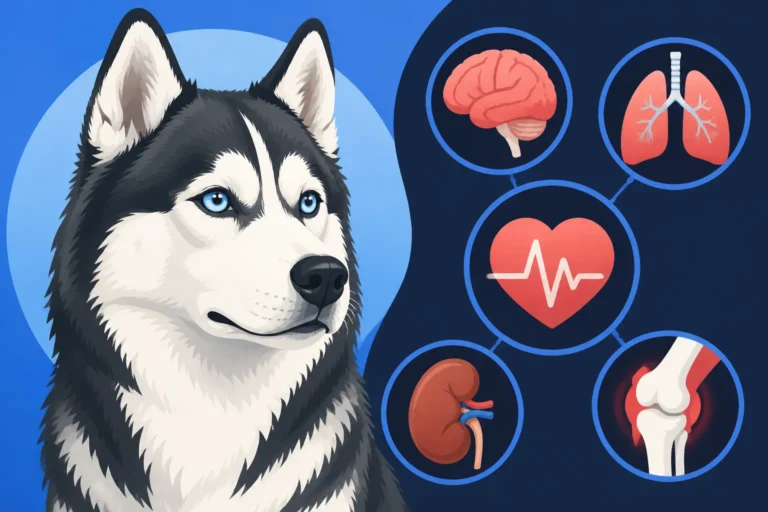
When we talk about OFA certification for Siberian Huskies, we're primarily focused on screening for orthopedic conditions like hip and elbow dysplasia, as well as eye diseases and sometimes thyroid issues. These are conditions that can significantly impact a dog's quality of life, leading to pain, mobility issues, and costly veterinary bills down the road. For a breed as active and athletic as the Siberian Husky, robust joint health is paramount. Imagine a Husky that lives for running and pulling, suddenly struggling with painful hips – it's heartbreaking to even think about. OFA certifications help breeders make informed decisions to reduce the incidence of these inherited conditions in future generations, which ultimately benefits every single pet owner hoping for a healthy companion. Knowing a puppy comes from OFA-certified parents provides a foundational layer of assurance that you're starting with good genetics. You can learn more about general health considerations in our comprehensive guide, Siberian Husky Lifespan and What Shortens It.
The certification process involves evaluations by veterinary specialists who review X-rays or conduct specific examinations to determine if a dog meets the breed-specific health standards for certain conditions. For instance, a dog might receive an OFA "Excellent," "Good," or "Fair" rating for hips, indicating healthy joints, or a "Dysplastic" rating, which means the dog should not be bred. This transparency is key for the breed's overall health trajectory. It’s not just about getting a piece of paper; it’s about making sure our Huskies can live their adventurous lives to the fullest.
Why Timing Matters for Accurate Results
You might wonder why you can't just get all the health tests done on a puppy as soon as you bring them home. The answer lies in the developmental stages of a dog's body. For many orthopedic conditions, a dog's bones, joints, and ligaments need to reach a certain level of maturity for an accurate and definitive assessment. Growth plates need to be closed, and the skeletal structure needs to be fully formed to properly evaluate things like hip joint conformation or elbow integrity. Attempting these evaluations too early can lead to inconclusive or even misleading results.
The OFA sets specific minimum age requirements for final certifications precisely to ensure that the results are reliable and hold up over time. These age requirements are based on extensive research and veterinary consensus regarding when a dog's skeletal system is considered mature enough for a definitive evaluation. While some preliminary evaluations can be done earlier, they are not considered final and cannot replace the official certification obtained at the recommended age. Understanding this distinction is crucial, especially if you're looking at a puppy's paperwork and seeing "preliminary" results.
The Official Age for OFA Hip and Elbow Certification
When it comes to the most commonly discussed OFA certifications for orthopedic health in Siberian Huskies – namely hips and elbows – there's a very specific age requirement that responsible breeders adhere to for final, official results.
The Golden Age: 24 Months
For definitive OFA certification of hips and elbows, your Siberian Husky must be at least 24 months (two years) of age. This two-year mark isn't just an arbitrary number; it's a carefully determined age based on the typical skeletal maturity of most dog breeds, including the Siberian Husky. By this age, the growth plates in their bones have usually closed, and their joints have developed sufficiently to allow for a comprehensive and accurate evaluation by the OFA's panel of veterinary radiologists. Before this age, the still-developing bones can sometimes mask or exaggerate issues, leading to inaccurate readings.
This strict age requirement is incredibly important for breeders who are committed to producing healthy puppies. They rely on these final certifications to make informed decisions about which dogs to include in their breeding programs. For anyone considering purchasing a Siberian Husky puppy, asking to see the OFA certifications (hips and elbows) of both parents is a non-negotiable step. If a breeder shows you hip or elbow evaluations for a dog under two years old and claims it's a "final" certification, that's a red flag. Always look for the official OFA certificate with the dog's registered name and OFA number, confirming they are at least two years old for these specific evaluations. This dedication to proper timing helps reduce the incidence of debilitating conditions, which ultimately saves owners potential heartache and significant veterinary expenses down the line. To understand what these results mean, check out Reading a Siberian Husky's OFA Hip Result.
Preliminary Evaluations for Younger Huskies
While final hip and elbow certifications require your Siberian Husky to be 24 months old, the OFA does offer preliminary evaluations for younger dogs. These preliminary screenings can be performed as early as 4 months of age, though they are more commonly done when a dog is between 12 and 18 months old. The purpose of a preliminary evaluation is to give breeders an early indication of a dog's hip and elbow health. It allows them to assess potential breeding candidates before investing two full years into their development, which can be a valuable tool for long-term planning.
It’s crucial to understand that these preliminary results are exactly that: preliminary. They are not considered final OFA certifications and are not recorded in the public OFA database in the same way final certifications are. While studies have shown a good correlation between preliminary and final results, particularly for dogs with "normal" preliminary findings, they are not 100% predictive. A dog with excellent preliminary hips might still receive a lower, but still normal, rating at two years, or, in rare cases, even show signs of dysplasia. Conversely, a preliminary "fair" could still mature into a normal rating. Therefore, while useful, these early evaluations should never replace the importance of waiting for the official 24-month certification. They are a tool for early assessment, not a substitute for the definitive evaluation that comes with skeletal maturity.
Other OFA Certifications and Their Age Requirements for Siberian Huskies
While hip and elbow certifications often get the most attention, the OFA offers several other important health certifications that are relevant for Siberian Huskies. These tests cover a range of genetic conditions and have different age requirements based on when these conditions can be accurately assessed.
Eye Examinations and the Annual Requirement
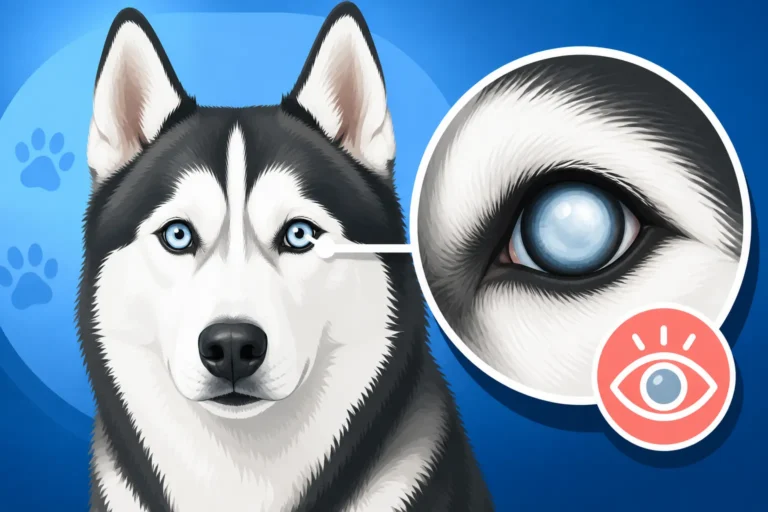
One of the most critical and ongoing health screenings for Siberian Huskies involves their eyes. The OFA, in conjunction with the American College of Veterinary Ophthalmologists (ACVO), runs the Companion Animal Eye Registry (CAER) program (formerly CERF). What's unique about eye certifications for Huskies is that they can be done at any age, from puppyhood well into their senior years, but they are only valid for one year. This means that a Siberian Husky intended for breeding, or even just as a cherished pet, should have an eye examination by a board-certified veterinary ophthalmologist annually.
This annual check-up is vital because many eye conditions can develop or progress over time. Common issues in Siberian Huskies include juvenile cataracts, progressive retinal atrophy (PRA), and corneal dystrophy. An annual exam can catch these problems early, allowing for potential intervention or management, and most importantly, it helps breeders avoid passing on debilitating eye conditions. Imagine the heartbreak of a Husky going blind from an inherited condition that could have been screened for. Regularly checking their eyes helps prevent this. You can dive deeper into this topic with our guide, Siberian Husky Eye Disease and the Annual Exam, or learn more about specific conditions like Juvenile Cataracts in the Siberian Husky.
Thyroid and Patella Certifications
Beyond hips, elbows, and eyes, there are other important health certifications that the OFA facilitates for Siberian Huskies, each with its own specific age guidelines. Thyroid health is one such area. Hypothyroidism, an underactive thyroid gland, can affect Huskies, leading to issues like coat changes, weight gain, and lethargy. For OFA thyroid certification, a Siberian Husky must be at least 12 months (one year) of age. The test involves a blood draw to measure various thyroid hormone levels. This screening helps ensure that breeding dogs have healthy thyroid function and are less likely to pass on a predisposition to thyroid disease. It's a proactive step that can save a dog from chronic health issues and owners from the challenges of managing such a condition.
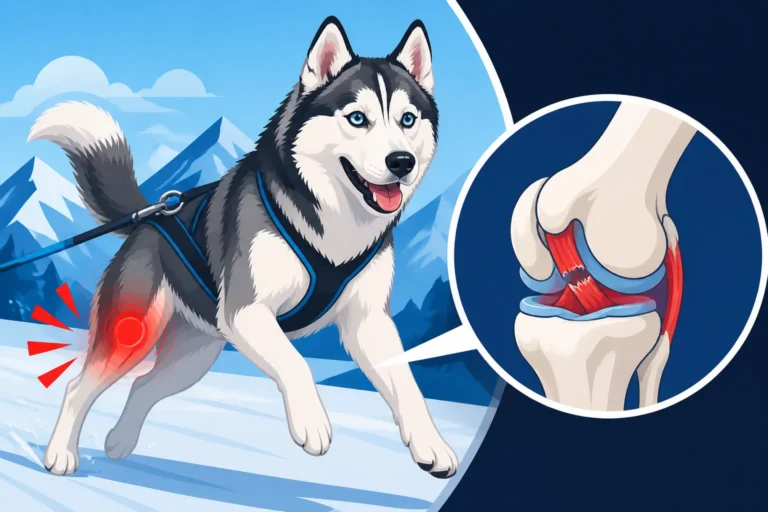
Patellar luxation, or "slipping kneecaps," is another orthopedic condition that can affect dogs, though it's not as prevalent in Siberian Huskies as in some smaller breeds. Nevertheless, it's a recommended screening for the breed. For OFA patella certification, a Siberian Husky also needs to be at least 12 months (one year) of age. This examination involves a veterinarian manually assessing the stability of the kneecap. Ensuring healthy patellas is part of the comprehensive approach to joint health, especially for an active breed that relies on strong, sound limbs for their characteristic athleticism. These additional certifications highlight the commitment to ensuring a broad spectrum of health for our furry companions.
Genetic DNA Tests
In addition to physical examinations and radiographic screenings, modern veterinary science offers invaluable tools in the form of genetic DNA tests. For Siberian Huskies, DNA tests are particularly important for certain inherited conditions that might not be detectable through physical examination until later in life, or might only manifest under specific circumstances. One prime example is X-linked Progressive Retinal Atrophy (XL-PRA), a genetic eye disease that can lead to blindness. Unlike the annual CAER eye exam which looks for present signs of disease, a DNA test can identify if a dog carries the gene for XL-PRA, regardless of whether they are affected, a carrier, or clear.
The beauty of DNA tests is that they can be performed at any age, often on puppies as young as a few weeks old. This is a huge advantage for breeders, as they can immediately identify the genetic status of a puppy and make informed decisions about future breeding pairs long before the dog reaches maturity. This early detection capability is a powerful tool in eradicating genetic diseases from the breed. By knowing a dog's genetic predisposition to conditions like PRA, breeders can make responsible choices to avoid producing affected puppies, even if those dogs themselves never show symptoms. For more details on this specific condition, you can refer to The DNA Test for Siberian Husky PRA. These tests are a cornerstone of modern, responsible breeding and provide a deeper layer of health assurance.
The Broader Picture of Siberian Husky Health Testing
While understanding the individual age requirements for each OFA certification is crucial, it's equally important to view health testing as a comprehensive and interconnected process. For a breed as special as the Siberian Husky, ensuring their well-being goes beyond just checking a few boxes.
Beyond Minimum Requirements: CHIC Numbers
For Siberian Husky enthusiasts and responsible breeders, achieving an OFA certification is a foundational step, but many strive for something even more comprehensive: a CHIC number. CHIC stands for the Canine Health Information Center, a program sponsored by the OFA and participating parent clubs, including the Siberian Husky Club of America. A CHIC number is awarded to a dog that has had all of the health tests recommended by their breed's parent club performed and the results are publicly available in the OFA database. It's a symbol of commitment to comprehensive health screening.
For Siberian Huskies, the core required tests to earn a CHIC number typically include:
- Hips: OFA evaluation (final certification at 24 months)
- Eyes: CAER/CERF exam (annual, current within 12 months)
- Thyroid: OFA evaluation (at least 12 months of age)
This holistic approach means breeders aren't just doing the bare minimum; they are going above and beyond to ensure they are making the most informed breeding decisions possible. When you see a "CHIC" number associated with a Siberian Husky, it tells you that the breeder has transparently addressed the most significant health concerns for the breed. This dedication reflects a deep commitment to the future health of Siberian Huskies and offers unparalleled transparency for prospective puppy owners. You can learn more about this certification in our article, What Siberian Husky CHIC Certification Requires.
Why Comprehensive Testing Benefits Pet Owners
It might seem like all this talk of certifications and age requirements is primarily for breeders, but the truth is, comprehensive health testing benefits pet owners immensely. When you choose a puppy from parents who have undergone thorough OFA and CHIC testing, you're significantly increasing your chances of bringing home a healthier dog with a reduced risk of developing debilitating genetic conditions. This isn't just about avoiding a vet bill; it's about minimizing the emotional toll of watching your beloved Husky suffer from a preventable disease.
Think about it: conditions like hip dysplasia or severe eye issues like PRA can lead to chronic pain, loss of mobility, or blindness. These aren't just inconvenient; they drastically impact a dog's quality of life and require extensive, often very expensive, veterinary care, including surgeries, medications, and specialized equipment. Investing in a puppy from health-tested lines is a proactive step toward a healthier, happier life for your Husky. While no test guarantees a dog will be perfectly healthy their entire life, responsible breeding significantly stacks the odds in your favor. This proactive approach can also be beneficial when considering pet insurance providers like Healthy Paws, as pre-existing conditions (those diagnosed before policy inception) are typically excluded. A puppy from well-tested parents gives you a clearer health slate to start with, making it easier to secure comprehensive coverage with a provider like Healthy Paws for any future unforeseen illnesses or accidents. Knowing a breeder puts this much effort into screening means they care about the health of the puppies they produce, which ultimately means a healthier, happier companion for you. For insights into what to look for when selecting a puppy, check out Reading a Siberian Husky Puppy's Health Paperwork.
Here's a quick reference table outlining the common OFA certifications for Siberian Huskies and their minimum age requirements:
| OFA Certification Type | Minimum Age for Final Certification | Purpose of Test | Frequency |
|---|---|---|---|
| Hips | 24 Months | Evaluate hip joint conformation for dysplasia. | Once (for final) |
| Elbows | 24 Months | Evaluate elbow joint conformation for dysplasia. | Once (for final) |
| Eyes (CAER/CERF) | Any Age | Screen for inherited eye diseases (e.g., cataracts, PRA). | Annually |
| Thyroid | 12 Months | Assess thyroid function for hypothyroidism. | Once (for final) |
| Patellas | 12 Months | Evaluate kneecap stability for luxation. | Once (for final) |
| Genetic DNA Tests | Any Age (often as puppies) | Identify carriers/affected status for specific genetic diseases (e.g., XL-PRA). | Once |
Disclaimer
This article is for general informational purposes only and does not constitute professional advice. Laws, prices and regulations vary by location and change over time. Consult a qualified professional for guidance on your specific situation.