Juvenile Cataracts in the Siberian Husky
Few things are as heartbreaking as seeing a young, energetic Siberian Husky, full of life and boundless curiosity, start to struggle with something as fundamental as their vision. Many husky owners eventually face the difficult reality of cataracts, but when those cloudy eyes appear in a puppy or young adult, it throws a wrench into all your carefully made plans. This guide is dedicated to helping you understand juvenile cataracts in Siberian Huskies, from spotting the first subtle signs to navigating diagnosis, treatment, and ultimately, ensuring your beloved companion lives their happiest, most fulfilling life.
Understanding Juvenile Cataracts in Siberian Huskies
It's a tough pill to swallow when you realize your young Siberian Husky might be developing cataracts. Most people associate cataracts with aging, something that comes with senior years, not with a dog still in its prime, or even worse, a puppy just beginning its journey. But for Siberian Huskies, juvenile cataracts are a real, often hereditary, concern that warrants a deep dive into understanding its nuances.
What Exactly Are Juvenile Cataracts?
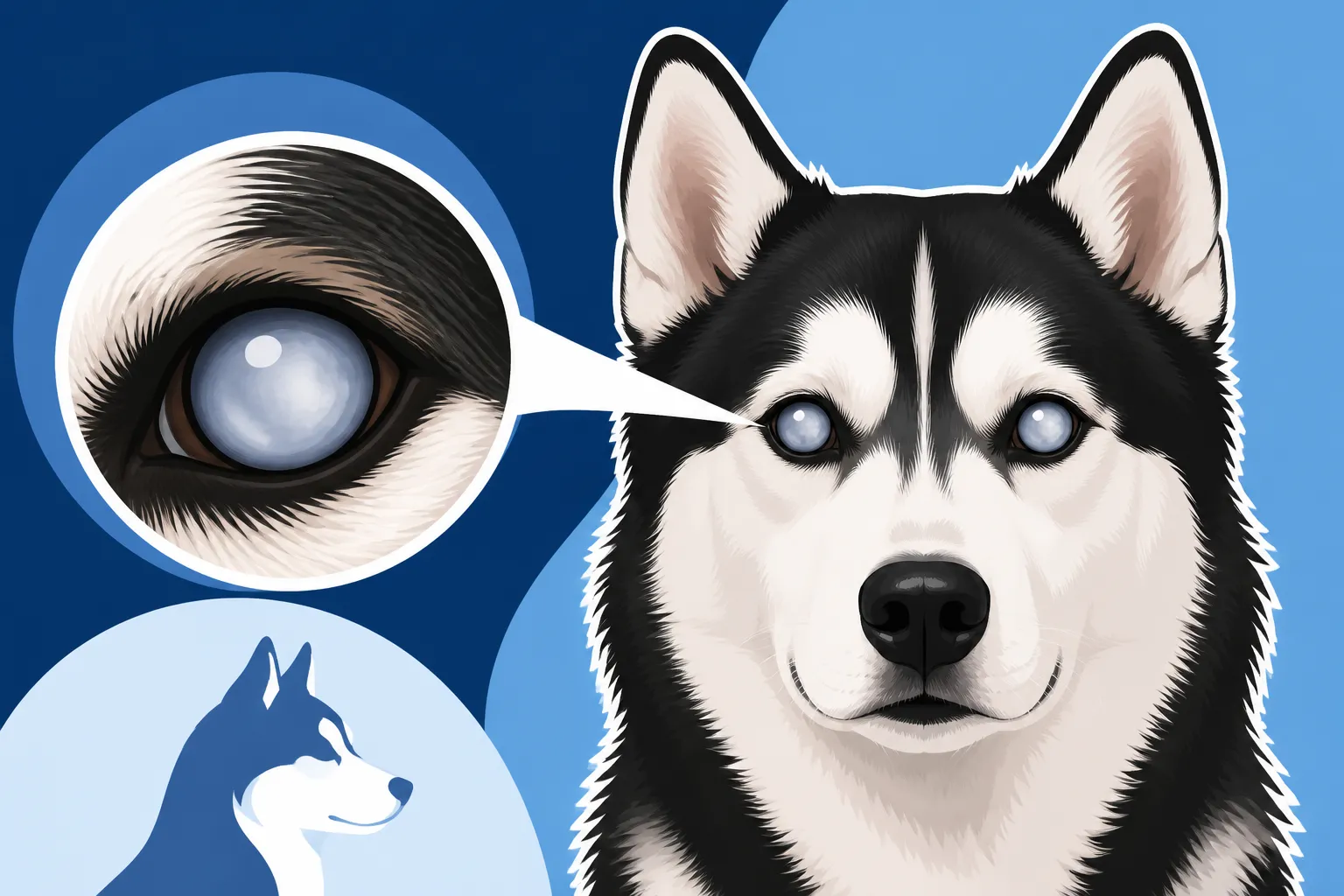
At its core, a cataract is simply an opacity or clouding of the eye's lens. Think of the lens like a perfectly clear window that focuses light onto the retina at the back of the eye. When that window becomes cloudy, light can't pass through clearly, leading to blurred vision, light sensitivity, and eventually, if severe enough, blindness. Juvenile cataracts specifically refer to those that develop in dogs younger than six years old, often even as puppies or adolescents. Unlike the slow, age-related nuclear sclerosis that can make an older dog's eyes look hazy but usually doesn't significantly impair vision, juvenile cataracts tend to be true opacities that interfere with sight.
What makes them particularly distressing is their early onset. Imagine a puppy, full of zest, tripping over familiar objects or hesitating in dimly lit rooms. It’s not just a cute quirk; it could be the first whisper of a problem. These cataracts can range from tiny, almost imperceptible dots that don't affect vision much, to dense, widespread opacities that can leave a dog completely blind. The type, location, and density of the cataract all play a huge role in how much it impacts your Husky's daily life. It's a spectrum, and sometimes it progresses rapidly, leaving owners scrambling to understand what's happening.
Why Siberian Huskies Are Prone to Juvenile Cataracts
Siberian Huskies, as magnificent and stoic as they are, unfortunately, carry a genetic predisposition for certain health issues, and juvenile cataracts are high on that list. It's not just a random occurrence; there's a strong hereditary component at play. Specifically, Siberian Huskies are known to be genetically predisposed to a form called hereditary juvenile cataracts, which often manifest as posterior polar cataracts – meaning they form at the back of the lens, near the optic nerve. This specific type is often passed down from parent to offspring.
Research has even identified specific genetic markers associated with these cataracts in the breed, though the full picture is complex, involving multiple genes or modifiers. This means that even seemingly healthy parents, if they are carriers, can produce puppies affected by the condition. The age of onset can vary widely, from a few weeks or months old, to a few years. It's not uncommon for a responsible breeder to have performed all the recommended health checks on the parents, only for a puppy in the litter to later develop these cataracts due to recessive genes surfacing. This is precisely why it's so important for breeders to be transparent about their lines and for prospective owners to be aware of the possibilities. You can learn more about specific types of cataracts in this breed by reading our guide, The Three Eye Diseases a Siberian Husky Faces.
The prevalence of juvenile cataracts in the breed underscores the importance of thorough eye examinations, not just for breeding dogs, but for all Siberian Huskies. It’s a stark reminder that even with careful breeding practices, genetic lottery can sometimes deal a tough hand. Understanding this predisposition isn't about blaming the breed or breeders; it's about being informed and proactive, ensuring we can provide the best possible care for these unique dogs.
Recognizing the Early Signs of Cataracts in Young Huskies
One of the hardest parts of dealing with juvenile cataracts in a Siberian Husky is that the early signs can be incredibly subtle, easily mistaken for normal puppy clumsiness or a momentary lapse in attention. Huskies are famously agile and energetic, so any deviation from their usual exuberance might just be a fleeting concern. However, when it comes to their eyesight, catching these early signals can make a world of difference in managing the condition and preserving as much vision as possible.
Subtle Visual Cues and Behavioral Changes
Your Husky's eyes might look perfectly clear to the untrained observer, yet they could already be experiencing visual challenges. One of the first things you might notice is a slight hesitation or increased caution when navigating unfamiliar environments or even in their own home, especially if the lighting changes. Imagine your usually fearless pup suddenly slowing down or bumping into furniture that's always been there. This isn't stubbornness; it could be their world starting to blur.
You might observe them being less confident on stairs, or reluctant to jump off the couch when they used to bound off effortlessly. Playtime might also change. A ball rolling across the floor might be missed more often, or they might seem to track it less accurately. They might even be less inclined to chase fast-moving objects, preferring instead to engage with stationary toys. In dimly lit rooms or at dusk, this hesitation can become more pronounced. They might stick closer to your legs, relying on your presence to guide them. Some Huskies might even develop a slight head tilt, trying to get a better angle to see past the cloudy areas of their lens. Keep an eye out for any changes in their willingness to explore new places or interact with new objects. These are not just minor shifts; they are often your Husky's way of telling you their world is becoming less clear. Our post, A Siberian Husky That Hesitates in Dim Rooms, dives deeper into such behaviors.
Physical Changes in the Eye
While behavioral changes are often the first hint, eventually, you might start to see physical evidence of the cataract directly in their eyes. This is where a keen eye and good lighting come in handy. The lens of a healthy young Husky's eye should be crystal clear, allowing you to see deep into the pupil. With the onset of a cataract, you'll start to notice an opacity. It might begin as a small, pinpoint white or gray speck within the pupil, or it could be a diffuse, milky haze that makes the eye appear less black.
The cloudiness can vary in color and density. Sometimes it looks like a bluish-gray film, other times it's a stark white, almost like a pearl. It's often most visible when your Husky is looking straight at you in good light, or when light reflects off the back of their eye, causing the pupil to appear more reflective or "glowing" in an unusual way. As the cataract progresses, the entire lens can become opaque, making the pupil appear solid white or gray. It's crucial to differentiate a true cataract from nuclear sclerosis, which is a normal age-related change in older dogs where the lens hardens and appears bluish, but usually doesn't severely impact vision. In young Huskies, however, any noticeable clouding is typically a cause for concern. For more detailed visual cues, refer to our article, Spotting a Cloudy Lens in a Siberian Husky. Catching these physical signs early and consulting with your veterinarian is paramount, as early diagnosis can significantly impact treatment options and outcomes.
The Diagnostic Journey: What to Expect at the Vet
Discovering that your young Siberian Husky might have cataracts can send you into a spiral of worry. The next step, naturally, is a visit to the veterinarian. This diagnostic journey is crucial for understanding the extent of the condition, its potential causes, and mapping out the best course of action. It's a multi-stage process that typically moves from your general practitioner to a specialist, ensuring your Husky receives the most accurate and comprehensive evaluation.
Initial Veterinary Examination
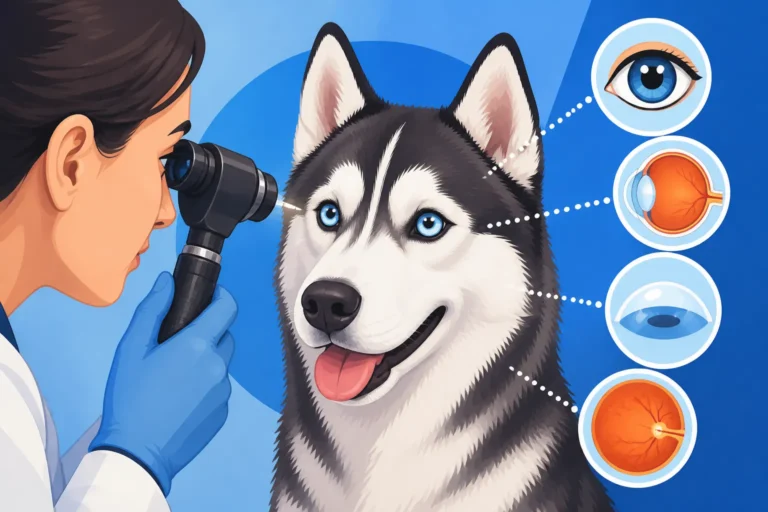
Your first stop will likely be your family veterinarian. During this initial visit, your vet will perform a thorough general health check, ensuring there are no other underlying health issues contributing to your Husky's vision changes. They'll also do a basic ophthalmic exam. This usually involves using an ophthalmoscope to look into your Husky's eyes, checking the clarity of the cornea and lens, and examining the retina. They might dilate your Husky’s pupils to get a better view of the lens and the back of the eye.
While your general vet can often identify the presence of a cataract, they might not be able to precisely classify its type, determine its exact location, or assess its potential for progression with the same detail as a specialist. Their role is to confirm your suspicions and, crucially, to refer you to a board-certified veterinary ophthalmologist. This referral is not a sign that your vet isn't competent; rather, it’s an acknowledgement that eye health is a highly specialized field, and your Husky deserves the best expert care available for a condition like juvenile cataracts. They may also discuss the importance of proper Siberian Husky Vet Visits by Life Stage to catch issues early.
Specialized Ophthalmic Examination
Once you've been referred, a veterinary ophthalmologist will conduct a much more detailed and comprehensive examination. This specialist has advanced equipment and expertise specifically for diagnosing and treating eye conditions. The specialized exam typically includes:
- Slit Lamp Biomicroscopy: This tool allows the ophthalmologist to view the structures of the eye, including the lens, in high magnification and cross-section, which is essential for determining the exact location, size, and density of the cataract. It helps distinguish between different types of cataracts and assess their impact on vision.
- Indirect Ophthalmoscopy: After pupil dilation, this allows for a wide-angle view of the retina and optic nerve, ensuring there are no other retinal diseases that could also be impacting vision or complicating treatment.
- Tonometry: This measures the intraocular pressure (IOP) of the eye to rule out glaucoma, a painful condition that can sometimes occur secondary to cataracts or as a separate issue.
- Gonioscopy: In some cases, the ophthalmologist may perform gonioscopy to examine the drainage angle of the eye, particularly if there's a concern about glaucoma development.
- Electroretinography (ERG): If surgery is being considered, an ERG might be performed to assess the function of the retina. This is critical because if the retina isn't healthy, cataract surgery might not restore functional vision.
- OFA Eye Certification Exam: For breeding animals, this annual eye exam is vital, and the results are registered with the Orthopedic Foundation for Animals (OFA). Even for a pet, it provides a thorough health baseline. You can learn more about Reading a Siberian Husky OFA Eye Certificate in our detailed post.
This thorough evaluation will give you a clear picture of your Husky's eye health and allow the ophthalmologist to discuss the prognosis and treatment options tailored to your dog's specific situation. They are the best resource for detailed information, like What an Ophthalmologist Checks in a Siberian Husky.
Genetic Testing and Pedigree Review
Given the strong hereditary component of juvenile cataracts in Siberian Huskies, genetic testing and a review of your Husky’s pedigree are incredibly important diagnostic tools. While not all types of juvenile cataracts have a specific gene test available yet, for those that do, such as certain forms of hereditary cataracts, a DNA test can confirm the genetic basis of the condition. This information is not only vital for understanding your individual dog's prognosis but also has significant implications for responsible breeding practices.
If your Husky's cataract is diagnosed as hereditary, and if a genetic test is available, testing the parents (if accessible) can help breeders make informed decisions to prevent passing on the trait. Even without a specific gene test, reviewing the pedigree can sometimes reveal patterns of eye issues in previous generations, highlighting lines that may carry a predisposition. This emphasizes the critical importance of a breeder providing comprehensive health paperwork and being transparent about the health history of their dogs. Asking about these health clearances is one of the key steps outlined in our guide, Health Testing Before You Buy a Siberian Husky.
Understanding the genetic background of your Husky's cataracts allows for a more complete picture of their condition and can guide discussions about future health monitoring, especially if they are from a line known to carry specific genetic predispositions. This comprehensive approach ensures that not only your Husky gets the best care, but also contributes to the overall health and well-being of the Siberian Husky breed as a whole.
Types of Juvenile Cataracts in Siberian Huskies
When you hear "cataract," you might picture a single, uniform clouding, but the reality is far more complex, especially in young Siberian Huskies. Juvenile cataracts aren't a one-size-fits-all diagnosis; they manifest in various forms, each with its own characteristics, progression, and implications for your Husky's vision. Understanding these differences is key to grasping the full scope of your dog's condition.
Heritable vs. Non-Heritable Cataracts
The primary distinction in juvenile cataracts in Siberian Huskies lies in whether they are inherited or acquired.
Heritable Cataracts: These are the most common type seen in young Huskies and are passed down through generations. They are often bilateral, meaning they affect both eyes, though not necessarily to the same degree or at the exact same time. The most prevalent heritable form in Huskies is the posterior polar cataract, which forms at the back of the lens. These can start small and stable, or they can progress rapidly, causing significant vision impairment. Other heritable forms can include equatorial or cortical cataracts. The genetic component makes responsible breeding incredibly challenging and crucial. Breeders must conduct regular eye examinations, often through the OFA Eye Certification program, to identify affected dogs and carriers. Even with careful screening, recessive genes can surface, leading to unexpected cases. This is why when you're looking for a puppy, you should be asking specific questions detailed in our post, Reading a Siberian Husky Puppy's Health Paperwork.
Non-Heritable (Acquired) Cataracts: While less common for juvenile onset, cataracts can also develop due to factors other than genetics. These might include:
- Trauma: A direct injury to the eye, such as being hit by a ball or a scratch, can sometimes lead to localized lens damage and cataract formation.
- Metabolic Diseases: Conditions like diabetes mellitus can cause cataracts to form, often very rapidly, even in young dogs. Although less common in juvenile Huskies, it’s a possibility that a vet will consider.
- Nutritional Deficiencies/Imbalances: In very rare cases, severe nutritional deficiencies in puppies, such as those related to amino acids, might be implicated, though this is far less common in well-fed companion dogs.
- Inflammation (Uveitis): Chronic inflammation within the eye (uveitis) can damage the lens and lead to cataract formation. While uveitis can be a primary condition, it can also be a secondary complication of a cataract. Our guide on Siberian Husky Eye Disease and the Annual Exam elaborates on these complexities.
- Toxins or Radiation: Exposure to certain toxins or radiation, though uncommon for typical household pets, can also cause lens changes.
Identifying the cause is critical because it influences treatment. For heritable cataracts, the focus is on managing the vision loss. For acquired cataracts, addressing the underlying cause (e.g., managing diabetes, treating inflammation) is also a priority.
Progression and Impact on Vision
The journey of a juvenile cataract is rarely static. Understanding its potential progression and the resulting impact on your Husky's vision is paramount for managing expectations and making timely decisions.
Cataracts can be classified by their severity:
- Incipient Cataracts: These are very small, localized opacities that affect less than 15% of the lens. They typically don't cause significant vision impairment, and your Husky might not show any noticeable signs. These are often discovered during routine eye exams.
- Immature Cataracts: These affect more than 15% of the lens but still allow some light to pass through, meaning your Husky can still see to some degree, though their vision will be blurred. At this stage, you might start noticing the behavioral changes discussed earlier, such as hesitation in dim light or difficulty tracking objects. Many juvenile cataracts are first diagnosed at this stage, and their progression rate can be highly variable.
- Mature Cataracts: The entire lens is opaque, blocking most or all light from reaching the retina. At this point, your Husky will likely be functionally blind in the affected eye(s). This is when surgery becomes most critical to restore vision.
- Hypermature Cataracts: If a mature cataract is left untreated, the lens material can begin to liquefy or shrink, sometimes causing inflammation within the eye (uveitis) and potentially leading to secondary glaucoma, which is painful and can cause permanent damage. This stage often presents with additional complications that make surgical intervention more complex.
The speed at which a juvenile cataract progresses can vary dramatically. Some may remain incipient for years, while others can progress from immature to mature in a matter of weeks or months. This variability makes regular monitoring by a veterinary ophthalmologist essential. They can track the cataract's growth and advise on the optimal timing for intervention. The ultimate impact on your Husky's quality of life depends heavily on the extent of vision loss. A Husky with partial vision might adapt well, especially in familiar environments. However, a Husky that becomes functionally blind will require more significant adjustments to their environment and routine to ensure their safety and well-being. It’s a common worry among owners, which is why our article Whether Siberian Husky Cataracts Always Cause Blindness explores this in depth. The emotional toll on owners is also significant, watching their vibrant young dog struggle to navigate their world.
| Cataract Type | Age of Onset | Progression Speed | Typical Cause | Impact on Vision |
|---|---|---|---|---|
| Juvenile (Heritable) | < 6 years (often < 2 years) | Variable (slow to rapid) | Genetic predisposition | Ranges from minimal to complete blindness |
| Juvenile (Acquired) | < 6 years | Variable (often rapid for diabetes) | Trauma, metabolic disease (e.g., diabetes), inflammation | Ranges from minimal to complete blindness |
| Senior (Nuclear Sclerosis) | > 6 years (typically > 8 years) | Very slow | Normal aging process | Mild blurriness, usually minimal impact |
| Senior (Age-Related Cataract) | > 6 years | Slow to moderate | Normal aging process | Ranges from minimal to complete blindness |
Treatment Options and Surgical Considerations
When your young Siberian Husky is diagnosed with juvenile cataracts, the immediate question that springs to mind is, "What can be done?" While the diagnosis can be daunting, the good news is that veterinary ophthalmology has made incredible advancements, offering viable treatment options, particularly surgery, to restore vision. However, deciding on the best course of action involves careful consideration of several factors, from the cataract's severity to your Husky's overall health and your family's capacity for post-operative care.
When and Why Surgery Is Recommended
Cataract surgery in dogs, much like in humans, is generally recommended when the cataract significantly impairs vision, affecting the dog's quality of life. For juvenile cataracts in Siberian Huskies, this decision can be even more time-sensitive. If left untreated, progressive cataracts can lead to irreversible blindness and secondary complications that make future surgery more risky or even impossible.
Here's why and when surgery typically becomes the hero of the story:
- Significant Vision Impairment: If your Husky is struggling to navigate, frequently bumping into things, or is no longer engaging in activities they once loved due to poor vision, surgery is usually considered. The goal is to restore functional vision, allowing them to lead a normal, active life.
- Preventing Complications: As mentioned, mature cataracts can lead to painful and sight-threatening secondary conditions like uveitis (inflammation inside the eye) and glaucoma (increased eye pressure). Early surgical intervention can prevent these complications, which can make a successful outcome much more challenging.
- Age Considerations: For juvenile cataracts, earlier intervention is often preferred. Young lenses are generally healthier, and the surrounding eye structures are less likely to have developed secondary problems. The younger the patient, the better the overall health tends to be, potentially leading to smoother recovery. However, the ophthalmologist will assess if the puppy is mature enough for anesthesia and handling the post-operative regimen.
- High Success Rates: Modern veterinary cataract surgery boasts a high success rate, often between 85-95% in restoring functional vision in otherwise healthy eyes. This gives owners a strong reason for hope.
The decision to proceed with surgery is a collaborative one between you and your veterinary ophthalmologist, taking into account the specifics of your Husky's cataracts and your individual circumstances. Our guide on Cataract Surgery on a Siberian Husky offers even more detail on the procedure itself.
The Cataract Surgery Procedure
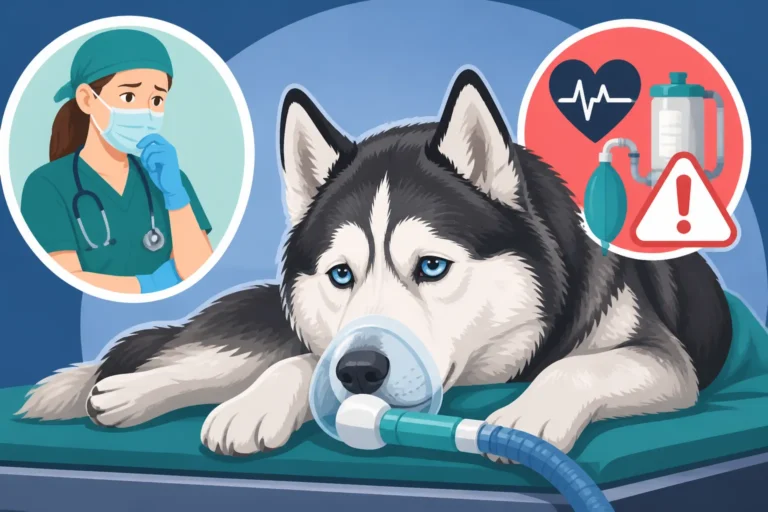
Cataract surgery in dogs is a specialized and intricate procedure, typically performed under general anesthesia by a board-certified veterinary ophthalmologist. Understanding the steps can help demystify the process and ease some of your anxieties.
- Pre-Operative Evaluation: Before surgery, your Husky will undergo a thorough pre-surgical workup, including blood tests, urinalysis, and potentially an electrocardiogram (ECG) to ensure they are a good candidate for anesthesia. As discussed, an electroretinogram (ERG) is often performed to confirm retinal function, and an ocular ultrasound may be used to evaluate the back of the eye if the cataract is too dense to see through.
- The Surgical Procedure (Phacoemulsification): The most common technique used is phacoemulsification, the same method used in human cataract surgery.
- First, a very small incision is made in the cornea.
- A tiny ultrasonic probe is inserted into the eye. This probe emits high-frequency sound waves that emulsify (break up) the cloudy lens into microscopic fragments.
- These fragments are then gently aspirated (suctioned) out of the eye.
- Once the natural lens is removed, an artificial intraocular lens (IOL) is usually implanted. This lens helps focus light onto the retina, restoring clear vision. In some cases, if the eye is too inflamed or damaged, an IOL might not be placed, and the dog will simply be aphakic (without a lens), which still significantly improves vision but leaves them far-sighted.
- Post-Operative Care: This is arguably the most critical phase for a successful outcome and often the most challenging for owners. It involves:
- Strict Medication Regimen: Your Husky will need multiple eye drops and oral medications (anti-inflammatories, antibiotics) for several weeks, often several times a day. Consistency is paramount.
- E-collar (Cone): They will need to wear an Elizabethan collar (cone) constantly for several weeks to prevent them from rubbing or scratching their eyes, which could cause serious damage.
- Activity Restriction: Strenuous activity, jumping, and rough play must be severely limited to prevent trauma to the healing eye. Leash walks are typically fine, but no dog parks or intense exercise.
- Follow-Up Visits: Frequent follow-up appointments with the ophthalmologist are necessary to monitor healing, check eye pressure, and adjust medications.
While the surgery itself is quick, the commitment to post-operative care is substantial. It requires dedication and patience, but the reward of seeing your Husky regain their sight is immeasurable. Pet insurance plans, like those offered by Healthy Paws, often cover a significant portion of these surgical and follow-up costs, making this vital treatment more accessible.
Non-Surgical Management and When It's Appropriate
While surgery offers the best chance for restoring vision, it's not always the immediate, or even the right, path for every Siberian Husky with juvenile cataracts. There are specific scenarios where non-surgical management is appropriate, focusing primarily on monitoring and managing secondary complications.
- Incipient or Non-Progressive Cataracts: If the cataract is very small (incipient) and not significantly impacting vision, or if it has been stable for a long period without progression, the ophthalmologist might recommend a "watch and wait" approach. Regular check-ups will be scheduled to monitor for any changes in size or density. In these cases, the risk of surgery might outweigh the benefit of removing a cataract that isn't causing problems.
- Underlying Health Conditions: If your Husky has other severe health issues that make general anesthesia too risky, surgery might not be an option. In such cases, the focus shifts to palliative care and managing any discomfort.
- Financial Constraints: Cataract surgery is a significant financial investment. While many owners prioritize their pet's health, it's a reality that not everyone can afford the procedure and extensive post-operative care. In these situations, the ophthalmologist will discuss strategies to manage the consequences of vision loss and maintain your Husky's comfort. This is where early enrollment in pet insurance, like Healthy Paws, can really make a difference by helping to offset the substantial costs.
- Managing Secondary Issues: Even if surgery isn't pursued, it's critical to manage any secondary complications that might arise. For instance, if the cataract causes uveitis, anti-inflammatory eye drops or oral medications will be prescribed to reduce pain and inflammation. Untreated inflammation can lead to further damage and glaucoma.
- Retinal Problems: If the comprehensive pre-surgical workup reveals that the retina is non-functional, then cataract surgery to clear the lens will not restore vision. In these cases, surgery is not recommended, and the focus shifts to adapting to blindness and managing any associated eye pain.
It's important to have an open and honest conversation with your veterinary ophthalmologist about all available options. They can provide guidance on whether Whether a Siberian Husky Cataract Can Be Left Alone is a safe and realistic choice for your specific dog. The goal, regardless of the path chosen, is always to ensure your Siberian Husky has the best possible quality of life.
Life After Diagnosis: Managing a Husky with Juvenile Cataracts
Receiving a diagnosis of juvenile cataracts for your Siberian Husky is a profound moment, filled with a mix of emotions—concern, fear, and a fierce determination to do what's best for your furry friend. Whether you opt for surgery or manage the condition non-surgically, life will inevitably change. The key is to embrace these changes with proactive care and adapt your home environment to ensure your Husky's safety, comfort, and happiness. This journey is about support, patience, and unwavering love.
Post-Operative Care and Recovery
If you and your veterinary ophthalmologist decide on surgery, the period immediately following the procedure is critical for a successful outcome. This recovery phase demands significant commitment and diligence on your part, as the surgeon has done their part, and now it's up to you to ensure proper healing.
- Medication Schedule: Get ready to become a master of eye drops! Your Husky will be on a strict regimen of multiple eye drops, often several times a day, for several weeks. These typically include anti-inflammatory drops to reduce swelling and pain, and antibiotic drops to prevent infection. You might also have oral anti-inflammatory or pain medications. Missing doses can have serious consequences for healing. It's helpful to set alarms or use a checklist to ensure you administer every drop on time.
- The Dreaded E-Collar: Your Husky will need to wear an Elizabethan collar (the "cone of shame") continuously for several weeks. This is non-negotiable, as even a moment of rubbing or scratching can undo the delicate surgical repair or introduce infection. Many Huskies initially hate the cone, but they usually adapt. Ensure it's fitted properly—not too tight, not too loose, and long enough to prevent them from reaching their eyes.
- Activity Restriction: Your Husky, being a Husky, will want to run, jump, and play. You must prevent this. Strenuous activity, jumping on and off furniture, rough play with other pets, and even vigorous head shaking need to be strictly limited. Short, calm leash walks are usually permitted, but keep things low-key. A ramp for furniture or car access can be helpful. This restriction is crucial to prevent pressure on the healing eye and avoid re-injury.
- Regular Follow-Up Visits: Expect frequent visits back to the veterinary ophthalmologist. These appointments are vital for monitoring the healing process, checking intraocular pressure, assessing for any complications, and adjusting medications as needed. These visits also allow the specialist to reassure you and address any concerns you might have.
This post-operative period can be intense, but remember that it's temporary. Your dedication during this time directly contributes to your Husky's long-term vision and well-being. To prepare thoroughly, it's wise to review information such as Recovery After Siberian Husky Cataract Surgery.
Adapting Your Home for a Vision-Impaired Husky
Whether your Husky has undergone surgery and is recovering, or if they are living with significant vision loss from cataracts that aren't surgically treated, adapting their home environment is key to their safety and confidence. A little foresight and empathy can transform their world from confusing to comfortable.
- Maintain Consistency: Huskies thrive on routine, and a vision-impaired Husky relies on it even more. Keep furniture, food and water bowls, and their bed in consistent locations. Avoid rearranging frequently. If you must move something, guide your Husky around it several times until they learn its new placement.
- Clear Pathways: Keep floors clear of clutter. Tripping hazards like shoes, bags, or toys should be picked up. Create open, clear pathways, especially in high-traffic areas.
- Safety Barriers: Block off stairs with baby gates until you're confident your Husky can navigate them safely, or if they're unable to learn them at all. Protect them from sharp corners of furniture with child-proofing bumpers. Secure swimming pools or ponds with fencing.
- Sound and Scent Cues: Engage their other senses. Use verbal cues ("step up," "watch out," "left," "right") when approaching obstacles or turning corners. Scent markers (e.g., essential oils diluted and dabbed on furniture legs) can help them identify key locations like their bed or food bowl.
- Enrichment: Don't let vision impairment limit their joy. Invest in toys that make noise (squeaky, crinkly, or bell-filled) or are scented. Continue with walks, but on a leash in safe, familiar areas. Consider dog puzzles that rely on scent or touch.
- Supervision and Identification: Always supervise your vision-impaired Husky outdoors, even in a fenced yard, as their depth perception will be off. Ensure they wear a collar with up-to-date ID tags and consider a GPS tracker. A "Blind Dog" vest or harness can also alert strangers to their condition, preventing startling encounters.
Adapting your home is an ongoing process. Observe your Husky, learn what they struggle with, and adjust accordingly. Remember, their world is changing, and your patience and guidance are their greatest assets. Our guide, Keeping a Blind Siberian Husky Safely Contained, offers more specific tips for creating a secure environment.
Long-Term Outlook and Potential Complications
The long-term outlook for a Siberian Husky with juvenile cataracts depends largely on whether surgery was performed and the success of that surgery, as well as the absence of secondary complications. While many Huskies do exceptionally well, it's important to be aware of potential challenges down the road.
- Post-Surgical Success: For Huskies who undergo successful cataract surgery, the restoration of vision can be transformative. They often regain their confidence and zest for life. However, even with successful surgery, lifelong vigilance is required. Many dogs will continue to need daily eye drops to prevent inflammation or maintain eye health. Regular follow-up exams with the ophthalmologist, initially frequent and then annually, are crucial to monitor for late-onset complications.
- Secondary Glaucoma: One of the most serious potential long-term complications, both with and without surgery, is secondary glaucoma. This is a painful condition caused by increased pressure inside the eye, which can lead to irreversible blindness if not treated promptly. In operated eyes, inflammation or scar tissue can sometimes block fluid drainage. In unoperated eyes with mature or hypermature cataracts, the degrading lens material can trigger inflammation and subsequently, glaucoma. Be watchful for signs of pain (squinting, pawing at the eye, lethargy, redness) and any changes in eye appearance (cloudiness, enlarged pupil).
- Lens Luxation/Subluxation: Though less common after modern phacoemulsification, the artificial lens can, in rare cases, shift out of place. This can cause discomfort and vision problems, potentially requiring further surgical intervention. In unoperated eyes, a hypermature cataract can sometimes weaken the zonules (fibers holding the lens in place), leading to the natural lens shifting or falling out of position.
- Posterior Capsular Opacification (PCO): This is a common post-surgical complication where the capsule behind the implanted lens becomes cloudy, causing a return of blurry vision. It's sometimes referred to as "after-cataract." It can often be treated with laser surgery or medication.
- Living with Blindness: If surgery isn't an option or isn't successful, your Husky can still lead a full and happy life with appropriate adaptations. Dogs are incredibly resilient and adapt to blindness far better than humans often imagine. They rely heavily on their other senses—smell, hearing, and touch—to navigate their world. Your patience, consistent routines, and a safe environment are paramount. Many older Huskies, even those who lose vision later in life, continue to thrive with minor adjustments, as explored in our article, Caring for a Siberian Husky Past Ten.
The long-term outlook is generally positive with good care and diligent follow-up. Early detection, prompt treatment when necessary, and a loving, adapted home environment are the cornerstones of ensuring your Siberian Husky maintains the best possible quality of life, regardless of their visual acuity.
The Role of Responsible Breeding and Genetic Health
The conversation around juvenile cataracts in Siberian Huskies inevitably leads to the critical role of responsible breeding and genetic health. Because these cataracts often have a hereditary component, the choices made by breeders profoundly impact the future health of the breed. For prospective owners, understanding these principles is empowering, allowing you to make informed decisions and support ethical practices.
Screening and Certification Programs
Responsible breeders are deeply committed to minimizing the risk of inherited diseases, including juvenile cataracts, in their lines. This commitment translates into rigorous health screening and participation in certification programs.
- OFA Eye Certification Exam (CAER – Companion Animal Eye Registry): This is the gold standard for eye health screening in breeding dogs. Board-certified veterinary ophthalmologists examine the eyes of breeding stock annually for any signs of inherited eye disease, including cataracts, glaucoma, and progressive retinal atrophy. The results are submitted to the Orthopedic Foundation for Animals (OFA) and publicly recorded. A "clear" or "normal" result means that at the time of examination, no evidence of inherited eye disease was found. However, because some conditions, like certain cataracts, can develop later in life, these exams need to be done annually, and puppies should be checked at a young age before being placed in new homes. For more on this, check out Why a Siberian Husky Needs an Eye Exam Every Year.
- CHIC (Canine Health Information Center) Program: The CHIC program, sponsored by the OFA and the AKC Canine Health Foundation, identifies health testing recommended for specific breeds. For Siberian Huskies, a CHIC number requires certain tests, and an annual eye exam by a board-certified veterinary ophthalmologist is one of them. This holistic approach encourages breeders to screen for multiple health conditions. Our guide, What Siberian Husky CHIC Certification Requires, explains this in detail.
- Genetic Testing: As scientific understanding of canine genetics grows, specific DNA tests are becoming available for certain inherited diseases. For some forms of juvenile cataracts, or other eye conditions like Progressive Retinal Atrophy (PRA), genetic tests can identify carriers (dogs that don't show symptoms but can pass the gene to their offspring) and affected individuals. Responsible breeders utilize these tests to make informed breeding decisions, avoiding breeding two carriers together, which would significantly increase the risk of producing affected puppies.
By participating in these programs, breeders aim to make educated choices that improve the genetic health of future generations. It’s a continuous effort that requires dedication and a willingness to be transparent about health outcomes.
Making Informed Decisions When Choosing a Puppy
For families dreaming of bringing a Siberian Husky puppy into their home, making an informed decision about where your puppy comes from is one of the most significant steps you can take to mitigate the risk of hereditary conditions like juvenile cataracts.
Here’s what to look for and questions to ask:
- Ask for Health Clearances: A reputable breeder will eagerly provide you with copies of the parents' health clearances, including OFA eye certifications (CAER exams) that are current (within the last 12 months). They should also show you any available genetic test results relevant to the breed. Don't just take their word for it; ask to see the physical paperwork or lookup the results on the OFA website using the parents' registered names or registration numbers.
- Transparency About Lineage: A good breeder will be open about the health history of their dogs' ancestors. They should be able to discuss any known health issues in their lines, including if juvenile cataracts have appeared in previous generations, and how they are working to breed away from these conditions.
- Early Puppy Eye Exams: Some breeders will have puppies examined by a veterinary ophthalmologist at a young age (e.g., 8-12 weeks) before they go to their new homes. This can catch early-onset cataracts or other congenital eye defects. You can delve into this topic further in Siberian Husky Eye Exams at Three Months.
- Avoid Red Flags: Be wary of breeders who:
- Don't offer health clearances or make excuses for not having them.
- Breed very young animals or excessively old animals.
- Have multiple litters simultaneously with no focus on individual puppy health.
- Are unwilling to answer your questions thoroughly or allow you to visit their facility.
- Are primarily concerned with payment rather than finding a good home for their puppies.
- The Power of Pet Insurance: Even with the most careful breeding and health testing, genetic conditions can sometimes arise unexpectedly. This is where pet insurance becomes a prudent investment. Enrolling your Siberian Husky puppy early in a comprehensive pet insurance plan, such as Healthy Paws, can provide a financial safety net for unexpected veterinary costs, including those associated with juvenile cataract diagnosis, surgery, and long-term care. It's often wisest to enroll them before any issues arise, as pre-existing conditions are typically excluded.
Choosing a Siberian Husky is a long-term commitment. By being diligent in your research and partnering with a responsible breeder, you're not only increasing the likelihood of a healthy puppy but also supporting the ethical practices that contribute to the overall health and longevity of this incredible breed. Our post, Reading a Siberian Husky Puppy's Health Paperwork, provides a detailed checklist for your puppy search.
Disclaimer
The information provided in this article is for general informational purposes only and is not a substitute for professional veterinary advice. Always consult with a qualified veterinarian or veterinary ophthalmologist for any health concerns or before making any decisions related to your Siberian Husky's health care.