Siberian Husky Eye Exams at Three Months
Bringing home a new Siberian Husky puppy is a whirlwind of excitement, adorable antics, and a whole lot of questions. Amidst all the puppy classes and house training, it's easy for specific health checks to get overlooked or misunderstood. Many new owners find themselves wondering if their three-month-old floof really needs an eye exam by a specialist, especially when those sparkling eyes seem perfectly fine. This guide will walk you through precisely why that early veterinary ophthalmologist visit is so incredibly crucial for your energetic young pup, what you can expect during the exam, and what vital information it can uncover for their lifelong well-being.
The Critical Timing of an Early Eye Exam for Your Siberian Husky Puppy
It might seem excessive to take such a young puppy to a veterinary ophthalmologist, especially when your regular vet has already given them a clean bill of health. However, for a breed like the Siberian Husky, known for certain inherited eye conditions, this early specialist visit isn't just recommended; it's a vital step in proactive care. Think of it as laying the groundwork for a lifetime of healthy vision.
Why Three Months Isn't Too Early for a Specialist Visit
The three-month mark is often recommended because it's a sweet spot where many inherited eye conditions, particularly juvenile cataracts, begin to manifest or are detectable by a trained specialist. Your general veterinarian is fantastic for overall health, vaccinations, and parasite prevention, but they typically don't have the specialized equipment or the deep, specific knowledge of breed-specific ophthalmic conditions that a board-certified veterinary ophthalmologist possesses. These specialists perform what's known as a CERF (Canine Eye Registry Foundation) or OFA Eye Certification exam, which is a standardized screening protocol.
The purpose isn't just to spot current problems; it's also to catch conditions that might develop later but have early indicators. For breeders, this exam is critical for making informed decisions about breeding lines, aiming to reduce the prevalence of genetic eye diseases. For pet owners, it gives you invaluable peace of mind or, if an issue is detected, allows you to prepare for future management or treatment. This proactive approach can make a huge difference in your Husky's quality of life and your ability to plan for their care.
Uncovering Juvenile Cataracts and Other Early Onset Conditions
One of the primary reasons for this early exam is the detection of Juvenile Cataracts in the Siberian Husky. Unlike cataracts that develop in older dogs due to age, juvenile cataracts are typically inherited and can appear quite early in life. A small, seemingly insignificant clouding of the lens might be completely invisible to an untrained eye, even yours, but an ophthalmologist using specialized tools can see it. Catching these early can help determine the potential progression and whether intervention, like Cataract Surgery on a Siberian Husky, might be needed down the line. It's a stark reality that these conditions, though sometimes minor, can progress to significantly impact a dog's vision.
While juvenile cataracts are a major concern, the exam can also sometimes provide early clues for other conditions. For instance, while often diagnosed later, some forms of corneal dystrophy or early signs of other genetic predispositions might be noted. The ophthalmologist will examine all structures of the eye, from the eyelids and conjunctiva to the retina, looking for anything outside the norm for a Siberian Husky puppy. This thoroughness is why a general vet check, while important, simply doesn't compare to the depth of an ophthalmic specialist's examination when it comes to inherited eye diseases. It allows you to build a comprehensive health profile for your beloved Husky from a very young age.
What Happens During Your Siberian Husky Puppy's Eye Exam
Heading to a specialist can feel a bit intimidating, especially when it's for something as delicate as your puppy's eyes. Knowing what to expect during the examination can alleviate some of that anxiety and help you feel prepared to advocate for your Husky. Rest assured, these professionals are experts not only with eyes but also with wiggly, curious puppies.
The Comprehensive Ophthalmic Examination Process
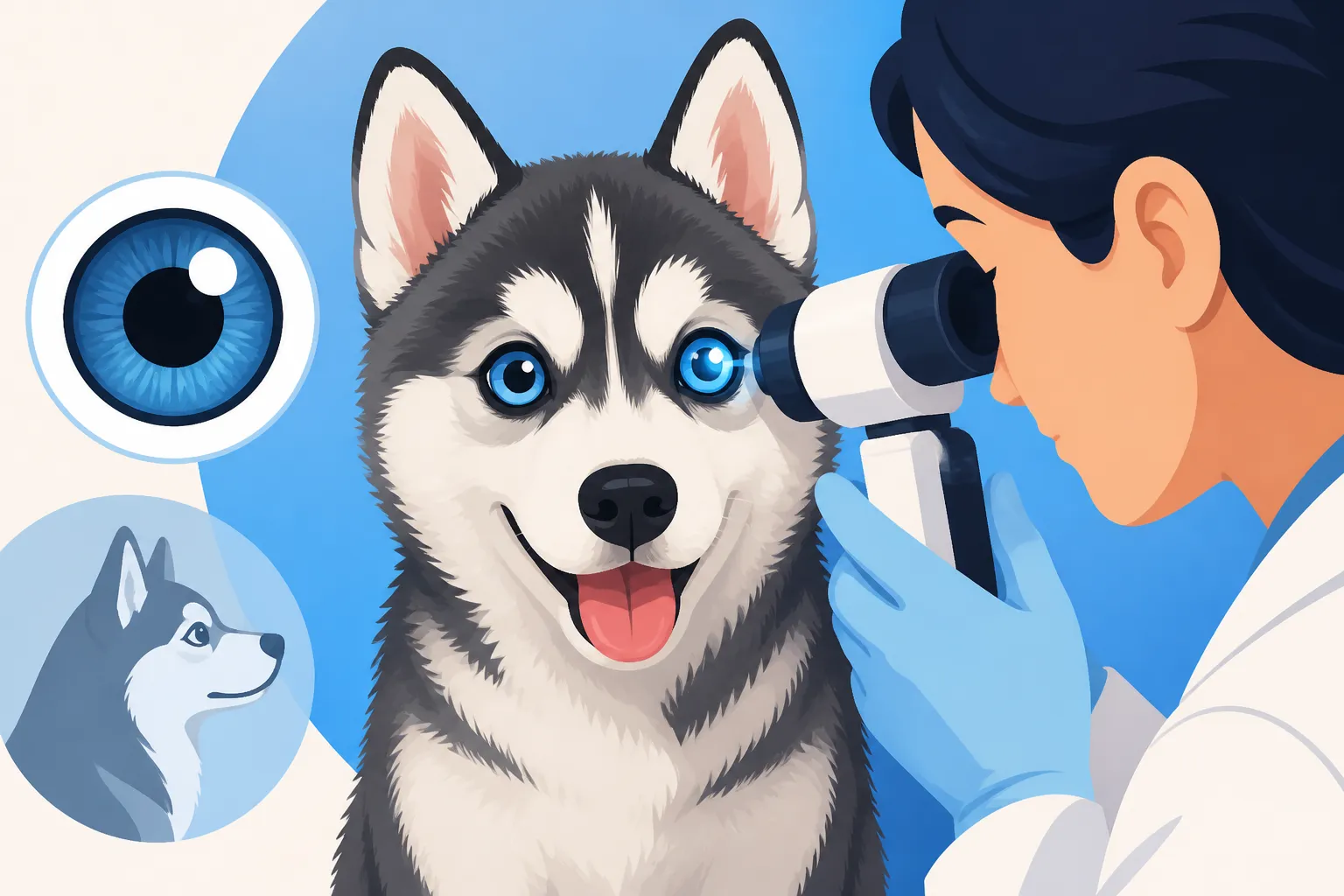
When you arrive for your Siberian Husky puppy's eye exam, the veterinary ophthalmologist will typically start with a thorough history, asking about the puppy's parents, any known eye issues in the lineage, and any observations you've made. Then, the real magic begins with a detailed visual assessment. They’ll look at the eyelids, eyelashes, and the whites of the eyes, checking for any abnormalities. They’ll test pupillary light reflexes, which is how your puppy’s pupils respond to light, and sometimes the menace response, observing if they blink when a hand is moved towards their eye (without touching!).
Next, they'll use specialized equipment that allows them to see the tiny, intricate structures within the eye. This often involves a slit lamp biomicroscope, which magnifies the front part of the eye, and an indirect ophthalmoscope, which helps them examine the retina and optic nerve at the back of the eye. To get the best view of the lens and retina, dilation drops will usually be administered. These drops temporarily widen the pupils, allowing the ophthalmologist to see clearly into the eye's interior. The entire process is non-painful, though your puppy might find the dilation drops a bit strange, and the bright lights momentarily uncomfortable. It's truly incredible what a specialist can detect with these tools and their expertise, going far beyond what a general vet might see. For a deeper dive into what they check, you can explore What an Ophthalmologist Checks in a Siberian Husky.
Understanding the Results and Potential Next Steps
After the examination, the ophthalmologist will discuss their findings with you. If everything looks healthy and clear, your puppy will likely receive a "normal" certification, which is fantastic news! This means that, at three months of age, there are no detectable signs of genetic eye disease. This certification is often recorded with the Orthopedic Foundation for Animals (OFA) eye database, contributing to breed health statistics and providing important information for breeders. Knowing your pup's eyes are clear at this stage offers immense relief and confidence in their early development.
However, if something is found, the ophthalmologist will explain the diagnosis, its potential implications, and what the next steps might be. For instance, if small juvenile cataracts are detected, they might recommend monitoring, further diagnostics, or even discuss treatment options. This is where pet insurance, like Healthy Paws, can be an absolute lifesaver. Having a policy in place before any conditions are diagnosed means that future treatments, medications, or surgeries related to an eye condition could be covered, easing the financial burden significantly. It’s a pragmatic approach to safeguarding your Husky's health and your wallet, allowing you to focus on your pup’s well-being without undue stress. Remember, early detection, even of an issue, means you have time to plan and act, rather than being caught off guard later on.
Long-Term Benefits and the Importance of Regular Follow-Ups
The three-month eye exam for your Siberian Husky puppy isn't just a one-off event; it's the first critical step in a lifelong commitment to their ocular health. The information gathered during this early visit provides invaluable insights that will guide their care for years to come.
Establishing a Baseline for Lifelong Eye Health
One of the most significant benefits of this early specialist exam is that it establishes a crucial baseline for your Husky's eye health. Every set of eyes is unique, and having a detailed record of what your puppy's eyes look like when they're healthy provides an essential reference point for future examinations. If any changes occur as they age, the ophthalmologist can compare them to those initial findings, making it easier to identify subtle shifts or the onset of new conditions. This is why many breed clubs and responsible owners advocate for Siberian Husky Eye Disease and the Annual Exam.
While the three-month exam focuses on early-onset issues, Siberian Huskies can still develop other eye problems later in life, such as Progressive Retinal Atrophy (PRA), although the genetic test for X-linked PRA can be done earlier. This baseline helps in monitoring for a whole host of potential issues over the years, ensuring that if conditions like glaucoma or late-onset cataracts begin to develop, they are caught early. Proactive monitoring through regular check-ups can prevent unnecessary suffering and preserve your Husky's vision for as long as possible, helping them navigate the world with confidence and joy.
Financial and Emotional Peace of Mind for Siberian Husky Owners
Let's be real, owning a Siberian Husky can be an adventure, and sometimes that adventure comes with unexpected veterinary bills. While the initial specialist fee for a three-month eye exam might seem like another expense, consider it a long-term investment in your dog's health and your own peace of mind. Catching an inherited condition like juvenile cataracts early, for example, means you can plan for treatment, monitor progression, or adapt your home environment to support a vision-impaired dog. This foreknowledge can lead to more effective, and often less costly, treatment options than if a condition is only discovered once it's severe.
The emotional toll of a dog facing sudden blindness or severe eye pain can be immense for any owner. Knowing you’ve done everything possible to monitor and protect their vision from the start can alleviate a significant amount of stress and guilt. Furthermore, having pet insurance like Healthy Paws in place before any issues arise can be a game-changer. It means that should your Husky develop an eye condition later in life that requires expensive medications, specialized care, or even surgery, a good portion of those costs could be covered. This financial safety net allows you to make decisions based on what’s best for your Husky, rather than being solely driven by cost concerns. It truly offers a comprehensive sense of security, allowing you to enjoy your adventurous companion to the fullest.
Common Concerns and Misconceptions About Puppy Eye Exams
It's natural to have questions and even some skepticism about specialized puppy appointments. Many owners worry about their puppy's cooperation, the necessity of the exam, or even the implications if their breeder didn't bring it up. Let's address some of these common concerns head-on.
Is My Puppy Too Young to Cooperate?
This is a very common worry! Most people imagine a wriggling, uncooperative puppy making any intricate exam impossible. However, veterinary ophthalmologists and their staff are incredibly experienced with puppies of all breeds and temperaments. They know exactly how to handle them gently, make them feel comfortable, and get the job done efficiently. The exam itself is not painful, and while some puppies might be a little restless during the dilation process or when the bright lights are used, it's typically a very quick procedure.
To help your puppy, you can try to socialize them to being handled, especially around their face, ears, and mouth, from a young age. Practice holding their head still for short periods and reward them with treats and praise. Bringing their favorite high-value treats to the appointment can also be a huge help. Most importantly, stay calm yourself. Dogs pick up on our emotions, and a relaxed owner can help create a relaxed puppy. You'll likely be surprised at how smoothly the process goes, as these specialists are true pros at working with young animals.
What if My Breeder Didn't Mention It?
Ideally, a responsible Siberian Husky breeder will be very proactive about health testing, including eye exams. They should be transparent about the health of the parents and the litter, often providing documentation like Reading a Siberian Husky Puppy's Health Paperwork which includes OFA Eye Certification for the parents and, sometimes, for the puppies themselves. If your breeder didn't explicitly mention a three-month puppy eye exam, it's not necessarily a red flag, but it does mean it's even more important for you to schedule it. Not all breeders routinely do puppy eye certifications, especially if they are primarily focused on pet homes rather than show or working lines where these certifications are often mandatory for What Siberian Husky CHIC Certification Requires.
Regardless of your breeder's practices, taking your puppy for this exam is a crucial step you can take to ensure their well-being. It provides you with verifiable information about your pup's eye health and ensures you're doing your due diligence as a responsible owner. Don't hesitate to reach out to your veterinarian for a referral to a board-certified veterinary ophthalmologist in your area. This simple appointment can provide you with invaluable information and set your Husky up for the healthiest start possible.
Here's a quick comparison of what a general vet eye check and a specialist ophthalmologist exam might involve for your Husky puppy:
| Feature | General Vet Eye Check (Routine Wellness) | Veterinary Ophthalmologist Exam (Specialist) |
|---|---|---|
| Purpose | General health screening, visible issues | Detect inherited/breed-specific conditions early |
| Equipment | Ophthalmoscope, penlight, basic magnification | Slit lamp, indirect ophthalmoscope, tonometry |
| Depth of Examination | External structures, basic fundus exam | Detailed examination of all ocular structures, retina, optic nerve |
| Dilation | Often not routine unless indicated | Standard procedure for comprehensive view |
| Conditions Detected | Injuries, infections, obvious abnormalities | Juvenile cataracts, corneal dystrophies, early signs of PRA, etc. |
| Certification | No specific breed certification | OFA Eye (formerly CERF) Certification available |
| Frequency | Part of annual wellness visits | At 3 months (puppies), then annually recommended |
Disclaimer
The information provided in this article is for general informational purposes only and is not a substitute for professional veterinary advice. Always consult with a qualified veterinary professional for any health concerns or before making any decisions related to your Siberian Husky's health and treatment.