Whether Siberian Husky Cataracts Always Cause Blindness
That moment you notice a cloudy spot in your beloved Siberian Husky's eye can send a chill down your spine. Immediately, your mind races to the worst-case scenario: blindness. It's a natural fear, imagining your energetic companion losing their ability to see the world, especially for a breed so reliant on their senses for exploring. This guide is here to unravel the complexities of Siberian Husky cataracts, addressing that very real anxiety and helping you understand if every cloudy eye means a future without sight.
Understanding Siberian Husky Cataracts
When you look into your Husky's expressive eyes, you expect clarity and depth. But sometimes, a cloudiness begins to appear, raising concerns. Understanding what a cataract actually is, and the forms it can take in a Siberian Husky, is the first step to managing this condition without panic.
What Exactly Is a Cataract?
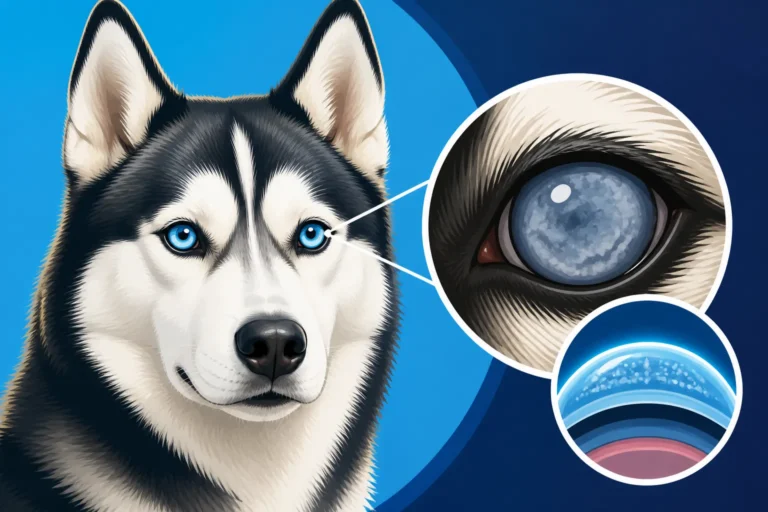
At its simplest, a cataract is an opacity or cloudiness that develops in the lens of the eye. The lens, normally clear, works like a camera lens, focusing light onto the retina at the back of the eye. When a cataract forms, it scatters the light instead of focusing it, leading to blurred vision or, in severe cases, complete blockage of light. This isn't just a surface issue; it’s a change within the lens itself, causing it to lose its transparency. The severity of vision impairment depends entirely on the size, density, and location of the cataract within the lens. Many owners, especially as their Huskies get older, often mistake a normal aging change called nuclear sclerosis for a cataract. Nuclear sclerosis is a natural hardening and bluish-gray haze in the center of the lens, but it typically doesn't impair vision significantly, unlike a true cataract. Knowing the difference, which only a veterinary ophthalmologist can truly confirm, is vital for your peace of mind and your dog's proper care.
Types of Cataracts in Siberian Huskies
Siberian Huskies are, unfortunately, genetically predisposed to certain types of cataracts, making understanding these distinctions even more crucial. The most concerning type often seen in the breed is juvenile cataracts in the Siberian Husky, which are typically inherited and can develop quite early in life, sometimes even before a puppy is a year old. These can be small and non-progressive, or they can quickly mature, affecting a significant portion of the lens. Beyond these inherited forms, Huskies can also develop cataracts due to other causes. These might include trauma to the eye, inflammatory conditions, or metabolic diseases like diabetes, though diabetes-induced cataracts are less common in Huskies compared to other breeds. However, the genetic component for juvenile cataracts in this breed means that responsible breeders will always perform health testing before you buy a Siberian Husky, including regular eye exams, to try and prevent passing on these traits. The specific type and cause will heavily influence the prognosis and potential for vision loss.
Early Signs and How They Progress
Spotting a cloudy lens in a Siberian Husky can be subtle at first. You might notice a slight haziness, often appearing as a bluish-gray or white spot within the pupil. Initially, it might be small and not seem to bother your dog at all. However, as cataracts progress, they become denser and larger. One of the earliest behavioral changes you might observe is your Husky hesitating in dim rooms or appearing less confident navigating in low light conditions. This is because the cataract is blocking light from reaching the retina efficiently.
As the condition advances, you might see them bumping into furniture in unfamiliar environments, or becoming more reliant on their other senses, like scent and hearing, to get around. Some owners report that their Husky seems a little clumsier than usual, or that their play behavior is less enthusiastic, particularly when it involves chasing moving objects. It’s critical not to wait until the cloudiness is undeniable. Regular check-ups are key, and if you have any suspicions, getting your Husky to a specialist promptly can make a big difference in monitoring and intervention.
Do All Siberian Husky Cataracts Lead to Blindness?
This is the million-dollar question for many Husky owners, and it’s where a lot of the anxiety lies. The straightforward answer is no, not all Siberian Husky cataracts cause total blindness. It’s far more nuanced than a simple yes or no.
Partial vs. Complete Cataracts
The extent of vision loss due to a cataract hinges on whether it's partial or complete. A partial cataract covers only a portion of the lens, allowing some light to still pass through. Imagine looking through a window with a small smudged fingerprint on it; you can still see most of what’s outside. Your Husky might have slightly impaired vision, perhaps like looking through a foggy lens, but they can still perceive shapes, light, and movement. These types of cataracts can sometimes remain stable for years, never fully maturing.
A complete cataract, on the other hand, covers the entire lens, rendering that eye blind. This is like looking through a completely frosted window. While the eye might still perceive light versus dark, it offers no functional vision. The good news is that many cataracts, especially when caught early, are partial and can be managed, or sometimes even remain static without progressing to full opacity. The rate at which a cataract progresses is highly individual and can sometimes vary even between a dog's two eyes.
Factors Influencing Vision Loss
Several key factors determine the impact a cataract will have on your Husky's vision. First, the size and location of the cataract are paramount. A small cataract on the periphery of the lens will have far less impact than a larger one located directly in the center of the pupil. Second, the rate of progression is crucial. Some cataracts develop very slowly over many years, allowing your dog ample time to adapt, or never fully impairing vision. Others, particularly juvenile cataracts in the Siberian Husky, can progress rapidly, causing swift vision deterioration.
Third, whether the cataract affects one eye or both makes a significant difference. A dog with good vision in one eye can often compensate remarkably well, leading owners to not even notice a problem until the second eye is also affected. Lastly, the overall health of the eye plays a role. If there are other underlying eye conditions, such as glaucoma as a Siberian Husky emergency or progressive retinal atrophy in Siberian Huskies, the combined effect could be more severe than a cataract alone. That's why a comprehensive eye exam, ideally with an ophthalmologist, is so important, especially when a Siberian Husky needs an eye exam every year.
Distinguishing Cataracts from Nuclear Sclerosis
This is such a common point of confusion and worry for Husky owners, and it's essential to clarify. As Huskies age, often starting around 6-8 years old, their eye lenses naturally undergo a process called nuclear sclerosis. This manifests as a bluish-gray haze in the center of the pupil. It happens because the lens fibers become compacted and hardened over time, making the lens appear cloudy. However, unlike a true cataract, nuclear sclerosis does not significantly block light. It might cause a very slight reduction in the ability to focus up close, but it rarely impairs a dog's functional vision for daily activities.
A true cataract, however, is a denser, whiter, or more opaque cloudiness that truly obstructs light passage. If you shine a light into your Husky's eye and the light reflects clearly from the back of the eye (the tapetum), it's more likely nuclear sclerosis. If the cataract is significant, that reflection will be obscured. Only a veterinary ophthalmologist, using specialized equipment to examine the lens, can definitively differentiate between the two. This distinction is critical because nuclear sclerosis requires no treatment, while cataracts might. Don't jump to conclusions when you see a cloudy eye; seek professional advice. You can even read a Siberian Husky OFA Eye Certificate to see if their parents had any predispositions.
Managing Cataracts in Siberian Huskies
Once a cataract is identified, whether it's minor or more advanced, proactive management becomes the cornerstone of preserving your Husky's quality of life. This includes everything from routine check-ups to potential surgical intervention and adapting your home environment.
Regular Veterinary Ophthalmology Exams
The single most important step in managing cataracts for your Siberian Husky is committing to regular, specialized eye exams. These aren't just your routine vet check-ups; they are comprehensive evaluations performed by a board-certified veterinary ophthalmologist. For a breed like the Siberian Husky, given their predisposition to inherited eye conditions, these exams are crucial, starting when a Siberian Husky puppy is three months old, and continuing annually throughout their lives. The ophthalmologist uses specialized equipment, like an indirect ophthalmoscope and slit lamp biomicroscope, to get a magnified view of the entire eye structure, allowing them to pinpoint the exact location, size, and type of cataract.
During these exams, the specialist will not only assess the cataract but also check for other potential issues like glaucoma or retinal diseases, which can sometimes accompany cataracts or worsen vision loss. They will be able to tell you how long a Siberian Husky eye exam stays valid and discuss the expected progression, helping you plan for any necessary interventions. Early and consistent monitoring means you're not caught off guard by rapid changes and can make informed decisions about your Husky's eye health well in advance.
Treatment Options: When Surgery Is, or Isn't, Necessary
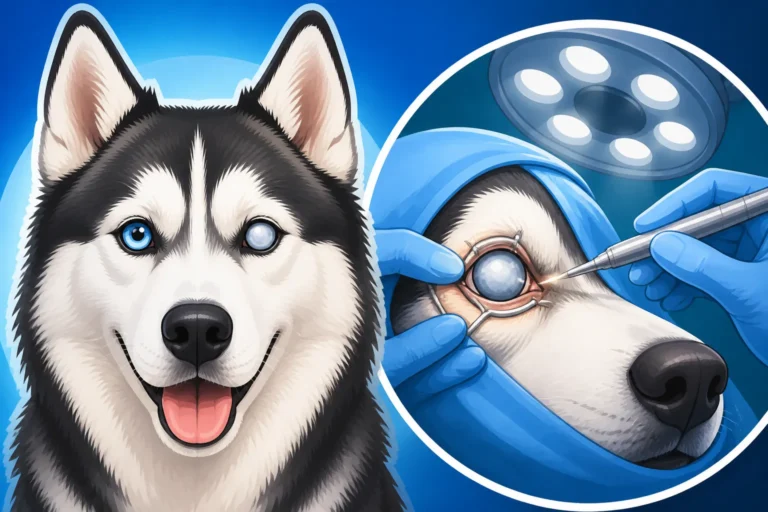
The primary and most effective treatment for cataracts that are significantly impairing a Husky's vision is surgical removal. This procedure, known as phacoemulsification, is similar to human cataract surgery. It involves using ultrasonic waves to break up the cloudy lens, which is then suctioned out. In most cases, an artificial intraocular lens is implanted to restore focus. Success rates for cataract surgery on a Siberian Husky are generally very high, often restoring excellent vision, especially when performed before the cataract becomes overly mature.
However, surgery isn't always the right choice, nor is it always necessary. For small, non-progressive cataracts that don't impact vision significantly, monitoring might be the only recommendation. Furthermore, a Husky's overall health, age, and any other concurrent medical conditions will be carefully considered. If the retina behind the cataract is also damaged, or if the dog has other severe health issues that make anesthesia risky, surgery might not be recommended. It's a significant financial investment, often costing several thousand dollars per eye, so understanding the recovery after Siberian Husky cataract surgery and potential complications is also crucial. This is where pet insurance, like a plan from Healthy Paws, can be an absolute lifesaver, helping to cover the substantial costs associated with such specialized procedures and aftercare medications. They can often help with unexpected veterinary expenses.
Life with a Partially or Fully Blind Husky
Even if your Siberian Husky's cataracts do progress to cause significant vision loss, it's not the end of the world. Huskies are incredibly resilient and adaptable animals, and they can lead full, happy lives with partial or even complete blindness. The key is adaptation and support from you. Start by keeping your home environment consistent: don't rearrange furniture unnecessarily, and block off potential hazards like stairs or sharp corners. You can use scented markers or textured mats to indicate important locations, like food bowls or dog beds.
Maintain a consistent routine for walks, feeding, and play. When outside, always keep your blind Husky on a leash, as their natural prey drive and independent spirit mean a loose blind dog can quickly get into dangerous situations. Use vocal cues more often, and praise them enthusiastically when they respond. A dog that hesitates in dim rooms might simply need more light. Many blind Huskies still love to "run" by following a familiar handler or even another dog. Installing an Emergency Stop Cue for a Siberian Husky can be useful for safety. With patience, understanding, and a little creativity, your vision-impaired Husky can continue to be a joyful, active member of your family. Pet insurance, such as through Healthy Paws, can also assist with the costs of managing long-term care and adapting to a blind pet's needs, from regular vet visits to specialized equipment.
| Cataract Type/Stage | Vision Impact | Typical Progression | Treatment |
|---|---|---|---|
| Nuclear Sclerosis | Minimal/None | Slow (age-related) | None |
| Incipient Cataract | Minimal | Varies | Monitoring |
| Immature Cataract | Partial | Varies | Monitoring, potential surgery |
| Mature Cataract | Significant | Complete | Surgery recommended |
| Hypermature Cataract | Complete | Can cause inflammation | Surgery or enucleation (removal) |
Disclaimer
The information provided in this article is for general informational purposes only and is not a substitute for professional veterinary advice. Always consult with a qualified veterinarian or veterinary ophthalmologist regarding any medical concerns or before making any decisions about your Siberian Husky's health or treatment plan.