The Two Tests Siberian Husky CHIC Requires
It's an incredibly exciting time when you're looking for a new Siberian Husky puppy to bring into your life, but that excitement can quickly turn to confusion, or even heartbreak, if you don't know how to navigate the world of responsible breeding. Many aspiring owners find themselves overwhelmed by health certifications and acronyms like "CHIC," leaving them unsure of what truly indicates a healthy, well-bred dog. This guide is here to clear the fog, walking you through the two absolutely essential health tests required for a Siberian Husky to achieve that vital CHIC certification, ensuring you're empowered to make the best choice for your future furry family member.
Understanding the CHIC Program for Siberian Huskies
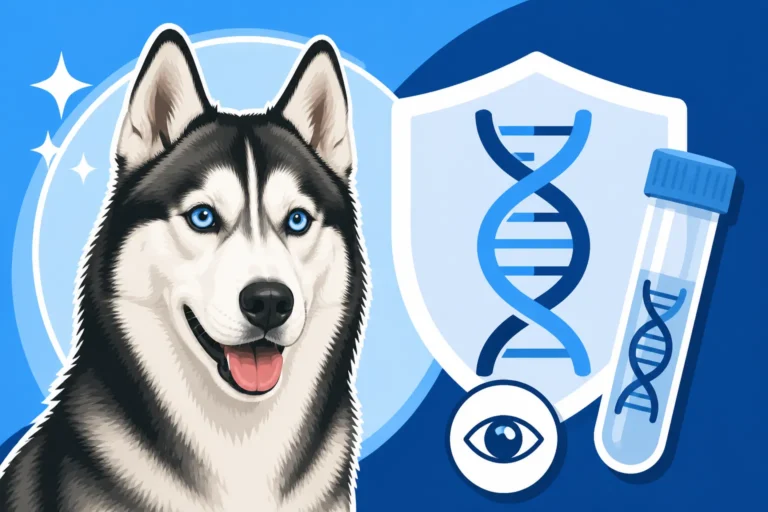
When you start looking for a well-bred Siberian Husky, you'll quickly come across terms like "OFA" and "CHIC." These aren't just fancy acronyms; they represent a commitment to the health and longevity of the breed. CHIC, which stands for Canine Health Information Center, is a centralized database maintained by the Orthopedic Foundation for Animals (OFA) that compiles health information on individual dogs from various breed-specific health screenings. For a Siberian Husky to earn a CHIC number, it means that dog has undergone and passed specific health tests deemed crucial for the breed by the Siberian Husky Club of America (SHCA) and the OFA.
This program is a game-changer for ethical breeders and prospective puppy owners alike. It provides a standardized method for breeders to publicly share their dogs' health testing results, offering transparency and accountability. As a potential owner, knowing a puppy's parents are CHIC-certified gives you a higher degree of confidence that your new companion comes from a lineage where common genetic health issues are actively screened for and, ideally, bred away from. It’s about building a healthier future for these magnificent dogs, one litter at a time. Without such programs, it’s much harder to track genetic predispositions, and you might find yourself facing unexpected vet bills down the line for preventable conditions, something pet insurance providers like Healthy Paws are there to help with, but prevention is always the best route.
What CHIC Certification Truly Means
Achieving a CHIC number for a Siberian Husky isn't just about getting a piece of paper; it signifies a breeder's dedication to the breed's health. It means the dog has met a specific set of requirements tailored to the Siberian Husky. The beauty of the CHIC program is that it standardizes what health tests are considered fundamental for each breed. This prevents individual breeders from picking and choosing only the "easy" tests or omitting critical ones. For the Siberian Husky, the SHCA has identified two core areas that need to be screened: hips and eyes. These are the primary health concerns that have a notable genetic component within the breed, and addressing them through careful testing helps improve the overall breed health.
This level of transparency also allows you, the future owner, to do your due diligence. You can actually look up a potential puppy's parents' CHIC numbers on the OFA website and verify their health clearances yourself. This takes the guesswork out of trusting a breeder's claims and provides tangible proof of their commitment to healthy breeding practices. It’s an invaluable tool in a world where it can be hard to discern truly responsible breeders from those just looking to make a quick sale. Knowing What Siberian Husky CHIC Certification Requires can make all the difference when you're making such an important decision.
The Cornerstone: OFA Hip Evaluation
One of the two non-negotiable health tests for a Siberian Husky to earn CHIC certification is the Orthopedic Foundation for Animals (OFA) Hip Evaluation. This is a crucial screening because, despite their generally robust nature, Siberian Huskies can still be susceptible to hip dysplasia, a condition where the hip joint doesn't form correctly, leading to painful arthritis, lameness, and reduced quality of life. Even though Siberian Husky Hips and Why the Rate Is Low compared to some larger breeds, the risk is still present, and testing helps ensure breeders are actively working to maintain that low rate.
The hip evaluation involves taking X-rays of the dog's hips, which are then submitted to the OFA for review by a panel of three independent, board-certified veterinary radiologists. These experts assess the hip joint for any signs of laxity or abnormal development indicative of dysplasia. Their consensus determines the dog's hip rating. This rigorous process is designed to provide an objective assessment of a dog's hip health, allowing breeders to make informed decisions about which dogs to include in their breeding programs. Without this test, breeders would be flying blind, potentially passing on problematic genes that could lead to pain and suffering for future generations of Huskies.
Why Hip Health is Essential for an Active Breed
Siberian Huskies are known for their incredible athleticism, endurance, and love for activity. They were originally bred to pull sleds over long distances in harsh conditions, a job that demands sound musculoskeletal health. A dog suffering from hip dysplasia, even in a mild form, will struggle to perform these activities, and their overall quality of life will be severely impacted. Imagine a Husky who loves to run, play, and explore suddenly being limited by painful hips. It's a heartbreaking prospect, and one that responsible breeders actively strive to prevent.
The long-term implications of hip dysplasia can be significant, ranging from chronic pain and expensive medications to potentially costly surgeries. Owners often find themselves facing a lifetime of management, which can be a financial and emotional burden. While pet insurance plans like those from Healthy Paws can help alleviate some of the financial strain of managing such conditions, it’s far better to try and prevent them through responsible breeding and health screening. This is why the OFA Hip Evaluation isn't just a suggestion; it's a foundational requirement that reflects a genuine commitment to the breed's well-being and the happiness of future owners. When considering Siberian Husky Weight and Joint Health, proper hip structure plays a major role in their overall comfort and mobility.
Understanding the OFA Hip Evaluation Process
The process for OFA hip evaluation is fairly straightforward, but it requires careful attention to detail. First and foremost, the dog must be at least 24 months old to receive a final OFA certification. While preliminary evaluations can be done on younger dogs, the final certification requires the hips to be fully developed, which typically occurs around two years of age. This ensures the most accurate assessment of the joint's integrity.
Your veterinarian, or ideally a specialist vet familiar with OFA protocols, will sedate your Husky to ensure proper positioning for the X-rays. Precise positioning is absolutely critical for an accurate evaluation. The X-rays are then submitted to the OFA, along with the necessary paperwork and fees. The OFA panel of radiologists will then review the images and assign a grade: Excellent, Good, Fair, Borderline, Mild, Moderate, or Severe. Only dogs with a grade of Excellent, Good, or Fair are considered free of hip dysplasia and can be issued an OFA certification number, which then contributes to their CHIC status. Reputable breeders will always be able to show you their dogs' official OFA certificates, and you can verify them online by Looking Up a Siberian Husky in the OFA Database.
Here's a quick look at the OFA Hip Evaluation process:
| Step | Detail | Purpose |
|---|---|---|
| Age Requirement | Minimum 24 months for final certification | Ensures hip joints are fully developed for accurate assessment. |
| Sedation | Required for proper positioning | Prevents movement and ensures precise radiographic views. |
| X-ray Submission | Digital images sent to OFA | For review by a panel of three board-certified veterinary radiologists. |
| Evaluation | Radiologists assess hip joint conformation | Looking for signs of laxity, subluxation, or degenerative changes. |
| Grading | Excellent, Good, Fair, Borderline, Mild, Moderate, Severe | Categorizes the degree of hip soundness or dysplasia. |
| Certification | OFA number issued for Excellent, Good, or Fair grades | Public record of hip health clearance. |
Peering into the Future: OFA Eye Certification
Beyond the hips, the second crucial health test required for Siberian Husky CHIC certification focuses on their eyes. Eye health is paramount for any dog, but Siberian Huskies are predisposed to several hereditary eye conditions that can significantly impact their vision, quality of life, and even lead to blindness. This is why annual eye examinations by a board-certified veterinary ophthalmologist are a mandatory part of earning and maintaining a CHIC certification. This isn't a "one and done" test; it's an ongoing commitment, as some conditions can develop or progress over time. Understanding Siberian Husky Eye Disease and the Annual Exam is vital for any owner or prospective owner.
The OFA Eye Certification (often referred to as Companion Animal Eye Registry, or CAER, exams) screens for a range of conditions specific to the breed. These can include juvenile cataracts, progressive retinal atrophy (PRA), corneal dystrophy, and glaucoma, among others. A certified ophthalmologist has specialized equipment and training to detect subtle changes in the eye that a general veterinarian might miss. Their expertise ensures that any potential issues are identified early, allowing breeders to make informed decisions about their breeding stock and for owners to be prepared for any necessary treatments.
The Critical Role of Annual Eye Exams
Unlike hip evaluations, which are typically a one-time final certification after two years of age, eye examinations for CHIC require an annual check-up. This annual frequency is incredibly important because some genetic eye conditions, particularly cataracts and certain forms of PRA, can have a delayed onset. A dog might have perfectly clear eyes at one year old, but show signs of a hereditary cataract at three, or the early stages of PRA at five. The annual exam ensures that these conditions are caught as soon as they manifest.
Think of it like our own annual physicals; things can change year to year. For a Siberian Husky, whose vision is so integral to their active lifestyle, monitoring their eye health regularly is a true act of care. Breeders need to demonstrate that their breeding stock consistently passes these annual exams throughout their breeding lives. This ongoing commitment greatly reduces the likelihood of passing on genes for conditions that could lead to vision loss, ensuring that puppies have the best possible start to a life with clear sight. Without regular checks, a breeder might inadvertently pass on a condition that emerges later, causing distress for new owners and costly veterinary bills, something that a good pet insurance policy from a company like Healthy Paws can assist with, but again, prevention is key. You'll want to know How Long a Siberian Husky Eye Exam Stays Valid when checking breeder paperwork.
What an ACVO Ophthalmologist Checks For
The eye examination itself is thorough but non-invasive. A board-certified veterinary ophthalmologist, a member of the American College of Veterinary Ophthalmologists (ACVO), will perform a comprehensive ophthalmic exam. This typically involves several steps:
- General Observation: The ophthalmologist will first observe the dog's eyes and overall demeanor.
- Slit Lamp Biomicroscopy: This allows for a magnified view of the anterior structures of the eye, like the cornea, iris, and lens, to detect abnormalities such as Corneal Dystrophy in the Siberian Husky or Juvenile Cataracts in the Siberian Husky.
- Indirect Ophthalmoscopy: After dilating the pupils (which takes about 20 minutes), the ophthalmologist uses a special lens and light to examine the retina and optic nerve at the back of the eye. This is crucial for detecting conditions like Progressive Retinal Atrophy in Siberian Huskies.
- Tonometry: In some cases, especially if glaucoma is suspected, a quick and painless measurement of the intraocular pressure (IOP) is taken.
The ophthalmologist will document their findings on an official OFA/CAER form. If the eyes are clear of inherited disease, the dog will be issued an OFA eye certification number valid for one year. If an inherited condition is found, it will be noted, and the dog would not receive a clear certification, which means they would not meet the CHIC requirements. This detailed examination helps to ensure that breeders are aware of potential issues before they breed, supporting the long-term health of the Siberian Husky breed. Knowing What an Ophthalmologist Checks in a Siberian Husky provides a lot of peace of mind.
Breeder Responsibility and Verifying CHIC Information
Navigating the world of Siberian Husky breeders can be daunting. Everyone claims to have the healthiest puppies, but a responsible breeder doesn't just make claims; they provide proof. The CHIC program, with its mandatory OFA Hip and OFA Eye certifications, is the gold standard for this proof. When you're looking for a puppy, always ask to see the CHIC numbers for both parents. Don't just take their word for it; verify the information yourself.
A breeder who participates in the CHIC program is demonstrating a profound understanding of their breed's specific health needs and a commitment to transparency. This goes beyond basic puppy vaccinations and a generic health guarantee. They are actively working to reduce the incidence of hereditary diseases that could cause pain and expense for you and your Husky in the future. Remember, buying a puppy is a long-term commitment, often for 10-14 years, so starting with a healthy foundation is paramount. A reputable breeder will be proud to discuss their health testing protocols and show you all the documentation. They know that this transparency is what sets them apart and ultimately benefits the Siberian Husky breed as a whole.
Interpreting CHIC Numbers and Public Databases
Once a Siberian Husky has met all the breed-specific health testing requirements and submitted the results to the OFA, it will be assigned a unique CHIC number. This number is your key to verifying the health status of a potential puppy's parents. The OFA maintains a public database where you can search for any dog by its registered name or number. This allows you to independently confirm that the parent dogs have indeed undergone the required hip and eye evaluations and that the results are clear.
When you perform a search, you'll see the individual OFA certifications for each test, including the hip rating (Excellent, Good, Fair) and the date of the most recent eye exam with a "normal" status. This verification step is absolutely critical. Sadly, some unscrupulous breeders might claim their dogs are "health tested" without actually participating in official programs or having clear results. By checking the OFA database, you're ensuring that your breeder's claims are legitimate. It's an empowering tool that puts valuable health information directly into your hands, helping you make an informed decision when it comes to bringing home a Health Testing Before You Buy a Siberian Husky. This diligence can also give you leverage if you ever need to make a claim with your pet insurance, like Healthy Paws, as demonstrating responsible sourcing of your pet can be beneficial.
Safeguarding the Breed's Future Through Testing
The collective effort of breeders participating in the CHIC program is essential for the long-term health and vitality of the Siberian Husky breed. By systematically screening for hip dysplasia and hereditary eye conditions, and making those results public, breeders contribute to a larger pool of data. This data helps researchers better understand the prevalence of these conditions, track genetic lines, and ultimately develop strategies to reduce or eliminate them from the breed. Each clear health certification is a small victory for the breed's future.
Without such programs, genetic conditions could become more widespread, leading to a decline in the overall health of the breed and more heartbreak for owners. It's a testament to the dedication of breed clubs and responsible breeders that these certifications exist and are widely adopted. For an individual looking to own a Siberian Husky, seeking out a puppy from CHIC-certified parents is one of the most proactive steps you can take to ensure you bring home a healthy companion with the best possible chance at a long, fulfilling life. Knowing about The Health Milestones of a Siberian Husky Year by Year starts with understanding their genetic foundation.
Disclaimer
This guide is intended for informational purposes only and should not be taken as veterinary advice. Always consult with a qualified veterinarian or veterinary specialist for any health concerns or before making decisions about your pet's care.