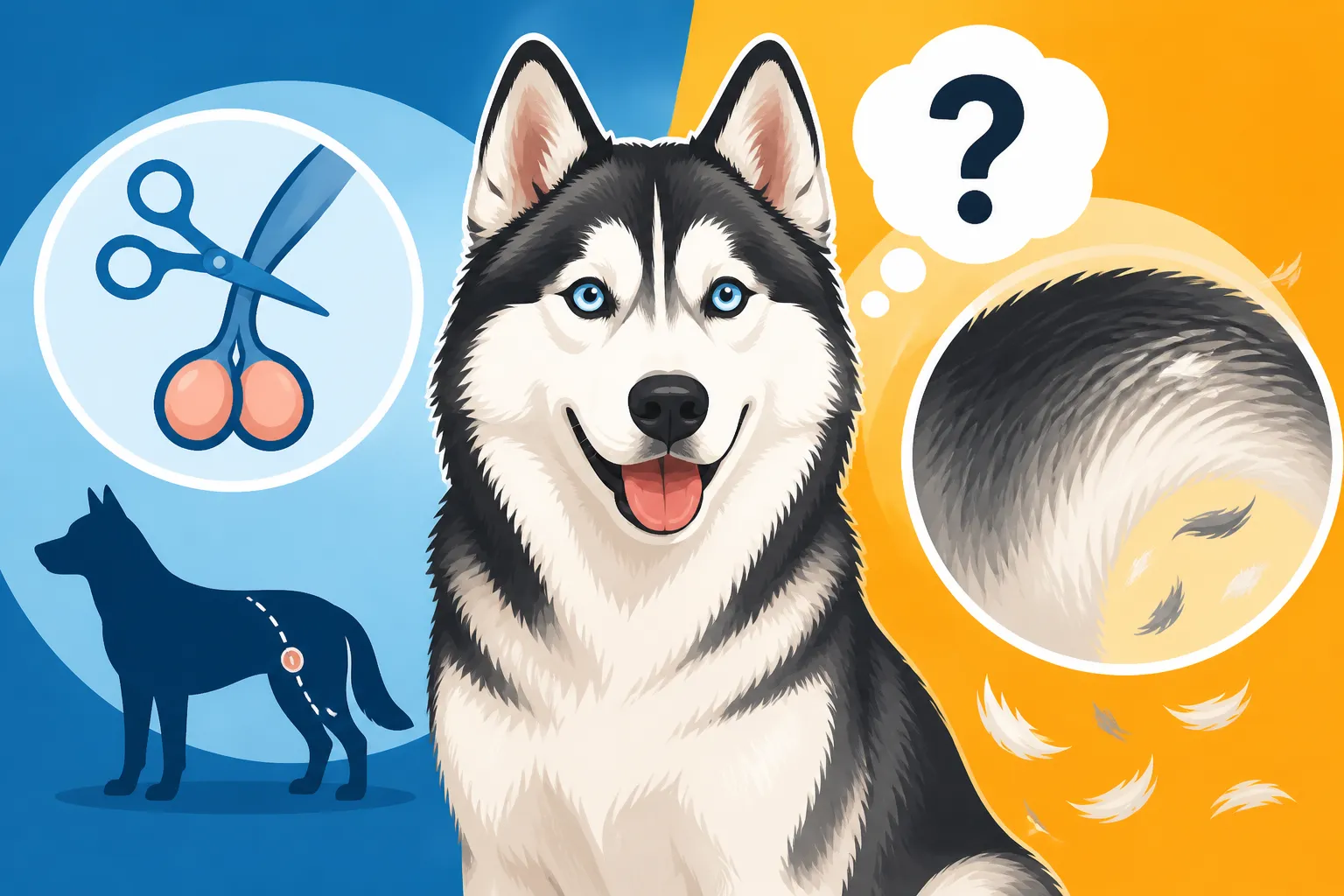
Neutering a Siberian Husky and the Coat Question
One of the biggest concerns I hear from Siberian Husky owners considering neutering or spaying their beloved companion isn't just about the surgery itself, but about the profound changes it might bring to that magnificent, fluffy coat. It's a valid worry – Huskies are renowned for their stunning double coats, and the thought of altering that beautiful fur can be truly daunting. This guide will walk you through everything you need to know about neutering a Siberian Husky and the "coat question" that often comes with it, providing a realistic picture of what to expect and how to care for your dog post-surgery.
Understanding the Siberian Husky Coat Before Neutering
Before we even dive into what happens after neutering, it's crucial to appreciate the incredible complexity and purpose of your Siberian Husky's coat. It's not just fur; it's a marvel of natural engineering, perfectly adapted for extreme conditions.
The Marvel of the Double Coat
A Siberian Husky's coat is what we call a "double coat," meaning it consists of two distinct layers. The outer layer, known as the guard hairs, is made up of longer, somewhat coarser hairs. These are water-resistant and provide protection from snow, ice, and even harsh sunlight. They're what give the Husky its sleek, defined appearance. Beneath this outer layer lies the undercoat – a dense, soft, woolly layer that acts as insulation. In winter, this undercoat becomes incredibly thick, trapping warm air close to the body, allowing your Husky to thrive in temperatures that would send most other breeds shivering. In summer, it thins out, but still provides a vital barrier against heat and UV rays, acting like a natural air conditioner.
This unique structure is why your Husky can often be found napping comfortably in the snow, seemingly oblivious to the cold. It's also why they don't have that typical "doggy odor" that many breeds do; their coats are designed to repel dirt and moisture, making them surprisingly low-maintenance in terms of bathing frequency, though high-maintenance in terms of shedding. Understanding this natural design helps put into perspective why any change to it can feel so significant to an owner.
Natural Shedding Cycles (Coat Blow)
Every Siberian Husky owner quickly becomes intimately familiar with the phenomenon known as "coat blow." This isn't just regular shedding; it's a monumental event that typically happens twice a year, usually in spring and fall, as your Husky sheds its entire undercoat to prepare for the upcoming season. During a coat blow, it can honestly feel like your dog is disintegrating into a cloud of fluff. You'll find tumbleweeds of fur in every corner of your home, and brushing them will yield enough material to knit a small blanket.
These shedding cycles are completely natural and are governed by hormones and environmental factors like daylight hours and temperature. For about six weeks during a major coat blow, daily, intensive grooming becomes a necessity, not a luxury. If you've never experienced it, it can be quite shocking, but it's a testament to the effectiveness of their natural temperature regulation system. The healthy growth and shedding of this double coat are intrinsically linked to your dog's endocrine system and hormonal balance.
The Neutering Process in Siberian Huskies
Neutering (for males) or spaying (for females) is a common veterinary procedure, and while it's routine, understanding the specifics for a Siberian Husky, especially concerning timing, is important.
What Neutering Entails for Males and Spaying for Females
For male Siberian Huskies, neutering, or castration, involves the surgical removal of the testicles. This procedure prevents reproduction and eliminates the primary source of testosterone. It's usually a straightforward surgery with a relatively quick recovery period, though monitoring for swelling and restricting activity are crucial. For female Siberian Huskies, spaying, or ovariohysterectomy, is a more involved procedure where both the ovaries and uterus are removed. This prevents pregnancy and eliminates the female reproductive hormones, primarily estrogen and progesterone. Recovery for females tends to be a bit longer, requiring careful incision care and strict activity restriction to prevent complications.
Both procedures are performed under general anesthesia, and your veterinarian will provide detailed pre-operative instructions, including fasting, and post-operative care, such as pain management and wound checks. Many owners opt for pet insurance, like a policy from Healthy Paws, to help cover unexpected veterinary costs, including complications from surgery or other health issues that might arise. This peace of mind can be invaluable, especially for a breed known for its energy and sometimes mischievous nature.
Ideal Timing for Sterilization
The question of when to neuter or spay a Siberian Husky is one that has seen a lot of discussion and evolving recommendations in the veterinary community. Traditionally, many vets recommended these procedures around six months of age. However, more recent research suggests that waiting until a dog is fully mature, particularly for larger breeds, can offer several health benefits. For Siberian Huskies, this might mean waiting until they are 18-24 months old, or even slightly later, especially for males.
The rationale behind waiting is to allow the dog's growth plates to close naturally and for sex hormones to play their full role in musculoskeletal development. These hormones contribute to bone density and strength, and early removal might be linked to a slightly increased risk of certain orthopedic issues like hip dysplasia, though it's worth noting that the Siberian Husky Hips and Why the Rate Is Low article goes into detail about the breed's generally good hip health. For females, spaying before their first heat cycle is often recommended to significantly reduce the risk of mammary tumors, but there's a trade-off in allowing for full hormonal development. It's a complex decision, and a thorough discussion with your vet, considering your individual Husky's health, lifestyle, and your goals, is essential. We've also got a detailed guide on The Best Age to Neuter a Male Siberian Husky and Spaying a Siberian Husky Before the First Season that can help you weigh these critical timing decisions.
The "Coat Change" Phenomenon After Neutering
This is often the core concern for many Siberian Husky owners – the dreaded "spay coat" or "neuter coat." It's a very real phenomenon, though its severity can vary greatly between individual dogs.
The Hormonal Link to Coat Alterations
The primary reason for coat changes after neutering or spaying is the dramatic shift in hormone levels. Sex hormones, such as testosterone in males and estrogen and progesterone in females, play a significant role in regulating hair growth cycles, skin health, and the overall quality of the coat. When these hormones are removed, the body's natural balance is altered. This doesn't necessarily mean something is wrong; it's simply a physiological response to the change. The hair follicles, which were previously stimulated and regulated by these hormones, now behave differently.
One theory suggests that the absence of these hormones can lead to an overproduction of undercoat, as the body struggles to regulate its hair growth. The guard hairs might become less prominent, or even lose some of their natural luster. This change isn't always immediate; it can take several months post-surgery for the full effects to become apparent. Owners often report noticing the difference during the next major coat blow, which might seem more intense or prolonged than previous ones.
Describing the Post-Neutering Coat
So, what does this "changed coat" actually look like? The most common description is a coat that becomes softer, fluffier, and noticeably thicker, particularly the undercoat. Imagine the dense, woolly texture of the undercoat taking over, almost obscuring the longer, sleeker guard hairs. This can make the dog appear somewhat "wooly" or even "poofy." The texture might become less harsh and more cotton-like, losing some of the protective qualities of the original guard hairs.
While this might sound appealing initially (who doesn't love a soft, fluffy dog?), it comes with significant downsides for a breed like the Siberian Husky. This altered coat is prone to matting and felting, especially in high-friction areas like behind the ears, armpits, and around the tail. It also tends to hold onto water and dirt more readily, making grooming more challenging. Furthermore, the insulating properties of the coat can be compromised; while it might feel thicker, the balance between insulation and heat dissipation is disrupted, potentially making your Husky more susceptible to overheating in warm weather. This is why you must absolutely never shave a Siberian Husky, as this can exacerbate these issues.
Here's a quick comparison of typical coat characteristics:
| Feature | Pre-Neutering Siberian Husky Coat | Post-Neutering Siberian Husky Coat (Potential) |
|---|---|---|
| Guard Hairs | Longer, coarser, water-repellent, provide sleek outer layer | May become less prominent, softer, less defined, lose some luster |
| Undercoat | Dense, soft, insulative; sheds heavily twice a year (coat blow) | Often becomes significantly thicker, denser, more profuse, 'wooly' |
| Texture | Outer coat is slightly coarse; undercoat is soft and woolly | Generally softer, fluffier, more cotton-like throughout |
| Shedding | Distinct, heavy twice-yearly coat blows | May shed more consistently, or coat blows might be longer/more intense |
| Matting Risk | Moderate, especially during coat blow | Higher risk, particularly in high-friction areas, due to dense undercoat |
| Water/Dirt Repellency | High, naturally sheds water and dirt | May be reduced, coat can absorb more moisture and trap dirt |
| Insulation/Regulation | Excellent balance for temperature extremes | Balance can be compromised; potential for overheating or matting |
Managing the Altered Coat: Grooming Strategies
If your Siberian Husky experiences a coat change after neutering, don't despair! While it requires more effort, it's certainly manageable with the right approach and tools.
Specialized Grooming for the Post-Neutering Coat
The key to managing a post-neutering coat is consistency and the right technique. Because the undercoat often becomes denser and more prone to matting, daily brushing is no longer just a recommendation but often a necessity, especially during shedding seasons. You'll need to focus on line brushing, which involves parting the hair and brushing in sections, working your way through the entire coat from the skin outwards. This ensures you're getting down to the root of the undercoat and preventing mats from forming deep within.
Many owners find that professional de-shedding services become indispensable. A good groomer who understands double-coated breeds can use high-velocity dryers and specialized tools to effectively remove loose undercoat without damaging the guard hairs. This can significantly reduce shedding in your home and prevent severe matting. Remember that while the coat may feel overwhelming, shaving your Siberian Husky is never the answer. It can permanently damage the coat, making it unable to properly regulate temperature and leaving your dog vulnerable to sunburn and heatstroke. For more on this, check out our article, Why You Must Never Shave a Siberian Husky.
Products and Tools for Maintenance
Investing in the right grooming tools is paramount. Here’s what you’ll likely need:
- Undercoat Rake: This is your best friend. It has widely spaced teeth designed to penetrate the thick undercoat and pull out loose hair without cutting or damaging the guard hairs. Use it gently but thoroughly.
- Slicker Brush: Great for general brushing and smoothing the outer coat.
- Pin Brush: Useful for longer areas of the coat and for untangling minor knots.
- High-Velocity Dryer: If you can invest in one, these powerful dryers literally "blow out" loose undercoat, dramatically reducing shedding and drying the coat quickly after baths. Many professional groomers use these, and they're worth it if you're tackling severe coat blows at home.
- De-shedding Shampoo and Conditioner: These products are formulated to help loosen and release dead undercoat during bathing, making the subsequent brushing much easier.
- Detangling Spray: Keep a good quality detangling spray on hand for stubborn mats, making them easier to work out without causing discomfort to your Husky.
Remember, patience is key. Grooming sessions might become longer, but they are vital for your Husky's comfort and coat health. Regular check-ups with your vet can also help identify any underlying skin or coat issues, which a provider like Healthy Paws might help cover if they're not pre-existing.
Weighing the Health and Behavioral Benefits Against Coat Changes
While the coat change is a significant consideration, it's crucial to balance it against the well-documented health and behavioral benefits that neutering or spaying can offer.
Health Advantages of Neutering
From a health perspective, the benefits of sterilization are substantial. For females, spaying virtually eliminates the risk of pyometra, a life-threatening uterine infection, and significantly reduces the risk of mammary cancer, especially if performed before their first heat cycle. It also prevents unwanted pregnancies, which can be costly and stressful, and eliminates the mess and behavioral changes associated with heat cycles. For males, neutering eliminates the risk of testicular cancer and reduces the risk of prostate problems, such as benign prostatic hyperplasia, as they age.
Additionally, neutering can help manage certain behavioral issues, such as roaming instincts driven by the desire to find a mate. A Siberian Husky's instinct to roam is incredibly strong, and a neutered dog might be less inclined to escape your yard in search of a female in heat. While it won't magically solve all escape artist tendencies (after all, we have entire articles dedicated to Stopping a Siberian Husky From Escaping the Yard and Why an Escaped Siberian Husky Is a Health Risk), it can certainly reduce one of the major motivators. Considering a pet insurance plan such as one from Healthy Paws can be beneficial as it can help manage costs associated with accidental injuries that can arise from roaming or other unforeseen health challenges throughout your Husky's lifespan. We also have a general article on Siberian Husky Lifespan and What Shortens It, where health choices like neutering play a role.
Addressing Behavioral Considerations
Beyond roaming, neutering can have a positive impact on other behaviors. Aggression, particularly male-on-male aggression, can sometimes be reduced in neutered dogs. While a Husky's independent temperament means they require consistent training regardless, removing the influence of sex hormones can sometimes make them more receptive to training and less distracted by instinctual urges. Marking behavior (urination to claim territory) can also decrease after neutering.
However, it's important to have realistic expectations. Neutering is not a magic fix for all behavioral problems. For instance, a Husky's strong prey drive or tendency to talk or howl is rooted in their breed characteristics and may not be significantly altered by sterilization. Training and socialization remain paramount. If you're considering neutering primarily for behavior modification, discuss your specific concerns with your veterinarian and a professional dog trainer. They can help you understand which behaviors are likely to be influenced by hormones and which require dedicated training strategies. For comprehensive information on addressing behaviors like pulling on the leash, you might find our article on Siberian Husky Leash Work Against a Pulling Instinct helpful.
Making the Decision: A Holistic Approach
Ultimately, the decision to neuter or spay your Siberian Husky is deeply personal and should be based on a comprehensive understanding of all factors.
Consulting Your Veterinarian
Your veterinarian is your most valuable resource in making this decision. They can provide personalized advice based on your Husky's age, health status, and lifestyle. They can discuss the specific health risks and benefits, as well as the potential for coat changes. Don't be afraid to ask detailed questions about timing, surgical procedures, recovery, and what to expect regarding coat alterations. Your vet can also offer guidance on post-surgical care and recommend grooming strategies if coat changes do occur.
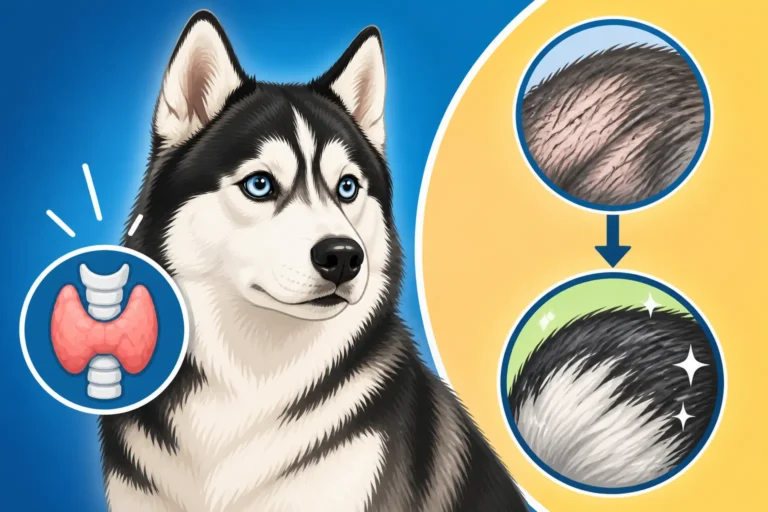
It's also an excellent opportunity to discuss your Husky's overall health plan. This might include regular check-ups, appropriate vaccinations, and preventative care. For instance, sometimes a dull coat can also be a sign of Siberian Husky Thyroid and Autoimmune Disease, which is an entirely different issue from a post-neutering coat. A comprehensive discussion ensures you're addressing all aspects of your dog's well-being.
Long-Term Commitment to Care
Regardless of whether you choose to neuter or spay, owning a Siberian Husky requires a significant long-term commitment to their care. If coat changes occur, this commitment extends to more diligent grooming, potentially including regular visits to a professional groomer. Budgeting for these additional grooming costs, as detailed in articles like Professional De-Shedding for a Siberian Husky or Siberian Husky Grooming Costs Twice a Year, becomes part of responsible ownership.
This commitment also means being prepared for potential shifts in metabolism and weight gain that can sometimes follow neutering. Monitoring your Husky's weight and adjusting their diet and exercise can prevent issues like Siberian Husky Weight and Joint Health problems, ensuring they remain healthy and active throughout their life. Investing in pet insurance from a reputable provider like Healthy Paws can also offer invaluable financial protection against unforeseen health issues that may arise over your Husky's lifespan, giving you one less thing to worry about as you navigate their care. Ultimately, the choice to neuter is a complex one, but with careful consideration and proper planning, you can ensure your Siberian Husky remains happy, healthy, and beautiful for years to come.
Disclaimer
The information provided in this article is for general informational purposes only and is not a substitute for professional veterinary advice. Always consult with a qualified veterinarian regarding your Siberian Husky's health and treatment options.