Siberian Husky Grooming Costs Twice a Year
The reality of living with a Siberian Husky is often a beautiful, adventurous, and incredibly furry one. Many prospective owners get caught up in their stunning looks and energetic personalities, only to be completely floored by the sheer volume of fur these magnificent dogs produce, especially during their "coat blows." This guide aims to pull back the curtain on the true costs and dedication involved in maintaining a Siberian Husky's coat, ensuring you're fully prepared for what lies ahead, both financially and in terms of effort.
Understanding the Siberian Husky's Double Coat
Before diving into the grooming specifics, it’s absolutely essential to understand the unique structure of a Siberian Husky's coat. It’s not just "fur"; it’s a highly specialized, two-layered system that has kept them thriving in extreme Arctic conditions for centuries. This understanding is the foundation for proper grooming, and honestly, for preventing a lot of frustration.
The Anatomy of a Husky Coat: Guard Hairs vs. Undercoat
Imagine wearing a perfectly insulated winter jacket with a waterproof shell. That's essentially what your Husky has on, year-round. The outer layer consists of long, coarse guard hairs. These hairs are straight, somewhat stiff, and designed to protect the dog's skin from the elements – snow, ice, rain, and even UV radiation. They repel water and dirt, forming a protective barrier that keeps your Husky dry and clean. These guard hairs are remarkably efficient at their job, which is why Huskies often don't smell "doggy" and can withstand harsh weather.
Beneath this protective outer layer lies the undercoat. This is the soft, dense, woolly part of the coat that provides incredible insulation. It’s what keeps them warm in freezing temperatures and, paradoxically, helps keep them cool in warmer weather by trapping a layer of air against their skin, acting as an insulating barrier against heat. The density of this undercoat varies with the seasons, becoming thick and profuse in winter and shedding down considerably in warmer months. This undercoat is also the primary culprit behind the infamous "Husky tumbleweeds" you'll find floating around your home.
Why Shaving a Siberian Husky is Detrimental
Despite the overwhelming amount of fur, many new Husky owners, especially those living in warmer climates, contemplate shaving their dogs. Please, I implore you, resist this urge with every fiber of your being. Shaving a Siberian Husky, or any double-coated breed, is one of the worst things you can do for their coat and overall health. It's a common misconception that shaving will cool them down, but it actually does the opposite.
When you shave a Husky, you strip away both layers of their natural insulation. You remove the guard hairs that protect them from the sun's harsh UV rays, immediately increasing their risk of sunburn and even skin cancer. More importantly, you disrupt the intricate thermoregulation system provided by their undercoat. Without that insulating layer, their skin is directly exposed to external temperatures, making them less able to cope with heat. It’s like removing the insulation from your house – it won’t be cooler in summer, it’ll just absorb more heat directly.
Furthermore, shaving can permanently damage the delicate balance of the coat. Often, when a double coat is shaved, the undercoat grows back faster and thicker than the guard hairs. This can result in a wooly, uneven texture that is prone to matting and less effective at insulating and protecting the skin. The guard hairs may never grow back properly, leading to a dull, brittle, and less functional coat. If you're struggling with the shedding, there are far more effective and healthy ways to manage it, which we'll cover in detail. Please read our comprehensive guide on Why You Must Never Shave a Siberian Husky for more reasons.
The Natural Grooming Cycle and "Coat Blow"
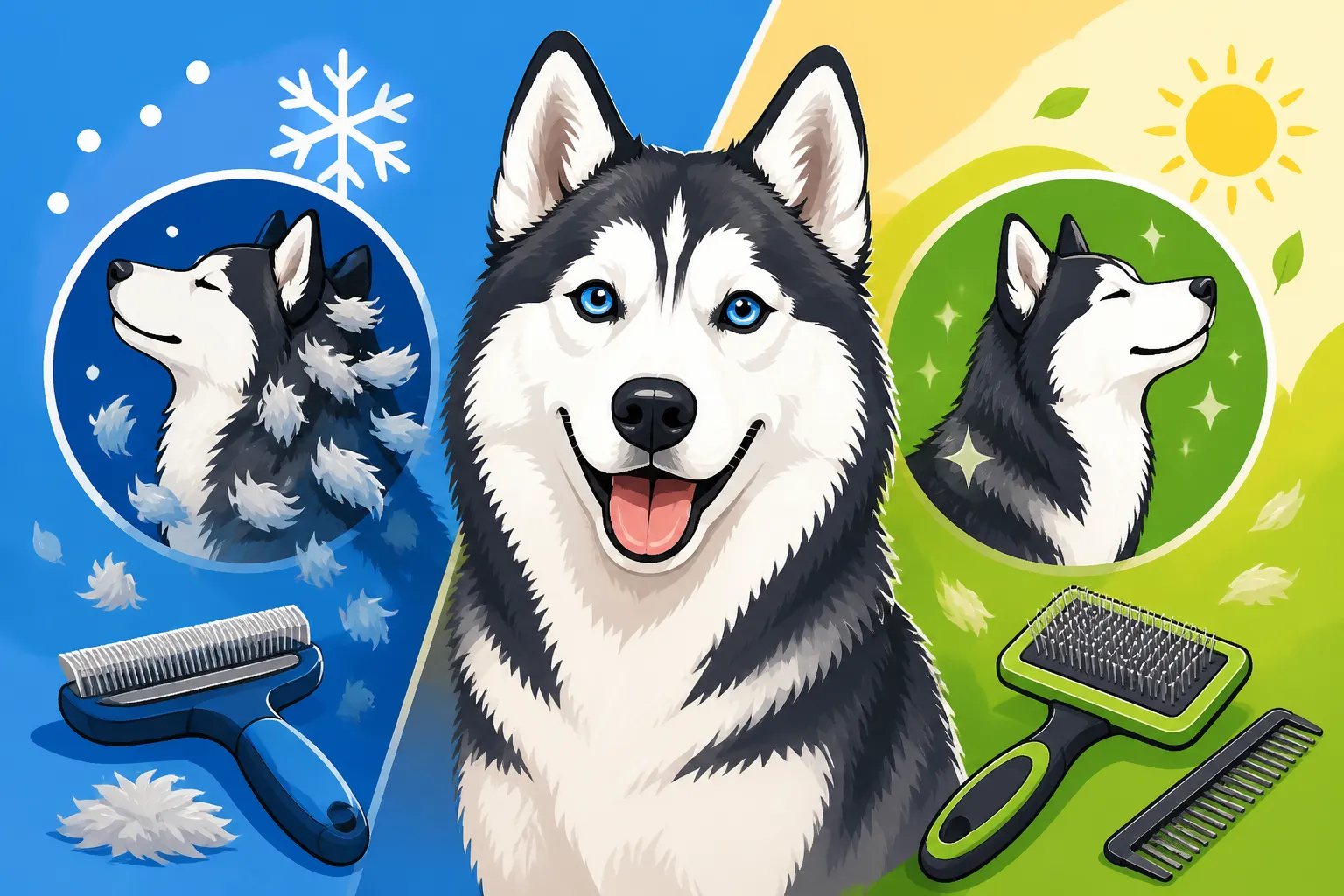
Siberian Huskies are naturally clean dogs with relatively low maintenance needs for their guard hairs. They don't typically need frequent baths or trims, unlike some other breeds. However, their undercoat is a different story altogether. Huskies undergo what's famously known as a "coat blow" (or "blowing their coat") typically twice a year. This is a seasonal phenomenon where they shed their entire undercoat to prepare for the change in weather.
These "blows" usually occur in the spring, to shed the heavy winter coat in favor of a lighter summer one, and again in the fall, to shed the lighter summer coat and grow in a denser winter layer. The exact timing can vary based on climate, hormones (like after spaying or neutering, which can sometimes alter the coat cycle), and individual genetics. During these periods, you will witness an astounding amount of loose fur. It will be everywhere – on your clothes, furniture, floating through the air like snow, and congregating in corners like furry tumbleweeds. Preparing for these periods is key to maintaining sanity and a relatively clean home. For more insight into these seasonal changes, check out The Months a Siberian Husky Blows Its Coat.
The Infamous "Coat Blow" and Its Impact on Grooming
If you've ever owned a Husky, you know the coat blow isn't a myth; it's a full-on seasonal event that dominates your household for weeks. It’s not just shedding; it’s an explosion of fur that makes you wonder if your dog is spontaneously combusting into cotton balls. Understanding this process is crucial for effective grooming and managing expectations.
What Happens During a Coat Blow
During a coat blow, your Siberian Husky isn't just dropping a few hairs here and there. They are actively shedding their entire insulating undercoat. This happens as their body adjusts to changes in temperature and daylight hours. In spring, the heavy, dense winter undercoat needs to go to make way for a thinner, lighter layer that will help them stay cool as temperatures rise. In fall, the process reverses, with the lighter summer undercoat being shed to allow a new, thicker winter coat to grow in.
The sheer volume of fur that comes out during this period can be shocking to new owners. You'll find yourself brushing and brushing, only for more fur to appear as if from nowhere. The undercoat often comes out in clumps or mats if not managed, creating a dull, patchy appearance. It can feel like an endless battle against fluffy white (or black, or red, or gray) snow, even if you live in a perpetually sunny climate like Southern California. This process is entirely natural and healthy for your Husky, but it requires significant effort on your part to help them through it comfortably and to keep your home from being completely buried in fur.
How Long a Coat Blow Lasts and What to Expect
A typical Siberian Husky coat blow can last anywhere from three to six weeks, though for some individuals, it might feel like an eternal struggle. During this intense period, daily, thorough grooming is not just recommended, it’s practically mandatory if you want to keep the fur under control and prevent matting. Mats, especially in the dense undercoat around the hindquarters, behind the ears, or under the belly, can be incredibly uncomfortable for your dog and lead to skin irritation or hot spots.
Expect to dedicate a good chunk of time each day to brushing. This isn't a quick once-over; you'll need to work in sections, getting down to the skin to pull out all the loose undercoat. You'll also need to mentally prepare for the fur that will inevitably escape your brush and settle on every surface imaginable. Investing in a good vacuum cleaner, lint rollers, and even designated "Husky towels" for furniture will become part of your daily routine. For a deeper dive into this hairy ordeal, refer to Siberian Husky Coat Blow and the Six Weeks It Lasts.
Managing Undercoat During the Blow at Home
While professional grooming offers a powerful boost during a coat blow, a significant amount of the work must happen at home. Regular and effective at-home grooming will save you money on professional services and keep your Husky much more comfortable. The key here is consistency and using the right tools.
During a coat blow, your best friend will be an undercoat rake. These tools are specifically designed with long, rotating teeth that reach deep into the undercoat without damaging the guard hairs. You'll want to brush in the direction of hair growth, using gentle but firm strokes, working section by section. Be prepared for what looks like another small Husky to accumulate on your floor after each session! Beyond the rake, a slicker brush can help smooth the coat and catch any remaining loose hairs. A high-velocity dryer can also work wonders, literally blowing the loose undercoat out of the dog's coat, but we'll get into that more in the tools section.
It's also a good idea to create a routine. Maybe you brush for 15-20 minutes every evening while watching TV, or dedicate an hour on the weekend to a more thorough session. The goal is to remove as much dead undercoat as possible before it can fall out on its own or, worse, become matted. You'll find a wide array of excellent undercoat rakes and other grooming supplies on reputable pet supply sites like Chewy. Getting a solid routine down will not only make your life easier but will also strengthen your bond with your Husky. For daily tips, check out our article on Daily Raking Through a Siberian Husky Blow.
Professional Grooming Services for Siberian Huskies
While consistent at-home grooming is invaluable, there are times when a professional groomer can be an absolute lifesaver, particularly during the peak of a coat blow. They have the tools, expertise, and facilities to handle the sheer volume of fur in a way most home groomers simply can't.
De-Shedding Services and Their Benefits
The cornerstone of professional Husky grooming is the de-shedding service. This isn't just a bath; it's a comprehensive process designed to strip out as much loose undercoat as possible. A typical de-shedding service for a Husky often includes several key steps:
First, your Husky will receive a specialized bath using de-shedding shampoos and conditioners. These products are formulated to help loosen the dead undercoat and facilitate its removal. They are often followed by a thorough rinse to ensure no residue is left behind, which could irritate the skin.
Next, and most critically, comes the high-velocity drying. Professional groomers use powerful forced-air dryers that literally blast the loose undercoat out of the dog's coat. This is incredibly effective and often removes pounds of fur that brushing alone can't. It also ensures the double coat is completely dry, preventing skin issues. After the blow-dry, the groomer will use specialized de-shedding tools, undercoat rakes, and slicker brushes to manually remove any remaining loose hair. This systematic approach ensures the deepest possible removal of dead undercoat, significantly reducing shedding in your home for weeks to come. The benefits extend beyond just less fur in your house; it also promotes healthier skin, reduces the risk of matting, and can help your Husky regulate their temperature more efficiently.
Full Grooming vs. Maintenance Washes
When it comes to professional grooming, it's important to understand the different services offered. For most Siberian Huskies, a "full groom" might not be what you expect, as they don't typically require extensive hair cutting or styling. A traditional full groom usually includes a bath, blow-dry, brushing, nail trim, ear cleaning, and often a haircut or trim tailored to the breed.
For Huskies, the focus should always be on the de-shedding process. Many groomers offer "maintenance washes" or "bath and brush" services that can be good for general cleanliness, but if your Husky is blowing coat, these won't be sufficient. A maintenance wash might skip the specialized de-shedding products and the intensive high-velocity drying and brushing required to truly manage a Husky's undercoat. Therefore, when booking, explicitly ask for a "de-shedding service" designed for double-coated breeds. Some groomers may also offer minor trims around the feet or sanitary areas, but remember, shaving their main coat is a no-go.
Finding a Groomer Experienced with Double Coats
This is perhaps one of the most critical pieces of advice for Husky owners. Not all groomers are created equal, and sadly, many are not properly educated on how to care for double-coated breeds. A groomer who routinely shaves Golden Retrievers or "de-sheds" Poodles might not understand the intricacies of a Husky's coat. A bad grooming experience, particularly one that involves shaving, can cause irreparable damage to your Husky's coat.
When looking for a groomer, don't be afraid to ask direct questions:
- "Do you have experience grooming Siberian Huskies or other double-coated breeds?"
- "What is your approach to de-shedding a Husky?"
- "Do you ever shave double-coated dogs?" (The correct answer for a Husky should always be "no," unless for a medical reason dictated by a vet).
- "Can I see examples of your work on similar breeds?"
Look for groomers who use high-velocity dryers and specialized de-shedding tools. Read online reviews, specifically looking for feedback from owners of Huskies, German Shepherds, or other double-coated dogs. A good groomer will understand the nuances of the Husky coat and will be able to explain their process clearly, ensuring your Husky gets the best care possible.
Breaking Down the Costs of Professional Husky Grooming
Now for the part that most owners are keenly interested in: the actual cost. It's easy to get sticker shock when you see the price tag for a professional Husky groom, but once you understand the labor and specialized equipment involved, it starts to make more sense.
Average Prices for De-Shedding and Full Grooms
The cost of professional grooming for a Siberian Husky can vary significantly based on several factors, including your geographic location, the specific groomer's experience, the size of your dog, and the condition of their coat. Generally, you can expect to pay more for a comprehensive de-shedding service than for a basic bath.
Here’s a general breakdown of average costs you might encounter:
| Service Type | Average Cost Range (USD) | What's Typically Included |
|---|---|---|
| Basic Bath & Dry | $50 – $80 | Shampoo, towel/cage dry, minimal brush out (not recommended for active coat blow) |
| De-Shedding Service | $80 – $150 | Specialized de-shedding shampoo & conditioner, high-velocity blow-dry, extensive undercoat raking & brushing, nail trim, ear cleaning |
| Full Groom (Husky Specific) | $100 – $200 | De-shedding service, plus minor trims (e.g., paws, sanitary areas), pad trimming |
| Add-ons (e.g., De-matting) | $15 – $30+ (per 15 min) | Extra time and effort required to safely remove extensive matting |
| Nail Trim Only | $10 – $20 | Quick service to trim nails, often offered as a walk-in |
Remember, these are averages. In high-cost-of-living areas like major cities (e.g., New York City, Los Angeles), these prices could be 20-30% higher. Conversely, in more rural areas, you might find slightly lower prices. Always get a clear quote upfront, especially if your Husky is particularly large or if their coat is in rough shape.
Factors Influencing Grooming Costs: Size, Location, Matting
Beyond the basic service type, several variables play a direct role in how much you'll pay:
- Size of Your Husky: A larger Husky means more surface area, more fur, and more time for the groomer. Expect to pay more for a male Husky weighing 60 pounds than for a smaller female at 35 pounds. The extra time and product required translate directly into a higher bill.
- Geographic Location: As mentioned, urban centers and areas with a higher cost of living generally have higher grooming prices. Supply and demand also play a role; if there are only a few experienced Husky groomers in your area, they might charge a premium.
- Coat Condition and Matting: This is a big one. If your Husky comes in with significant matting, especially during a coat blow when the loose undercoat can easily clump, the groomer will need to spend extra time carefully and safely detangling or removing these mats. This often incurs an additional de-matting fee, usually charged in increments of 15 minutes. Severe matting is painful for your dog and labor-intensive for the groomer, so keeping up with at-home brushing can significantly reduce these extra costs.
- Temperament: While not always a direct charge, a difficult or aggressive Husky may require two groomers or specialized handling, which could lead to increased fees or even refusal of service if the dog poses a safety risk. Early socialization and positive experiences with grooming can help immensely here.
How Often You Really Need Professional Grooming
The phrase "Siberian Husky Grooming Costs Twice a Year" in our title points to a common guideline, and it's generally a very sensible one. For most pet Huskies, scheduling a professional de-shedding service twice a year – once in the spring to help shed the winter coat and once in the fall to prepare for the winter coat growth – is ideal. These appointments effectively manage the two major "coat blows" and dramatically reduce the amount of fur you'll deal with at home for weeks afterward.
However, the frequency can be adjusted based on individual needs. If you're particularly diligent with at-home grooming, you might be able to stretch it to just one professional visit a year, or even less. Conversely, if your Husky lives in a fluctuating climate, or if you simply prefer a cleaner home with less effort on your part, quarterly de-shedding appointments (every three months) might be a better fit. Factors like your Husky's age, health, and activity level can also influence shedding patterns. For example, some Huskies seem to have a more continuous, less dramatic shed, while others have very distinct, heavy blows. Ultimately, it’s about finding a rhythm that works for both you and your furry companion. We discuss this more in Two De-Shedding Appointments a Siberian Husky Year.
Essential At-Home Grooming Tools and Their Costs
While professional grooming is fantastic for those big "coat blows," the day-to-day and week-to-week maintenance falls squarely on your shoulders. Investing in the right tools isn't just about keeping your Husky looking good; it's about keeping them comfortable, preventing skin issues, and minimizing the fur tsunami in your home. And yes, good tools make the job a whole lot easier!
Must-Have Brushes and Rakes
You can't just use any old brush on a Husky and expect results. Their unique double coat demands specific tools. Here are the essentials:
- Undercoat Rake: This is your MVP, especially during a coat blow. Undercoat rakes have widely spaced, long teeth designed to reach deep into the undercoat and pull out loose, dead fur without snagging or cutting the guard hairs. They are available in various tooth lengths and configurations, often with rotating teeth to prevent pulling. Expect to pay between $15 and $40 for a good quality undercoat rake. Investing in a durable one is worth it.
- Slicker Brush: A slicker brush has fine, short wires packed closely together on a flat or curved surface. It’s excellent for removing loose hair from the top coat, smoothing the fur, and detangling minor mats on the surface. While not as effective as an undercoat rake for deep shedding, it's a great finishing tool and useful for daily maintenance between coat blows. These typically cost $10-$25.
- Pin Brush: Similar in appearance to a human hairbrush, a pin brush has widely spaced wire pins with protective tips. It's useful for longer guard hairs, general detangling, and for use on a damp coat. It's not a primary de-shedding tool but is good for overall coat health and comfort brushing. Prices range from $8-$20.
- De-shedding Tools (e.g., FURminator-style): These tools feature a fine-toothed blade designed to remove significant amounts of undercoat. While effective, they should be used with extreme caution on a Husky. Overuse or improper technique can cut the guard hairs and damage the coat, similar to shaving. If you choose to use one, use it sparingly and gently, focusing only on areas with heavy undercoat, and consider consultation on Whether a Furminator Cuts Siberian Husky Guard Hairs. A genuine FURminator can cost $30-$50, with generic versions being less.
High-Velocity Dryers: An Investment or a Necessity?
This is where many home groomers balk at the initial cost, but hear me out: a high-velocity dryer (also known as a force dryer) is an absolute game-changer for Siberian Husky owners, transforming coat blow management from a chore into a manageable task. These aren't like human hairdryers; they blow room-temperature air at incredible force, designed to separate the hair strands and literally blast out loose undercoat.
Why is it a necessity?
- Unrivaled De-shedding: During a coat blow, a high-velocity dryer will remove more loose fur in a fraction of the time than any brush ever could. You'll be amazed (and possibly horrified) by the sheer volume of fur that flies off your dog.
- Thorough Drying: Huskies have such dense undercoats that air-drying after a bath can take hours, even days, and can lead to skin issues like hot spots or fungal infections if the coat remains damp at the skin. A force dryer gets them bone dry in a fraction of the time, crucial for their health.
- Reduced Grooming Time: While the initial investment is higher, it significantly cuts down on the time you spend brushing and cleaning up fur, making at-home grooming much more efficient and less frustrating.
A good quality, single-motor high-velocity dryer suitable for home use typically ranges from $100 to $250. Professional-grade, dual-motor units can run $300-$600+. While it's a significant upfront cost, it's an investment that will pay for itself many times over in saved grooming fees and sanity. You can find a variety of reliable high-velocity dryers on platforms like Chewy, with brands like Flying Pig Grooming, B-Air, and Metro Air Force being popular choices among Husky owners. This is truly a tool that can transform your A High-Velocity Dryer for a Siberian Husky Coat experience.
Shampoos, Conditioners, and Nail Care
Beyond brushes and dryers, a few other items are essential for comprehensive at-home grooming:
- Shampoos and Conditioners: Opt for high-quality dog-specific shampoos. For routine bathing, a gentle, moisturizing shampoo is great. During a coat blow, a specialized de-shedding shampoo can help loosen the undercoat. Always follow up with a good conditioner to moisturize skin and coat. Avoid human shampoos, as their pH levels are different and can irritate dog skin. Expect to pay $10-$30 per bottle, and a Husky might need a larger bottle or more frequent purchases.
- Nail Clippers or Grinders: Keeping your Husky’s nails trimmed is crucial for their comfort and paw health. Long nails can cause pain, affect gait, and even lead to orthopedic issues over time. Nail grinders (like Dremel tools designed for pets) are often preferred by Husky owners because they slowly file the nail down, reducing the risk of cutting the quick (the sensitive part of the nail) and causing pain or bleeding. Clippers are faster but require more skill. Either way, regular trimming is important. A good set of clippers costs $10-$25, while a quality grinder can be $30-$60.
- Ear Cleaner: Huskies generally have upright ears, which means good air circulation and less risk of ear infections compared to floppy-eared breeds. However, occasional cleaning with a vet-approved ear cleaning solution can help remove wax and debris. A bottle typically costs $10-$20.
- Paw Balm: Especially if your Husky is active on various terrains or lives in an area with harsh winters (salt, ice), a paw balm can help moisturize and protect their paw pads from cracking and dryness. Brands like Musher's Secret are popular. Costs around $10-$20 a tin.
Budgeting for Siberian Husky Grooming Long-Term
Bringing a Siberian Husky into your life means committing to their well-being, and grooming is a significant part of that. Understanding the long-term financial commitment helps prevent surprises and ensures your furry friend always looks and feels their best.
Annual Cost Estimates for Grooming
Let's break down what a typical year of Siberian Husky grooming might look like financially, considering both professional services and at-home maintenance. These are estimates and can fluctuate based on your choices.
| Category | Low-End Estimate (USD) | High-End Estimate (USD) | Notes |
|---|---|---|---|
| Professional Grooms | $160 (2x @ $80) | $400 (2x @ $200) | Assumes two de-shedding appointments per year. |
| Initial Tools | $100 | $350 | Undercoat rake, slicker, pin brush, nail clippers/grinder, high-velocity dryer. (One-time significant cost, then replacements) |
| Shampoos/Cond. | $40 | $80 | 2-4 bottles per year, depending on bathing frequency and product size. |
| Ear Cleaner/Paw Balm | $20 | $40 | Annual supply of these essential maintenance items. |
| Vacuum Filters/Bags | $30 | $100 | Frequent vacuuming takes its toll on your machine. |
| Total Annual Cost | $350 | $970 | Excluding the initial high-velocity dryer purchase in subsequent years. |
This table gives you a realistic range. The low end assumes a smaller Husky, a lower-cost grooming market, and diligent at-home care. The high end accounts for larger dogs, premium services, and potentially more frequent professional visits or higher-end product choices. Remember, the initial investment in a high-velocity dryer is significant, but it's a multi-year purchase, making subsequent years often cheaper if you're doing most work at home.
Saving Money with DIY Grooming vs. Professional Services
The biggest lever you have for controlling grooming costs is deciding how much of the work you're willing and able to do yourself.
- DIY All the Way: If you invest in a high-quality set of tools, including a high-velocity dryer, and commit to a consistent schedule of brushing, bathing, and nail trims, you can drastically reduce or even eliminate professional grooming appointments. This is the most cost-effective approach in the long run. The main "cost" here is your time and effort. It also means you’re directly monitoring your dog's skin and coat health regularly. However, it requires a certain level of dedication and patience, especially during those intense coat blows.
- Hybrid Approach: Many owners find a hybrid approach to be the sweet spot. They handle daily brushing and maintenance at home, including occasional baths, but still schedule one or two professional de-shedding appointments per year. This allows the pros to tackle the most challenging aspects of the coat blow efficiently, while you maintain the coat in between. This balances cost savings with convenience and professional expertise.
- Professional Only: If you're short on time, lack the space for messy de-shedding sessions, or simply prefer to leave it to the experts, relying solely on professional groomers is an option. While it's the most expensive route, it ensures your Husky's coat is always in top condition and frees up your time. Just be sure to find a reputable groomer experienced with Huskies to avoid potential issues.
Consider your lifestyle, budget, and comfort level with getting hands-on with a very fluffy dog. There's no single "right" answer, only what works best for you and your Husky.
Unexpected Grooming-Related Expenses
Grooming a Husky isn't just about brushes and baths; there are often indirect costs that can sneak up on you:
- Vacuum Cleaner Maintenance/Replacement: The sheer volume of Husky fur can wreak havoc on standard vacuum cleaners. You'll find yourself needing to empty canisters more frequently, clean filters often, and potentially replace your vacuum sooner than anticipated. Investing in a robust pet-specific vacuum (like a Shark Navigator or Dyson Animal) is often a wise decision for a Husky household, which are significant upfront costs. Even with a good vacuum, you'll be spending more on filters and replacement parts. Read more about Vacuum Costs in a Siberian Husky House.
- Lint Rollers & Cleaning Supplies: You'll go through lint rollers like they're going out of style. Furniture, clothing, car seats – no surface is safe. Factor in extra cleaning supplies for dusting and wiping down surfaces constantly covered in a fine layer of Husky fluff.
- Pet Insurance and Skin Issues: While not directly grooming costs, improper grooming (like shaving) or neglecting regular brushing can lead to skin irritations, mats, hot spots, or even infections. These can result in unexpected vet bills. Pet insurance, like that offered by Healthy Paws, can be a lifesaver for these unforeseen medical expenses. While grooming often isn't covered, the health issues that can arise from neglecting grooming certainly would be.
- Dietary Supplements for Coat Health: While not strictly grooming, a high-quality diet is fundamental for a healthy coat. Sometimes, specific supplements like Omega-3 fatty acids are recommended by vets for optimal skin and coat health, which can add to your monthly pet budget. Premium foods, like those offered by Ollie, can contribute to a healthier coat, potentially reducing issues that require more intensive grooming.
Beyond the Blow: Routine Maintenance and Health Checks
Grooming a Siberian Husky extends far beyond managing the dreaded coat blow. It’s an ongoing commitment to their overall health and well-being, integrating various routine maintenance tasks that contribute to their comfort and can even help detect potential health issues early on.
Regular Nail Trims and Dental Care
These two aspects of routine care are often overlooked but are incredibly important for your Husky's long-term health.
- Nail Trims: A Husky's nails grow continuously and, if left untrimmed, can become painfully long, curl under, and interfere with their gait. This can lead to paw discomfort, arthritis, and even splayed toes. Aim to trim your Husky's nails every 2-4 weeks, or whenever you hear them clicking on hard floors. If you're uncomfortable doing it yourself, most vet offices and professional groomers offer nail trims for a small fee ($10-$20). Regular trimming from a young age helps Huskies get used to the process, making it less stressful for everyone involved. For specific techniques, consider research on Cutting Thick Siberian Husky Nails.
- Dental Care: Just like humans, dogs can suffer from dental disease, which can lead to bad breath, pain, tooth loss, and even systemic health problems affecting the heart and kidneys. Ideally, you should brush your Husky's teeth several times a week using a dog-specific toothpaste and toothbrush. Dental chews and water additives can help, but nothing beats manual brushing. Regular vet check-ups will include a dental exam, and your vet might recommend professional dental cleanings under anesthesia, which can be costly (several hundred to over a thousand dollars) but are vital for preventing serious health issues. Learn more about preventing Siberian Husky Dental Disease by Age Five.
Ear Cleaning and Paw Pad Health
These smaller, yet crucial, aspects of grooming contribute significantly to your Husky's comfort and health.
- Ear Cleaning: Siberian Huskies have erect ears, which generally allows for good airflow and reduces the likelihood of ear infections compared to breeds with floppy ears. However, it's still a good idea to check their ears weekly for any signs of redness, discharge, odor, or excessive wax buildup. If you notice any of these, it's time for a vet visit. For routine cleaning, use a vet-approved ear cleaning solution and a cotton ball to gently wipe the visible parts of the ear. Never insert anything into the ear canal, as this can cause damage. The cost for ear cleaning solution is minimal, and one bottle lasts a long time.
- Paw Pad Health: Your Husky's paw pads are tough, but they're not indestructible. Running on rough terrain, hot pavement, ice, or salty sidewalks can cause them to crack, become dry, or even get injured. After walks or runs, especially in harsh conditions, check your Husky's paw pads for cuts, abrasions, or dryness. Apply a paw balm (like Musher's Secret or Bag Balm) to keep them moisturized and protected. In winter, booties can offer excellent protection against snow, ice, and de-icing chemicals. This small preventative measure can save you from painful paw injuries and potential vet visits. Pay attention to Siberian Husky Paw Care Through Snow and Salt.
The Link Between Grooming and Overall Health
Regular grooming is more than just aesthetics; it's a vital component of preventative health care. When you're routinely brushing, bathing, and handling your Husky, you become intimately familiar with their body, which allows you to spot changes early.
- Skin and Coat Condition: Changes in coat texture (e.g., becoming brittle, greasy, or excessively dry) or skin condition (e.g., flakiness, redness, bumps, scabs) can be early indicators of underlying health problems like allergies, parasitic infestations, bacterial or fungal infections, or even hormonal imbalances such as Siberian Husky Thyroid and Autoimmune Disease.
- Lumps and Bumps: Consistent grooming provides an excellent opportunity to perform a full-body check for any new lumps, bumps, or masses. Early detection of suspicious growths, whether benign fatty tumors or more serious conditions, can significantly improve treatment outcomes.
- Parasite Detection: Regular brushing helps you spot fleas, ticks, or other external parasites hiding in their dense coat. Removing them promptly prevents infestations and the diseases they can carry.
- Weight Monitoring: While not directly grooming, the physical interaction allows you to feel your Husky's ribs and spine, helping you monitor their body condition. It's easy for Huskies to become overweight if overfed, and regular physical checks during grooming can alert you to weight gain before it becomes a significant health issue.
In essence, grooming isn't just a chore; it's a dedicated health check masquerading as a pampering session. It’s an investment of time and resources that pays dividends in your Husky’s comfort, well-being, and potentially, in catching serious health issues before they become emergencies.
Disclaimer
This article is intended for informational purposes only and does not constitute veterinary advice. Always consult with a qualified veterinarian or professional groomer for any specific health or grooming concerns regarding your Siberian Husky.