Daily Raking Through a Siberian Husky Blow
Anyone who lives with a Siberian Husky knows the sheer, unadulterated chaos that descends upon a home twice a year during a "coat blow." Suddenly, your floors, furniture, and even your coffee seem to sprout a fine layer of fluffy undercoat, leaving you wondering if your dog is spontaneously combusting into a cloud of white fluff. This guide is here to walk you through the essential practice of daily raking, turning a daunting task into a manageable routine to keep both your husky comfortable and your home a little less hairy during this intense shedding period.
Understanding the Siberian Husky Coat Blow
The Siberian Husky's magnificent double coat is a marvel of natural engineering, perfectly adapted for life in harsh, cold climates. It's composed of two distinct layers: a soft, dense undercoat that provides insulation, and a longer, coarser guard coat that protects against wind, snow, and rain. This incredible coat is why huskies rarely feel the cold, but it also means that when the seasons change, they shed in spectacular fashion. This isn't just a little bit of hair; it's a full-on "coat blow," where they rapidly shed large quantities of their undercoat to adapt to warmer or colder temperatures.
Seasonal Shedding: Why It Happens
The coat blow is a natural physiological process triggered primarily by changes in daylight hours and temperature. As spring approaches and days lengthen, a husky will shed its thick winter undercoat to prepare for the warmer months. Conversely, in the fall, they'll shed any remaining lighter undercoat to make way for a new, denser winter coat. It’s an efficient system for regulating their body temperature, but it certainly isn't efficient for keeping your home hair-free! Many owners mistakenly think their husky is "losing all its hair" when in reality, it's just making room for what's next. This intense shedding is absolutely normal and necessary for their health and comfort.
Think of it like this: your husky is constantly recalibrating its personal thermostat, and that recalibration involves a lot of fluff. Trying to fight it is like trying to stop the tide. Instead, understanding and working with this natural cycle is key to managing it. You'll notice your husky's coat becoming less dense, and patches of new growth might even start to show through. This isn't a sign of illness, but rather a healthy dog doing what huskies do best: adapting. For more on this cyclical event, you might find Spring and Fall Sheds in a Siberian Husky particularly insightful.
The Timeline of the Furricane
A typical Siberian Husky coat blow usually lasts anywhere from three to six weeks, though individual dogs can vary. Some huskies might have a quick, intense two-week blow, while others might stretch it out for a longer, more gradual process. Factors like climate, diet, and even whether the dog is spayed or neutered can influence the duration and intensity. Generally, you'll experience two major blows a year – one in spring and one in fall – but some dogs in more stable climates might have a less pronounced or even continuous, lighter shed.
During this time, the amount of hair coming off your dog can be astonishing. It's not uncommon to fill entire grocery bags with undercoat during a particularly heavy blow. This isn't something you can ignore; if left unmanaged, the shedding undercoat can quickly mat, especially behind the ears, in the armpits, and around the hindquarters. Matted fur can pull on the skin, causing pain, irritation, and even skin infections. Therefore, proactive grooming, especially daily raking, becomes absolutely crucial during these weeks. To better grasp the scope of this shedding event, check out Siberian Husky Coat Blow and the Six Weeks It Lasts.
Arming Yourself: Essential Tools for the Task
Successfully navigating a husky coat blow requires the right arsenal of grooming tools. You can't just use any old brush and expect to make a dent in the fluffy avalanche. Investing in quality tools specifically designed for double-coated breeds will save you immense frustration and make the process more comfortable for your husky. Forget those flimsy plastic brushes; we're talking serious undercoat extraction here.
The Mighty Undercoat Rake
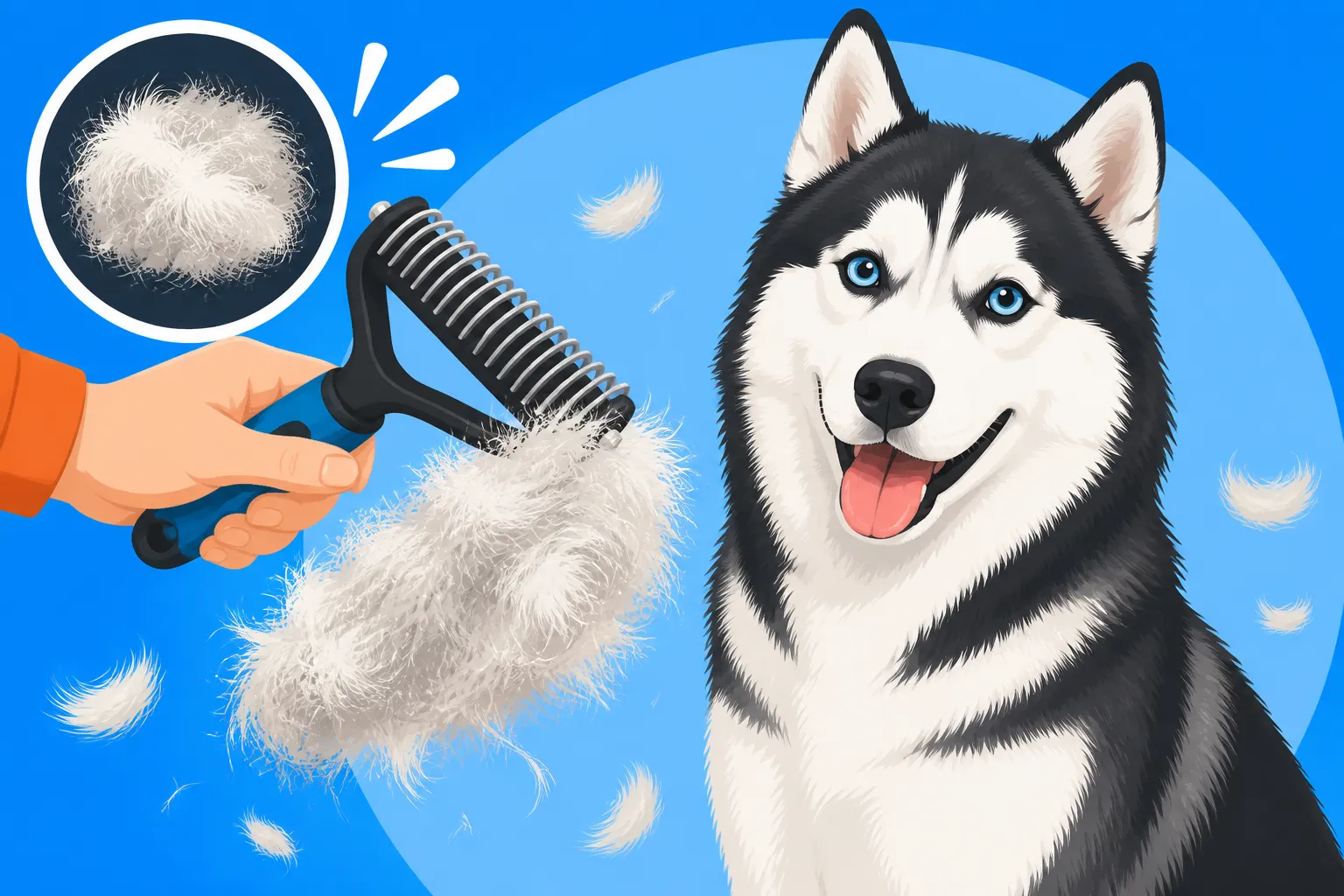
The undercoat rake is your primary weapon against the coat blow. These tools typically have long, rounded metal teeth designed to penetrate the dense guard coat and reach deep into the undercoat, gently pulling out loose, dead hair without damaging the healthy guard hairs. There are various styles, some with a single row of teeth, others with double rows, and some with rotating teeth. Finding one that fits comfortably in your hand and that your husky tolerates is key. A good quality undercoat rake is worth its weight in gold during these periods.
When you're shopping, look for rakes with teeth that are long enough to reach through your husky's thick topcoat. Some popular options can be found easily online, whether you prefer to browse offerings on a site like Amazon or look for specific brands through pet supply retailers like Chewy. Having a few different types might be beneficial to see which works best on different areas of your husky's body and which feels most effective to you. Remember, the goal is to rake the undercoat out, not to pull or tug at the topcoat. The right rake will glide through, leaving a trail of fluffy undercoat in its wake. Want to know more about tool specifics? You'll find valuable information in Undercoat Rakes and Slickers for a Siberian Husky.
Beyond the Rake: Other Grooming Allies
While the undercoat rake is the star, other tools play crucial supporting roles:
- Slicker Brush: Great for smoothing the topcoat after raking, removing any remaining loose hairs on the surface, and helping to detangle smaller knots. It's not as effective for deep undercoat removal but provides a polished finish.
- De-shedding Tool (e.g., Furminator-style): Use with caution and sparingly! While effective, these tools can sometimes cut or damage the guard hairs if used improperly or too often. They are best reserved for light, finishing passes rather than deep raking. Always follow the manufacturer's instructions, and never apply too much pressure.
- High-Velocity Dryer: This is a game-changer if you have access to one, especially for those who bathe their husky at home. After a bath, a powerful pet dryer can literally "blow out" an incredible amount of loose undercoat, speeding up the entire process and reducing the amount of manual raking needed. This is particularly useful for dislodging undercoat trapped close to the skin. To learn more about this powerful technique, consider reading Force Drying a Siberian Husky After a Bath.
- Grooming Table with Arm (optional but recommended): A stable surface at your height makes grooming much easier on your back and allows you to better control your husky. The arm helps keep them in place, preventing them from wandering off mid-rake.
Here's a quick comparison of essential grooming tools during a coat blow:
| Tool Type | Primary Function | Key Benefit During Coat Blow | Usage Frequency |
|---|---|---|---|
| Undercoat Rake | Penetrates guard coat to remove loose undercoat | Most effective for deep undercoat removal, prevents matting | Daily |
| Slicker Brush | Smooths topcoat, removes surface loose hair | Finishes coat, detangles minor knots | Daily (after raking) |
| De-shedding Tool | Extracts undercoat (use with caution) | Can be effective, but risks guard hair damage if overused | Sparingly, as needed |
| High-Velocity Dryer | Blows out loose hair, dries coat | Dramatically reduces manual effort, prevents hot spots | Weekly (after bath) |
| Nail Clippers/Grinder | Trims nails | Essential for comfort, prevents paw issues | Bi-weekly/Monthly |
| Detangling Spray | Loosens knots, reduces static | Helps rake glide smoother, reduces discomfort | As needed |
The Art of Daily Raking: Technique and Routine
Raking isn't just about pulling hair; it's a careful, methodical process that requires patience and a gentle touch. Done correctly, it's comfortable for your husky and incredibly effective at managing the shedding. Done incorrectly, it can be painful, damaging to their coat, and lead to a dog who despises grooming sessions. The key is consistency and technique.
Establishing Your Raking Routine
During a coat blow, "daily" truly means daily. Even 15-20 minutes a day can make a massive difference compared to trying to tackle a week's worth of accumulated undercoat in one go. Choose a time when your husky is relaxed and you're not rushed. This might be in the evening while you're watching TV, or first thing in the morning. Consistency helps them get used to the routine. Setting up in a place where clean-up is easy – an outdoor patio, a tiled floor, or even just laying down a tarp – will make your life much simpler.
Start with short sessions, especially if your husky isn't accustomed to extensive grooming. Aim for positive experiences every time. If they're tolerating it well, you can gradually increase the duration. The goal isn't to get all the hair out in one go, but to continuously remove the loose hair before it has a chance to mat or spread throughout your home. Remember, during these peak shedding weeks, you'll be amazed at How Much Undercoat Comes Off a Siberian Husky each day. It’s a marathon, not a sprint.
Section by Section: Mastering the Stroke
Approach your husky's coat systematically, working in small sections. This prevents you from missing spots and makes the task less overwhelming.
- Start at the head/neck: Begin with gentle strokes, moving with the direction of hair growth. Many huskies are more sensitive around their faces and ears, so ease into these areas.
- Move down the back: This is often the densest area. Use long, even strokes, applying gentle, consistent pressure. You should feel the rake catching the loose undercoat. As you rake, the teeth should part the guard hairs, exposing the undercoat, and then pull the loose fluff out. Avoid digging into the skin.
- Sides and chest: Continue working your way down the body, paying close attention to the armpits and behind the elbows, where mats often form due to friction.
- Tail and hindquarters: The tail can hold a surprising amount of undercoat, and the thick fur on the hindquarters needs thorough attention. Be extra careful around the sensitive areas and tail base.
- Legs and paws: While the legs typically have less undercoat, a quick rake can help, especially on the "feathering" behind the front legs.
After each stroke, remove the collected hair from the rake. You'll likely be forming small piles of fluff very quickly! It's a satisfying, if somewhat endless, process. Understanding How Deep an Undercoat Rake Should Go on a Husky is crucial for effective and comfortable grooming.
Making Raking a Positive Experience: Building Trust and Comfort
Grooming, especially intensive daily raking, can be a test of patience for both you and your Siberian Husky. These dogs are intelligent and can be opinionated, so forcing the issue will only make things harder in the long run. Building a positive association with grooming is paramount to ensure your husky cooperates and doesn't view the rake as an instrument of torture.
Positive Reinforcement and Treats
The golden rule of husky training applies here: make it worth their while. Stock up on high-value treats – something truly irresistible that they only get during grooming sessions. Cheese, cooked chicken, or even a dollop of a specialized canine treat paste from a company like Ollie can work wonders. Start by just showing them the rake, giving a treat, and putting it away. Gradually introduce gentle strokes, always pairing them with praise and treats.
Keep sessions short initially, ending on a positive note before your husky gets fed up. Even if you only get a few minutes of good cooperation, that's a win. You want them to think, "Oh, grooming time! This means yummy snacks and gentle pets, not a wrestling match." If they start to get squirmy, take a break. Push too hard, and you risk creating a dog who actively runs away when they see the brush, making future grooming impossible. Patience is your best tool here, alongside your undercoat rake.
Reading Your Husky's Body Language
Huskies are expressive, and learning to read their signals during grooming is crucial.
- Happy/Relaxed: Loose body, soft eyes, gentle panting, perhaps a relaxed lean against you.
- Tolerating/Slightly Unsure: Stiff body, ears slightly back, perhaps a yawn or lip lick (often a sign of stress or appeasement). They might tolerate it, but aren't thrilled. This is your cue to slow down, lighten pressure, and increase treats.
- Uncomfortable/Anxious: Ears flattened, whale eye (showing the whites of their eyes), tucked tail, trying to pull away, growling, or snapping. If you see these signs, stop immediately. You've pushed too far. Reassess your approach, give them a break, and try again later with even more patience and positivity.
Never punish your husky for reacting negatively to grooming. Their reactions are communication. If they're uncomfortable, they're telling you something needs to change in your approach. Build trust by listening to them and making the experience as pleasant as possible.
Beyond the Rake: Supporting Your Husky Through the Blow
While daily raking is the cornerstone of managing a coat blow, it’s not the only thing you can do. A holistic approach that includes strategic bathing, proper nutrition, and even proactive cleanup can make the entire shedding season far more manageable for both you and your furry companion.
Bathing During a Blow
Many people shy away from bathing a husky during a coat blow, fearing it will make the shedding worse or lead to matting. In reality, a well-timed bath can actually help accelerate the shedding process by loosening dead undercoat, especially if followed by force drying. The trick is to do it properly.
Use a high-quality de-shedding shampoo designed to help release undercoat. Lather thoroughly, ensuring the shampoo penetrates both layers of the coat. Rinse meticulously – any leftover shampoo can irritate the skin. The real magic happens after the bath. Towel dry vigorously, and then, if you have one, use your high-velocity dryer. The force of the air will literally blast out huge quantities of loose undercoat. This can be messy, so doing it outdoors or in a designated grooming area is best. After a good blow-dry, the remaining undercoat will be much easier to rake out, making your daily sessions more efficient. For specifics on products, you might find options like de-shedding shampoos readily available from online pet suppliers like Chewy. Consider exploring Deshedding Shampoo for a Siberian Husky for product recommendations.
Nutritional Support for a Healthy Coat
While diet alone won't stop a coat blow (it's a natural process!), good nutrition absolutely plays a role in overall coat health, which in turn can affect the quality of the shedding and the health of the new coat. A diet rich in Omega-3 and Omega-6 fatty acids can contribute to a healthy, strong coat and skin. These essential fatty acids can help reduce excessive dryness and promote a lustrous shine.
Many high-quality dog foods include these, or you can add supplements like fish oil. If you're considering dietary changes or supplements, always discuss it with your veterinarian. They can help you determine the best approach for your husky's individual needs. While brands like Ollie focus on fresh, human-grade ingredients that can contribute to overall health, the specific impact on a coat blow is more about general skin and coat vitality rather than stopping the natural process. Ensuring your husky receives adequate zinc is also critical, as Why a Balanced Diet Does Not Fix Husky Zinc Loss explains, because zinc deficiency can lead to significant coat and skin issues.
Common Challenges and Troubleshooting
Even with the best tools and intentions, a husky coat blow can present its own unique set of challenges. From stubborn mats to skin irritation, knowing how to address these issues can save you stress and keep your husky comfortable.
Dealing with Tangled Undercoat
The biggest challenge during a coat blow, especially if daily raking is missed or not thorough enough, is matting. Mats are dense clumps of shed undercoat that become interwoven with live hair, pulling on the skin and creating painful hot spots. They most commonly form in friction areas: behind the ears, in the armpits, and around the "pants" (hindquarters).
If you encounter a mat, do not try to pull it out with a regular brush or rake, as this will only cause pain.
- Start with your fingers: Gently try to tease apart the mat with your fingers.
- Use a detangling spray: Spray the mat thoroughly, let it sit for a few minutes, then try to work it out with your fingers or the tip of your rake.
- Work from the outside in: Start at the edge of the mat and pick at small sections, gradually working your way into the center.
- Mat splitter or blunt-nosed scissors: For very dense mats, a mat splitter (a tool with a razor blade designed to cut through mats without cutting the skin) can be useful. If using scissors, always ensure the blunt end is against the skin, and cut into the mat, never across the skin. Be extremely cautious, as husky skin is thin and easily nicked. If a mat is too close to the skin or too large, it’s always best to seek professional grooming help to avoid injury.
Recognizing Skin Issues and When to Call the Vet
While grooming, take the opportunity to inspect your husky's skin. You're looking for any redness, irritation, bumps, sores, or changes in skin color. During a coat blow, the skin can become more susceptible to issues if the undercoat isn't removed efficiently, leading to poor air circulation and trapped moisture.
- Redness or flakiness: Could indicate dry skin, allergies, or minor irritation from grooming. If it persists, consult your vet.
- Hot spots: These are raw, red, oozing sores that often appear suddenly and grow quickly. They are usually caused by an underlying irritation (like a bug bite or matting) that the dog licks or chews, creating a self-inflicted wound. Hot spots need immediate veterinary attention as they can become infected rapidly.
- Excessive scratching or licking: If your husky is constantly scratching, even after a thorough grooming session, it could indicate allergies, parasites (like fleas), or a skin infection.
- Patchy hair loss (beyond normal shedding): While some thinning is normal during a blow, distinct bald patches or areas where hair isn't growing back could point to a medical issue like a thyroid problem. Siberian Husky Hypothyroidism and Coat Change offers more insight into how hormonal imbalances can affect their fur.
Don't hesitate to contact your vet if you notice anything concerning. Early intervention is always best for your husky's health and comfort. Regular checks during daily raking will help you spot any problems quickly.
Cleanup and Living with the Fluff
Let's be realistic: even with daily raking, you're still going to have husky hair in your home during a coat blow. The goal isn't elimination, but management. Embracing the fluff and having a good cleanup strategy is just part of being a husky owner.
Strategies for Containing the Canine Confetti
Beyond the grooming table, you'll need a plan for keeping your living space from becoming entirely carpeted in undercoat.
- Vacuum often: Invest in a good quality vacuum cleaner that's designed to handle pet hair. Many brands offer models specifically for pet owners that excel at picking up even fine husky fur from carpets, rugs, and upholstery. You'll likely be vacuuming daily, if not twice a day, during the peak weeks. For a comprehensive look at cleaning solutions, consider Vacuums That Handle Siberian Husky Undercoat.
- Lint rollers: Keep jumbo lint rollers handy in strategic locations – near the front door, by your favorite couch, in your car. They're indispensable for quick touch-ups on clothes before you head out. You can often find large multi-packs on Amazon, which you'll need!
- Washable covers: If your husky is allowed on furniture, consider using washable covers or throws. These can be tossed in the laundry regularly to remove accumulated hair, saving your actual furniture upholstery.
- Air filters: Running a good quality air purifier with a HEPA filter can help capture some of the airborne dander and fine hair particles, improving air quality, especially for anyone with allergies.
Accept that for a few weeks, your home will look like a fluffy winter wonderland, regardless of the season. It’s a temporary phase, and the extra effort is a small price to pay for the privilege of sharing your life with these incredible dogs.
Maintaining Coat Health Post-Blow
Once the major coat blow subsides, don't put away your grooming tools entirely. Regular, though less intensive, grooming will still be beneficial. A weekly brush-out will help remove any lingering loose hairs and keep their coat in top condition, preventing smaller mats from forming.
Continued good nutrition and regular exercise contribute to a healthy coat year-round. A healthy husky with good skin will typically have a healthier coat, making subsequent shedding seasons (and the daily raking required) a bit less intense. It's a continuous cycle, but understanding and embracing it is part of the unique joy of living with a Siberian Husky. And always remember, no matter how much hair they shed, resist the urge to shave them. Their double coat is essential, and Why a Shaved Siberian Husky Coat Grows Back Wrong explains exactly why that is such a bad idea.
Disclaimer
This article is for general informational purposes only and does not constitute professional advice. Laws, prices and regulations vary by location and change over time. Consult a qualified professional for guidance on your specific situation.