Deshedding Shampoo for a Siberian Husky
Anyone who shares their life with a Siberian Husky knows the sheer, often overwhelming, reality of their magnificent double coat. When "coat blow" hits, it feels less like a shed and more like a never-ending snowstorm of fur inside your home. It's enough to make you wonder if there's any product out there that can truly cut through the chaos. This guide dives deep into deshedding shampoos for Siberian Huskies, explaining how they work, what to realistically expect, and how to integrate them into a comprehensive grooming routine to finally reclaim your living space from the fur tumbleweeds.
Understanding the Siberian Husky's Double Coat
Before we even talk about shampoo, it's crucial to understand the unique marvel that is a Siberian Husky's coat. It’s not just fur; it’s a highly specialized, insulated system designed by nature for life in frigid climates. This understanding is key to knowing why deshedding shampoos aren't magic bullets, but rather one tool in your extensive husky-grooming arsenal.
The Role of Guard Hairs and Undercoat
Your husky’s coat isn't uniform; it's made of two distinct layers, each with its own job. The outer layer consists of guard hairs. These are longer, coarser, and somewhat stiffer hairs that are resistant to water, snow, and dirt. They act like a protective shield, fending off external elements and preventing moisture from reaching the skin. Think of them as the roof shingles on your house – strong and resilient.
Beneath this protective layer lies the true engine of warmth: the undercoat. This layer is incredibly dense, soft, and woolly, made up of fine, downy hairs packed closely together. The undercoat traps air, creating a powerful insulating barrier that keeps your husky warm in sub-zero temperatures. It’s this undercoat that makes huskies such remarkable cold-weather companions. However, it's also this undercoat that is the primary culprit behind the notorious "husky glitter" that adorns every surface of your home during shedding season. Understanding this duality helps explain why you can't just shave it off; the guard hairs protect, and the undercoat insulates. Why You Must Never Shave a Siberian Husky elaborates on the dangers of stripping this natural defense.
Why Siberian Huskies Shed So Much (and Twice a Year)
The shedding cycle of a Siberian Husky is a profound and often messy testament to their adaptation to extreme climates. Unlike some breeds that shed year-round in smaller amounts, huskies experience what's famously known as a "coat blow" or "blowing their coat" typically twice a year. This massive shedding event occurs most prominently in spring and fall, coinciding with seasonal changes in temperature and daylight.
In the spring, as temperatures rise and days lengthen, your husky needs to shed its thick winter undercoat to prepare for warmer weather. This can be an astounding amount of fur, coming out in clumps and tufts that seem endless. Then, in the fall, they shed their lighter summer coat to make way for a new, even denser winter undercoat. This biannual event is far more dramatic than everyday shedding, and it's during these times that deshedding shampoos are most often considered. Spring and Fall Sheds in a Siberian Husky goes into more detail about these seasonal changes. It's not just a little loose hair; it's a complete turnover of their insulating layer, designed to optimize their comfort and health no matter the season.
How Deshedding Shampoos Claim to Work
Okay, so you've got a mountain of fur, and your vacuum cleaner is whimpering in the corner. You've heard about deshedding shampoos, and you're hoping they're the answer to your prayers. Let's break down what these products are designed to do and how they generally operate.
Ingredients to Look For in Deshedding Shampoos
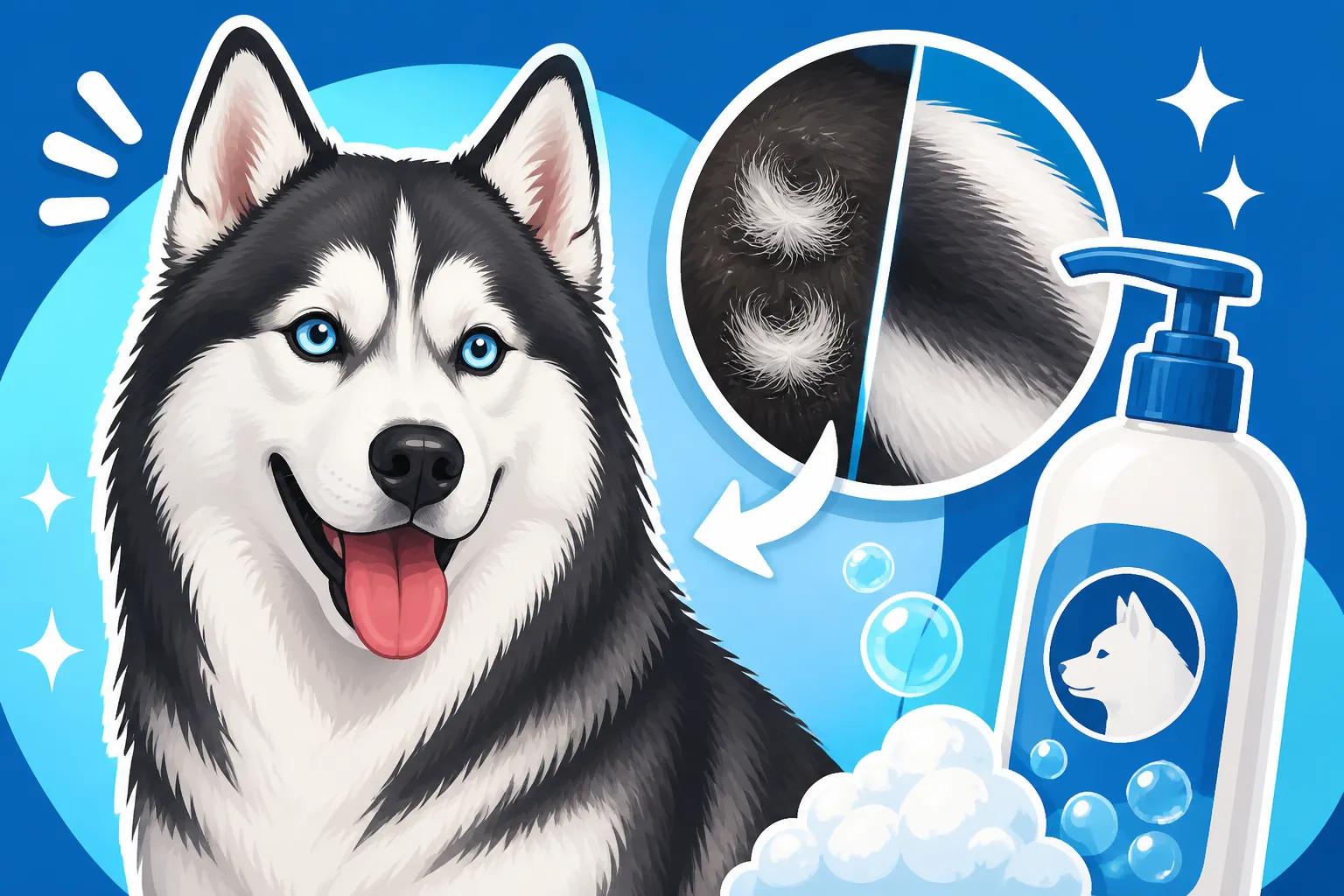
Deshedding shampoos aren't magic, but they do often contain ingredients aimed at making the shedding process a little less painful for you. The core idea behind most deshedding shampoos is to help loosen and release dead undercoat hairs that are already ready to come out, rather than stripping the coat or preventing future shedding.
Many formulations focus on moisturizing the skin and hair follicles. Ingredients like omega fatty acids (omega-3 and omega-6), vitamins E and B5, and natural oils (like coconut oil, argan oil, or shea butter) are common. These help to soften the coat and skin, making it easier for the loose hairs to detach during bathing and subsequent brushing. Some shampoos might also include mild exfoliating agents or conditioners that help to lubricate the hair shafts, reducing friction and allowing loose fur to slide out more freely. When you're browsing options, whether on a pet specialty site like Chewy or a general retailer like Amazon, look at the ingredient list for these beneficial components. Be wary of harsh detergents or artificial fragrances that could irritate your husky's sensitive skin.
Realistic Expectations for Deshedding Shampoos
Here's the crucial part: manage your expectations. A deshedding shampoo will not stop your husky from shedding. It won't reduce the total amount of fur your husky produces over its lifetime, nor will it drastically shorten the overall Siberian Husky Coat Blow and the Six Weeks It Lasts. What it can do, when used correctly, is help expedite the removal of the dead undercoat that's already loose or ready to come out.
Think of it as a concentrated effort to release a lot of fur at once, rather than having it gradually fall out around your house over days or weeks. This means you might see a dramatic amount of fur come off in the tub and during the drying process immediately after the bath. For many husky owners, this concentrated removal is incredibly helpful, as it means less fur floating around the house later. However, it requires a commitment to the entire bathing and drying process, not just the shampoo itself. If you're hoping for a product that eliminates shedding, you'll be disappointed. If you're looking for a tool to make the heavy shedding periods more manageable by accelerating the release of dead fur, then a deshedding shampoo can be a valuable addition to your grooming routine.
The Best Practices for Bathing and Deshedding a Husky
Using a deshedding shampoo effectively on a Siberian Husky isn't just about squirting it on and rinsing it off. It’s a multi-step process that needs to be done correctly to see the best results and avoid causing issues with your husky’s unique coat.
Pre-Bath Brushing and Wetting the Coat Properly
This first step is arguably one of the most important. Never attempt to bathe a husky that has mats or a heavily impacted undercoat. Water will only tighten these mats, making them incredibly difficult, if not impossible, to remove without resorting to shaving. Before your husky even goes near the tub, you need to spend a significant amount of time thoroughly brushing out as much loose undercoat as possible.
Use an undercoat rake or a sturdy slicker brush to work through the dense fur, layer by layer, all the way down to the skin. Focus on areas where mats commonly form, such as behind the ears, in the "armpits," and around the britches. If you encounter any mats, gently work them out with your fingers or a mat splitter before proceeding. Once the coat is relatively free of tangles and a good portion of the already-loose fur has been removed, it's time to get them wet.
Wetting a husky’s double coat properly takes time and patience. Their guard hairs are designed to repel water, so you can't just give them a quick spray. You need to use lukewarm water and thoroughly saturate the coat all the way down to the skin. This can take several minutes of steady spraying, working the water in with your hands. You'll literally see the water start to penetrate rather than just bead off. A handheld shower sprayer attachment can be a lifesaver here, allowing you to direct the water precisely.
Applying and Rinsing Deshedding Shampoo Thoroughly
Once your husky is thoroughly soaked, it's time for the shampoo. Apply the deshedding shampoo, working it deep into the undercoat. Don't be shy about using enough product to create a good lather, but focus on the technique. Massage the shampoo firmly but gently into the skin and coat, paying special attention to the areas where shedding is heaviest. The massaging action, combined with the shampoo's ingredients, helps to further loosen that dead undercoat. Allow the shampoo to sit for the recommended time on the label – usually 5-10 minutes – to allow the conditioning agents to work their magic.
The rinse is just as critical as the wash, if not more so. A husky's dense undercoat can trap shampoo residue, leading to skin irritation, dullness, or even hot spots if not completely removed. Rinse, rinse, and then rinse again. Seriously, when you think you're done, rinse for another five minutes. Squeeze sections of the coat to check for suds, and run your fingers through the fur to feel for any slickness. The water coming off your husky should run completely clear, and their coat should feel clean, not slippery. Incomplete rinsing is a common mistake that can negate any benefits of a good bath.
The Importance of Post-Bath Drying (and why it's crucial for deshedding)
This is where the real "deshedding" magic happens with a deshedding shampoo. Simply letting your husky air dry after a bath is a recipe for disaster and discomfort. Their dense undercoat can take days to dry completely on its own, leading to skin issues and a musty smell. More importantly for deshedding, a thorough drying process is what actually removes the bulk of the loosened fur.
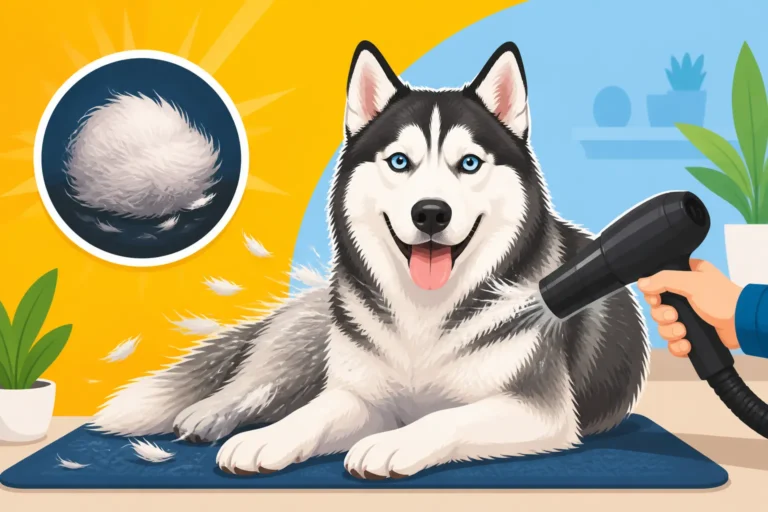
A high-velocity dryer is an absolute game-changer and, frankly, a necessity for any husky owner considering bathing their dog at home. These powerful dryers blow air at high speed, literally blasting the water out of the coat while simultaneously forcing out huge amounts of dead undercoat. You will be amazed – and possibly a little horrified – by the sheer volume of fur that comes off during this process. Wear old clothes, and maybe even a mask! Direct the nozzle close to the skin, working in sections, lifting the fur as you go. This process not only dries your husky quickly and completely but also acts as the most effective "brush" for removing all that shed undercoat. Force Drying a Siberian Husky After a Bath and High-Velocity Dryer for a Siberian Husky Coat offer more details on this essential step. Without a proper high-velocity dry, much of the loose fur you just shampooed will simply remain trapped in the coat, only to shed out later, defeating the purpose of your deshedding efforts.
Beyond Shampoo: A Holistic Approach to Managing Husky Shed
While a deshedding shampoo can be a useful tool, it's only one piece of a much larger puzzle when it comes to managing the formidable shedding of a Siberian Husky. A truly effective strategy involves consistent care across several fronts.
Regular Brushing and Grooming Tools
Consistent brushing is the cornerstone of managing your husky's coat, far outweighing the sporadic use of a deshedding shampoo. During non-shedding periods, aiming for 2-3 times a week with the right tools can keep the undercoat healthy and prevent mats. When How Long a Siberian Husky Coat Blow Runs and the main shedding seasons hit, daily brushing becomes essential.
You'll need a few specific tools in your grooming kit. An undercoat rake is invaluable for getting deep into the dense undercoat and pulling out loose fur without damaging the guard hairs. A sturdy slicker brush can help detangle and smooth the outer coat, and a wide-toothed comb is great for checking for mats. Many owners also swear by a high-velocity dryer even between baths, using it on a cool setting to "blow out" loose fur from a dry coat in the backyard. This can dramatically reduce the amount of fur that ends up in your house. Brands like Furminator offer popular deshedding tools, though many husky owners find dedicated undercoat rakes and powerful dryers more effective for the sheer volume of fur involved. You can often find a good selection of Undercoat Rakes and Slickers for a Siberian Husky on Chewy or Amazon.
Diet and Hydration for Coat Health
What goes into your husky's body plays a significant role in the health and quality of their coat, and by extension, how well they manage shedding. A high-quality diet rich in easily digestible protein and healthy fats, particularly omega-3 and omega-6 fatty acids, can contribute to a lustrous, strong coat and healthy skin. A healthy coat tends to shed more efficiently and less excessively than a dry, brittle one.
Ensure your husky is well-hydrated. Proper hydration keeps skin supple and hair follicles healthy. If your husky's skin is dry or flaky, it can exacerbate shedding and lead to discomfort. While commercial foods like those from Ollie are formulated for comprehensive nutrition, always consult your vet if you suspect a dietary issue is contributing to poor coat health or excessive shedding beyond what's typical for the breed. Sometimes, specific supplements, like fish oil, might be recommended to boost those beneficial fatty acids, though always discuss this with your vet first to avoid over-supplementation. For general skin health, Diet Changes That Help Husky Zinc Absorption can also impact the coat, as some huskies have specific nutritional needs.
Professional Grooming vs. DIY
Deciding whether to tackle your husky's grooming, especially during a coat blow, yourself or to seek professional help is a common dilemma. Doing it yourself can save money, and it allows you to bond with your dog, but it requires the right tools, time, patience, and a willingness to get very, very hairy. For a full deshedding bath and blow-out at home, you'll need the proper shampoo, conditioners, and crucially, a high-velocity dryer. The mess can be considerable, but the satisfaction of seeing bags of fur come off is immense.
However, there's absolutely no shame in calling in the professionals. Many groomers specialize in double-coated breeds and have powerful equipment and techniques that can make quick work of a coat blow. They can perform a thorough deshedding bath, condition, and high-velocity blow-out that will remove an astonishing amount of dead fur. This can be a huge relief, especially if you lack the time, space, or specialized equipment at home. In many cases, the cost of a professional deshedding service is well worth the clean house and happy, lighter husky you get back. If you're struggling, a professional groomer is equipped to handle the intense shedding periods, saving your back and your vacuum. Professional De-Shedding for a Siberian Husky can be a real lifesaver for many busy owners.
| Grooming Option | Pros | Cons | Best For |
|---|---|---|---|
| DIY Deshedding | Cost-effective, bonding experience, full control | Messy, time-consuming, requires specialized tools | Owners with time, tools, and a high tolerance for fur |
| Professional Groomer | Thorough, less mess at home, expert handling | More expensive, requires appointments | Busy owners, those without proper equipment, severe coat blows |
| Regular Brushing | Prevents mats, reduces daily shed, maintains coat | Requires consistency, doesn't eliminate shedding | Daily maintenance, general coat health |
| Deshedding Shampoo | Helps loosen dead undercoat during baths | Not a standalone solution, requires proper drying | Expediting fur removal during coat blows |
Disclaimer
This article is for general informational purposes only and does not constitute professional advice. Laws, prices and regulations vary by location and change over time. Consult a qualified professional for guidance on your specific situation.