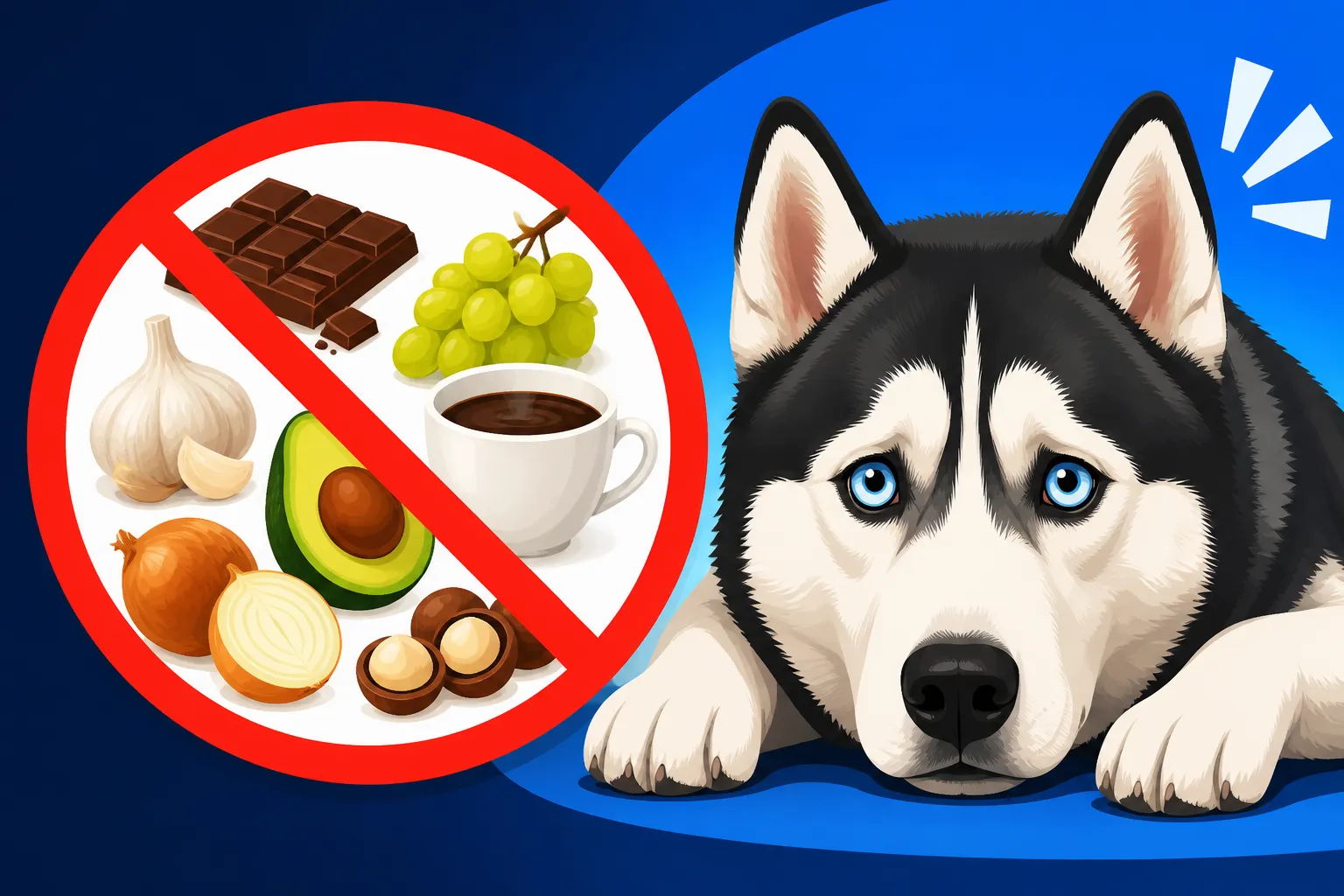
Foods That Poison a Siberian Husky
The panic that floods through you when you realize your mischievous Siberian Husky has gotten into something they shouldn't have is a feeling no pet parent ever wants to experience. Huskies are notorious for their curiosity and ability to get into just about anything, and sadly, many common household foods can be seriously dangerous, even lethal, for them. This guide is here to walk you through the most common toxic foods for your Siberian Husky, understand why they're harmful, and most importantly, equip you with the knowledge of what to do if the worst happens, helping you keep your furry escape artist safe.
Common Household Foods That Are Toxic to Siberian Huskies
It's astonishing how many everyday items we consume without a second thought are absolute poisons for our beloved canine companions. For a Siberian Husky, with their keen noses and often mischievous natures, these items are just waiting to be discovered. Understanding why certain foods are toxic helps us appreciate the danger and take necessary precautions. It's not just about knowing a list; it's about understanding the serious consequences.
Chocolate and Caffeine
Ah, chocolate. The quintessential forbidden treat. While many of us have grown up hearing "don't give dogs chocolate," few truly understand the underlying danger. The culprits here are theobromine and caffeine, two stimulants found in cocoa products. Dogs metabolize these substances much slower than humans do, allowing them to build up to toxic levels in their system. The darker the chocolate, the higher the concentration of these harmful compounds, meaning baking chocolate and dark chocolate are significantly more dangerous than milk chocolate.
Even seemingly small amounts can cause problems, especially in a dog with the lean metabolism of a Siberian Husky. Symptoms can range from mild gastrointestinal upset like vomiting and diarrhea to more severe issues such as hyperactivity, tremors, seizures, and even cardiac arrhythmias. The seriousness depends on the amount consumed, the type of chocolate, and the husky's individual sensitivity and size. It’s not just that sneaky chocolate bar; remember that your morning coffee grounds, tea bags, or even forgotten energy drinks can pose a similar risk if your husky gets curious. These substances are concentrated and easily accessible to an adventurous dog, which is why diligent cleanup and secure storage are paramount in a husky home.
Grapes, Raisins, and Currants
This category often catches people by surprise because grapes and raisins seem so innocuous. However, they are one of the most unpredictable and seriously dangerous toxins for dogs, including Siberian Huskies. The exact toxic agent is still unknown, which makes them even more frightening. What we do know is that ingestion can lead to acute kidney failure, a life-threatening condition. It’s not just fresh grapes; raisins, sultanas, and currants, as well as any products containing them like cookies, trail mix, or fruitcake, are all dangerous.
Even a small handful of raisins can be enough to cause severe problems in some dogs, while others might tolerate more without immediate signs. This unpredictability means there is no "safe" amount. Symptoms often begin with vomiting, lethargy, and decreased appetite within hours of ingestion, progressing to abdominal pain, dehydration, and eventually kidney failure if left untreated. Because the mechanism of toxicity is so poorly understood, veterinary intervention is always recommended immediately after ingestion, regardless of the amount. If your Siberian Husky manages to get into these, it's a definite call to the vet, perhaps reviewing What to Do If a Siberian Husky Eats Something Bad.
Xylitol (Birch Sugar)
Xylitol is a sugar substitute found in an ever-growing list of human products, and it is profoundly toxic to dogs. It's often labeled as "birch sugar" or listed as an ingredient in many "sugar-free" items. When a dog ingests xylitol, it causes a rapid and massive release of insulin from their pancreas, leading to a sudden and severe drop in blood sugar (hypoglycemia). This can happen within 10-60 minutes and can be life-threatening. In higher doses, xylitol can also cause acute liver failure, which is often irreversible.
You'll find xylitol in sugar-free chewing gum, candies, mints, some brands of peanut butter, toothpaste, certain baked goods, and even some medications. This makes it particularly insidious because many dog parents innocently give their dogs peanut butter as a treat or for Training an Independent Siberian Husky, so always double-check the ingredient list before buying, perhaps even from your usual Amazon order. Symptoms of xylitol poisoning include vomiting, weakness, staggering, disorientation, collapse, and seizures. Immediate veterinary care is crucial to manage the blood sugar drop and monitor for liver damage.
Onions, Garlic, and Chives
All members of the Allium family, including onions, garlic, chives, leeks, and shallots, are toxic to dogs. These vegetables contain compounds that can cause oxidative damage to a dog's red blood cells, leading to a condition called hemolytic anemia. This means their red blood cells are destroyed faster than they can be produced, leading to a deficiency of oxygen-carrying cells. The toxic compounds are present in all forms – raw, cooked, dehydrated, and powdered – so even foods seasoned with onion powder can be dangerous.
While a small, single exposure might not be immediately apparent, cumulative exposure over time or ingestion of a large amount at once can lead to serious health issues. Garlic is often considered more potent than onions. Symptoms of Allium toxicity can include lethargy, weakness, pale gums, rapid breathing, an elevated heart rate, vomiting, and diarrhea. Your husky might appear less energetic or simply "off." That leftover spaghetti sauce or that delicious garlic bread may seem harmless to share, but the cumulative effect can be quite dangerous and lead to a slow onset of anemia.
Other Dangerous Foods and Substances Your Husky Might Encounter
Beyond the common culprits, there's a whole world of other human foods and substances that pose a significant threat to your curious Siberian Husky. Their desire to explore the world with their mouths, combined with their cleverness, means no item left unattended is truly safe. Understanding these less obvious dangers is just as important for maintaining a safe home environment.
Alcohol and Yeast Dough
Alcohol is rapidly absorbed into a dog's bloodstream and can quickly cause significant central nervous system depression. What might seem like a small sip of beer or a spill of wine can have severe consequences for your husky. They are much more sensitive to alcohol than humans, and their smaller body weight means even modest amounts can lead to poisoning. Symptoms mirror human intoxication but are far more dangerous: vomiting, disorientation, incoordination, tremors, hypothermia, and in severe cases, respiratory distress, coma, and even death.
Raw yeast dough is a double threat. If ingested, the warm, moist environment of your husky's stomach provides the perfect conditions for the yeast to continue rising, causing the dough to expand. This can lead to severe bloating, stomach distension, and potentially a life-threatening condition where the stomach twists (gastric dilation-volvulus, or GDV). As the yeast ferments, it also produces alcohol, leading to alcohol poisoning. That raw bread dough you left to rise on the counter isn't just a choking hazard; it's a ticking time bomb for an expanding belly and alcohol poisoning. Any dog experiencing these symptoms needs immediate veterinary care; you can check what What a Siberian Husky Emergency Visits Run entails.
Avocado
Avocado contains a fungicidal toxin called persin. While persin is known to be highly toxic to some animals, like birds and horses, causing cardiovascular damage and respiratory distress, dogs are generally more resistant. However, this doesn't mean avocado is entirely risk-free for your Siberian Husky. Large quantities of avocado flesh can still lead to gastrointestinal upset, including vomiting and diarrhea. More significantly, the large pit poses a substantial choking hazard for a husky and can cause an intestinal obstruction if swallowed.
For a dog like a husky, who loves to chew and explore, that avocado pit looks like a prime toy. If your dog consumes the pit, it could get lodged in their esophagus, stomach, or intestines, requiring emergency surgery. So, while Fido might not keel over from a bite of the fruit itself, the pit presents a serious, immediate danger. It's always best to keep avocados, especially their pits, well out of reach. An opportunistic husky might even find a discarded avocado pit if they've slipped out of the yard, tying into the risks highlighted in Why an Escaped Siberian Husky Is a Health Risk.
Macadamia Nuts
These seemingly innocent nuts, often found in human snack mixes, cookies, and gourmet treats, can cause a specific set of distressing symptoms in dogs. The exact toxic compound in macadamia nuts is still unknown, but ingestion can lead to weakness, tremors, vomiting, fever, depression, and ataxia (incoordination). These symptoms typically appear within 12 hours of ingestion and, while rarely fatal, can be incredibly uncomfortable and alarming for both the husky and their owner.
While the prognosis for recovery is generally good, with most dogs improving within 24-48 hours, veterinary care is often necessary to manage the symptoms and provide supportive treatment. This might include fluids, anti-nausea medication, or pain relief. It’s a good reminder that even if a food isn't immediately lethal, it can still cause a significant amount of suffering and require expensive veterinary visits. It’s always safer to assume that any human food not specifically formulated for dogs could pose a risk, especially when dealing with a breed known for its sensitive digestive system, even if they sometimes manage to be A Siberian Husky That Skips Meals when it comes to their own kibble.
What to Do If Your Siberian Husky Eats Something Toxic
Despite our best efforts, accidents can happen. A door left ajar, a counter surf gone rogue, or a curious nose finding something it shouldn't – it's an unfortunate reality for many husky owners. Knowing what steps to take immediately can make all the difference in the outcome for your beloved companion. Preparedness is your best defense against canine poisoning.
Immediate Steps to Take
The moment you realize your Siberian Husky has ingested something potentially toxic, the first and most critical step is to not panic, but act swiftly and calmly. Your immediate actions can significantly impact the situation. Start by identifying exactly what your husky ate, how much of it, and, if possible, when they ate it. Gather any packaging, wrappers, or remnants of the food, as this information will be crucial for your veterinary team or poison control.
Next, call your veterinarian immediately. If it's after hours or your vet isn't available, contact an animal poison control center. These services are staffed by veterinary toxicologists who can provide expert guidance based on the specific toxin, amount ingested, and your dog's size. It's vital to follow their advice precisely. Never try to induce vomiting without explicit instruction from a professional. For some toxins, inducing vomiting can actually do more harm than good, especially if the substance is corrosive or if your husky is already showing severe symptoms. Sometimes your vet might advise you to induce vomiting with hydrogen peroxide, but only under their direct guidance. Inducing vomiting incorrectly can do more harm than good. Remembering the potential for these incidents is part of the overall cost of ownership, like considering The Bills Before a Siberian Husky Comes Home.
When to Head to the Vet
Your vet or animal poison control will advise you on whether an immediate visit to the veterinary clinic is necessary. However, there are some clear situations where you shouldn't hesitate to take your Siberian Husky to the emergency vet, even without a direct instruction. If your husky has consumed something known to be highly toxic, like xylitol, grapes/raisins, or a large quantity of dark chocolate, and especially if they are already exhibiting symptoms such as vomiting, diarrhea, lethargy, tremors, or seizures, it's time to drop everything and head straight to the emergency clinic.
Even if your husky appears fine after ingesting a toxic substance, it's still often recommended to seek veterinary attention. Some toxins have delayed effects, and early intervention can prevent more severe symptoms from developing. For example, kidney damage from grapes can take days to manifest. A vet can perform decontamination measures, administer activated charcoal to absorb toxins, and begin supportive care to mitigate the effects before they become life-threatening. Don't wait for severe symptoms to appear; prompt action can save your husky's life, and understanding What a Siberian Husky Emergency Visits Run can help you be prepared financially.
Preventing Future Incidents
The best defense against poisoning is prevention. Given the notorious cleverness and resourcefulness of Siberian Huskies, securing your home against their culinary investigations is an ongoing challenge. Start by treating all human food, especially known toxic items, as strictly off-limits and keep them entirely out of your husky's reach. Huskies are known counter-surfers and can open cabinets and even some doors, so child-proof locks on lower cabinets and secure, heavy-duty trash cans are not overkill; they're necessities.
Never leave food unsupervised on counters, tables, or in accessible areas. This means not just when you leave the house, but even if you just step out of the room. Educate all household members and visitors about foods that are dangerous for dogs. For safe storage, consider a robust pantry system or secure containers you might find on Amazon. To keep your husky occupied with safe alternatives, provide them with plenty of appropriate chew toys and puzzle feeders, perhaps exploring the wide selection on Chewy or durable puzzle feeders like those discussed in Puzzle Feeders a Siberian Husky Cannot Beat. This helps satisfy their natural chewing instinct and mental stimulation without turning to forbidden items. Remember, a well-exercised and mentally stimulated husky is generally less likely to engage in destructive behaviors or seek out forbidden snacks, helping them to potentially enjoy a long life, as explored in Why Siberian Huskies Outlive Most Medium Breeds. Even a healthy, balanced diet, perhaps from a brand like Ollie, designed specifically for canine needs, can reduce their inclination to forage for scraps, preventing them from exploring options that might lead to unexpected trips to the vet.
Common Toxic Foods for Siberian Huskies
Here's a quick reference table of some of the most common foods toxic to Siberian Huskies and their potential effects. This is not an exhaustive list, but covers many common household dangers.
| Toxic Food | Primary Danger | Common Symptoms |
|---|---|---|
| Chocolate & Caffeine | Theobromine & caffeine poisoning | Vomiting, diarrhea, hyperactivity, tremors, seizures, heart arrhythmias |
| Grapes & Raisins | Acute kidney failure | Vomiting, lethargy, decreased appetite, abdominal pain, dehydration |
| Xylitol | Rapid blood sugar drop (hypoglycemia) | Vomiting, weakness, staggering, collapse, seizures, liver damage |
| Onions, Garlic, etc. | Red blood cell damage (anemia) | Lethargy, weakness, pale gums, rapid breathing, vomiting, diarrhea |
| Alcohol | Central nervous system depression | Vomiting, disorientation, incoordination, tremors, hypothermia, coma |
| Yeast Dough | Gastric bloat, alcohol poisoning | Severe abdominal pain, bloating, retching, disorientation, weakness |
| Avocado | Gastrointestinal upset, choking hazard | Vomiting, diarrhea (flesh); choking, intestinal obstruction (pit) |
| Macadamia Nuts | Unidentified toxin | Weakness (especially hind limbs), tremors, vomiting, fever, depression, ataxia |
This article aims to keep your Siberian Husky safe and sound, allowing them to thrive on a diet of Zinc-Rich Food for a Siberian Husky or even High-Fat Food for a Siberian Husky in Winter, rather than risking their health on foods meant only for humans. Being proactive and informed is key to preventing scary incidents and ensuring your adventurous husky lives a long, healthy life.
Disclaimer
This article is for general informational purposes only and does not constitute professional advice. Laws, prices and regulations vary by location and change over time. Consult a qualified professional for guidance on your specific situation.