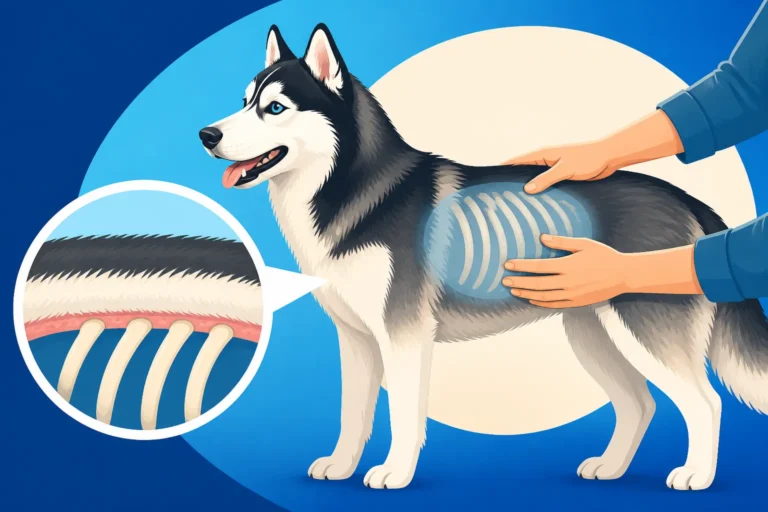
Zinc-Rich Food for a Siberian Husky
It can be incredibly disheartening when your beloved Siberian Husky starts showing signs of skin issues, a dull coat, or just a general lack of sparkle, even when you're feeding them what you think is a perfectly good, balanced dog food. Many Husky owners don't realize that our wonderful, quirky breed has a unique genetic predisposition to struggle with zinc absorption, meaning a standard diet might not be enough. This guide is here to help you navigate the world of zinc-rich foods and understand how to ensure your Siberian Husky gets the vital zinc they need to thrive.
Understanding Your Siberian Husky's Unique Zinc Needs
Siberian Huskies are truly special dogs, known for their resilience, beauty, and often, their stubborn independence. But beneath that thick double coat and those striking eyes lies a metabolic quirk that sets them apart from many other breeds: a particular challenge with zinc. It's not that zinc isn't in their food; it's that their bodies often don't process and absorb it as efficiently as other dogs. This isn't a flaw in your care or the quality of your dog food; it's simply a genetic characteristic of the breed, something they carry from their ancestors.
This genetic predisposition means that even a diet considered "complete and balanced" by industry standards might not provide enough bioavailable zinc for a Husky. Bioavailable refers to the amount of a nutrient that is actually absorbed and utilized by the body, rather than just passing through. Think of it like a leaky bucket; you can pour plenty of water in, but if it leaks out, your bucket never truly fills. For Huskies, their "bucket" for zinc can be a bit leaky, requiring a more conscious effort to ensure they get what they need. We talk more about this unique challenge in Why Siberian Huskies Absorb Zinc Poorly.
When a Siberian Husky doesn't get enough zinc, the signs can manifest in ways that are often mistaken for allergies or other skin conditions. You might notice dry, flaky skin, especially around the eyes, mouth, chin, or elbows. Crusty lesions, hair loss, and even secondary skin infections are not uncommon. Their paw pads might thicken and crack, making walks uncomfortable. Beyond the skin, zinc deficiency can impact their immune system, growth in puppies, and even reproductive health. It's a fundamental mineral for so many bodily functions, so addressing any deficiency is paramount for their overall health and happiness.
Identifying Zinc-Rich Ingredients in Dog Food
When you're scrutinizing dog food labels for your Siberian Husky, knowing which ingredients naturally boast a high zinc content is your first line of defense. It's not just about seeing "zinc" listed in the guaranteed analysis; it's about the forms of zinc and the overall diet supporting its absorption. The best sources are typically animal-based and easily digestible.
Top Animal-Based Zinc Sources
The most bioavailable forms of zinc for dogs generally come from animal proteins. Organs like liver are particularly potent sources, packing a significant punch of this essential mineral. Many high-quality commercial dog foods will list specific animal proteins as their first ingredients, which is a good sign. When you see ingredients like beef, lamb, chicken, or turkey meal (not just "meat and bone meal"), these are contributors to the overall zinc content. Muscle meats, while good protein sources, typically contain less zinc per serving than organ meats.
Beyond the common proteins, certain seafood options are also fantastic zinc powerhouses. Oysters, for example, are incredibly rich in zinc, though they are less commonly found as a primary ingredient in kibble. Fish like salmon, while prized for omega fatty acids, also offer a decent amount of zinc. The key is to look for specific animal sources rather than vague descriptions, ensuring you're getting quality ingredients that contribute to overall nutritional well-being.
Plant-Based Zinc and Absorption Challenges
While plants do contain zinc, it's often in a form that's less easily absorbed by dogs, especially Huskies, due to the presence of phytates. Phytates are compounds found in many plant foods, like grains, legumes, and seeds, that can bind to minerals like zinc, iron, and calcium, making them less available for absorption. This is a big reason why a "balanced" diet on paper might still fall short for a Husky with a demanding zinc metabolism. You can read more about how this impacts your Husky in Why a Balanced Diet Does Not Fix Husky Zinc Loss.
Ingredients like oats, brown rice, peas, and lentils are common in many dog foods and contribute some zinc, but their phytate content can hinder how much of that zinc actually makes it into your Husky's system. For a breed already struggling with absorption, relying heavily on plant-based zinc sources might not be the most effective strategy. This isn't to say these ingredients are bad; many provide valuable fiber and other nutrients. It simply means that for zinc specifically, they might not be the most efficient delivery system for your Husky.
Therefore, when evaluating a food, consider the primary zinc sources. A food that heavily relies on plant proteins or contains a lot of grains might not be as effective for a Husky's zinc needs, even if the label claims adequate zinc. It's about quality and bioavailability, not just quantity on a nutrient chart.
Evaluating Commercial Dog Food Options for Zinc
Choosing the right dog food for your Siberian Husky, especially one that addresses their unique zinc needs, can feel like a minefield with so many brands and formulas out there. It’s crucial to go beyond marketing claims and dig into the actual ingredient list and nutritional analysis. You're looking for quality, highly digestible zinc sources that your Husky's system can actually utilize.
Kibble and Canned Food Considerations
When browsing options on sites like Chewy or Amazon, you'll find a vast selection of kibble and canned foods. For kibble, look for formulas that list high-quality animal proteins as the first few ingredients. Ideally, you want to see specific meats and organ meats. Some brands will also include chelated forms of zinc, such as zinc proteinate, zinc methionine, or zinc amino acid chelate. These chelated forms are minerals that have been bound to amino acids, making them much easier for the body to absorb than inorganic forms like zinc sulfate or zinc oxide. If you see chelated zinc high up in the ingredient list, that's a positive sign for a Husky.
Canned foods can sometimes be a good option because they often contain a higher moisture content and can be less processed, potentially preserving nutrient integrity. However, just like kibble, you need to examine the ingredient list. Some canned foods might be heavy on fillers, so always prioritize those with whole animal protein sources and, again, keep an eye out for those chelated zinc forms. For many owners, it's a balancing act between budget, convenience, and nutritional quality, but knowing what to look for empowers you to make better choices.
Fresh and Raw Food Benefits for Zinc
More and more owners are exploring fresh-cooked or raw food diets for their dogs, and these can be excellent for managing a Siberian Husky's zinc needs. Brands like Ollie offer fresh, human-grade food delivered right to your door, and many of these recipes are rich in highly bioavailable animal proteins and organ meats. When you control the ingredients, you can specifically choose zinc-rich components like liver, kidney, and lean red meats, ensuring they are prepared in a way that maximizes nutrient retention.
For those who venture into homemade raw feeding, you have complete control. You can precisely include appropriate amounts of organ meats, which are naturally very high in zinc, ensuring your Husky gets a potent dose in an easily absorbable form. However, a homemade raw diet requires careful research and often veterinary consultation to ensure it's truly balanced, as deficiencies can arise if not done correctly. The benefit is tailoring the diet perfectly to your individual Husky’s needs, which can be invaluable for breeds with specific absorption challenges.
Here's a quick comparison of zinc sources and forms in common dog food types:
| Food Type/Source | Primary Zinc Sources | Zinc Bioavailability | Common Forms of Zinc Found | Notes for Huskies |
|---|---|---|---|---|
| Kibble | Meat meals (chicken, beef, lamb), some grains | Moderate to Low | Zinc sulfate, zinc oxide, zinc proteinate | Look for chelated forms; higher meat content is better. |
| Canned Food | Specific meats, organ meats (less common) | Moderate | Zinc proteinate, zinc oxide | Higher moisture, often more digestible; check for fillers. |
| Fresh/Cooked | Muscle meat, organ meat, eggs | High | Naturally occurring | Excellent control over sources, higher natural zinc content. |
| Raw Diet | Organ meat (liver, kidney), muscle meat | Very High | Naturally occurring | Highest bioavailability, requires careful balancing. |
| Plant Ingredients | Grains, legumes, seeds | Low | Naturally occurring | Phytates can inhibit absorption; generally less efficient for Huskies. |
Remember, a food that is great for a Labrador might not be optimal for a Siberian Husky, even if both are considered healthy breeds. It's about matching the diet to the unique physiological demands of your specific dog.
Considering Zinc Supplementation and Veterinary Guidance
Even with the most meticulously chosen zinc-rich food, some Siberian Huskies might still require additional support due to their unique absorption challenges. This isn't a sign of failure in your feeding strategy, but rather a recognition of the breed's specific needs. Knowing when and how to supplement, always under veterinary guidance, is crucial for their long-term health.
When to Consider a Zinc Supplement
If you've optimized your Husky's diet with high-quality, zinc-rich foods and are still observing symptoms of zinc deficiency—such as persistent skin issues like crusting around the muzzle or eyes, thinning hair, or dullness of coat—it's definitely time to have a serious conversation with your veterinarian. These signs, often lumped under the term "zinc-responsive dermatosis," are a clear indication that dietary zinc alone might not be enough. Your vet can confirm a deficiency through physical examination and potentially blood tests, ruling out other conditions. They can also guide you on the specific type and dosage of zinc supplement. We cover more about the specific condition in Zinc-Responsive Dermatosis in the Siberian Husky.
It's also important to remember that zinc supplementation isn't a "more is better" situation. Too much zinc can actually be harmful, leading to copper deficiency and other health problems. This is why self-diagnosing and self-treating with supplements is not recommended. Your vet will prescribe or recommend a specific chelated zinc supplement (like zinc methionine or zinc picolinate) in a measured dose, usually starting with a low amount and adjusting as needed. They understand the delicate balance required and can monitor your Husky for any adverse effects. You can learn more about appropriate amounts in Zinc Doses Used in Siberian Huskies and the risks in Why Too Much Zinc Hurts a Siberian Husky.
Long-Term Management and Monitoring
For many Siberian Huskies with a diagnosed zinc absorption issue, managing their zinc levels becomes a long-term commitment. This might mean continued zinc supplementation for life, alongside a carefully chosen diet. Regular veterinary check-ups will be essential to monitor their progress, assess their skin and coat condition, and periodically re-evaluate blood zinc levels to ensure they are within a healthy range. Your vet might also suggest specific Diet Changes That Help Husky Zinc Absorption in conjunction with supplements.
Working closely with your vet means you have a partner in your Husky's health journey. They can help you differentiate between zinc deficiency symptoms and other conditions like allergies or autoimmune issues. For example, Telling Husky Zinc Dermatosis From an Allergy can be tricky without professional insight. They'll also be invaluable in helping you source appropriate supplements and ensure they don't interfere with any other medications or health conditions your Husky might have. This holistic approach ensures your Siberian Husky not only survives but truly thrives, enjoying a vibrant coat, healthy skin, and robust immune system for years to come.
Disclaimer
This article is for general informational purposes only and does not constitute professional advice. Laws, prices and regulations vary by location and change over time. Consult a qualified professional for guidance on your specific situation.