How Deep an Undercoat Rake Should Go on a Husky
Many Siberian Husky owners wrestle with their dog's incredible coat, especially during those infamous "coat blows." The sheer volume of shedding undercoat can feel overwhelming, and knowing how to tackle it without harming their beautiful, protective fur is a genuine challenge. This guide will walk you through the specifics of using an undercoat rake on your Siberian Husky, focusing on how deep to go and how to groom effectively and safely, preserving their vital double coat.
Understanding the Siberian Husky's Double Coat
The Siberian Husky isn't just a pretty face; their coat is a marvel of natural engineering, perfectly adapted to withstand extreme cold. It's a dual-layer system, and understanding each component is key to proper grooming. Many new Husky owners, or even those who've had other breeds, are often surprised by the sheer density and complexity of this coat. It’s not just hair; it’s insulation, protection, and a testament to their heritage, rooted deeply in their The Chukchi Origins of the Siberian Husky.
The Purpose of Guard Hairs
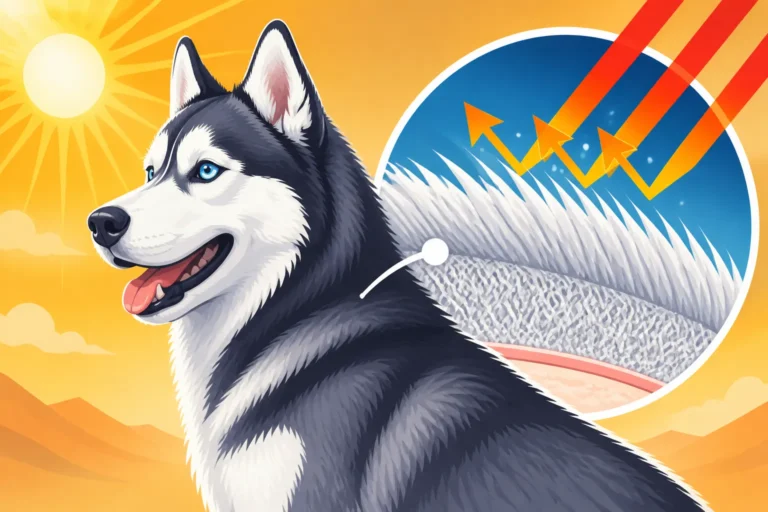
The outer layer of your Husky's coat consists of what we call guard hairs. These are longer, coarser, and somewhat stiff hairs that are designed to be water-repellent and provide primary protection against snow, ice, and even harmful UV rays. Think of them as the outer shell of a high-performance winter jacket. They stand up, creating an air pocket, and shed water and debris easily. These guard hairs are crucial for the Husky's thermoregulation, keeping them both warm in winter and surprisingly cool in summer by preventing heat from penetrating directly to the skin. Why a Shaved Siberian Husky Overheats explains this in more detail.
These guard hairs give the Husky its distinct appearance and color patterns. They are the hairs you see and feel predominantly when petting your dog normally. It’s vital that these hairs are never damaged or cut, as they take a long time to regrow and, when they do, often come back with a different texture, compromising the coat's natural function. An undercoat rake is specifically designed to bypass these guard hairs and target the underlying fluff. Protecting these hairs is paramount to maintaining your Husky's natural defenses and classic look.
The Role of the Undercoat
Beneath the protective guard hairs lies the true insulating layer: the undercoat. This is a dense, soft, and woolly layer of fine hairs that grows incredibly thick, especially in colder months. The undercoat traps air, creating a thermal barrier that keeps your Husky warm even in sub-zero temperatures. During a "coat blow," which typically happens twice a year, this entire dense undercoat sheds out to make way for a new, either thicker or lighter, seasonal coat. Spring and Fall Sheds in a Siberian Husky details this process.
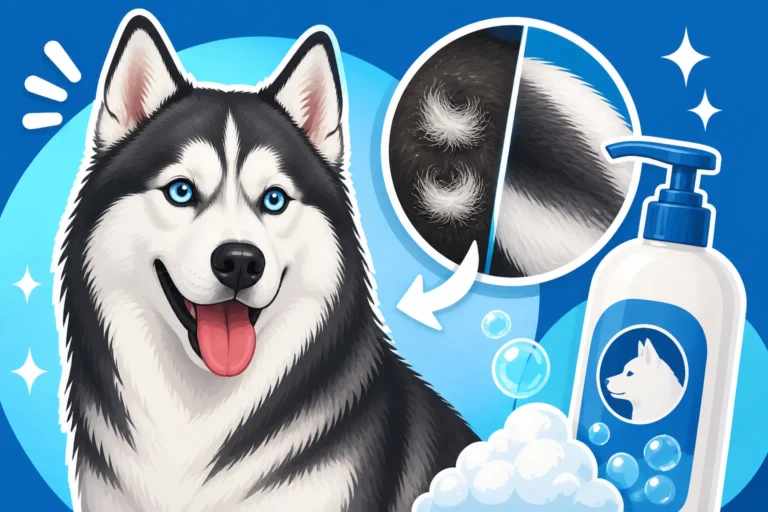
When your Husky is blowing their coat, you'll see clumps of this woolly undercoat coming out, sometimes in astonishing amounts. This is the layer that an undercoat rake is meant to address. Without regular raking during this period, the shedding undercoat can become matted, trap moisture, lead to skin irritation, and prevent proper air circulation, which can actually make your Husky hotter in warmer weather. It's truly a necessary evil of owning one of these magnificent dogs, but tackling it proactively makes a world of difference for their comfort and health.
Choosing the Right Undercoat Rake
Navigating the world of grooming tools can be a bit overwhelming, but for a Siberian Husky, an undercoat rake is non-negotiable. Not all rakes are created equal, and selecting the right one can make a huge difference in effectiveness and comfort for both you and your dog. You wouldn't use a fine-toothed comb on a horse's mane, and similarly, a generic brush won't cut it for a Husky's unique, demanding coat. Getting the right tool is the first step to successful grooming.
Types of Undercoat Rakes for Huskies
There are a few main styles of undercoat rakes, each with slightly different features. The most common type for Huskies has widely spaced, long, blunt metal teeth that are designed to reach deep into the undercoat without scraping the skin. Some rakes might have a single row of teeth, while others might have two rows, often with staggered tooth lengths to grab more loose hair. Always ensure the teeth are blunt-ended; sharp points can scratch or irritate the skin, causing discomfort and potential skin problems.
Another popular type is sometimes called a "shedding blade" or "de-shedding tool," which might look like a curved blade with small teeth or have a series of tiny hooks. While these can be effective, be very careful with them. Some versions can cut the guard hairs if not used correctly, which we absolutely want to avoid. Focus on tools specifically labeled as undercoat rakes or de-shedding rakes for double-coated breeds. Brands like FURminator (while popular, always check if it's the right type for huskies, as some versions claim to cut guard hairs, while others are specifically designed to safely remove undercoat) or lesser-known, husky-specific grooming tools found on Chewy or Amazon often offer good options. Undercoat Rakes and Slickers for a Siberian Husky provides a deeper dive into these tools.
What to Look for in a Quality Rake
When you're shopping for an undercoat rake, prioritize durability, comfort, and safety. Look for a rake with a comfortable, ergonomic handle that won't strain your hand during long grooming sessions—and trust me, with a Husky, sessions can be long! The teeth should be made of strong, rust-resistant metal. Stainless steel is a good choice for longevity and ease of cleaning. Critically, the teeth should be rounded or blunt at the tips to prevent scratching your Husky's skin. This is non-negotiable for their comfort and health.
The spacing of the teeth is also important. For a dense Husky coat, you generally want teeth that are spaced far enough apart to glide through the guard hairs but close enough to effectively grab and pull out the loose undercoat. If the teeth are too close together, they'll just pull on the guard hairs and cause pain. If they're too far apart, they won't efficiently remove much undercoat. Experimentation might be necessary, but a good starting point is a rake with teeth spaced about 1/4 to 1/2 inch apart. Always read reviews from other Siberian Husky owners; their experiences are invaluable for finding tools that truly work for this unique breed.
Here's a quick comparison of rake types:
| Rake Type | Description | Pros | Cons |
|---|---|---|---|
| Standard Undercoat | Long, blunt metal teeth, often single or double row | Effectively removes loose undercoat, gentle | Can require more effort for extremely dense coats |
| De-shedding Blade | Curved blade with small teeth/hooks | Very efficient at removing large amounts of fur | Risk of cutting guard hairs if not used carelessly |
| Wide-Toothed Comb | Wider spacing, often with rotating teeth | Good for detangling, preliminary raking | Less effective for deep undercoat removal than dedicated rakes |
The Art of Raking: Technique and Depth
Using an undercoat rake isn't just about pulling; it's an art that requires patience, a gentle touch, and an understanding of your Husky's unique anatomy. The goal is always to remove the dead, shedding undercoat while leaving the healthy guard hairs and sensitive skin untouched. This balance is crucial for their comfort and coat health, and mastering it will make grooming a much more pleasant experience for both of you.
Starting Your Grooming Session Safely
Before you even pick up the rake, ensure your Husky is calm and comfortable. A good brushing session can often start with a sturdy slicker brush or a wide-toothed comb to gently remove any surface tangles or mats in the guard hairs. Always start grooming when the coat is completely dry. A wet undercoat can be incredibly difficult to rake and can lead to pulling or skin irritation, making the experience unpleasant. Find a comfortable spot, perhaps outside if the weather permits (or invest in a good shop vac!), and have plenty of treats on hand to make it a positive experience.
When you introduce the rake, begin with very light strokes, going with the direction of hair growth. Start at the neck or shoulders and work your way back, covering small sections at a time. Pay particular attention to areas where undercoat tends to accumulate, such as around the rump, hind legs, and behind the ears. These are often forgotten spots where mats can form easily. Your Husky might not love it at first, especially if they aren't used to it, so keep sessions short and positive. Brushing a Siberian Husky Every Day for Six Weeks can offer tips for making grooming a positive experience.
How Deep is Too Deep?
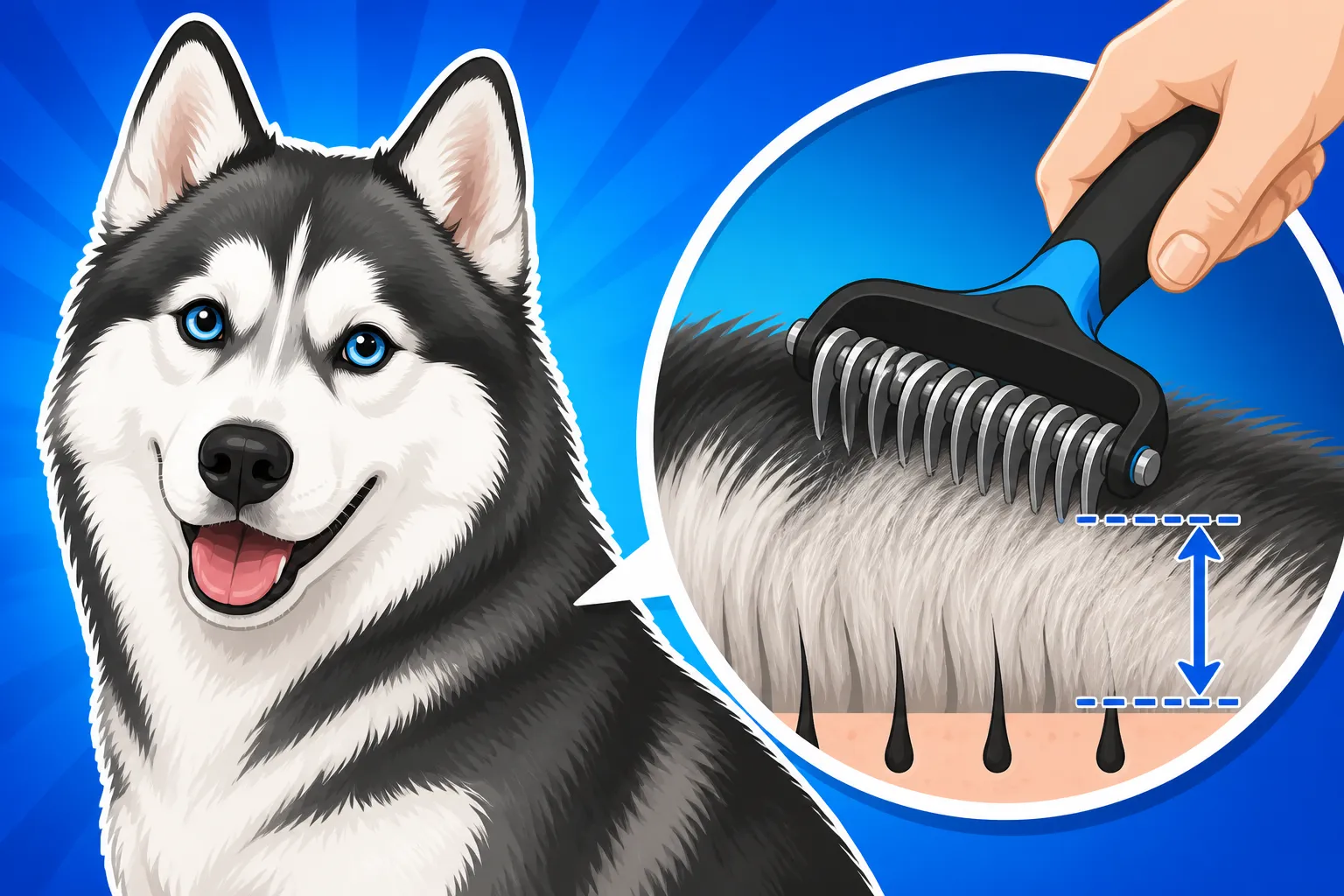
This is the core question! An undercoat rake should go deep enough to reach the base of the undercoat, close to the skin, but without actually touching or scraping the skin. Imagine you're trying to comb through a very thick wool blanket to pull out loose fibers from the bottom, but you don't want the comb to poke through the blanket to the surface underneath. The long, blunt teeth of a good undercoat rake are designed to slide past the guard hairs and into the soft, dense undercoat.
You'll know you're at the right depth when you feel resistance from the undercoat, and the rake starts pulling out significant amounts of fluffy, dead hair. The motion should be smooth and even, using gentle, long strokes. If you feel the rake snagging or pulling on the guard hairs, you're either going too fast, using too much pressure, or the teeth are too close together. If you hear a scratching sound or your Husky flinches, you're hitting the skin, and you need to lighten your touch immediately. The goal is to lift the loose undercoat, not to pull or tug at the skin. You should never feel the rake's teeth against the skin.
Knowing When to Stop
It's tempting to keep raking until every last loose hair is gone, but there's a point of diminishing returns, and even a point where you can do more harm than good. You'll know it's time to stop when the rake starts pulling out significantly less undercoat with each stroke, and you no longer feel large clumps of loose fluff coming out. The coat should feel lighter and less dense, but still retain its structure and the integrity of the guard hairs.
Never try to completely strip your Husky down to just guard hairs. They always need a layer of undercoat for protection and insulation. If you notice the rake is only pulling out a few stray hairs, or if you start seeing a lot of healthy guard hairs coming out, it's a sign to stop. Over-raking can irritate the skin, cause brush burn, and even damage the healthy undercoat and guard hairs. During a heavy coat blow, you might need to rake for 15-30 minutes daily or every other day for a few weeks. Outside of these heavy shedding periods, a weekly or bi-weekly session might be enough to keep things tidy. How Long a Siberian Husky Coat Blow Runs can give you an idea of the timeline.
Common Raking Mistakes and How to Avoid Them
Even with the best intentions, it's easy to make mistakes when grooming such a unique coat. Being aware of these pitfalls can help you maintain your Husky's coat health and keep grooming sessions positive. We all want our Huskies to look their best and feel comfortable, so avoiding these common errors is key to a happy, healthy dog and a less hairy home.
Excessive Pressure and Skin Irritation
One of the most frequent mistakes is applying too much pressure. It's easy to think that if you push harder, you'll get more hair out. In reality, excessive pressure can cause severe skin irritation, known as "brush burn." This manifests as redness, tenderness, and sometimes even small abrasions on the skin. Your Husky might flinch, pull away, or even develop a negative association with grooming, making future sessions much harder.
To avoid this, always use a light hand. Let the tool do the work, not your force. The rake should glide smoothly through the coat. If you encounter a snag, don't yank. Instead, gently work through it, perhaps with a wide-toothed comb first, or use shorter, lighter strokes around the area. If you notice any redness or discomfort, stop immediately and give your Husky a break. You can always try again later or focus on a different area. Remember, regular, gentle sessions are far more effective and kind than infrequent, aggressive ones.
Damaging the Guard Hairs
As mentioned, the guard hairs are vital. A common mistake is using a rake that's too sharp, has too many teeth, or is used at the wrong angle, causing it to cut or break these protective outer hairs. Some de-shedding tools, if not designed for a Husky's specific coat type, can inadvertently trim guard hairs, especially if used with a "sawing" motion. This is why it's so important to choose a tool with blunt, widely-spaced teeth, specifically designed for double-coated breeds. Whether a Furminator Cuts Siberian Husky Guard Hairs discusses this issue with a popular brand, highlighting the need for careful selection.
Always ensure you are raking with the direction of hair growth, never against it, and keep the rake parallel to the dog's body. Avoid pressing down into the coat. Your technique should be about lifting and removing the undercoat, not scraping or cutting. If you notice your rake seems to be cutting the hair, or if the removed fur looks chopped rather than fluffy, stop using that tool and reassess. A damaged guard coat can take months, sometimes even a year or more, to fully recover, leaving your Husky vulnerable to the elements and affecting their natural appearance.
Raking Too Infrequently or Too Often
The timing and frequency of raking are also critical. If you rake too infrequently, especially during a heavy coat blow, the shedding undercoat can compact, mat, and become incredibly difficult to remove. This not only makes grooming a nightmare but can lead to skin issues and overheating. Matting can be painful and can even require professional intervention or shaving in severe cases, which is a stressful experience for any dog. You'll definitely want to avoid Matting Behind a Siberian Husky's Ears, for instance, by being proactive with your grooming.
On the flip side, raking too often or too aggressively when your Husky isn't actively shedding their undercoat can be counterproductive. It can remove healthy undercoat, leading to a thinner coat that provides less insulation. It can also cause skin irritation if done without the protective buffer of dense, loose undercoat. The best approach is to observe your Husky's coat. During heavy shedding (twice a year, roughly spring and fall), daily or every-other-day raking is appropriate. Outside of these periods, a weekly or bi-weekly light raking, or just using a regular brush, is usually sufficient to keep tangles at bay and remove minimal loose hair.
Always remember, grooming should be a bonding experience, not a wrestling match. With the right tools and a gentle, consistent approach, you can keep your Siberian Husky's magnificent coat healthy and comfortable year-round. You can find many effective grooming tools on reputable retailers like Chewy or Amazon, making it easy to get what you need delivered right to your door.
Disclaimer
This article is for general informational purposes only and does not constitute professional advice. Laws, prices and regulations vary by location and change over time. Consult a qualified professional for guidance on your specific situation.