How Long a Siberian Husky Coat Blow Runs
If you're a Siberian Husky owner, you know that glorious, thick double coat is both a blessing and, twice a year, an avalanche of fluff. The dreaded "coat blow" can feel never-ending, turning your home into a furry wonderland and your vacuum cleaner into a sworn enemy. This guide is here to demystify the Siberian Husky coat blow, explaining exactly what it is, how long you can expect it to last, and how to navigate the seemingly endless sea of fur with your sanity intact.
The Phenomenon of the Siberian Husky Coat Blow
Before we dive into the timelines, it's crucial to understand why your Siberian Husky sheds with such dramatic flair. It's not just "shedding" in the way many breeds do; it's an entire system reset, a complete overhaul of their thermal insulation designed to adapt them to extreme environments. This profound biological adaptation is what makes the coat blow such a significant event in a Husky owner's life.
What Exactly is a "Coat Blow"?
A "coat blow" isn't just heavy shedding; it's the complete expulsion of the entire undercoat. Imagine your Husky's dense, woolly inner layer, the one that keeps them toasty in sub-zero temperatures. Twice a year, this entire layer detaches from the skin and needs to be shed out to make way for a new, appropriate coat for the upcoming season. It’s an evolutionary marvel, allowing them to thrive in harsh climates. When this happens, you’ll see clumps of fur, sometimes large enough to look like small animals, coming off with every stroke of a brush, or even just when your Husky shakes themselves. It's not a sign of illness, but rather a powerful, natural process.
This process is absolutely vital for their comfort and health. If the old, dead undercoat isn't released, it can become matted, trap moisture, and lead to skin irritations or even infections. It also prevents the new coat from growing in properly, hindering their ability to regulate their body temperature. It can be a messy time, but it’s a healthy one. Many new owners are completely taken aback by the sheer volume of fur. It's truly a unique experience to live through How Much Undercoat Comes Off a Siberian Husky.
The Double-Coated Marvel: Guard Hairs vs. Undercoat
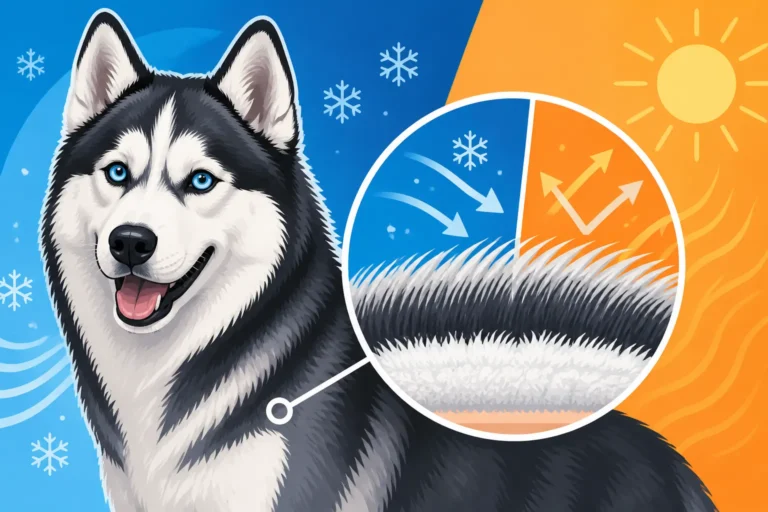
The secret to the Siberian Husky's incredible resilience lies in their magnificent double coat. This isn't just one type of hair; it's a sophisticated two-layer system, each with its own job. The outer layer consists of coarse, straight, protective "guard hairs." These hairs are water-resistant, act as a barrier against dirt, snow, and ice, and protect the delicate undercoat. They're what gives your Husky that sleek, wild look.
Beneath these guard hairs lies the "undercoat," a dense, soft, woolly layer that is incredibly effective at insulation. In winter, this undercoat is thick and provides exceptional warmth. In summer, a much lighter undercoat still offers protection from the sun's rays and helps keep them cool by creating an insulating layer of air. When a Husky "blows" its coat, it's primarily this undercoat that's being shed in massive quantities. The guard hairs shed too, but in much smaller, more consistent amounts throughout the year. Understanding this distinction helps appreciate why the coat blow is so different from regular shedding in other breeds. It’s not just a little hair; it's a whole lot of insulation being systematically replaced.
The Biological Imperative: Why Huskies Shed So Much
The extreme shedding is rooted deeply in the Siberian Husky's heritage. Bred by the Chukchi people in the harsh Arctic environments of Siberia, these dogs needed a coat that could withstand incredible temperature swings. Their coat is designed to be efficient: thick and warm for brutal winters, and then able to be completely thinned out for comparatively milder (but still demanding) summers. This means they are constantly adapting their insulation.
Without this dramatic shedding cycle, a Husky couldn't survive comfortably in varied climates, let alone perform the demanding work they were bred for. It's a testament to their breeding and natural selection. While it might be a headache for us owners with vacuum cleaners and lint rollers, for the Husky, it's a critical survival mechanism. It’s their way of staying comfortable, whether they're pulling a sled across icy tundra or lounging in your living room in a more temperate climate.
Typical Timing and Duration of the Shedding Cycle
You've probably heard that Huskies shed twice a year, and that's generally true for the most dramatic events. However, the timing can be a little flexible, and the duration isn't a single, neat period. It's a process, and like most things with Huskies, it happens on their schedule, not yours.
The Annual Rhythms: Spring and Fall Sheds
The two main coat blows typically occur in spring and fall. The spring blow is usually the most intense, as your Husky sheds its heavy winter undercoat to prepare for warmer weather. This can begin as early as late winter and extend well into spring. Think of it as spring cleaning, Husky style. It's a massive endeavor.
The fall blow is often slightly less dramatic, where they shed the lighter summer undercoat to grow in their dense winter protection. This usually kicks off in late summer or early fall. These seasonal changes in daylight hours and temperature are the primary triggers for these massive shedding events. If your Husky lives in a climate with less pronounced seasonal shifts, their body might still adhere to this ancient rhythm, or it might become a bit less defined and more drawn out throughout the year. Spring and Fall Sheds in a Siberian Husky delve deeper into this.
How Long the Major Sheds Truly Last
So, the big question: how long does a coat blow actually last? For a typical Siberian Husky, the most intense part of a major coat blow, where you're actively pulling out handfuls of fur, usually lasts about three to six weeks. Yes, weeks. Not days. It feels like an eternity when you're living in a fur tumbleweed factory, but this is the normal range.
During this period, daily, intensive grooming is absolutely essential. If you neglect it, you'll find the loose fur compacting against the skin, leading to matting and discomfort for your dog. While the peak intensity is usually contained within those 3-6 weeks, you'll likely notice increased shedding both leading up to and trailing off from the main event. So, think of it as a significant commitment for about a month and a half, twice a year. Some Huskies might surprise you and get it done quicker, while others seem to stretch it out just to test your patience. Siberian Husky Coat Blow and the Six Weeks It Lasts further explores this timeframe.
Off-Season Shedding: When Your Husky Defies the Calendar
While the spring and fall are the big events, it's important to understand that Siberian Huskies do shed some hair year-round. They're never truly "non-shedding" dogs. You'll always find a bit of guard hair and a minimal amount of undercoat floating around, especially if they spend a lot of time indoors in climate-controlled environments.
Sometimes, a Husky might experience a coat blow outside of the traditional spring/fall schedule. This can be triggered by hormonal changes, stress, or even environmental shifts. For example, a female Husky might have a mini-blow after a heat cycle or after weaning puppies. If your Husky is constantly blowing coat, or you notice patchy shedding, it’s always a good idea to consult your vet to rule out any underlying health issues, as unusual shedding patterns can sometimes be a symptom of a problem. But generally, expect a baseline level of shedding even when they aren't in full "blow" mode.
| Coat Blow Event | Typical Timing | Intensity | Duration (Peak) | Primary Goal |
|---|---|---|---|---|
| Spring Coat Blow | Late Winter/Early Spring | Very High | 4-6 Weeks | Shed heavy winter undercoat for summer |
| Fall Coat Blow | Late Summer/Early Fall | High (less than spring) | 3-5 Weeks | Shed summer undercoat for winter |
| Year-Round Shedding | Continuous, low-level | Low | Ongoing | Replace guard hairs, minimal undercoat |
| Hormonal Shedding | Post-heat, post-litter | Variable | Can be weeks | Physiological response |
Factors Influencing the Intensity and Length of a Coat Blow
The duration and intensity of your Siberian Husky's coat blow aren't always set in stone. Several factors can play a significant role, making one year's shed a relatively quick affair and the next a prolonged furry nightmare. Understanding these variables can help you anticipate and better prepare for what's coming.
Climate and Environment: Nature's Influence
Perhaps the most significant factor is the climate your Husky lives in. In areas with distinct, extreme seasons (like true winters and hot summers), Huskies tend to have very defined, dramatic, but relatively shorter coat blows. Their bodies receive clear signals to shed all the winter fur rapidly when spring hits, and then to shed the lighter summer coat when autumn's chill arrives.
However, if your Husky lives in a more moderate or consistently warm climate, or primarily indoors in air conditioning, their body's natural clock can get a bit confused. Without strong seasonal cues, the coat blow might become less concentrated and more spread out throughout the year, resulting in continuous, moderate shedding rather than two intense, short bursts. This can sometimes feel more frustrating because you never get a break from the fur! Moving a Siberian Husky to a warmer state might affect their shedding patterns, making the "blow" a longer, more drawn-out process.
Hormones, Health, and Spay/Neuter Effects
Hormonal balance plays a huge role in coat health and shedding cycles. Unspayed female Huskies, for example, will often blow their coat after each heat cycle or after weaning a litter of puppies, due to the dramatic shifts in their hormones. This can add extra, unpredictable shedding periods on top of the regular seasonal blows.
Similarly, spaying or neutering can sometimes affect a Husky's coat. While it doesn't stop shedding, some owners report changes in coat texture and even a tendency for the undercoat to become thicker or "woolier" over time, which can sometimes make future coat blows feel more challenging to manage. This isn't universally true for all Huskies, but it's a known phenomenon. Good health, proper nutrition, and a lack of stress also contribute to a healthier coat that sheds out efficiently when the time comes. Whether Spaying Changes a Siberian Husky's Shed Cycle is a good read if you're considering this.
Diet and Overall Wellness: Fueling a Healthy Coat
What goes into your Husky directly impacts the quality of their coat and, consequently, how easily it sheds out. A high-quality diet rich in essential fatty acids (like Omega-3 and Omega-6) can significantly contribute to a healthy skin and coat. A well-nourished coat will shed more efficiently, meaning the dead hair is easier to remove and the coat blow might feel less arduous.
Conversely, a poor diet lacking in vital nutrients can lead to a dull, brittle coat, excessive shedding, and even skin issues, potentially prolonging or complicating the coat blow process. Think of it this way: a healthy tree sheds its leaves cleanly. A struggling tree might hold onto dead leaves or shed them unevenly. The same principle applies here. Ensure your Husky is getting a balanced, nutrient-dense food. You can find excellent options on sites like Chewy, with various formulations specifically designed for active breeds or those with sensitive skin, often rich in those beneficial omegas. Brands like Ollie also focus on fresh, high-quality ingredients that can support overall coat health.
Surviving the Snowy Indoors: Managing the Coat Blow
When your Siberian Husky is in full coat blow, it can feel like an uphill battle against an endless tide of fur. But with the right tools, techniques, and a hefty dose of patience, you can manage the mess and keep your Husky comfortable. This is where active intervention becomes your best friend.
Essential Grooming Tools for the Task
You simply cannot go into a Siberian Husky coat blow armed with just a flimsy slicker brush. You need heavy-duty equipment. Your arsenal should include:
- Undercoat Rake: This is your primary weapon. It has long, blunt teeth designed to reach deep into the undercoat and pull out loose, dead fur without damaging the guard hairs. Use one that feels comfortable in your hand, as you'll be using it a lot.
- Pin Brush: Great for general brushing, detangling, and finishing touches. It helps lift the guard hairs so the undercoat rake can get in better.
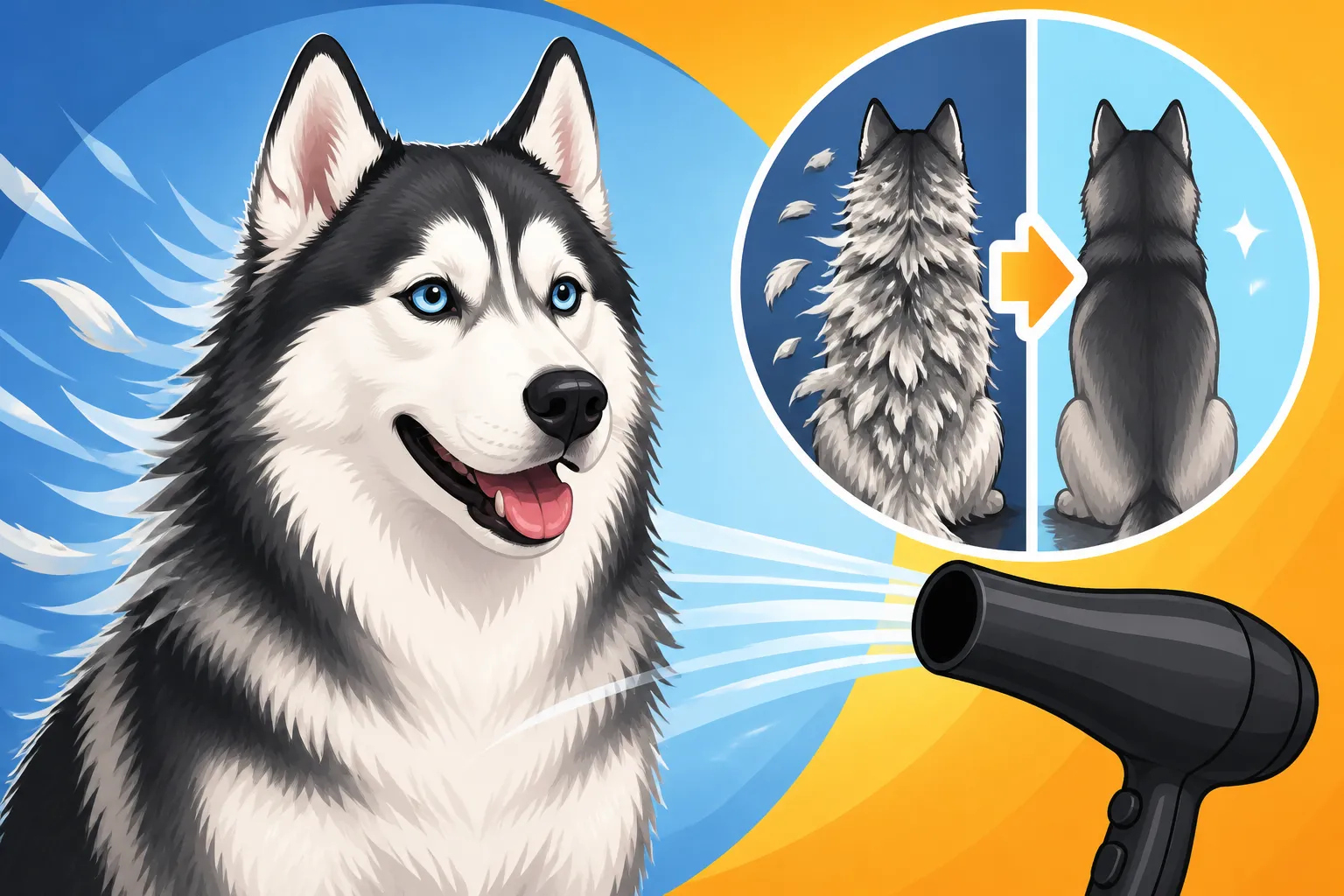
- High-Velocity Dryer: This is a game-changer. After a bath (which should be rare, but effective during a blow), a high-velocity dryer literally blows the loose undercoat out of the dog. It's incredibly efficient and reduces drying time significantly. You can often find professional-grade dryers on Amazon.
- Deshedding Shampoo and Conditioner: While not a magic bullet, these can help loosen the undercoat during a bath, making it easier to brush out afterwards.
- Good Vacuum Cleaner: This goes without saying. Look for one designed for pet hair, ideally with strong suction and good filtration to capture all that airborne fluff.
Investing in these tools isn't a luxury; it's a necessity for any Husky owner during a coat blow. They will save your sanity and keep your house a little tidier. For more on specific tools, check out Undercoat Rakes and Slickers for a Siberian Husky.
The Art of Brushing: Technique and Frequency
During a coat blow, brushing isn't just a quick once-over; it's an intensive daily ritual. Aim for at least 30-60 minutes a day during the peak of the blow. The goal is to remove as much dead undercoat as possible, preventing mats and keeping the shedding contained (relatively speaking, of course).
The technique is key:
- Sectioning: Start by dividing your Husky's coat into sections, much like styling human hair.
- Line Brushing: Using your undercoat rake, brush with the grain of the fur, starting from the skin and working outwards. Don't just skim the top; you need to get deep. Lift the guard hairs with your free hand to expose the undercoat.
- Gentle but Firm: Be thorough but gentle. You should be removing dead fur, not pulling live hair or irritating the skin. If you encounter a mat, work it out carefully with your fingers or the rake, rather than yanking.
- Work Systematically: Don't skip areas. Pay special attention to the "pants" (fur on the back of the thighs), tail, and behind the ears, as these areas tend to mat easily.
You will be astounded by the sheer volume of fur you remove daily. Filling a grocery bag with fur from one brushing session is not uncommon. Consistent Daily Raking Through a Siberian Husky Blow will make a huge difference.
Professional Grooming and Bathing Strategies
While many Husky owners brave the blow at home, professional groomers can be invaluable during these times. They have industrial-strength dryers, specialized tools, and the experience to efficiently de-shed a Husky. A professional "de-shedding" service involves a deep bath with de-shedding shampoo, followed by a powerful high-velocity blow-out that literally blasts the loose undercoat off the dog. This can remove an incredible amount of fur in one session, significantly shortening the active blowing period at home.
Bathing your Husky at home during a coat blow should be done sparingly, perhaps once at the peak of the shed. Excessive bathing can strip natural oils from their coat, which are vital for its health and protective qualities. When you do bathe, ensure you rinse thoroughly and, if possible, use a high-velocity dryer to dry them completely to the skin. Leaving the undercoat damp can lead to skin issues and matting. Blowing Out a Siberian Husky Coat at Home and Force Drying a Siberian Husky After a Bath offer more insights.
Life Beyond the Blow: Long-Term Coat Care and Common Misconceptions
Once the worst of the coat blow is over, you might feel like celebrating! But maintaining that magnificent coat is an ongoing commitment, and there are some common pitfalls and misconceptions to be aware of, especially regarding extreme measures.
The Dangers of Shaving a Siberian Husky
This is perhaps the most critical point for new Siberian Husky owners: never, ever shave your Husky. It might seem like a logical solution to the heat or the shedding, but it is incredibly detrimental to their health and coat. Why a Shaved Siberian Husky Coat Grows Back Wrong is a must-read for any owner.
Here's why shaving is so harmful:
- Destroys Insulation: The double coat works as an insulator against both cold and heat. It creates an air pocket that keeps them warm in winter and cool in summer. Shaving removes this natural cooling system, making them more susceptible to overheating and sunburn.
- Permanent Coat Damage: The undercoat and guard hairs grow back at different rates. Often, the soft undercoat grows back faster and thicker, while the guard hairs may not grow back properly or at all. This can lead to a "woolly" coat that mats easily, no longer repels water, and loses its natural ability to regulate temperature. It's often a permanent change.
- Increased Skin Issues: Without the protective guard hairs, their skin is exposed to the elements, increasing the risk of sunburn, insect bites, and skin irritation.
Instead of shaving, focus on proper grooming, providing plenty of shade and water, and timing outdoor activities during cooler parts of the day. Why a Shaved Siberian Husky Overheats explains the physiology behind this.
Maintaining Coat Health Year-Round
Even outside of the major coat blows, regular maintenance is important for your Siberian Husky's coat health. Weekly brushing with a pin brush or a deshedding tool can help remove loose hairs and prevent minor matting. This also distributes natural oils, keeping the coat healthy and shiny. A healthy coat is less prone to excessive shedding at odd times and will make the seasonal blows easier to manage when they do arrive.
Beyond brushing, ensure your Husky has a balanced diet as discussed earlier. Good nutrition is the foundation of a healthy coat. Regular exercise also promotes good circulation and overall health, which indirectly benefits the skin and fur. Pay attention to any changes in coat texture, excessive dryness, or irritation, as these can be indicators of underlying health concerns that warrant a vet visit.
Dispelling Myths About Hypoallergenic Huskies and Excessive Odor
Let's be clear: there is no such thing as a "hypoallergenic" Siberian Husky. While some individual dogs might produce less dander, their double coat and consistent shedding mean they will always be a challenge for allergy sufferers. If you have severe pet allergies, a Husky is probably not the right choice, regardless of what some well-meaning (but misinformed) individuals might claim.
Another common misconception is that Huskies are smelly dogs. In reality, Huskies are remarkably clean animals. They groom themselves much like cats, and their double coat naturally repels dirt and odors. A healthy Husky with a well-maintained coat should have very little "doggy" odor, especially compared to many other breeds. If your Husky does smell bad, it's usually a sign of an underlying issue, such as a skin infection, ear infection, dental problems, or simply a very dirty, neglected coat that needs a good brushing and possibly a bath. Regular brushing helps remove dirt and dead hair that could trap odors, and ensures their natural cleanliness can shine through.
Disclaimer
This article is for general informational purposes only and does not constitute professional advice. Laws, prices and regulations vary by location and change over time. Consult a qualified professional for guidance on your specific situation.