How Much Undercoat Comes Off a Siberian Husky
If you've ever owned a Siberian Husky, you know that the term "shedding" doesn't quite capture the reality of what happens when their undercoat decides to migrate. It's not just hair; it's an avalanche, a blizzard, a seemingly endless supply of fluffy white clouds that appear out of nowhere. This guide is here to shed some light on exactly how much undercoat you can expect from your Siberian Husky and, more importantly, how to navigate this glorious, albeit challenging, aspect of Husky ownership.
Understanding the Siberian Husky's Double Coat
Before we dive into the sheer volume of hair, it's crucial to understand why Huskies shed so much. It all comes down to their remarkable double coat, a marvel of nature perfectly engineered for survival in harsh, freezing climates. This isn't just a fashion statement; it's their built-in climate control system, their armor against the elements.
The Purpose of the Double Coat
A Siberian Husky's coat is comprised of two distinct layers, each with a vital job to do. First, you have the outer layer, known as the guard hairs. These are longer, coarser, and slightly stiffer hairs that act as a protective barrier. They repel water, snow, and dirt, forming a shield that keeps the elements from reaching the skin. Think of them as the roof shingles on a house – tough, durable, and designed to keep everything underneath dry and protected. These guard hairs also give the Husky its characteristic smooth, sleek appearance.
Beneath this protective outer layer lies the true hero of cold weather, the undercoat. This layer consists of dense, soft, fluffy hair that grows much shorter than the guard hairs. Its primary function is insulation. The undercoat traps air close to the Husky's body, creating a thermal barrier that keeps them incredibly warm in sub-zero temperatures. It's like having a built-in down jacket that never gets wet and always fits perfectly. This undercoat is what allows a Siberian Husky to thrive in conditions that would send most other breeds shivering. Conversely, in warmer weather, this same undercoat helps to insulate against heat, preventing the sun's rays from penetrating directly to the skin, though it does require proper ventilation and care.
The Science Behind the Shed Cycle
Dogs, like many mammals, go through a natural hair growth cycle that involves different phases: anagen (growth), catagen (transition), and telogen (resting/shedding). For a double-coated breed like the Siberian Husky, this cycle is heavily influenced by environmental factors, primarily changes in daylight hours and temperature.
Most Siberian Huskies experience what's known as a "coat blow" twice a year, typically in spring and fall. The spring blow is usually the most dramatic, as they shed their thick winter undercoat to prepare for warmer temperatures. This is when you'll truly understand the meaning of "hair everywhere." As the days get longer and the weather warms up, the Husky's body signals that it's time to lighten the load. The telogen phase kicks into high gear, and that dense undercoat starts to detach. The fall coat blow is usually less intense but still significant, as they shed their lighter summer coat to make way for the denser, warmer winter insulation. For Huskies that live mostly indoors or in climates with less distinct seasonal changes, the shedding can be a more continuous, though still substantial, process throughout the year, rather than two distinct "blows." However, even indoor dogs will still experience periods of heavier shedding.
Quantifying the Coat Blow Avalanche
So, how much undercoat actually comes off a Siberian Husky? The simple answer is: a staggering amount. It's often more than new owners anticipate, and even seasoned Husky veterans are regularly surprised by the sheer volume.
The Sheer Volume of Undercoat
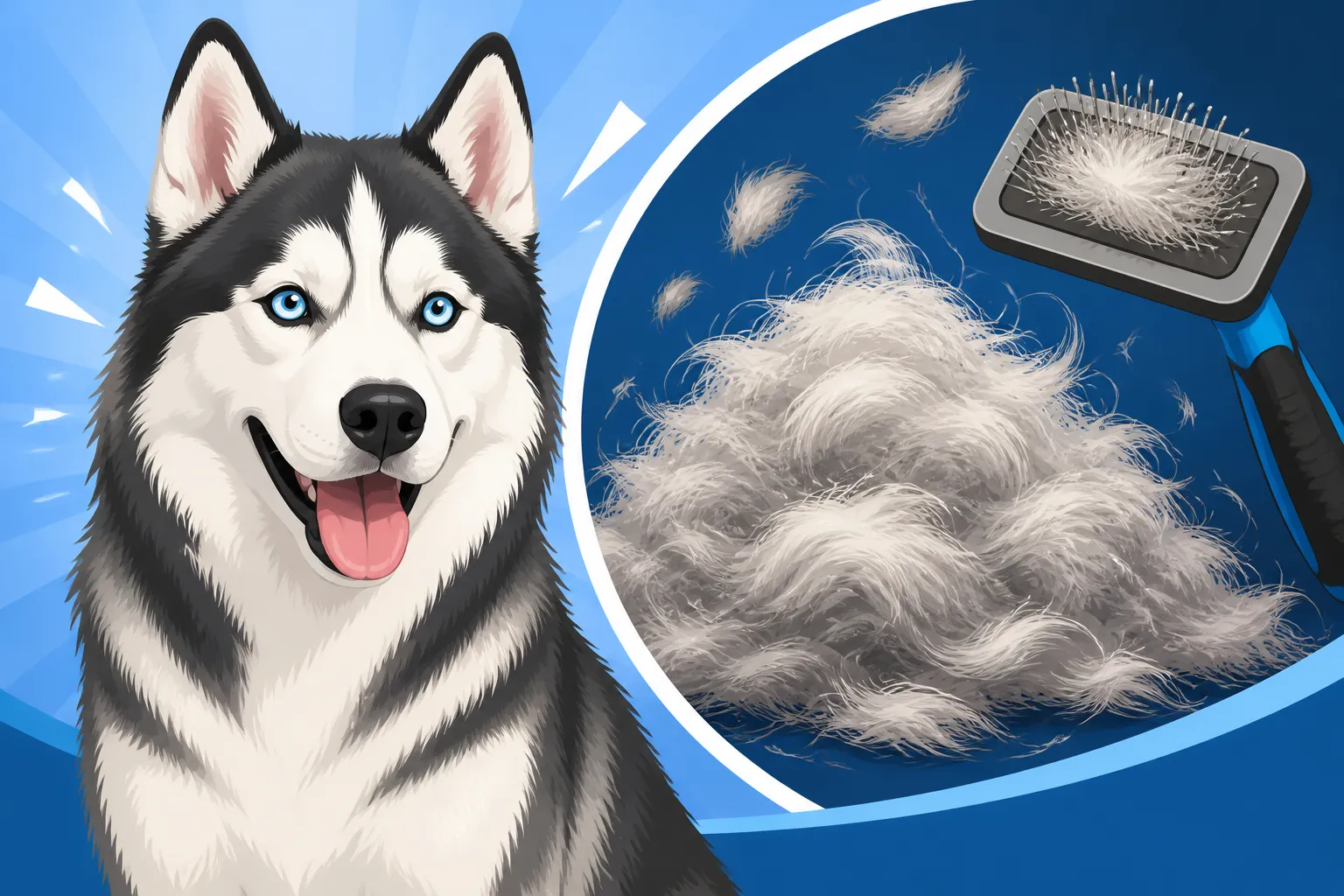
Imagine sweeping your floors and finding enough hair to create a small, fluffy cloud in every corner of your room, every single day, for weeks on end. That's a Siberian Husky coat blow. It's not just stray hairs; it's entire clumps of soft, woolly undercoat that detach from their skin, seemingly all at once. People often joke that they could "make another Husky" from the amount of hair they collect, and honestly, it doesn't feel like much of an exaggeration. Many owners report filling multiple grocery bags or even large trash bags with undercoat during a single serious grooming session, especially at the peak of the spring shed.
During this period, which can last anywhere from How Long a Siberian Husky Coat Blow Runs (often four to six weeks, sometimes longer!), you will see little tufts of hair floating across your floors, sticking to your furniture, and weaving themselves into your clothes. It’s an undeniable part of Living With Siberian Husky Undercoat in the House. If you gently pull at your Husky's coat during a blow, you'll find handfuls of soft fluff coming away easily. This isn't just cosmetic; it's essential to remove this dead undercoat to prevent matting and allow the skin to breathe, which helps with temperature regulation.
Factors Influencing Shedding Volume
While all Siberian Huskies shed a lot, the exact volume can vary based on several factors:
- Genetics: Some Husky lines simply have denser, more profuse undercoats than others. It's like how some people have thicker hair than others; it's just how they're built. A Husky bred for show, for instance, might have a more lavish coat than one from a leaner, working line, though both will shed prodigiously.
- Climate: A Husky living in a region with extreme seasonal changes, like a frigid winter and a warm summer, will often experience more distinct and dramatic coat blows. Their body needs to make a more significant adjustment to their insulation. In contrast, a Husky in a more temperate climate or one that spends most of its time indoors with climate control might shed more consistently throughout the year, but still in considerable amounts. They aren't getting the strong environmental signals to shed all at once, so it's a more gradual but constant release of hair.
- Spay/Neuter Status: Believe it or not, hormones can play a role in coat changes. Some owners observe a difference in shedding patterns or coat texture after their Husky is spayed or neutered. While it doesn't stop the shedding, some owners report changes in the timing or the overall density. You can read more about this in Whether Spaying Changes a Siberian Husky's Shed Cycle.
- Nutrition and Health: A healthy coat starts from within. A diet lacking essential nutrients, particularly omega fatty acids, can lead to a duller coat and potentially more brittle hair that sheds out more easily or unevenly. Similarly, underlying health issues can sometimes manifest as changes in coat quality or excessive shedding beyond the normal seasonal blow. Always ensure your Husky is on a high-quality, balanced diet to support optimal skin and coat health.
Managing the Undercoat Deluge
Okay, so we've established that the undercoat volume is significant. Now, let's talk about how to manage it so you don't end up living in a snowdrift of Husky fluff. It requires dedication, the right tools, and a consistent routine.
Essential Grooming Tools for the Task
Trying to tackle a Husky coat blow with just a regular brush is like trying to empty a swimming pool with a teacup – it's a losing battle. You need specialized tools designed for dense undercoats.
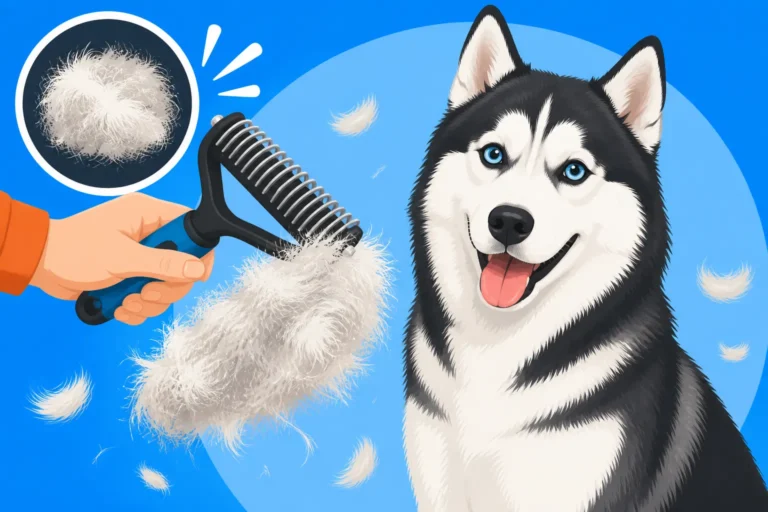
- Undercoat Rakes: These are your absolute best friend during a coat blow. Tools like a deshedding rake or a Mars Coat King style rake (often found on Chewy or Amazon) are designed with long, strong teeth that reach down through the guard hairs and pull out the loose undercoat without damaging the topcoat. They are incredibly effective at removing the bulk of the shedding hair quickly. Using one regularly, especially during a coat blow, will dramatically reduce the amount of hair that ends up on your floors.
- Slicker Brushes: While not as good for deep undercoat removal, slicker brushes are excellent for smoothing the topcoat and removing any remaining loose hair or surface mats. They help to give that polished finish after you've raked out the undercoat.
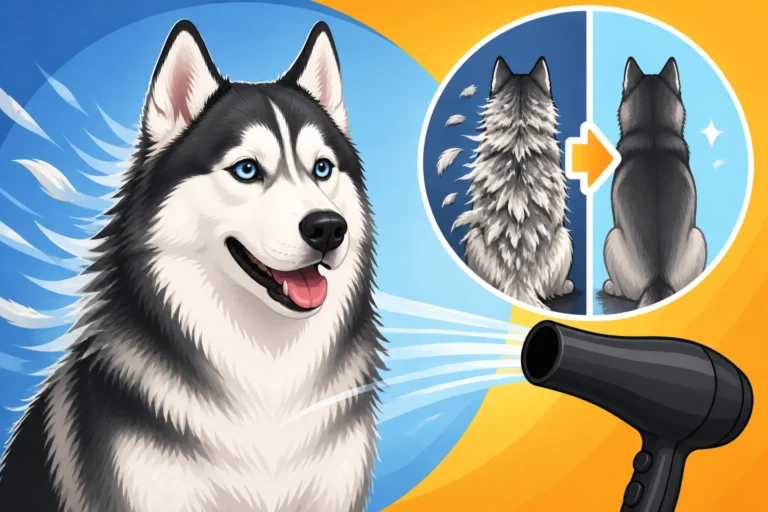
- High-Velocity Dryers: If you're serious about managing Husky shedding, investing in a high-velocity dog dryer is a game-changer. These powerful dryers literally blow the loose undercoat out of the coat with sheer force, without using heat that could damage their skin. After a bath, blowing out your Husky with one of these (again, good options can be found on Amazon) will release an astonishing amount of hair, helping to accelerate the shedding process and keep your home cleaner. It's an investment, but many Husky owners swear by them.
- Deshedding Shampoos and Conditioners: While they won't magically stop shedding, specific deshedding shampoos and conditioners (you can find various options on Chewy) can help loosen the dead undercoat, making it easier to remove during brushing and bathing. Look for products designed to strengthen the hair follicles and promote healthy skin.
Establishing a Grooming Routine During Coat Blows
Consistency is key when a Husky is blowing its coat. You can't just brush once and be done; it's an ongoing process for several weeks.
During a full Siberian Husky Coat Blow and the Six Weeks It Lasts, you should be prepared for Daily Raking Through a Siberian Husky Blow. This means setting aside 15-30 minutes each day, or at least every other day, to work through their coat with an undercoat rake. Focus on areas where the undercoat is thickest, like the back, sides, and hindquarters. Be gentle, especially around the sensitive areas like the belly and armpits. The goal is to remove as much dead hair as possible before it falls out naturally in your home.
Bathing can also be a powerful tool, but it needs to be done correctly. A warm bath can help loosen the dead undercoat, but the most important part is the drying. You must dry a Siberian Husky thoroughly, down to the skin, to prevent skin issues and matting. This is where a high-velocity dryer really shines. If you don't have one, a professional groomer can offer "deshedding" services, which typically include a bath with specialized shampoos and a powerful force-drying session that will blast out an incredible amount of undercoat. Don't underestimate the mess this will make, even if you are using a Deshedding Shampoo for a Siberian Husky.
For everyday maintenance in your home, good vacuums are a must. Many Husky owners opt for models specifically designed for pet hair, often available on Amazon, because they handle the fine, pervasive undercoat better. Check out Vacuums That Handle Siberian Husky Undercoat for more insights on this. Lint rollers will become your constant companions, and you might even consider specific fabrics for furniture or car seats that are easier to de-hair.
The "Never Shave" Rule and Why It Matters
This is perhaps the most critical piece of advice for any Siberian Husky owner: never shave your Siberian Husky. It might seem counterintuitive, especially in summer, to leave them with such a thick coat, but shaving a double-coated breed like a Husky does far more harm than good.
Their double coat is their natural protection system. The guard hairs reflect sunlight and provide insulation against heat, while the undercoat (when properly maintained and brushed out) allows for air circulation close to the skin. When you shave off this protective layer, you expose their delicate skin to the sun, putting them at high risk for sunburn and even skin cancer. More importantly, you destroy their natural thermoregulation system. A shaved Husky can actually overheat more easily than one with a full, healthy coat, because they can no longer regulate their body temperature effectively. You can learn more about this in Why a Shaved Siberian Husky Overheats.
Furthermore, when a Husky's coat is shaved, it often grows back incorrectly. The undercoat may grow back thicker and faster than the guard hairs, leading to a woolly, uneven texture that is prone to matting and even harder to manage. This can permanently alter the What the Siberian Husky Double Coat Actually Does and its ability to protect your dog. Instead of shaving, focus on consistent, thorough brushing and providing plenty of shade and water to Keeping a Siberian Husky Cool Through Summer.
Long-Term Coat Health and Maintenance
Managing the undercoat isn't just about surviving the seasonal blowouts; it's about maintaining your Husky's overall health and well-being year-round. A healthy coat is a sign of a healthy dog.
Diet's Role in a Healthy Coat
What goes into your Husky's bowl directly impacts the quality of their coat. A high-quality diet rich in essential nutrients is fundamental for skin and coat health. Look for dog foods that list high-quality animal protein as the first ingredient. Beyond protein, specific nutrients play a crucial role.
Omega-3 and omega-6 fatty acids are particularly important. These healthy fats help maintain skin hydration, reduce inflammation, and promote a shiny, healthy coat. Many premium dog foods, like those offered by Ollie or other reputable brands on Chewy, incorporate these fatty acids, often derived from fish oils (salmon oil is a common source). You might also consider adding a daily fish oil supplement, particularly if your Husky's coat seems dull or if they have dry skin. Always consult your vet before adding any supplements to ensure proper dosage. A well-nourished Husky will have a healthier coat that sheds out more predictably and cleanly, rather than being brittle or prone to excessive breakage.
Preventing Matting and Skin Issues
Even outside of a full coat blow, regular grooming is important to prevent mats and ensure your Husky's skin can breathe. While Siberian Huskies are generally clean dogs and don't typically matt as easily as some longer-coated breeds, mats can still form, especially behind the ears, in the armpits, and around the ruff where friction is common.
Routine brushing, even a quick once-over every few days with an Undercoat Rakes and Slickers for a Siberian Husky, can help catch small tangles before they become big problems. Mats can be painful, pulling on the skin, and can also trap moisture, leading to skin irritation, infections, or even hot spots. If you notice your Husky scratching excessively or any redness, it's worth checking their skin carefully beneath the dense fur. Prompt attention can prevent minor issues from escalating. For instance, sometimes a wet undercoat can contribute to these issues, as detailed in Whether a Wet Siberian Husky Undercoat Causes Hot Spots.
Seasonal Adjustments and Environmental Considerations
While your Husky's coat is a fantastic adaptation, you still need to be mindful of environmental conditions and make adjustments as needed.
In summer, even with a healthy, un-shaved coat, Huskies need help staying cool. This means providing ample shade, fresh water, and avoiding strenuous exercise during the hottest parts of the day. Early morning and late evening walks are best. Cooling mats, kiddie pools, and even simply allowing them to dig a cool spot in the dirt (a classic Husky behavior!) can all help. While they are built for cold, Heat Stroke Risk in a Siberian Husky is still very real in warm climates.
In winter, the focus shifts slightly. While their coat provides incredible insulation, extreme conditions still require common sense. If your Husky spends time outdoors, ensure they have a draft-free, insulated shelter. While they typically love snow and cold, prolonged exposure to sub-zero temperatures without a place to warm up can still be dangerous. Siberian Husky Cold Weather Care and Its Limits explores this in more detail. Paw care is also important, as snow, ice, and road salts can irritate or injure their paw pads.
Husky Undercoat Grooming Tools Comparison
Here's a quick comparison of essential tools to help you choose the right arsenal for your Husky's coat:
| Tool Category | Best Use Case | Pros | Cons |
|---|---|---|---|
| Undercoat Rake | Removing massive amounts of loose undercoat | Reaches deep, very effective, minimizes shedding dramatically | Can pull guard hairs if not used gently, requires technique |
| Slicker Brush | Smoothing topcoat, removing surface mats, finishing | Good for general tidiness, gentle on guard hairs | Ineffective for deep undercoat removal, bristles can bend |
| High-Velocity Dryer | Blasting out loose undercoat after bathing, drying | Highly effective for deep deshedding, speeds up drying | Noisy, initial cost, needs dedicated space, creates hair storm |
| Pin Brush | General brushing, untangling guard hairs | Gentle for daily use, good for light tangles | Does not penetrate undercoat well, limited deshedding capability |
| Deshedding Blade | Removing dead topcoat, not true undercoat removal | Good for light, flaky shedding on topcoat | Can cut healthy hair, not ideal for Husky's dense undercoat |
Taking on a Siberian Husky means accepting the reality of their incredible coat and the immense amount of hair that comes with it. But with the right tools, a consistent routine, and a bit of patience, you can manage the undercoat deluge and ensure your majestic companion remains comfortable, healthy, and looking their best. Remember, it's a small price to pay for such a magnificent dog!
Disclaimer
This article is for general informational purposes only and does not constitute professional advice. Laws, prices and regulations vary by location and change over time. Consult a qualified professional for guidance on your specific situation.