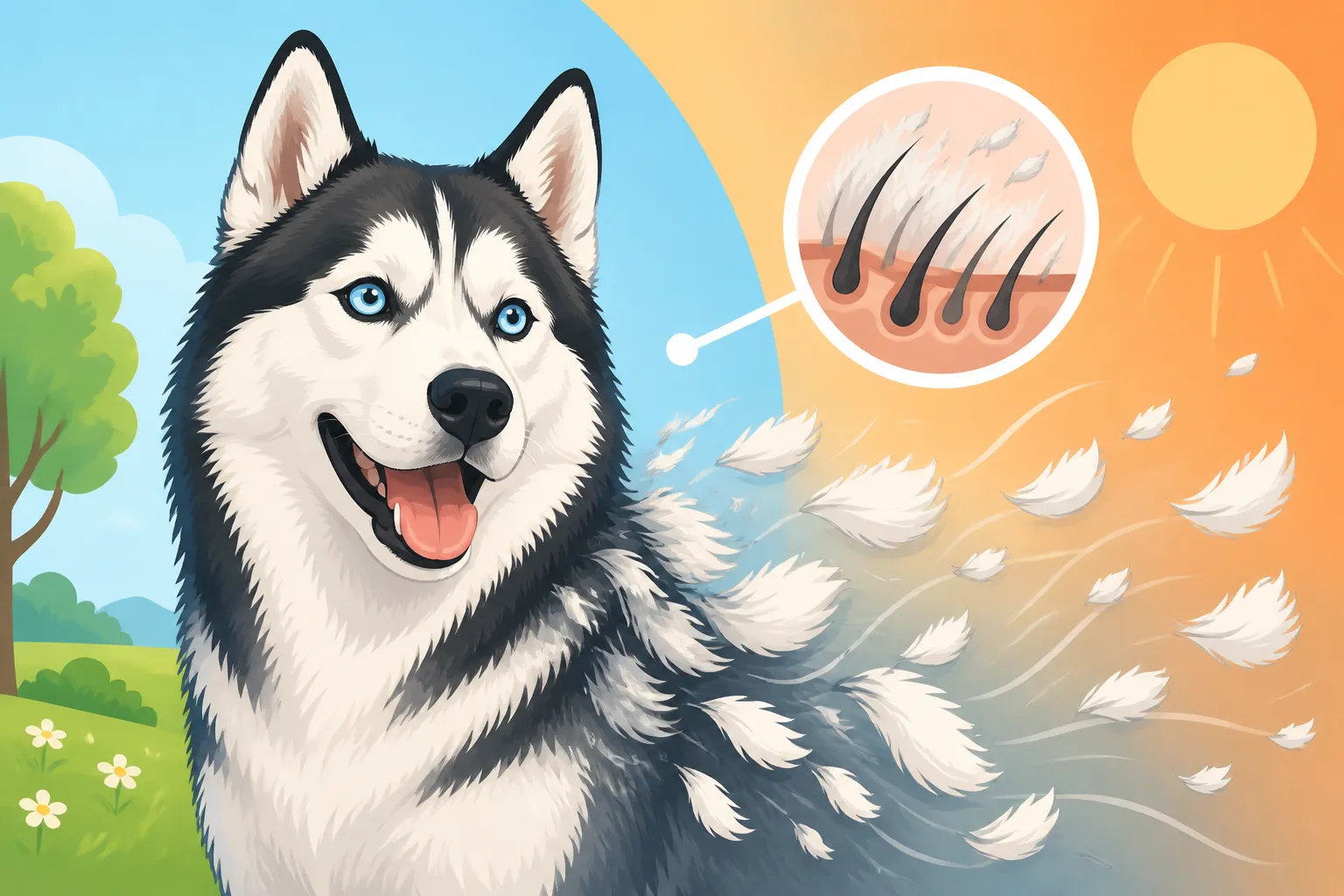
Why a Siberian Husky Blows Coat Off-Season
You've probably just looked down at your floor, or pulled a handful of fluff from your couch, and thought, "Wait, it's not spring, and it's definitely not fall! Why is my Siberian Husky blowing coat again?" It's a common and frankly, bewildering experience for many Husky owners. That iconic double coat is usually so predictable, but when the fur starts flying out of sync, it can leave you wondering what on earth is going on. This guide will walk you through the surprising reasons why your Husky might be shedding outside of their typical "blow" seasons and what you can do about it.
Understanding the Siberian Husky's Natural Shedding Cycle
First, let's talk about what's "normal" for a Siberian Husky. These incredible dogs evolved in a harsh, seasonal environment, and their coats are perfectly designed for it. They have a dense, soft undercoat for insulation and a protective outer layer of guard hairs. This double coat needs to be adjusted for the changing seasons, which is why we see those spectacular "coat blows."
Typically, a Siberian Husky will experience two major coat blows a year: one in the spring to shed the heavy winter undercoat in preparation for warmer weather, and another in the fall to get rid of the lighter summer coat and grow in a new, thicker winter one. Each of these events can last anywhere from a few weeks to six weeks, turning your home into a furry wonderland. During these times, it feels like you could knit an entirely new Husky with the amount of hair coming off. It's truly a sight to behold, and a constant battle with your vacuum cleaner. The sheer volume of fur is legendary, and if you haven't lived through a Siberian Husky Coat Blow and the Six Weeks It Lasts, you might underestimate it.
The Role of Light Cycles and Temperature
The primary drivers of a Husky's natural shedding cycle are photoperiod (the length of daylight) and temperature. As the days lengthen in spring, their bodies signal it's time to shed that heavy insulation. As days shorten in the fall, they start preparing for winter. It's an ancient, deeply ingrained biological rhythm. In their ancestral lands, with distinct seasons and natural light exposure, this system works like clockwork.
However, our modern homes don't always mimic the stark seasonal changes of the Siberian tundra. We live in climate-controlled environments with artificial lighting that extends "daylight" well into the evening. This constant, moderate temperature and altered light exposure can confuse a Husky's internal clock. Instead of sharp, dramatic shifts, their bodies receive mixed signals, leading to a more drawn-out, less defined shedding pattern. What was once a clear two-season event can become a continuous, albeit lighter, shedding affair, punctuated by more intense mini-blows throughout the year.
Beyond the Big Blows: Constant Turnover
While the spring and fall are the most dramatic, it's important to remember that dogs, like humans, are constantly shedding some hair. Individual hairs have a lifespan, fall out, and are replaced. This happens year-round, even if it's barely noticeable outside of those "blow" periods. When your Husky is blowing coat off-season, it's usually an exaggeration of this constant turnover, or a slightly less intense version of a full coat blow, triggered by other factors disrupting the natural rhythm. It can feel like the "off" switch for shedding is simply broken, and your home is perpetually coated in a fine layer of Husky glitter.
Environmental and Lifestyle Triggers for Off-Season Shedding
Living with a Siberian Husky means embracing the fur, but off-season shedding can really test your patience. Often, the culprit isn't a complex medical issue but rather subtle shifts in their environment and daily routine.
Indoor Living and Artificial Climates
One of the biggest reasons Huskies shed outside the traditional spring and fall windows is simply because they live indoors with us. Our homes are havens from extreme weather. We turn on the air conditioning when it's hot and crank up the heat when it's cold. This creates a remarkably stable environment, but it also blurs the lines for your Husky's ancient internal thermostat.
When their bodies don't experience the pronounced temperature fluctuations and natural light cycles that traditionally trigger a full coat blow, they might shed their undercoat in smaller, more frequent cycles. Imagine their system trying to keep up: "Is it winter? Is it spring? Better just shed a little bit all the time, just in case!" This can feel like a never-ending Living With Siberian Husky Undercoat in the House situation, even in the middle of summer or winter. If you're wondering how long this can go on, the truth is, without those distinct environmental cues, it can be a persistent challenge.
Stress, Anxiety, and Routine Changes
Our dogs are highly sensitive creatures, and stress or anxiety can manifest physically, including through excessive shedding. Think about how much hair a dog might "blow" at the vet's office, even if it's not shedding season. That's a classic example of stress-induced shedding.
Changes in routine, a new pet, moving to a new house, or even separation anxiety can all contribute to off-season coat loss. If your Husky suddenly starts shedding more than usual, take a moment to consider if there have been any significant changes in their life, even seemingly minor ones. They might be silently signaling their discomfort through their coat. A dog that is constantly anxious, even at a low level, might keep its stress hormones elevated, which can impact hair follicles and lead to shedding.
Nutritional Deficiencies and Diet Shifts
A healthy coat relies heavily on good nutrition. If your Husky isn't getting all the nutrients they need, or if their diet has recently changed, it can impact their skin and coat health, leading to increased shedding. Protein, essential fatty acids (like Omega-3 and Omega-6), and certain vitamins and minerals (like zinc) are crucial for a healthy coat.
While most commercial dog foods aim to be nutritionally complete, sometimes individual dogs have different needs. A sudden switch in food, even to a high-quality one, can sometimes temporarily disrupt their system. For Huskies specifically, Zinc-Responsive Dermatosis in the Siberian Husky is a known issue where poor zinc absorption can lead to skin problems and poor coat quality, which in turn causes shedding. Ensuring your dog's food, whether from a brand like Ollie that focuses on fresh nutrition or a trusted kibble, is well-balanced and suits them is paramount. Many owners find value in adding a fish oil supplement to their Husky's diet, often easily found through retailers like Amazon or Chewy, to boost those essential fatty acids.
Health and Hormonal Causes
While environmental factors are often the first place to look, sometimes off-season shedding points to an underlying health concern. It's always wise to consult your veterinarian if you notice a significant or prolonged change in your Husky's shedding pattern, especially if it's accompanied by other symptoms.
Hormonal Imbalances
Hormones play a huge role in hair growth and shedding cycles. An imbalance can easily throw things off.
- Thyroid Issues: Hypothyroidism, where the thyroid gland doesn't produce enough hormones, is a common culprit for coat problems in dogs, including dullness, thinning, and excessive shedding, sometimes even out of season. It's often accompanied by other symptoms like weight gain, lethargy, and a reluctance to exercise. If you suspect this, your vet will likely recommend a blood panel to check thyroid levels. Siberian Husky Thyroid and Autoimmune Disease can explain more about this specific concern.
- Reproductive Hormones: For intact (unspayed or unneutered) Huskies, reproductive cycles can also affect their coat. Females might shed more intensely around their heat cycles or after a false pregnancy. Spaying a Siberian Husky Before the First Season and Neutering a Siberian Husky and the Coat Question both touch on how these procedures can impact a Husky's coat, sometimes leading to changes in texture or shedding patterns. The alteration of hormone levels can definitely shift what's "normal" for their coat.
Skin Conditions and Allergies
Any irritation to the skin can cause localized or generalized shedding as the skin tries to heal or react to the irritant.
- Allergies: Environmental allergies (like pollen, dust mites) or food allergies can lead to itchy skin, scratching, and secondary infections, all of which result in hair loss and increased shedding. You might notice your Husky licking, chewing, or scratching more, especially around their paws, belly, or ears.
- Parasites: Fleas, mites, and other external parasites can cause intense itching, leading to your Husky scratching and biting at their coat, dislodging hair. Even if you don't see the parasites, their presence can trigger skin irritation and shedding. Regular parasite prevention is crucial.
- Infections: Bacterial or fungal skin infections (like ringworm) can cause patchy hair loss and increased shedding. These often require veterinary diagnosis and specific treatment.
- Other Dermatological Issues: Beyond specific allergies or parasites, other skin conditions, sometimes breed-specific, can affect the coat. For example, some Huskies might have Follicular Dysplasia in a Young Siberian Husky, a condition where hair follicles don't develop properly, leading to patchy hair loss or a wooly coat that sheds differently.
Illness and Medications
Any systemic illness that puts a strain on your Husky's body can impact their coat. When a dog is fighting off an infection, dealing with an internal organ issue, or recovering from surgery, their body prioritizes vital functions over hair growth, which can lead to shedding. Similarly, certain medications, particularly long-term use of steroids, can sometimes cause changes in coat quality and increased shedding. If your Husky has recently started a new medication and you notice changes in their coat, discuss it with your vet.
Managing Off-Season Shedding
While off-season shedding can be frustrating, there are practical steps you can take to manage the fur and support your Husky's coat health.
Regular Grooming and De-Shedding
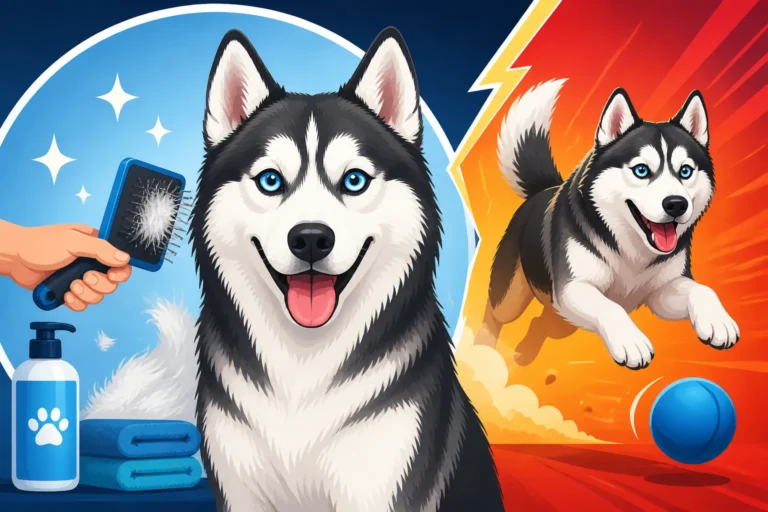
The most direct line of defense against excessive fur in your home is consistent grooming. During any shedding period, whether on-season or off-season, daily grooming is ideal.
- Raking Out Undercoat: Invest in a good undercoat rake. These tools are designed to reach through the guard hairs and gently pull out loose undercoat without damaging the healthy hair. During a coat blow, you'll be amazed at the mountains of fur you can remove. Even when it's "off-season," a weekly session can help keep things under control. For a comprehensive guide on specific tools, consider checking out Undercoat Rakes and Blowers for a Siberian Husky.
- High-Velocity Dryer: If you have access to one, a high-velocity dog dryer is a game-changer. These aren't just for drying; they literally blast loose undercoat out of the dense double coat. This can be done outdoors (or in a garage) and can remove an incredible amount of fur quickly, preventing it from ending up all over your house. Many owners find these invaluable, and you can often find suitable options on sites like Amazon or Chewy.
- Professional Grooming: Sometimes, the sheer volume of fur is overwhelming, or you just don't have the right tools. Professional groomers, especially those familiar with double-coated breeds, can perform a full de-shedding treatment. They have powerful dryers and specialized tools that can significantly reduce shedding, often more effectively than you can do at home. This is often an excellent investment, particularly if you're struggling with a persistent off-season blow. If you're considering this, the article Professional De-Shedding for a Siberian Husky offers more insight.
Environmental Adjustments
Small tweaks to your Husky's environment can sometimes help regulate their coat.
- Natural Light Exposure: While you can't always change your interior lighting entirely, try to give your Husky more exposure to natural light during the day. This could mean leaving curtains open, or ensuring they spend time outdoors (in a secure yard, of course) during daylight hours, even if just for lounging.
- Consistent Temperatures (But Not Too Consistent): It's a delicate balance. While we want our Huskies comfortable, a house that's perpetually 72°F (22°C) year-round doesn't give their body many cues. Consider if you can allow for slight, safe temperature fluctuations in your home, perhaps letting it be a little cooler in winter (if safe for everyone) or a little warmer in summer, to help them experience more distinct seasonal shifts. Always prioritize their comfort and safety, especially with heat.
Nutritional Support and Veterinary Care
Beyond external management, supporting your Husky from the inside out is crucial.
- High-Quality Diet: Ensure your Husky is on a high-quality, complete, and balanced diet appropriate for their age and activity level. If you suspect diet is a factor, consult with your vet about potential changes or supplements. Brands like Ollie focus on fresh, whole ingredients which some owners find beneficial for coat health.
- Supplements: Omega-3 and Omega-6 fatty acid supplements (like fish oil) are often recommended for coat health. Always discuss any supplements with your veterinarian before adding them to your Husky's routine.
- Regular Vet Check-ups: Don't skip those annual check-ups! Your vet can catch underlying health issues, like thyroid imbalances or skin infections, before they become severe. If you're concerned about off-season shedding, bring it up during your appointment. They can run diagnostics if needed to rule out medical causes.
Here's a quick overview of potential causes and actions:
| Category | Common Causes | Signs to Look For | Actions to Take |
|---|---|---|---|
| Environmental | Indoor living, artificial light, consistent temperatures | Gradual, continuous shedding, milder "blows" | More natural light, consider slight temp variations indoors |
| Stress/Anxiety | Routine changes, new pets, separation anxiety | Excessive shedding, licking, destructive behavior, vocalization | Identify stressor, provide enrichment, gentle training, vet consult |
| Nutritional | Poor diet, deficiencies (e.g., zinc), sudden food changes | Dull coat, dry skin, sometimes other health issues | High-quality food, omega fatty acid supplements (vet-approved) |
| Hormonal | Hypothyroidism, reproductive cycles | Thinning coat, dullness, lethargy, weight changes, skin issues | Vet consultation, blood tests for thyroid/hormone levels |
| Skin/Allergies | Parasites, allergies, infections | Itching, redness, scratching, patchy hair loss, skin lesions | Vet diagnosis, parasite prevention, allergy management |
In conclusion, while an off-season coat blow can feel like an unending battle against fur, it's often a natural, albeit inconvenient, response to their environment or a manageable health issue. With a little understanding and consistent care, you can help your Siberian Husky stay comfortable and keep your home a little less furry.
Disclaimer
This article is for general informational purposes only and does not constitute professional advice. Laws, prices and regulations vary by location and change over time. Consult a qualified professional for guidance on your specific situation.