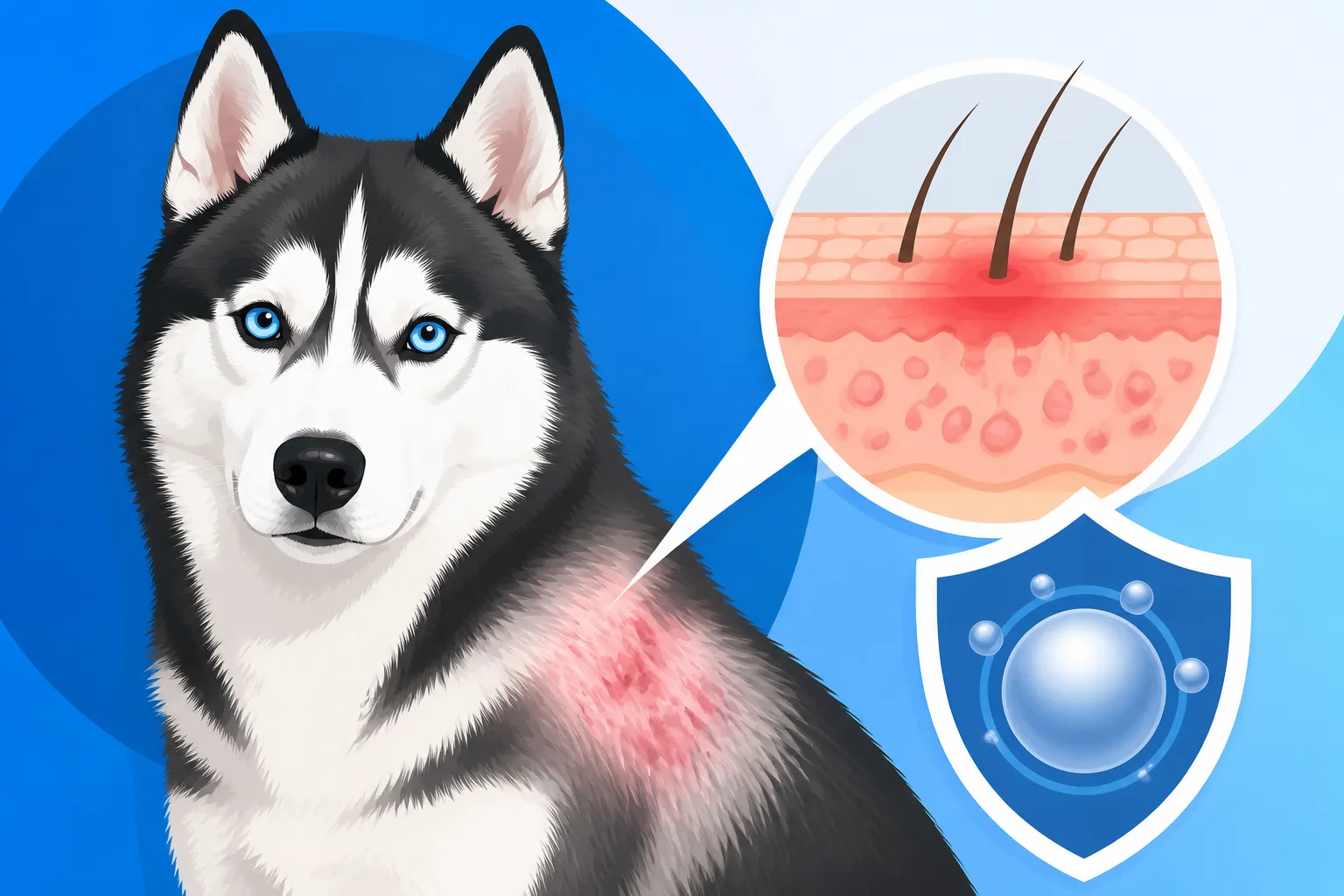
Zinc-Responsive Dermatosis in the Siberian Husky
It's incredibly frustrating when your beloved Siberian Husky starts developing strange skin issues – crusty patches, hair loss, and a general look of discomfort. You're trying everything you can think of, from changing their food to different shampoos, but nothing seems to stick, and the problem keeps coming back. This guide is dedicated to shedding light on one particular, often misunderstood, condition prevalent in our beautiful breed: Zinc-Responsive Dermatosis (ZRD). We'll dive deep into what it is, why Huskies are particularly susceptible, how to spot it, and most importantly, how to effectively manage it, so your furry friend can get back to feeling like themselves again.
Understanding Zinc-Responsive Dermatosis in Siberian Huskies
Zinc-Responsive Dermatosis, or ZRD, isn't just a fancy name for dry skin. It's a genuine metabolic disorder where your dog's body either can't absorb enough zinc from their diet, or can't utilize the zinc they do absorb properly. Zinc is an absolutely vital trace mineral that plays a role in countless bodily functions, especially when it comes to healthy skin, coat, and immune system function. When a Husky doesn't get enough functional zinc, their skin cells, which rely heavily on this mineral for normal replication and repair, start to break down and become inflamed.
The Critical Role of Zinc in Canine Health
Think of zinc as a tiny but mighty superhero for your dog's body. It's involved in over 300 different enzymatic reactions, influencing everything from digestion and vision to proper immune response and wound healing. Specifically for skin and coat health, zinc is paramount. It helps in the synthesis of keratin, a key protein that forms the structure of hair, skin, and nails. Without adequate zinc, skin cells can't divide and mature correctly, leading to a compromised skin barrier, inflammation, and abnormal scaling. It's why dogs with ZRD often present with such profound and visible skin problems, even though on the surface it might just look like "bad skin."
When a Siberian Husky’s body struggles with zinc, it’s not just a surface issue. The deeper layers of their skin are literally starving for this essential nutrient. This cellular dysfunction manifests externally as various dermatological signs. Imagine trying to build a house without enough nails – things start to fall apart, creating weaknesses and visible flaws. That’s essentially what happens at a microscopic level in the skin of a Husky suffering from ZRD. It’s a systemic problem with very specific, often painful, external manifestations.
How Zinc Deficiency Manifests as Skin Problems
The direct link between a lack of functional zinc and skin problems is quite clear. Without sufficient zinc, the normal processes of skin cell regeneration and repair are disrupted. This leads to a condition called parakeratosis, where the outer layer of the skin (the stratum corneum) retains its nuclei and appears abnormal, essentially failing to mature correctly. Instead of forming a tough, protective barrier, the skin becomes flaky, crusty, and inflamed.
This weakened skin barrier is then more susceptible to secondary bacterial and yeast infections, which can exacerbate the discomfort and worsen the visible symptoms. Many owners initially assume their Husky simply has an allergy or a generic skin infection because of the crusting and itching, not realizing it stems from a deeper metabolic issue. The inflammation and irritation can cause intense itching, which leads to scratching, further damaging the skin and creating a vicious cycle of discomfort and infection. Understanding that these skin issues are a direct consequence of internal zinc dysregulation is the first step toward effective management.
Why Siberian Huskies Are Prone to Zinc Deficiency
It often comes as a surprise to new Husky owners that this particular breed, along with a few others like Alaskan Malamutes and Samoyeds, has a genetic predisposition to ZRD. It's not just a fluke; there's a biological reason why they struggle with zinc absorption more than many other breeds, even when they're eating a perfectly balanced diet. This unique genetic quirk makes them particularly vulnerable to this frustrating skin condition.
Genetic Factors and Selective Breeding
The primary reason Siberian Huskies are more susceptible to ZRD lies in their genetic makeup. There are two main types of ZRD: Type I, which is seen in Arctic breeds like Huskies and Malamutes, and Type II, which is often linked to rapid growth or high demands in large breed puppies, or poor quality diets. For our Huskies, it's Type I ZRD we're most concerned about. This form is believed to be an inherited defect in the intestinal absorption of zinc. Essentially, their digestive systems aren't as efficient at extracting and transporting zinc from their food into their bodies, even if the food contains plenty of it.
This genetic predisposition is likely a remnant of their ancestral origins and selective breeding. The Chukchi people, who originally bred the Siberian Husky, lived in harsh, resource-scarce environments. Dogs that could thrive on minimal, sometimes unconventional, diets and extract every last nutrient would have been favored. However, this adaptation might have inadvertently led to a system that, while efficient in lean times, struggles with the nuances of modern, highly processed or even premium pet foods where zinc might be present but not bioavailable in the same way their traditional diets offered. It's a complex interplay of ancient genetics meeting contemporary nutrition.
Dietary Absorption Challenges Even with Good Food
Here's where it gets particularly tricky for Husky owners: even if you’re feeding a premium, well-balanced dog food that, by all accounts, should provide ample zinc, your Husky might still not be absorbing enough. This isn't necessarily a fault of the food, but rather the unique metabolic pathway in many Huskies. Certain components in dog food, such as high levels of calcium, phytates (found in grains and legumes), or even some fiber sources, can interfere with zinc absorption. While these ingredients are usually fine for most dogs, they can push a predisposed Husky into a state of functional zinc deficiency.
This is a key reason why a balanced diet does not always fix Husky zinc loss. Many owners diligently research and select high-quality kibble, only to be baffled when their Husky develops ZRD symptoms. The issue isn't a lack of zinc in the food, but a lack of zinc getting into the Husky's system. It’s why simply switching to another “high-quality” food might not resolve the problem and often leads to prolonged frustration and discomfort for the dog. Understanding this nuanced absorption issue is crucial to approaching treatment and management correctly, often necessitating specific zinc supplementation strategies rather than just dietary changes alone.
Recognizing the Signs and Symptoms of Zinc-Responsive Dermatosis
Spotting ZRD can be tricky because its symptoms can mimic other common skin ailments. However, there are some very characteristic signs that, once you know what to look for, can point you in the right direction. Being observant and knowing your Husky's normal skin and coat condition is your first line of defense. Pay close attention to persistent or recurring skin issues, especially those concentrated in certain areas.
Common Lesion Locations on a Siberian Husky
One of the most telling aspects of ZRD is where the skin lesions typically appear. You'll often notice them first around the eyes, mouth, chin, and nose. These areas, particularly the face, seem to be hot spots for the condition. Many owners report seeing crusting skin on a Siberian Husky's face that looks almost like dried mud or scabs, especially around the muzzle and the delicate skin near the eyelids.
Beyond the face, lesions frequently develop on pressure points, such as the elbows, hocks, and sometimes the footpads. These areas bear more weight and friction, making them vulnerable. You might also find them around the genitals and anus. The skin can become thickened, red, and develop prominent scaling and crusting. In some severe cases, the lesions on the footpads can become so thick and cracked that they cause pain and difficulty walking, impacting your Husky's overall mobility and joy for activities they once loved, like a good run or hike. Being aware of where Husky zinc dermatosis lesions appear first can significantly aid in early detection.
Appearance of Lesions and Coat Changes
The actual appearance of the lesions in ZRD is quite distinct once you know what you’re looking at. The skin often develops thick, adherent scales and crusts, which can be grayish-white or yellowish. These crusts might be greasy or dry, and they’re often quite tough to remove. Underneath these crusts, the skin is usually red and inflamed. Hair loss (alopecia) is also common in affected areas, often patchy and leading to thinning of the coat, especially around the face, ears, and legs.
In some cases, the skin can become hyperpigmented (darkened) and lichenified (thickened and leathery) from chronic inflammation and scratching. You might also notice secondary infections, which present as pustules, oozing, or a strong, yeasty odor. These secondary infections are a common complication, as the compromised skin barrier makes it easy for bacteria and yeast to take hold. The coat itself might lose its luster, becoming dull and dry, even in areas not directly affected by lesions, hinting at the systemic nature of the zinc deficiency.
Secondary Symptoms and Behavioral Changes
Beyond the visible skin lesions, Huskies with ZRD can exhibit other, more subtle symptoms that might not immediately seem related. For example, the intense itching and discomfort can lead to behavioral changes. Your usually playful Husky might become irritable, restless, or withdrawn. They might spend an excessive amount of time scratching, licking, or chewing at their paws and affected areas, sometimes to the point of self-mutilation. This persistent itching can disrupt their sleep and lead to general lethargy.
In more severe or chronic cases, a Husky might experience a loss of appetite, weight loss, or general malaise. Their immune system can also be compromised, making them more susceptible to other infections. If your Husky is showing any of these signs, particularly crusting and hair loss around the face and pressure points, it’s imperative to consult your veterinarian promptly. Early intervention can prevent significant discomfort and secondary complications, and get your Husky back to their happy, energetic self.
Diagnosing Zinc-Responsive Dermatosis
Getting a definitive diagnosis for Zinc-Responsive Dermatosis is a crucial step. Because the symptoms can look like many other skin conditions, your vet will need to perform a thorough examination and likely some specific tests to confirm ZRD and rule out other possibilities. It’s not always a straightforward path, but persistence is key for your Husky’s well-being.
The Comprehensive Veterinary Examination
When you bring your Husky in with suspected ZRD, your veterinarian will start with a comprehensive physical examination. They’ll carefully inspect all affected skin areas, noting the location, appearance, and severity of the lesions. They'll also check for any signs of secondary bacterial or yeast infections, which are common culprits that can complicate the clinical picture. This initial assessment helps them form an idea of what might be going on, but specific tests are usually needed for confirmation.
Your vet will also take a detailed history, asking about your Husky's diet, any supplements you're giving, their general health, and how long the symptoms have been present. They might inquire about the age Husky zinc dermatosis starts, as it often presents in younger adult dogs but can appear at any age. This historical context is vital, as it can provide clues that differentiate ZRD from other conditions. For instance, if your Husky's diet includes high levels of calcium or is rich in certain grains, that could be a contributing factor to absorption issues, even if the food itself is marketed as "complete and balanced."
Biopsy and Histopathology Confirmation
The gold standard for diagnosing ZRD is typically a skin biopsy followed by histopathological examination. This involves taking a small sample of the affected skin, usually under local anesthetic, and sending it to a specialized veterinary pathologist. The pathologist will examine the tissue under a microscope, looking for characteristic changes that confirm zinc deficiency dermatosis. These changes include parakeratotic hyperkeratosis, which is a specific type of abnormal keratinization of the skin, along with inflammation.
While blood tests can measure serum zinc levels, they are often not a reliable indicator for ZRD in Huskies. This is because a Husky might have normal circulating zinc levels in their blood, but still suffer from the condition due to an absorption problem at the cellular level or issues with zinc utilization. Therefore, relying solely on bloodwork can lead to a misdiagnosis. The biopsy provides direct evidence of how the skin cells themselves are struggling with zinc, making it a far more accurate diagnostic tool for telling Husky Zinc Dermatosis from an allergy or other issues. It's a precise way to get to the root of the problem.
Ruling Out Other Skin Conditions
One of the challenges in diagnosing ZRD is that its symptoms overlap with several other common skin conditions. Your vet will actively work to rule out these possibilities. Common differentials include allergies (environmental or food allergies), bacterial pyoderma, fungal infections (like ringworm), sarcoptic mange, and even other autoimmune skin diseases.
To rule these out, your vet might perform additional tests such as skin scrapings (to look for mites), fungal cultures, cytology (examining cells from the skin surface for bacteria or yeast), or even a hypoallergenic diet trial to rule out food allergies. This process of elimination is critical. Misdiagnosing ZRD as, say, a simple allergy, could lead to prolonged ineffective treatments, continued suffering for your Husky, and escalating vet bills. It's why a comprehensive approach, often including a biopsy, is so important to ensure your Husky gets the correct diagnosis and, therefore, the correct treatment. This is where pet insurance, like a policy from Healthy Paws, can really make a difference, helping to cover the costs of these essential diagnostic procedures.
Treatment Protocols and Management for ZRD
Once your Siberian Husky has a confirmed diagnosis of Zinc-Responsive Dermatosis, the good news is that it’s generally a very manageable condition. The cornerstone of treatment involves zinc supplementation, often for the remainder of your dog’s life. However, it’s not as simple as just grabbing any zinc supplement off the shelf; careful consideration of dosage and type is essential.
Zinc Supplementation Regimens
The primary treatment for ZRD is oral zinc supplementation. However, the type of zinc and the dosage are critical. Vets typically prescribe specific forms of zinc, such as zinc sulfate, zinc gluconate, or zinc methionine. These forms are generally more bioavailable, meaning the Husky's body can absorb and utilize them more effectively. The dosage will be carefully calculated by your veterinarian based on your dog's weight and the severity of their condition. It’s vital to follow these instructions precisely, as too little zinc won’t be effective, and too much can lead to other health problems like copper deficiency or stomach upset.
Initial doses might be higher to rapidly correct the deficiency, with the aim to reduce to a maintenance dose once symptoms improve. Zinc doses used in Siberian Huskies can vary, but generally, vets aim for therapeutic levels that are much higher than what you'd find in a standard multivitamin. It is not uncommon for a Husky to need zinc for life. This ongoing commitment means you’ll be giving supplements daily, and it’s something to factor into your routine and budget. Consistency is key here; missing doses can lead to flare-ups of the skin issues.
Dietary Adjustments and Considerations
While supplementation is the core treatment, dietary adjustments can play a supportive role, though they are usually not sufficient on their own. As we discussed, certain ingredients can hinder zinc absorption. Your vet might recommend avoiding diets high in phytates (found in many grains and legumes) or excessive calcium, which can bind with zinc in the gut and prevent absorption. Sometimes, switching to a high-quality, meat-based diet with fewer plant-based fillers can be beneficial. However, remember that for Type I ZRD, simply changing the diet will rarely fix the problem entirely because the underlying issue is the absorption mechanism, not just the amount of zinc in the food.
It’s crucial to discuss any dietary changes with your veterinarian, especially if your Husky has other health concerns. They can help you select a food that is less likely to interfere with zinc absorption and complements the prescribed supplementation regimen. For instance, some specialized veterinary diets are formulated with highly bioavailable zinc sources and without common interfering ingredients. Never stop or start a new supplement or make drastic diet changes without consulting your vet, as it could disrupt the treatment plan.
Managing Secondary Infections and Discomfort
Because ZRD compromises the skin barrier, secondary bacterial and yeast infections are very common. These infections can cause significant discomfort, itching, and often mask the underlying ZRD. As part of the initial treatment, your vet will likely prescribe medications to clear these infections. This might include oral antibiotics or antifungals, as well as medicated shampoos or topical treatments.
Once the secondary infections are under control, you should see a noticeable improvement in your Husky’s comfort levels. However, if the underlying zinc deficiency isn’t managed, these infections will likely recur. Therefore, consistent zinc supplementation is crucial for maintaining a healthy skin barrier and preventing future secondary infections. Your vet may also suggest anti-inflammatory medications, such as corticosteroids, for short-term relief from severe itching and inflammation during initial flare-ups, but these are not a long-term solution and come with their own set of potential side effects. The goal is to get the zinc levels balanced so the skin can heal naturally and resist these opportunistic invaders.
Living with Zinc-Responsive Dermatosis
Living with a Siberian Husky diagnosed with ZRD means a commitment to ongoing management, but it absolutely doesn't mean a diminished quality of life for your furry companion. With consistent care, most Huskies with ZRD can live full, happy, and comfortable lives. It's about integrating the necessary treatments into your daily routine and being vigilant about monitoring their health.
The Long-Term Commitment to Care
Once a Husky is diagnosed with ZRD, the management is typically for life. This means consistent daily zinc supplementation, adherence to dietary recommendations, and regular check-ups with your veterinarian. It’s important to understand that ZRD is not usually "curable" in the sense that it goes away; rather, it’s a chronic condition that needs continuous management to prevent symptoms from recurring. Think of it like managing diabetes or thyroid issues in humans – it’s about maintaining a balance.
This long-term commitment includes ensuring you always have your Husky's zinc supplements on hand and administering them reliably. This might mean adjusting your schedule, especially if your Husky requires zinc to be given away from food. For many owners, incorporating this into meal times or a specific daily routine makes it easier to remember. While it might seem like a lot at first, it quickly becomes second nature. And seeing your Husky's skin heal and their comfort return makes every bit of effort completely worth it.
Monitoring and Adjustments Over Time
Even with a consistent routine, monitoring your Husky for signs of flare-ups or changes in their condition is paramount. The initial high-dose zinc regimen will likely be tapered down to a maintenance dose once the skin lesions resolve. However, factors like stress, illness, or even subtle changes in diet could potentially trigger a resurgence of symptoms. You'll need to be observant for any return of crusting, redness, itching, or hair loss around the typical ZRD sites.
Regular follow-up visits with your veterinarian are essential. They might recommend periodic blood work to check organ function, especially if your Husky is on long-term medication, or to ensure that zinc supplementation isn't inadvertently causing other mineral imbalances, such as copper deficiency. Sometimes, the maintenance dose of zinc may need to be adjusted based on your Husky's response, age, or activity level. This is a collaborative process between you and your vet to find the optimal long-term management plan that keeps your Husky healthy and comfortable.
Potential Complications and What to Watch For
While ZRD is highly manageable, ignoring it or inconsistent treatment can lead to several complications. Chronic skin inflammation and repeated secondary infections can cause significant pain and permanent skin damage, including scarring and persistent thickening of the skin. Severely cracked footpads can make walking unbearable and lead to deep infections. Uncontrolled ZRD can also impact your Husky’s overall immune system, making them more susceptible to other illnesses.
Furthermore, it's vital to avoid over-supplementation. While zinc is essential, why too much zinc hurts a Siberian Husky is a serious concern. Excessive zinc can interfere with the absorption of other vital minerals, particularly copper, leading to copper deficiency. This can cause anemia and neurological problems, which are far more serious than skin issues. That's why strict adherence to your veterinarian's prescribed dosage is non-negotiable. Always communicate any new symptoms or concerns to your vet immediately. Having pet insurance, like a plan from Healthy Paws, can also provide peace of mind, knowing that unexpected complications or necessary adjustments to treatment are financially supported.
Preventative Measures and Dietary Considerations
While ZRD in Siberian Huskies often has a genetic component, there are still steps owners can take to minimize risks and support their dog's health. For breeders, understanding the genetic predisposition is particularly crucial. For pet owners, diet and careful supplementation play a key role.
Optimizing Dietary Zinc (When Possible)
For Siberian Huskies not yet diagnosed with ZRD, or those with a mild, subclinical form, optimizing their diet can be a good preventative step. This doesn't mean simply loading up on zinc supplements indiscriminately, which can be dangerous. Instead, focus on feeding a high-quality, balanced diet that provides bioavailable zinc and avoids ingredients known to inhibit its absorption. Look for dog foods where zinc is listed in a chelated form (e.g., zinc methionine, zinc proteinate) on the ingredient list, as these are more easily absorbed.
You might also consider foods that are lower in common zinc inhibitors like excessive calcium and certain plant-based phytates. However, it’s important to remember that for a truly predisposed Husky with Type I ZRD, even the most perfectly formulated diet might not be enough to overcome the inherent absorption defect. Dietary changes that help Husky zinc absorption might provide some benefit, but rarely a complete solution if the genetic predisposition is strong. Always consult your vet or a veterinary nutritionist before making significant dietary changes, especially if your Husky has specific health needs.
Avoiding Unnecessary Supplements and Foods
A common pitfall for well-meaning owners is to self-prescribe supplements or make drastic diet changes based on anecdotal evidence. However, blindly adding zinc supplements to a Husky’s diet without a confirmed diagnosis and veterinary guidance can be risky. As mentioned earlier, too much zinc can lead to serious health issues, including copper deficiency. Zinc supplementation should only be done under veterinary supervision.
Furthermore, be cautious about feeding raw or homemade diets without proper formulation. While these diets can be excellent when done correctly, it’s incredibly difficult to ensure a precise balance of all necessary vitamins and minerals, including zinc, especially when considering the Husky's unique absorption challenges. An imbalanced homemade diet could inadvertently exacerbate a zinc deficiency or create other nutritional imbalances. Always seek expert advice from a veterinary nutritionist if you're considering a homemade diet to ensure it meets all your Husky's needs without causing harm.
The Role of Responsible Breeders
For breeders of Siberian Huskies, understanding the genetic component of ZRD is paramount. While there isn't a widely available genetic test for Type I ZRD, responsible breeders take steps to minimize its occurrence. This includes carefully selecting breeding pairs and being transparent about any history of ZRD in their lines. Breeders should be willing to discuss the health history of their puppies' parents and provide information on the condition if it has appeared in their kennel previously.
When looking for a puppy, ask prospective breeders about their experience with ZRD and what measures they take to ensure healthy puppies. While ZRD can appear at any age, the age Husky zinc dermatosis starts is often during the first few years of life. Reputable breeders understand the unique health challenges of the breed and strive to produce healthy, resilient dogs. While ZRD is not always preventable in genetically predisposed individuals, making informed breeding decisions can certainly help reduce its prevalence within the breed. For potential owners, reading a Siberian Husky puppy's health paperwork and asking detailed questions about family history can provide valuable insights.
Differentiating ZRD from Other Skin Conditions
Diagnosing Zinc-Responsive Dermatosis can be challenging for veterinarians and frustrating for owners because many other skin conditions present with similar symptoms. The crusting, hair loss, and itching seen in ZRD are not unique, which is why a thorough diagnostic process is so crucial to ensure the correct treatment.
Allergic Reactions and Environmental Factors
One of the most common misdiagnoses for ZRD is an allergic reaction. Both food allergies and environmental allergies (atopy) can cause intense itching, redness, inflammation, and secondary skin infections, which look remarkably similar to ZRD. With allergies, you might see similar crusting skin on a Siberian Husky's face or on their paws, leading owners down a path of diet trials or allergy medications that don't quite solve the underlying issue if it's actually ZRD.
The key difference lies in the response to treatment. If allergy medications or strict hypoallergenic diets don't significantly improve your Husky's skin condition, it's a strong indicator that something else might be at play. Your vet will often consider ZRD if allergy treatments are failing, or if the skin lesions have very specific characteristics and locations (like the periocular and perioral crusting) that are highly suggestive of zinc deficiency. Telling Husky Zinc Dermatosis from an allergy requires careful observation and sometimes, a process of elimination or specific diagnostic tests.
Autoimmune Skin Conditions
Another group of conditions that can be confused with ZRD are autoimmune skin diseases, where the body's immune system mistakenly attacks its own skin cells. Conditions like Pemphigus Foliaceus in the Siberian Husky or Uveodermatologic Syndrome can cause severe crusting, scaling, and ulceration, particularly on the face, ears, and paw pads. The lesions can look strikingly similar to severe ZRD, making differentiation critical.
The distinction between these autoimmune conditions and ZRD is made primarily through skin biopsies. While both might show inflammation, the specific microscopic changes in the skin tissue will differ. For instance, Pemphigus Foliaceus will show acantholysis (loss of cohesion between skin cells) and pustules containing neutrophils in the epidermis, whereas ZRD will show the characteristic parakeratotic hyperkeratosis. These are subtle but definitive differences that only a veterinary pathologist can identify. Proper diagnosis is vital here, as the treatments for autoimmune diseases typically involve immunosuppressive drugs, which are very different from zinc supplementation.
Other Nutritional Deficiencies or Skin Infections
While less common, other nutritional deficiencies or persistent skin infections can also present with similar signs to ZRD. For example, some deficiencies in essential fatty acids can lead to a dry, dull coat and flaky skin, although usually not with the distinct crusting pattern of ZRD. Certain bacterial or fungal infections can also become chronic and resistant to standard treatments, leading to persistent skin problems.
It's also important to rule out external parasites like mites, which can cause intense itching, hair loss, and secondary skin infections. Your vet will perform skin scrapings and other tests to exclude these possibilities. The key takeaway is that persistent or recurring skin problems in a Siberian Husky should always prompt a thorough veterinary investigation that goes beyond simply treating symptoms. Getting to the root cause, whether it's ZRD, an allergy, an infection, or another condition, is the only way to provide lasting relief and ensure your Husky's long-term health and comfort.
Disclaimer
This article is intended for informational purposes only and does not constitute medical advice. Always consult with a qualified veterinarian for any health concerns or before making any decisions about your pet's health or treatment.