Weight Gain in a Hypothyroid Siberian Husky
It’s truly disheartening to see your normally energetic Siberian Husky start slowing down, packing on pounds, and looking less vibrant. You know your husky is supposed to be a lean, energetic athlete, and when they start gaining weight despite no obvious changes in their diet or exercise, it can feel like a mystery or even a personal failure. This guide aims to unravel the frustrating puzzle of weight gain in a hypothyroid Siberian Husky, explaining why it happens and, most importantly, how you can help your beloved companion regain their zest for life and a healthy physique.
Understanding Hypothyroidism in Siberian Huskies
Hypothyroidism is one of those sneaky conditions that can creep up on your husky, mimicking signs of aging or simply a "lazy phase" that can be incredibly misleading. It's not just about a little extra fluff; it's a systemic issue that impacts their entire well-being.
The Silent Thief of Metabolism
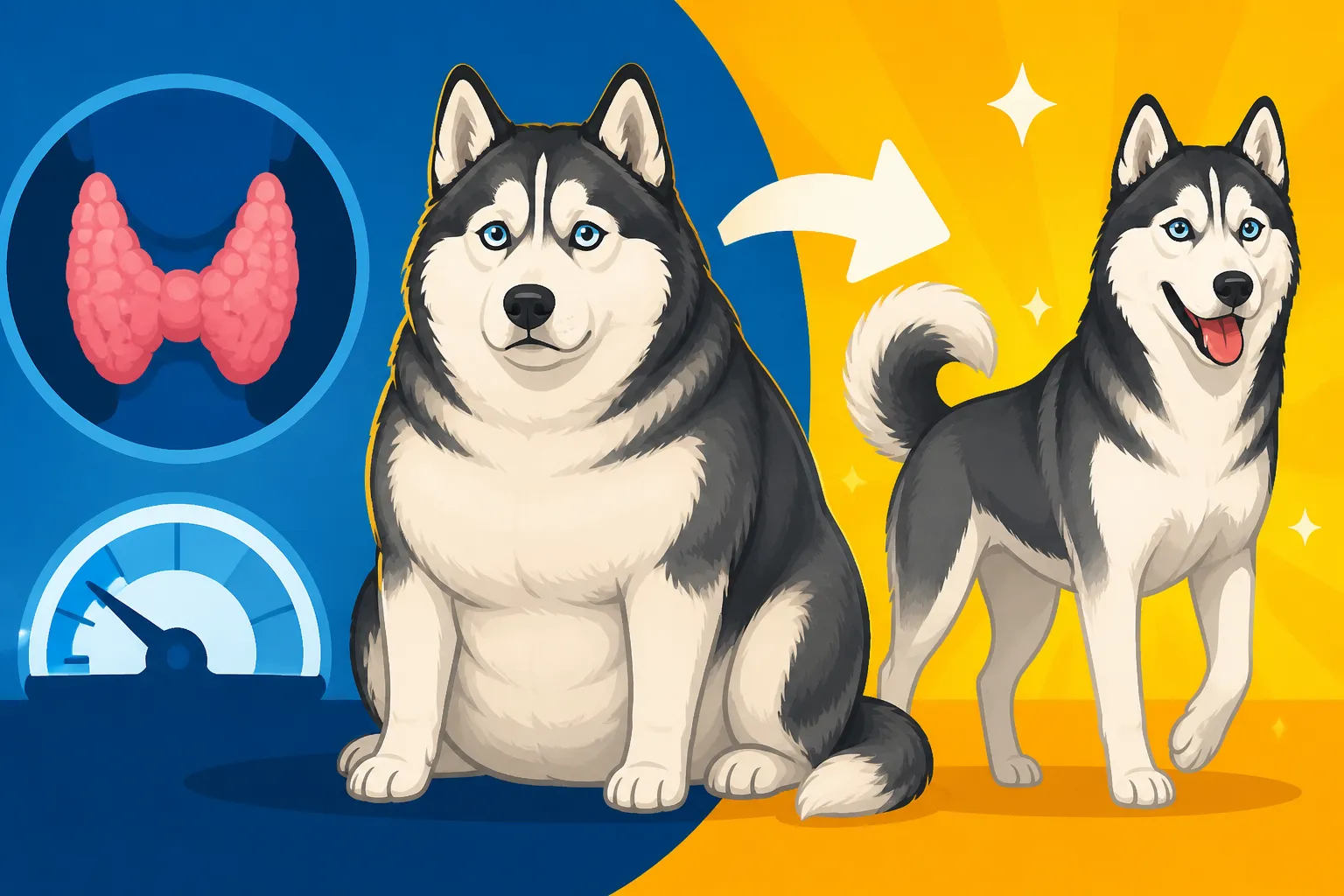
At its core, hypothyroidism in dogs, much like in humans, means an underactive thyroid gland. This vital gland, located in the neck, produces hormones (primarily T3 and T4) that regulate metabolism – essentially, how your husky's body uses energy. When the thyroid isn't pulling its weight, these hormones drop, and the entire metabolic engine slows to a crawl. For a Siberian Husky, a breed renowned for its efficient metabolism and incredible endurance, this slowdown is particularly disruptive. Their bodies are designed to run lean and process fuel efficiently, so when that fundamental system falters, it sends ripples through everything. Many cases of hypothyroidism in Huskies are actually due to an autoimmune condition called lymphocytic thyroiditis, where the dog's own immune system attacks and destroys the thyroid gland. This genetic predisposition means it's a condition that owners of this breed need to be particularly aware of.
This gradual decline can be hard to spot early on because the changes are so subtle. You might just notice your husky isn't quite as eager for walks, or they seem a little more sleepy than usual. It’s easy to dismiss these things as normal aging or just a particularly chill day. However, beneath the surface, their body is struggling to convert food into energy, opting instead to store it as fat. It's a silent process, stealing their vitality long before the physical manifestations become undeniable. This makes it all the more crucial to pay attention to even minor shifts in behavior and appearance, as early intervention can make a significant difference.
Common Symptoms Beyond Weight Gain
While weight gain is often the most frustrating and visible symptom, it rarely comes alone. A hypothyroid husky typically exhibits a constellation of signs that, when pieced together, paint a clearer picture of what's going on. One of the most common complaints is a dull, dry, or thinning coat, often accompanied by excessive shedding or even bald patches, particularly on the flanks or tail. This is because thyroid hormones are crucial for healthy skin and hair follicle function. Owners might notice their husky's gorgeous double coat, usually so vibrant, start to look lackluster, even after careful grooming.
Beyond coat changes, you'll likely observe a significant drop in energy levels. Your once enthusiastic trail buddy might now lag behind, show reluctance to play, or spend more time napping. This isn't just a mood; it’s a physiological reality. Their body simply doesn't have the metabolic horsepower to maintain their usual activity. They might also become less tolerant of cold temperatures, seeking out warm spots indoors even in mild weather, as their internal furnace isn't burning as efficiently. Other, less common symptoms can include a slow heart rate, mental dullness, or even changes in temperament such as increased aggression or anxiety. These varied symptoms can make diagnosis tricky, often leading owners down different investigative paths before the thyroid is finally suspected. For a deeper dive into these other indicators, you might find our article on Siberian Husky Hypothyroidism and Coat Change helpful.
Why Hypothyroidism Leads to Weight Gain
It's not just about eating too much; with hypothyroidism, the very process of how your husky's body handles food and energy changes fundamentally. This is where the breed's natural attributes can actually work against them, making the weight gain even more pronounced.
The Metabolism Slowdown
Imagine your husky’s body as a finely tuned engine. When the thyroid gland isn't producing enough hormones, it's like someone turned down the idle speed and reduced the fuel efficiency simultaneously. The metabolic rate plummets. This means that even if your Siberian Husky is eating the same amount of food they always have, their body is no longer burning those calories at the same efficient rate. Instead, a larger proportion of consumed calories are converted and stored as fat rather than being utilized for energy or maintaining body temperature. This can be incredibly frustrating for owners who are meticulously portioning food, yet still seeing the scale creep up.
What makes this particularly insidious for a Siberian Husky is their inherent genetic makeup. Huskies were bred for endurance in harsh, cold environments, meaning they naturally possess an incredibly efficient metabolism. They can do a lot with relatively little food compared to many other breeds. When you combine this pre-existing efficiency with a hormonally-induced metabolic slowdown, it creates a perfect storm for rapid and often inexplicable weight gain. Their bodies become hyper-efficient at storing every possible calorie as fat, even on a modest diet. This can lead to a dog who feels lethargic, yet struggles to lose weight even with reduced portions. Many owners report that their husky is "eating like a bird" but still gaining weight, which is a classic red flag for a metabolic issue like hypothyroidism.
Decreased Activity Levels
Hand-in-hand with a sluggish metabolism comes a significant drop in overall energy and willingness to be active. Think about it: if your body isn't generating enough energy from its fuel, you're naturally going to feel sluggish and tired. This lethargy is a hallmark symptom of hypothyroidism and directly contributes to the weight gain cycle. A husky who once bounded through the yard or eagerly pulled on the leash for a run now prefers to snooze on the couch or just mosey along. This isn't laziness; it's a genuine physiological inability to maintain their previous activity levels.
This decreased activity creates a vicious cycle. Less movement means fewer calories burned, which, when combined with a slower metabolic rate, compounds the problem of excess fat accumulation. Owners, seeing their husky less enthusiastic, might inadvertently reduce their exercise duration or intensity, thinking they're just getting older or less interested. This only exacerbates the weight gain. It's a challenging situation because you want to encourage activity, but your dog genuinely feels too drained to participate. Getting them moving again once the weight has settled in can be a monumental task, both for you and for them, making it crucial to understand the underlying cause. Keeping a close eye on their true energy levels, rather than just assuming they're "chilling out," is key to catching this early.
Diagnosing and Managing Hypothyroid Weight Gain
If you suspect your husky's weight gain and other symptoms might be due to hypothyroidism, the first and most critical step is a thorough veterinary examination. This isn't a condition you can diagnose or treat at home.
The Diagnostic Process
Diagnosing hypothyroidism typically begins with a comprehensive physical exam where your vet will note any changes in coat, skin, body condition, and overall demeanor. However, the definitive diagnosis relies on specific blood tests that measure the levels of thyroid hormones in your husky’s bloodstream. The most common tests include total T4 (thyroxine), free T4 (fT4), and thyroid-stimulating hormone (TSH). Sometimes, a vet might also check for thyroid autoantibodies, which can indicate the autoimmune form of the disease often seen in Siberian Huskies.
It's important to understand that interpreting these results requires veterinary expertise. Sometimes, certain medications or other illnesses can temporarily suppress thyroid hormone levels, leading to a "sick euthyroid" state where the thyroid gland is actually healthy but looks underactive on tests. This is why your vet might recommend a full thyroid panel, checking multiple parameters to get the most accurate picture. For instance, a low T4 combined with a high TSH is a strong indicator of primary hypothyroidism. Don't be surprised if your vet wants to re-test after a period, or rule out other conditions. Understanding Thyroid Blood Panels for a Siberian Husky in detail can further equip you with knowledge when discussing these tests with your vet.
Treatment and Reversing Weight Gain
Once hypothyroidism is definitively diagnosed, the good news is that it’s a very treatable condition. The standard treatment involves daily oral supplementation with synthetic thyroid hormone, typically levothyroxine. This medication effectively replaces the hormones your husky's thyroid gland isn't producing, kickstarting their metabolism back into gear. It's vital to administer the medication consistently, exactly as prescribed by your veterinarian. Missing doses or giving incorrect amounts can hinder treatment progress and delay your husky's recovery.
You might not see immediate changes, and it's important to set realistic expectations. While some improvements in energy levels and demeanor might be noticeable within a few weeks, weight loss is often a much slower process. As the medication takes effect and metabolism begins to normalize, your husky's body will slowly start to burn calories more efficiently. However, the accumulated fat won't disappear overnight. Your vet will likely schedule follow-up blood tests, typically 4-8 weeks after starting treatment, to check hormone levels and adjust the dosage of the medication as needed. This fine-tuning is crucial to ensure your husky is receiving the optimal amount of thyroid hormone. For more on this, check out our guide on Thyroid Medication Doses for a Siberian Husky.
Dietary and Exercise Adjustments
While medication addresses the root cause, dietary and exercise adjustments are absolutely essential components in reversing hypothyroid-related weight gain. Even with a normalized metabolism, if your husky continues to consume too many calories for their activity level, the weight won't budge. Your veterinarian will work with you to determine an appropriate calorie intake, which will almost certainly be lower than what your husky was eating before, even if you thought you were feeding a "normal" amount. Remember, Huskies are efficient! Focusing on a high-quality, protein-rich diet with controlled fat and carbohydrate levels can support healthy weight loss. Many owners find success with portion control, accurately measuring food rather than eyeballing it. You may find our guide on Feeding a Siberian Husky on 60 Percent of the Label particularly relevant here, as it emphasizes the naturally low caloric needs of the breed.
As your husky's energy levels return thanks to the medication, slowly and safely reintroduce increased physical activity. Start with shorter, gentle walks and gradually increase the duration and intensity as their stamina improves. It's crucial not to overdo it initially, especially if they've been lethargic for a long time, as their muscles and joints may need time to recondition. Regular, consistent exercise, even just brisk walks, is far more effective than sporadic, intense bursts. This combination of proper medication, careful dietary management, and a structured exercise plan offers the best chance for your Siberian Husky to shed those excess pounds and regain their athletic physique.
Long-Term Outlook and Prevention
Managing hypothyroidism and its associated weight gain is typically a lifelong commitment. It's not a condition that "goes away," but with consistent care, your husky can live a full, active, and healthy life.
Sustaining Healthy Weight and Lifestyle
Once your Siberian Husky is on thyroid medication and their hormone levels are stable, ongoing monitoring is key. Your vet will recommend regular blood tests, often once or twice a year, to ensure the medication dosage remains appropriate. Factors like age, changes in activity, or even other health issues can influence their needs. Maintaining a healthy weight becomes a continuous effort, requiring consistent dietary management and a regular exercise regimen. Think of it as a permanent lifestyle change for both you and your husky. This means sticking to measured food portions, avoiding excessive treats (or factoring them into their daily calorie allowance), and providing opportunities for appropriate physical activity daily. Activities like Canicross or bikejoring, if your husky enjoys them and your vet approves, can be excellent ways to keep them fit and mentally stimulated.
Beyond preventing weight-related issues like arthritis or diabetes, managing their thyroid ensures they feel their best mentally and physically. A well-managed hypothyroid husky should have good energy, a healthy coat, and a normal temperament. It's also important to monitor their body condition regularly. You should be able to feel your husky's ribs easily under a slight layer of fat, and they should have a visible waist when viewed from above. Our article Reading a Siberian Husky's Ribs Under the Coat offers great tips on how to properly assess your dog's body condition. This proactive approach helps catch any subtle changes early, preventing a return to the cycle of lethargy and weight gain.
When Weight Doesn't Budge
Despite diligent medication and diet, some owners find that their husky's weight loss stalls or doesn't happen as expected. This can be incredibly frustrating after all your efforts. If this happens, it's crucial to revisit your veterinarian. Several factors could be at play. First, the medication dosage might need further adjustment. Sometimes, what looks like a "normal" level on blood work might not be optimal for that individual dog’s clinical signs, particularly if their energy is still low or weight is persistent.
Secondly, a thorough re-evaluation of their diet and calorie intake is warranted. Are those "just a few" extra treats adding up more than you realize? Is someone else in the household secretly slipping them snacks? Even healthy treats need to be accounted for. In some rare cases, there might be other underlying health conditions contributing to weight gain that were previously overlooked, such as Cushing’s disease or joint pain limiting exercise. It’s also possible that your husky’s metabolism, even with medication, is still more efficient than anticipated, requiring an even stricter calorie intake. Don't hesitate to seek a second opinion or consult a veterinary nutritionist if you're truly stumped. It’s also worth noting that sometimes hypothyroidism is misdiagnosed, and another condition might be the real culprit. Our piece on Why Husky Hypothyroidism Is Overdiagnosed sheds light on these complexities. Finding the right balance for your husky is a partnership with your vet, and persistence is key to their long-term health.
| Symptom Category | Typical Husky Metabolism | Hypothyroid Husky Metabolism | Treated Hypothyroid Husky |
|---|---|---|---|
| Energy Level | High, boundless energy, eager to run | Low, lethargic, sluggish, reluctant to exercise | Returns to high, enthusiastic levels over time |
| Weight | Lean, athletic, easy to maintain optimal weight | Often overweight, gains weight despite normal food intake | Gradually returns to healthy weight, requires management |
| Coat | Thick, dense double coat, sheds seasonally | Dull, dry, thinning, excessive shedding, bald patches | Regains thickness, shine, and normal shedding cycles |
| Appetite | Good, eats consistent meals | Varies, sometimes reduced despite weight gain | Returns to consistent, healthy appetite |
| Cold Tolerance | Excellent, thrives in cold weather | Decreased, seeks warmth, shivering | Returns to normal cold tolerance |
| Behavior | Alert, intelligent, sometimes stubborn but engaged | Mentally dull, sometimes anxious or withdrawn | Alert, engaged, active, improved mood |
Disclaimer
This article is intended for informational purposes only and does not constitute medical advice. Always consult with a qualified veterinarian for any health concerns or before making any decisions about your pet's health or treatment plan.