Whether a Siberian Husky Blows Coat Twice a Year
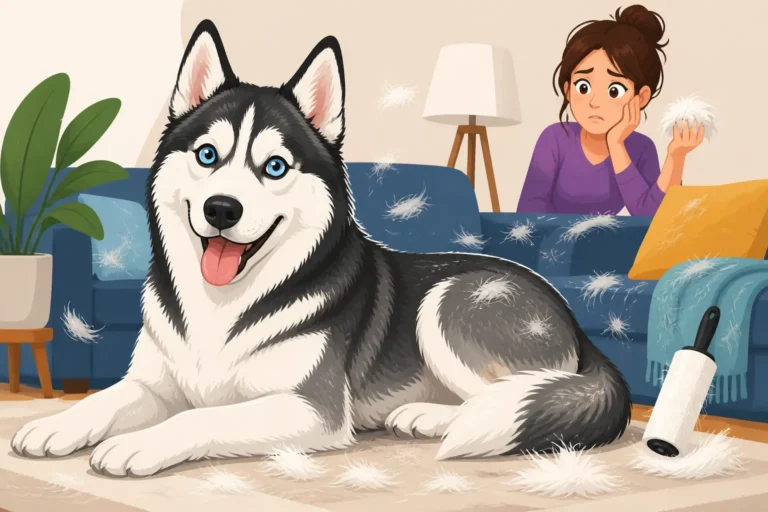
It’s a question that keeps many a new Siberian Husky owner (and even some seasoned ones!) up at night: "Is my house permanently coated in fur, or will this shedding ever slow down?" If you’ve ever found yourself wondering if your beautiful Husky is blowing their coat for the second, third, or even fourth time this year, you’re not alone. This guide will dive deep into the fascinating world of Siberian Husky coats, explaining their natural cycles, what "coat blow" truly means, and how to manage the inevitable fur-nado in your home.
Understanding the Siberian Husky's Double Coat
Before we talk about shedding, it’s crucial to understand the magnificent engineering of a Siberian Husky's coat. It's not just hair; it's a finely tuned insulation system, perfectly adapted for survival in harsh arctic conditions. This double coat is truly what defines the breed, making them resilient to both extreme cold and, surprisingly, capable of managing in warmer climates when properly cared for.
The Purpose of the Double Coat
A Siberian Husky's coat consists of two distinct layers, each with a vital job. First, you have the guard hairs. These are the longer, coarser outer hairs that give your Husky their color and pattern. They are waterproof and act like a protective shield, shedding snow, rain, and dirt, and preventing anything from reaching the delicate undercoat or skin. They also provide UV protection, which is often overlooked but incredibly important for skin health.
Beneath this outer layer lies the undercoat, a dense, soft, woolly insulation layer. This isn't just fluffy; it's incredibly efficient at trapping air, creating a thermal barrier that keeps your Husky warm in freezing temperatures. Imagine wearing a high-tech down jacket – that's what the undercoat is for your Husky. When the seasons change, this undercoat is what primarily "blows" out, making way for a thinner or thicker layer as needed.
How the Double Coat Protects Year-Round
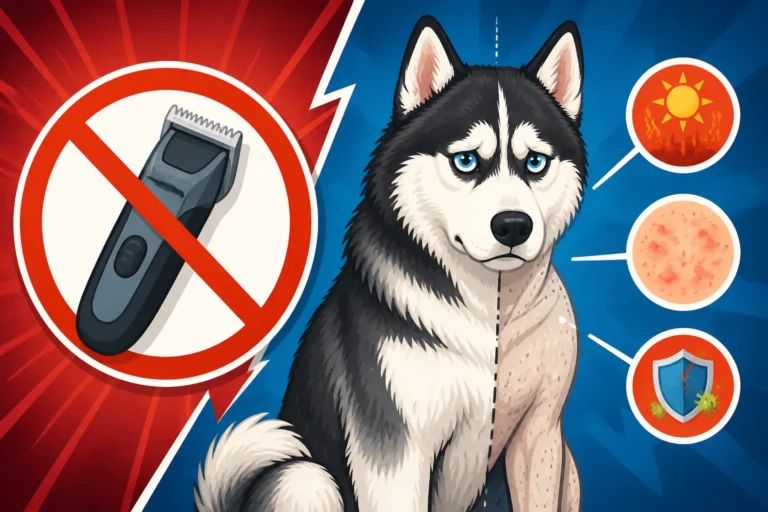
Many people mistakenly believe that a double-coated dog like a Siberian Husky should be shaved in the summer to keep them cool. This couldn't be further from the truth and is actually detrimental to their natural cooling system. The undercoat, when healthy and not matted, acts like an air conditioner in the summer. It provides a layer of insulation that prevents the sun's heat from reaching the skin directly. Furthermore, the guard hairs shade the skin from sunburn, which can be a real risk for shaved Huskies, especially those with lighter pigment.
The double coat facilitates airflow against the skin when it’s hot, allowing for evaporative cooling. When you shave a Husky, you remove this natural protection and insulation, exposing their sensitive skin to the sun and interfering with their ability to regulate their body temperature. It's like removing the insulation from your house in winter, then wondering why it's so cold inside. Understanding What the Siberian Husky Double Coat Actually Does is key to proper care and avoiding common mistakes.
The Truth About Siberian Husky Coat Blows
Now for the million-dollar question: does a Siberian Husky blow its coat twice a year, or more? The general answer is typically twice a year, corresponding with the major seasonal shifts, but there are many nuances that can make it feel like an endless cycle. It’s important to distinguish between routine shedding and a full "coat blow."
The Standard Bi-Annual Shed Cycle
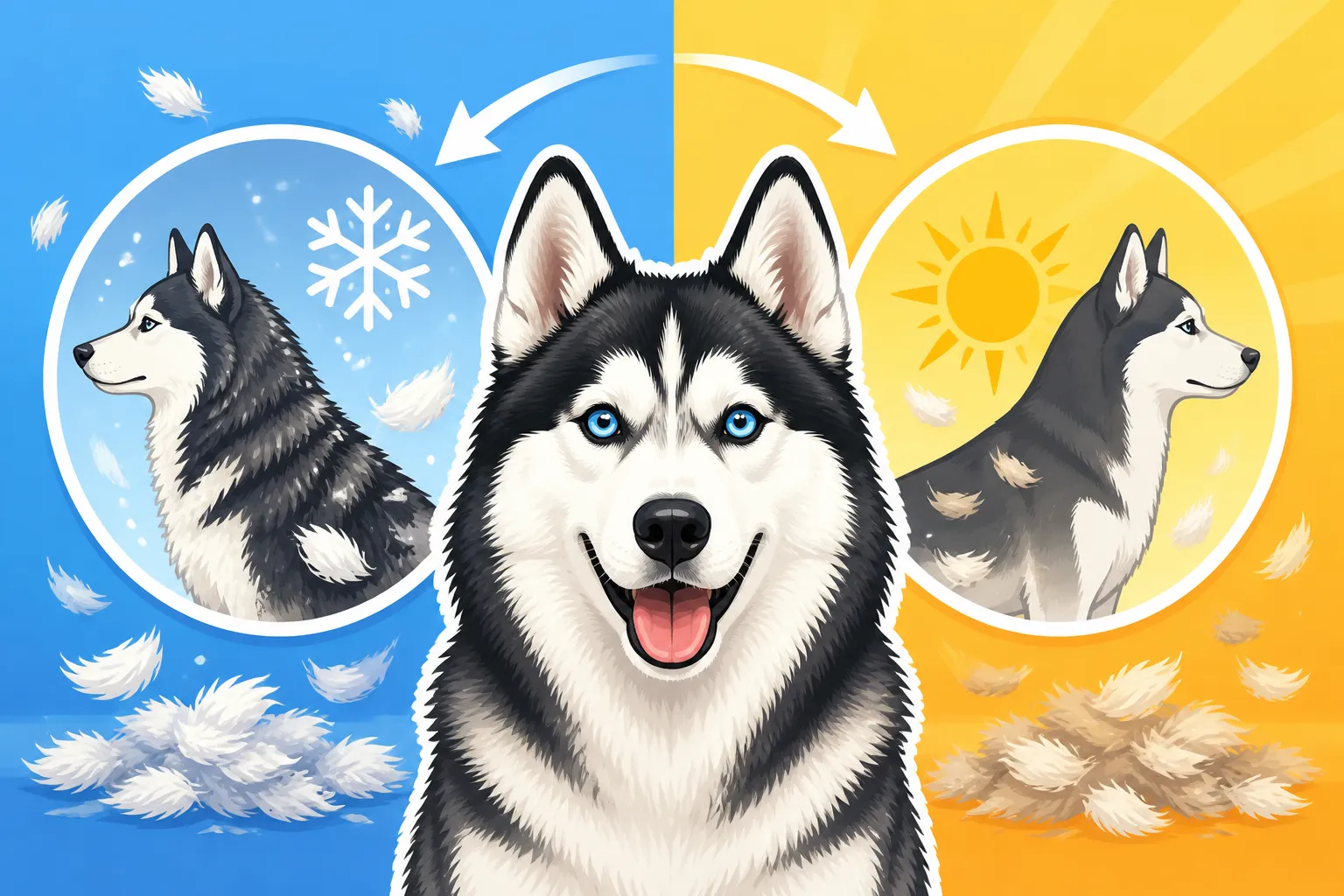
Under natural conditions, like those experienced by their ancestors in Siberia, Huskies would experience two significant "coat blows" each year: one in the spring and one in the fall. The spring blow is usually the most dramatic, as they shed their heavy winter undercoat to prepare for warmer weather. This can literally feel like a winter wonderland inside your house, but with fur instead of snow. The fall blow is when they shed their lighter summer coat to grow in their denser winter undercoat. You can learn more about these specific periods in Spring and Fall Sheds in a Siberian Husky.
These cycles are primarily triggered by changes in daylight hours. As the days get longer in spring, their bodies signal it's time to shed the heavy fur. As days shorten in the fall, it’s time to grow a new, thick coat for winter. However, our modern indoor living arrangements can often disrupt this natural rhythm.
Factors That Influence Shedding Frequency
While twice a year is the ideal, many pet Huskies living indoors shed more consistently, or appear to have more frequent, less intense coat blows. The consistent artificial light and temperature of our homes can confuse their systems, leading to a more gradual, year-round shedding rather than two distinct, explosive periods. This means you might find yourself battling fur more often than you anticipated, even outside the traditional "blow" seasons.
Beyond environmental factors, a Husky's individual health, diet, and even hormonal status (like whether they are spayed or neutered) can affect their shedding. A healthy, well-fed Husky with a balanced diet will generally have a healthier coat and a more predictable shed cycle. Stress or underlying health issues can sometimes manifest as abnormal shedding, which is why it's always good to keep an eye on changes. For instance, sometimes Whether Spaying Changes a Siberian Husky's Shed Cycle is a common question among owners.
Managing the Mighty Husky Shed
Living with a Siberian Husky means accepting a certain level of fur as part of the package. But don't despair! With the right tools and consistent effort, you can absolutely manage the "fur-nado" and keep your home from becoming entirely upholstered in Husky fluff. It's a commitment, but a worthwhile one for these incredible dogs.
Essential Grooming Tools and Techniques
When your Husky is blowing their coat, daily grooming is your best friend. An undercoat rake is an absolute must-have. These tools are designed to reach deep into the undercoat and pull out the loose, dead fur without damaging the guard hairs. During a heavy blow, you'll be amazed at how much fur comes off, and doing it consistently will significantly reduce the amount of fur floating around your house. A slicker brush can also be useful for the topcoat and general tidying, especially after you've raked out the bulk of the undercoat. Brands like Furminator (for undercoat rakes) and various slicker brushes are widely available through retailers like Chewy or Amazon.
Beyond brushing, consider investing in a high-velocity dog dryer. These powerful dryers are what professional groomers use and can literally blow the loose undercoat right off your dog, particularly after a bath. It's a game-changer for reducing shedding and preventing mats, especially during the peak Siberian Husky Coat Blow and the Six Weeks It Lasts. Many owners report vastly reducing household fur by doing this outdoors or in a garage. Remember, the goal is to remove the dead hair before it falls off naturally and lands on your couch. For detailed techniques, refer to Daily Raking Through a Siberian Husky Blow.
Practical Tips for Living with the Furricane
Even with diligent grooming, some fur is inevitable. Regularly vacuuming is non-negotiable for Husky owners. Look for vacuums designed for pet hair, as they often have stronger suction and specialized attachments. Robot vacuums can be a lifesaver for daily maintenance, picking up the constant trickle of fur between deeper cleans. Beyond your floors, don't forget your furniture and clothes. Lint rollers become an extension of your arm during shedding season!
Consider investing in good quality air filters for your home, especially if anyone in your household has allergies. High-efficiency particulate air (HEPA) filters can capture a significant amount of airborne pet dander and fur, making a noticeable difference in air quality. Even small steps, like keeping a dedicated "Husky towel" by the door to wipe paws and give a quick brush after outdoor adventures, can help contain the spread. Managing Living With Siberian Husky Undercoat in the House is a lifestyle, not just a seasonal chore. Whether Air Filters Help in a Siberian Husky House is a common question, and the answer is yes, they really can.
| Shedding Characteristic | Normal Coat Blow | Abnormal Shedding |
|---|---|---|
| Timing | Typically Spring & Fall | Any time, persistent |
| Amount of Hair | Massive, comes out in clumps | Moderate to excessive, can be patchy |
| Appearance of Skin | Healthy, clear, no redness/irritation | Red, flaky, inflamed, hot spots, sores |
| Coat Texture | Undercoat releases easily, topcoat generally intact | Guard hairs may be brittle, coat can be dull, thin, or patchy |
| Behavior | No change in appetite or energy | May scratch excessively, seem uncomfortable, lethargic |
| Areas Affected | Entire body, uniform | Localized patches, disproportionate shedding in certain areas |
| Accompanying Symptoms | None | Skin lesions, odor, weight changes, excessive thirst, changes in mood |
When a Coat Blow Might Signal More
While shedding is a completely normal and expected part of owning a Siberian Husky, there are times when it can be a sign of something more serious. It's important to differentiate between a healthy, albeit heavy, coat blow and shedding that indicates an underlying health issue. Being observant of your Husky's overall condition is key.
Recognizing Abnormal Shedding Patterns
If your Husky is shedding excessively outside of their typical spring and fall cycles, or if the hair loss is patchy, uneven, or accompanied by skin irritation, it's time to pay closer attention. Normal shedding doesn't usually result in bald spots or thin patches; the coat just feels lighter. Abnormal shedding, however, might show up as visible skin, redness, flakiness, or persistent scratching. If you see their skin looking unhealthy, it's a red flag. Also, watch for changes in the texture of the remaining fur, such as it becoming brittle or greasy. These signs indicate that something more than a natural cycle is at play.
This is especially true if you notice your Husky is suddenly shedding significant amounts in mid-winter or mid-summer, without any corresponding change in environment or diet. It’s also important to consider if your Husky seems uncomfortable, is licking or chewing at specific spots, or has a dull, lackluster coat that doesn't feel right. Trust your gut; if something seems off, it probably is.
Health Conditions Affecting Coat Quality
Several health conditions can lead to abnormal shedding or poor coat quality in Siberian Huskies. Thyroid issues, specifically hypothyroidism, can cause a dull, dry coat, patchy hair loss, and sometimes even a "rat tail" appearance. Siberian Husky Thyroid and Autoimmune Disease can certainly manifest in noticeable coat changes. Zinc deficiency, which Huskies are prone to due to issues with zinc absorption, can also lead to skin lesions and hair loss, particularly around the eyes, mouth, and joints. Zinc-Responsive Dermatosis in the Siberian Husky is a specific concern for the breed, and it will definitely impact their coat.
Other issues like allergies, parasites (fleas, mites), fungal infections, or even stress can also cause changes in shedding or coat condition. If you observe any of the abnormal shedding patterns described above, it's always best to consult with your veterinarian. They can perform diagnostic tests to rule out underlying medical conditions and recommend appropriate treatment, getting your Husky back to their beautiful, healthy, albeit still shedding, self. Your vet can give you peace of mind and ensure your furry friend is as healthy as they can be.
Disclaimer
This article is for general informational purposes only and does not constitute professional advice. Laws, prices and regulations vary by location and change over time. Consult a qualified professional for guidance on your specific situation.