Paw Balm for a Cracked Siberian Husky Pad
There’s nothing quite like the boundless energy of a Siberian Husky, but all that running, exploring, and digging can take a toll on their hardworking paws. If you've noticed your husky's paw pads looking dry, rough, or even starting to crack, you know the worry that comes with it. It's uncomfortable for them, and if left untreated, it can become quite painful. This guide is here to walk you through understanding why those tough pads might be failing, how to spot the signs, and most importantly, how to choose and apply the perfect paw balm to soothe and protect your adventurous companion.
Understanding Why Siberian Huskies Get Cracked Paw Pads
Our magnificent Siberian Huskies are built for endurance and thrive in environments that would make most other breeds shiver. Their paws are incredibly specialized, designed by nature for traversing varied terrain, from snow and ice to rough wilderness. However, even with this incredible design, modern living and certain environmental factors can leave their paw pads vulnerable to dryness and cracking. It's a common frustration for husky owners, seeing those tough pads become tender.
One of the biggest culprits is the very environment Huskies love to explore. Think about it: in winter, they’re trotting through icy patches, potentially coming into contact with harsh road salts and de-icers that strip moisture from their pads. Then, in summer, their pads are subjected to scorching hot pavements, rocky trails, and abrasive surfaces during long walks or spirited play sessions. These extreme temperature fluctuations and physical demands are a constant assault on the delicate balance of their paw health. It's not just about the cold or the heat; it's the contrast and the sheer volume of activity that contributes. For more on seasonal care, check out Siberian Husky Paw Care Through Snow and Salt and Hot Pavement Under Siberian Husky Paws.
Beyond environmental exposure, a husky's active lifestyle, while wonderful for their health and temperament, can paradoxically contribute to pad issues. A husky that runs for miles on pavement or gravel, or spends hours digging in the yard, is putting immense friction and pressure on their paw pads. Unlike the cushioned sneakers we wear, their pads are constantly in direct contact with potentially damaging surfaces. Over time, this wear and tear can lead to a loss of natural oils and moisture, making the pads less supple and more prone to splitting. It's a testament to their working heritage that they often push through discomfort, so we, as owners, need to be extra vigilant in recognizing these issues early.
Recognizing the Signs of Cracked Pads and When to Act
It's easy to overlook subtle changes in a husky's paws, especially with their thick fur and stoic nature. However, early detection of paw pad issues can save your dog a lot of discomfort and prevent more serious problems down the line. As a husky owner, you quickly learn to observe their unique quirks, and this extends to their gait and behavior related to their paws. When a husky’s paw pads start to crack, they might not scream in pain, but they'll definitely show signs if you know what to look for.
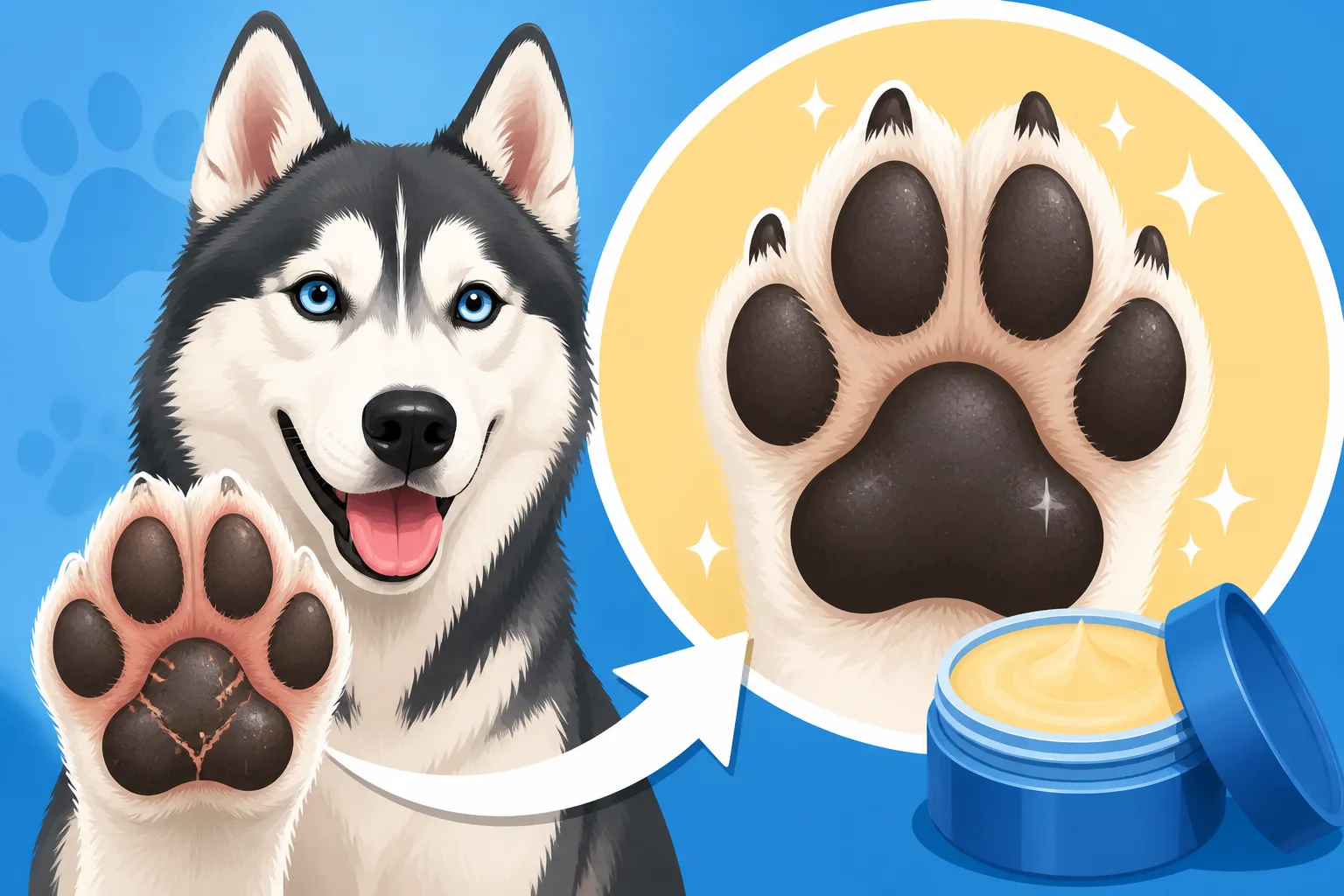
The most common initial sign you'll notice is excessive licking or chewing at their paws. This isn't just grooming; it's often a tell-tale signal that something is irritating them. You might see them favoring a paw, even if it's just a slight hesitation or a subtle shift in weight when standing. When you pick up their paw, you might feel a rougher texture than usual, or even small, visible lines, flaking, or fissures on the pads themselves. These can range from superficial dryness to deeper, more painful splits that can sometimes bleed. It's particularly important to examine their pads after vigorous activity, as this is often when damage becomes most apparent. Regular checks are part of Checking Siberian Husky Pads After Trail Runs.
While minor dryness can often be managed at home with a good paw balm, there are times when a veterinary visit is absolutely essential. If you notice any bleeding, discharge, swelling, or a strong odor coming from the paw, these are red flags that could indicate an infection. Similarly, if your husky is visibly limping, refusing to put weight on a paw, or showing signs of intense pain when you touch their pads, it's time to see the vet. Deep cracks can be incredibly painful and open the door for bacteria to enter, leading to complications that require professional medical attention, possibly even antibiotics. Never hesitate to get professional help, as what seems like a small crack can quickly become a debilitating issue for an active dog like a husky.
Choosing the Right Paw Balm for Your Siberian Husky
Once you've identified that your husky's paw pads need some TLC, the next step is selecting the right paw balm. Not all balms are created equal, and with so many options out there, it can feel a bit overwhelming to pick one that will actually work for your independent adventurer. The goal is to find a product that soothes, moisturizes, and protects, without introducing any harsh chemicals or irritants.
When you're scanning ingredient lists, look for natural, nourishing components. Shea butter is a fantastic emollient, known for its deep moisturizing properties. Beeswax acts as a natural barrier, helping to seal in moisture and protect the pads from environmental elements without suffocating the skin. Lanolin is another excellent moisturizer, mimicking the skin’s natural oils. Ingredients like calendula oil, vitamin E, and coconut oil offer additional healing and anti-inflammatory benefits, which can be particularly helpful for already cracked or irritated pads. You'll often find these kinds of beneficial, natural balms easily available from online retailers like Chewy or Amazon, where you can read reviews from other pet parents. Some specialized brands might also focus on these natural formulations.
On the flip side, it's just as important to know what to avoid. Steer clear of balms that contain artificial fragrances, dyes, parabens, or petroleum jelly (Vaseline). While petroleum jelly might seem like a good barrier, it can actually prevent the skin from breathing and absorbing other beneficial ingredients. Artificial additives can cause irritation, allergies, or even be toxic if ingested, which is a real concern since most huskies will try to lick off anything you apply to their paws. Remember, whatever you put on their paws, they’re likely to taste! So, prioritize natural, non-toxic ingredients. Some companies, like Ollie, focus on natural ingredients across their product lines, and while they might not specialize in paw balms, their philosophy around natural care is something to consider when selecting pet products.
Paw balms come in various forms: sticks, tins, and creams. Sticks are often the easiest for on-the-go application, allowing you to quickly swipe a protective layer on the pads. Tins typically hold a richer, more concentrated balm that you can scoop out with your fingers, allowing for a more thorough massage into deeply cracked areas. Creams are usually lighter and absorb faster. Consider your husky's tolerance for having their paws handled and your lifestyle when choosing the format. For example, if your husky is a fidgeter, a quick stick application might be best, but for a more relaxed dog, taking the time to really work a balm from a tin into each pad can be very beneficial.
Here's a quick comparison of common paw balm ingredients and their benefits:
| Ingredient | Primary Benefit | Why It's Good for Huskies |
|---|---|---|
| Shea Butter | Deep Moisturizing | Replenishes lost moisture, soothes dry, flaky skin. |
| Beeswax | Protective Barrier | Forms a breathable layer against elements like salt and heat. |
| Coconut Oil | Hydrating & Anti-inflammatory | Excellent moisturizer, helps reduce inflammation in irritated pads. |
| Vitamin E | Healing & Antioxidant | Aids in skin repair, protects cells from damage. |
| Lanolin | Emollient | Mimics skin's natural oils, prevents water loss. |
| Calendula Oil | Soothing & Healing | Known for anti-inflammatory and antiseptic properties, calms sore pads. |
Applying Paw Balm and Establishing a Routine
Now that you've got your chosen paw balm, the real fun begins: getting it onto your Siberian Husky's paws! We all know huskies can be wonderfully independent, which sometimes translates to being less than thrilled about having their feet messed with. But with a little patience, positive reinforcement, and a consistent routine, you can make paw balm application a successful and even enjoyable part of your husky's care regimen.
First, gather your supplies: the paw balm, some high-value treats (think cheese or cooked chicken), and maybe a towel to wipe off any excess or keep your hands clean. Choose a quiet time when your husky is relaxed, perhaps after a walk or a cuddle session, rather than when they're full of zoomies. Start by gently handling their paws, praising and rewarding them for allowing it. This isn't about applying balm yet, but about building positive associations with paw touches. Once they're comfortable, take a small amount of balm and gently massage it into each paw pad. Focus on getting it into the cracks and all over the pad surface. Don't forget between the toes, as skin there can also become dry and irritated.
The key to effectiveness is consistency. For noticeable improvement, you'll likely need to apply paw balm once or twice a day, especially in the beginning or during periods of high environmental stress (like deep winter or peak summer heat). As their pads improve, you might be able to scale back to a few times a week for maintenance. If your husky is prone to licking it off immediately, try applying it right before a meal or before bed. This distracts them with food or allows the balm to absorb while they sleep. If they're particularly resistant, consider putting on soft dog booties for 10-15 minutes after application to give the balm time to sink in. These can also be great for protection during walks, as discussed in Booties for a Siberian Husky in Winter.
Beyond regular balm application, adopting a holistic approach to paw care is crucial for long-term health. Always be mindful of the surfaces your husky walks on, especially during extreme weather. In summer, walk your husky during cooler parts of the day to avoid hot pavement. In winter, wipe down their paws after walks to remove any salt or chemicals. Ensure your husky stays well-hydrated, as overall hydration impacts skin health, including paw pads. Regularly trim their nails to prevent them from pushing their toes splayed, which can affect pad pressure. And remember, a husky’s energy needs are immense; ensuring they get adequate exercise, whether through runs, hikes, or harness work (see How Much Exercise a Siberian Husky Really Needs), while monitoring their paw health, is a balancing act. Taking proactive steps can greatly reduce the incidence of cracked pads and keep your husky happily exploring for years to come.
Disclaimer
This article is for general informational purposes only and does not constitute professional advice. Laws, prices and regulations vary by location and change over time. Consult a qualified professional for guidance on your specific situation.