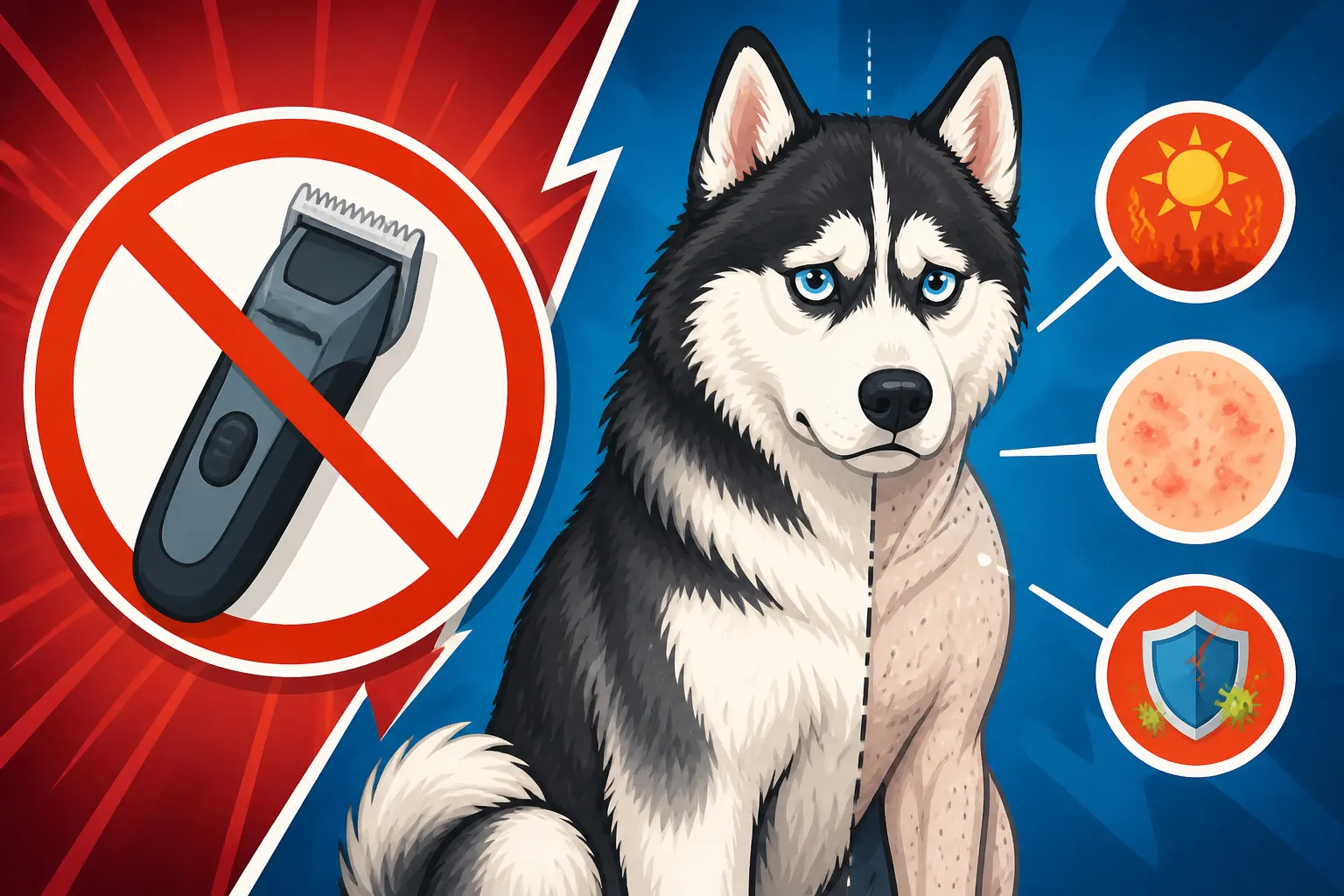
Why You Must Never Shave a Siberian Husky
It's incredibly frustrating when your beautiful Siberian Husky starts shedding like a snowstorm indoors, or you worry about them overheating during warmer months. Many well-meaning owners consider shaving their Husky, thinking it will solve these problems or make their dog more comfortable. However, shaving a Siberian Husky is actually one of the most detrimental things you can do for their health, comfort, and coat integrity. This comprehensive guide will explain exactly why shaving is a serious mistake and what proper alternatives exist to keep your Husky happy and healthy.
The Marvel of the Siberian Husky Double Coat
To understand why shaving is such a bad idea, we first need to appreciate the incredible engineering that is the Siberian Husky's double coat. This isn't just a thick layer of fur; it's a sophisticated temperature regulation system, a protective shield, and a vital part of what makes a Husky a Husky. Born from generations of adaptation to harsh Arctic climates, this coat is designed to handle extremes with remarkable efficiency.
Understanding the Two Layers: Guard Hairs and Undercoat
The double coat consists of two distinct types of hair, each with its own crucial job. The outer layer is made up of coarse, stiff hairs known as guard hairs. These are the longer, more visible hairs that give your Husky its color and pattern. Their primary role is to provide protection against the elements. Beneath this lies the undercoat, a dense, soft, and woolly layer that is much shorter and far more numerous.
The guard hairs act like a natural raincoat and sunscreen. They shed water, repel dirt, and block harmful UV rays from reaching the skin. They also provide a physical barrier against minor scrapes and insect bites. Think of them as the outer shell of a high-tech winter jacket. The undercoat, on the other hand, is the Husky's insulation. It traps air close to the body, creating a thermal barrier that keeps them warm in freezing temperatures and, perhaps surprisingly, cool in warmer weather by preventing external heat from reaching the skin. It's truly a year-round climate control system.
How the Double Coat Regulates Temperature in All Seasons
The genius of the double coat lies in its ability to adapt. In winter, the dense undercoat becomes even thicker, trapping more warm air and shielding the dog from the cold. The guard hairs prevent snow and ice from penetrating to the skin. This allows a Siberian Husky to comfortably withstand temperatures that would be dangerous for other breeds. You might even see them napping happily in a snowdrift! Siberian Husky Cold Weather Care and Its Limits
During warmer months, the Husky "blows" its undercoat, shedding massive amounts of the insulating fluff. This process thins out the undercoat, allowing air to circulate more freely against the skin. The remaining undercoat, along with the guard hairs, still creates an insulating layer, but now it's working to keep heat out and prevent the sun's rays from directly hitting the skin, much like the insulation in your attic keeps your house cool in summer. This airflow and reflective barrier are essential for preventing overheating. What the Siberian Husky Double Coat Actually Does
The Immediate Dangers of Shaving Your Siberian Husky
When you shave a Siberian Husky, you're not just removing hair; you're dismantling a perfectly evolved biological system. The consequences are often far more severe and uncomfortable for the dog than the original issues you were trying to solve. Many owners fall into the trap of thinking a shaved dog will be cooler, but the opposite is true.
Increased Risk of Sunburn and Skin Cancer
Without their protective guard hairs, a Siberian Husky's delicate skin is exposed directly to the sun's harsh UV rays. Just like humans, dogs can get severe sunburn, which is incredibly painful and can lead to blistering and peeling. In the long term, repeated sun exposure on shaved skin dramatically increases their risk of developing skin cancer, including squamous cell carcinoma and melanoma. Sunburn Risk on a Shaved Siberian Husky
Imagine spending a sunny summer day outside without any clothing or sunscreen. That's essentially what you're doing to your Husky when you shave them. Their skin, which is naturally light and adapted to being covered, has no defense. You might notice them acting uncomfortable, constantly trying to find shade, or even developing red, inflamed patches on their back and sides. This immediate discomfort is only the beginning of the problems.
Impaired Temperature Regulation and Overheating
One of the biggest misconceptions about shaving a Husky is that it will make them cooler. This couldn't be further from the truth. By removing the double coat, you eliminate their natural insulation system. In hot weather, this coat acts as a barrier against external heat, preventing it from penetrating to the skin. When shaved, the sun's heat directly hits their body, making them hotter, not cooler.
Without the air trapped in the undercoat, their body struggles to maintain a stable internal temperature. They lose the ability to effectively shed heat through convection. You'll often see shaved Huskies panting more excessively, seeking shade more frantically, and generally showing more signs of heat stress than their unshaven counterparts. This increased risk of overheating can quickly escalate into dangerous conditions like heatstroke, which can be life-threatening. Why a Shaved Siberian Husky Overheats
Vulnerability to Insect Bites and Environmental Irritants
The thick double coat isn't just for temperature; it's a physical shield. Those tough guard hairs create a barrier that makes it harder for mosquitoes, ticks, fleas, and other biting insects to reach the skin. When shaved, your Husky becomes a much easier target. This can lead to increased discomfort from bites, higher risk of insect-borne diseases, and more severe allergic reactions to bites.
Beyond insects, the coat also protects against environmental irritants like thorns, burrs, dust, and allergens. A shaved Husky might experience more skin irritation, scrapes, and minor injuries from brushing against plants or rough surfaces. Their sensitive skin is left exposed and unprotected, making them more prone to discomfort and potential infections from even minor contact.
The Long-Term Consequences for a Siberian Husky's Coat
The damage caused by shaving a Siberian Husky extends far beyond immediate discomfort. The coat, once shaved, often never grows back correctly, leading to a lifetime of grooming challenges, aesthetic changes, and ongoing health concerns. This is a permanent decision with lasting repercussions.
"Coat Ruin" and Improper Regrowth
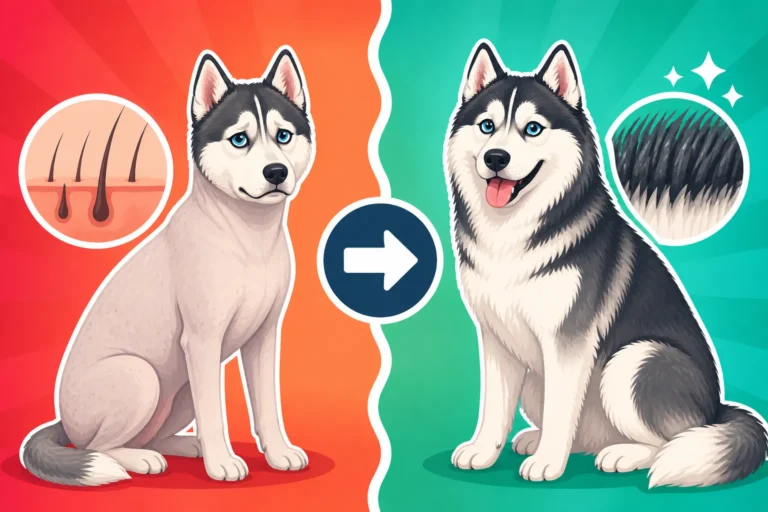
One of the most heartbreaking consequences of shaving is "coat ruin" or "clipper alopecia." When the double coat is shaved, especially down to the skin, the growth cycles of the guard hairs and undercoat are severely disrupted. The undercoat, which grows faster and more densely, often comes back first and overwhelms the slower-growing guard hairs.
This results in a coat that is soft, woolly, and uneven, lacking the protective texture of the original guard hairs. It might grow in patches, appear thin in some areas and thick in others, and often feels coarse or matted. This isn't just an aesthetic issue; a "ruined" coat loses its ability to properly regulate temperature and protect the skin, perpetuating the problems you tried to solve in the first place. Whether a Shaved Siberian Husky Coat Ever Recovers
Increased Matting and Grooming Difficulties
Ironically, shaving a Husky can lead to more grooming problems, not fewer. When the undercoat grows back without the structure and protection of the guard hairs, it becomes much more prone to matting. The soft, cottony texture tangles easily, forming dense mats close to the skin. These mats are not only uncomfortable but can pull on the skin, cause irritation, and create breeding grounds for bacteria and parasites.
Grooming a shaved and ruined coat can become a constant battle. It requires more frequent and careful brushing to prevent mats, and professional groomers often charge more for the extra time and effort needed to manage such a coat. What started as an attempt to simplify things often results in a more complex and frustrating grooming routine for the rest of the dog's life. Regularly using proper tools, like a good undercoat rake or de-shedding tool found on Amazon or Chewy, is essential for an intact coat, but becomes even more critical (and difficult) for a damaged one.
Loss of Natural Aesthetics and Breed Type
Beyond the functional aspects, a shaved Siberian Husky loses its iconic appearance. The majestic, wolf-like silhouette, the flowing guard hairs, and the characteristic double coat are defining features of the breed. Shaving them alters their look dramatically, making them appear uncharacteristic and often revealing skin issues or uneven pigmentation that were previously hidden.
For many owners, the aesthetic appeal of a Siberian Husky is part of what drew them to the breed. While their comfort and health are paramount, the irreversible change to their appearance can also be a source of regret. Understanding that this is a permanent alteration, not just a temporary haircut, is crucial before making such a decision.
Why Owners Consider Shaving and What to Do Instead
It's completely understandable why a Husky owner might contemplate shaving their dog. The sheer volume of fur, especially during coat blow season, can feel overwhelming. Add to that concerns about summer heat, and the idea of a buzz cut can seem like a quick fix. However, there are much better, safer, and more effective ways to address these common Husky challenges.
Shedding Frustration and the "Coat Blow"
Siberian Huskies are legendary for their shedding, particularly during their bi-annual "coat blow" events. Twice a year, typically in spring and fall, they shed their entire undercoat over several weeks. This can result in what feels like an endless supply of loose fur floating through your house, clinging to furniture, and accumulating in corners. It's a messy, frustrating time for any Husky owner, and it’s a big reason why people look for extreme solutions. Siberian Husky Coat Blow and the Six Weeks It Lasts
Instead of shaving, the key is proactive and consistent grooming. During a coat blow, daily brushing with a good undercoat rake is essential. This helps remove the dead undercoat before it can spread throughout your home or form mats on your dog. Investing in a high-velocity dryer, often used by professional groomers, can also be a game-changer. These dryers literally "blow out" the loose undercoat, making the process much more efficient and effective than brushing alone. You can find excellent grooming tools and even high-velocity dryers on sites like Chewy or Amazon.
Concerns About Summer Heat
Another common reason owners consider shaving is the genuine concern for their Husky's comfort in warm climates. Watching your dog pant in the heat can make you feel helpless, and the thought that a shorter coat would cool them down is intuitive, even if incorrect for a double-coated breed. It's a natural instinct to want to make them feel better.
The best ways to keep a Husky cool in summer involve common sense and understanding their unique physiology. Focus on providing plenty of fresh, cool water; limiting exercise to the early morning or late evening hours when temperatures are lower; and offering access to shade or air-conditioned spaces. Cooling mats, kiddie pools, and even ice treats can help. Remember, their double coat actually insulates them from the heat, so removing it does more harm than good. Air Conditioning a Siberian Husky Depends On
Addressing Allergies and Cleanliness
Sometimes, owners hope shaving will reduce allergens in the home or make their Husky cleaner. While it might seem logical that less hair equals fewer allergens, dander—the actual cause of most pet allergies—is still present on shaved skin. In fact, a shaved dog might shed dander more easily without the guard hairs to contain it.
For cleanliness, regular brushing and occasional bathing are far more effective. Huskies are surprisingly clean dogs and generally don't have a strong "doggy" odor. A thorough bath, followed by proper drying (especially with a high-velocity dryer to ensure the undercoat is dry), will keep them clean without compromising their natural protection. If allergies are a major concern, it's worth exploring air purifiers and frequent vacuuming, rather than altering your dog's coat.
Effective Grooming and Care Alternatives
The good news is that you absolutely can manage a Siberian Husky's coat effectively without ever resorting to shaving. It just requires understanding their specific needs and committing to a regular grooming routine. These alternatives will keep your Husky comfortable, healthy, and looking their best.
Regular Brushing and De-Shedding
This is the cornerstone of Husky coat care. Regular brushing, at least a few times a week, and daily during coat blow, is vital. It removes loose undercoat, prevents mats, and distributes natural oils for a healthy shine. An undercoat rake is your best friend here, as it reaches deep into the undercoat without damaging the guard hairs. Look for models with rotating teeth to minimize pulling. A good slicker brush can also help with surface shedding and to smooth the guard hairs.
During heavy shedding seasons, consider professional de-shedding services. Many groomers specialize in this and have powerful tools and techniques, including high-velocity dryers, that can remove an astonishing amount of loose fur in one session. This can greatly reduce the amount of hair in your home and make your Husky much more comfortable. These services can be a bit of an investment, but they're worth it to maintain the integrity of your dog's coat. Professional De-Shedding for a Siberian Husky
Proper Bathing and Drying Techniques
Huskies don't need frequent baths, thanks to their self-cleaning coats. Over-bathing can strip their natural oils, leading to dry skin and coat issues. When you do bathe them, use a dog-specific shampoo and conditioner. The most critical step after bathing is thorough drying. A wet undercoat can lead to skin irritation, hot spots, and an unpleasant odor.
Use absorbent towels initially, then a high-velocity pet dryer to blast out water from the undercoat. This tool is a game-changer for Husky owners. It not only dries the coat quickly and efficiently but also helps to push out even more loose undercoat. Make sure your Husky is completely dry down to the skin before they go outside or settle down, especially in cooler weather. You can find quality pet-specific shampoos and dryers on Chewy or Amazon.
Environmental Cooling Strategies
Instead of shaving, focus on creating a cool and comfortable environment for your Husky during hot weather. This includes:
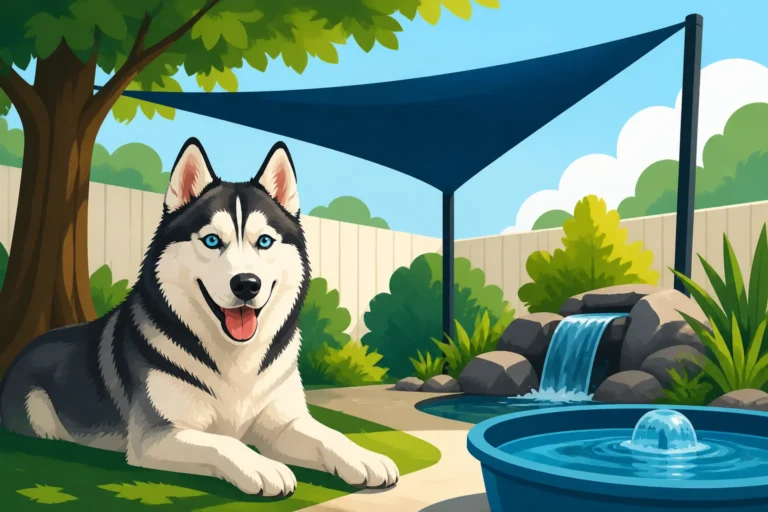
- Shade: Always provide ample shade outdoors, whether from trees, tarps, or dog houses.
- Water: Ensure constant access to fresh, cool water. Consider adding ice cubes to their water bowl or offering a frozen treat.
- Timing Exercise: Walk or run your Husky during the coolest parts of the day – early morning or late evening. Avoid peak sun hours.
- Indoor Comfort: Keep your home air-conditioned or use fans. Provide cooling mats for them to lie on. Some Huskies even enjoy a kiddie pool filled with a few inches of water.
- Frozen Treats: Homemade pupsicles or frozen Kongs can be a wonderful way to help them cool down from the inside out. Cooling a Siberian Husky Without Wetting the Undercoat
Remember, a Husky's natural coat is designed to help them manage heat. By providing external cooling aids and avoiding strenuous activity during the hottest hours, you're working with their biology, not against it.
The Ethical and Responsible Ownership Perspective
Making decisions about our pets' care is a profound responsibility. When it comes to a Siberian Husky's coat, choosing not to shave them isn't just about avoiding a mistake; it's about respecting their natural design and fulfilling our role as responsible guardians. It also sets an example for other owners and helps to preserve the integrity of the breed.
Respecting Breed-Specific Needs
Siberian Huskies were bred over thousands of years to thrive in extremely cold environments, and every aspect of their physiology, from their strong desire to run to their incredible double coat, reflects this heritage. To shave their coat is to disregard centuries of natural selection and intentional breeding. It's like removing the fins from a fish and expecting it to swim better.
Understanding and respecting these breed-specific needs is a hallmark of responsible ownership. It means educating ourselves on what makes our Huskies unique and providing care that aligns with their natural design, rather than imposing human-centric solutions that might seem logical but are actually harmful. This includes managing their abundant fur with proper tools and techniques, rather than simply shearing it off. What the AKC Standard Asks of a Siberian Husky
Consulting Professionals: Vets and Experienced Groomers
If you're truly struggling with your Husky's coat or concerned about their comfort in the heat, the best course of action is always to consult with professionals. Your veterinarian can rule out any underlying skin conditions that might be contributing to discomfort or excessive shedding. They can also offer science-backed advice on heat management.
Experienced groomers, particularly those familiar with double-coated breeds, are invaluable resources. They can demonstrate proper de-shedding techniques, recommend the right tools, and even perform professional de-shedding treatments that remove loose undercoat without damaging the protective guard hairs. They can often provide insights into why a certain coat might be shedding more than usual or feeling particularly dense. Always seek out groomers who explicitly state they do not shave double-coated breeds unless medically necessary.
Dispelling Myths and Educating Others
As a Husky owner, you'll likely encounter people who suggest shaving your dog, often with good intentions but based on misinformation. It's a fantastic opportunity to educate them gently about the unique properties of a double coat and why shaving is detrimental. Sharing your knowledge helps to dispel common myths and promotes better care practices for all double-coated breeds.
By demonstrating responsible coat care—through diligent brushing, de-shedding, and smart cooling strategies—you become an advocate for your Husky and for the breed as a whole. Your healthy, well-groomed Husky will be a testament to the effectiveness of working with nature, not against it.
Living Harmoniously with a Double Coat
Embracing the reality of a Siberian Husky's double coat means accepting a bit of fur in your life, especially during certain times of the year. But with the right tools, routine, and mindset, it becomes a manageable part of sharing your life with these incredible dogs.
Managing Shedding in the Home
Let's be realistic: if you own a Siberian Husky, you're going to have dog hair. It's part of the package. However, you can significantly reduce the amount of fur floating around your house with consistent effort. Beyond regular brushing, consider investing in a high-quality vacuum cleaner designed for pet hair. Robotic vacuums can also be a helpful tool for daily maintenance, picking up loose fur before it accumulates.
Regularly washing dog beds, blankets, and your own linens helps. Lint rollers become an essential accessory. Some owners find that covering furniture with washable throws makes cleanup easier. While you won't eliminate shedding entirely, you can keep it to a manageable level by making coat care a consistent part of your routine. Living With Siberian Husky Undercoat in the House
Seasonal Care Adjustments
Your Husky's coat care isn't static; it changes with the seasons and their natural coat cycles. During spring and fall coat blows, your grooming efforts will need to ramp up considerably. This might mean daily brushing sessions, extra vacuuming, and potentially a visit to a professional groomer for a full de-shed. Spring and Fall Sheds in a Siberian Husky
In between coat blows, regular brushing a few times a week is often sufficient. In summer, focus heavily on cooling strategies and ensuring their coat is clean and free of mats to allow for optimal airflow. In winter, while their coat is at its thickest, ensure it's healthy and dry to provide maximum insulation. Understanding these natural rhythms helps you anticipate their needs and adjust your care accordingly.
The Benefits of an Intact Double Coat
Ultimately, an intact double coat is a sign of a healthy, well-cared-for Siberian Husky. It provides:
- Natural UV Protection: Protecting against sunburn and reducing skin cancer risk.
- Temperature Regulation: Keeping them warm in winter and cool in summer.
- Physical Barrier: Shielding against insects, scrapes, and dirt.
- Water Repellency: Guard hairs help shed water, keeping the undercoat dry.
- Breed Signature: Preserving the iconic look and feel of a Siberian Husky.
It's a testament to nature's perfect design. When we choose to work with that design, rather than against it, we ensure our Huskies live the most comfortable, healthy, and authentic lives possible.
Here's a quick comparison of the shaved versus natural coat for a Siberian Husky:
| Feature | Shaved Double Coat | Intact Double Coat |
|---|---|---|
| Temperature Control | Impaired; leads to overheating and increased heatstroke risk | Excellent; insulates against both heat and cold |
| Sun Protection | None; high risk of severe sunburn and skin cancer | Excellent; guard hairs block UV rays |
| Skin Health | Exposed to irritants, insect bites; prone to issues | Protected from irritants and bites; healthier skin |
| Regrowth Quality | Often grows back "ruined," woolly, uneven, prone to matting | Consistent, natural texture; designed for protection |
| Grooming Effort | Initially seems less, but long-term increases due to mats | Consistent routine; manageable with proper tools |
| Allergen Control | No significant reduction; dander still present | Dander contained better within the coat |
| Aesthetic Appeal | Altered, loses breed characteristics, often looks sickly | Maintained, natural, majestic |
Disclaimer
This article is for general informational purposes only and does not constitute professional advice. Laws, prices and regulations vary by location and change over time. Consult a qualified professional for guidance on your specific situation.