Switching a Siberian Husky to New Food
Switching your Siberian Husky’s food can feel like navigating a minefield, especially when you know how sensitive their stomachs can be, or how prone they are to turning up their nose at anything unfamiliar. It's not just about swapping one bag of kibble for another; it's a careful process that, when done right, ensures your furry friend stays healthy, happy, and well-fed without any unexpected digestive upsets or a frustrating hunger strike. This guide is here to help you manage that transition smoothly, reducing stress for both you and your beloved Husky.
Why a Food Switch Might Be on Your Husky's Menu
Life with a Siberian Husky is rarely boring, and that includes their dietary journey! There are a multitude of reasons why you might be considering a change in their food, ranging from essential health considerations to simple pickiness. It’s important to understand the 'why' behind the switch so you can approach it with the right mindset and expectations.
Addressing Health and Age-Related Needs
As your Husky travels through life, their body changes, and so do its nutritional demands. A rapidly growing puppy has vastly different needs than a spry adult or a wise senior. For instance, a young Husky pup requires carefully balanced nutrients for bone and muscle development, a topic we often discuss in articles like Feeding a Siberian Husky Puppy Month by Month. As they mature, their energy requirements stabilize, and then as they reach their golden years, their metabolism slows, and joint support becomes more critical, which is something we explore in depth with Senior Food for a Siberian Husky Past Ten. Ignoring these shifts can lead to weight issues, nutrient deficiencies, or even exacerbate age-related conditions.
Beyond general aging, specific health concerns frequently prompt a dietary overhaul. Many Huskies grapple with unique sensitivities. For example, some may develop Zinc-Responsive Dermatosis in the Siberian Husky, a condition where their body struggles to absorb enough zinc from their diet, sometimes necessitating a food formulated with higher bioavailable zinc or requiring supplementation. Other Huskies might simply have A Siberian Husky With a Sensitive Stomach that manifests as chronic gas, loose stools, or vomiting, no matter what they eat. In such cases, a vet might recommend a limited ingredient diet, a novel protein source, or a prescription formula. These health-driven changes are non-negotiable and often require a precise, thoughtful approach to switching.
Veterinary advice is paramount in these situations. If your Husky has been diagnosed with a condition like kidney disease, pancreatitis, or severe allergies, your vet will likely prescribe a specific therapeutic diet. These diets are carefully balanced to support specific organ functions or mitigate allergic reactions. It’s not just about choosing a "better" food; it's about choosing the right food as part of their medical treatment plan. Always follow your vet's guidance closely when making these kinds of health-related food changes.
Solving Food Aversions or Digestibility Issues
Sometimes, the reason for a food switch isn't a dire health crisis, but rather a more common, Husky-specific quirk: pickiness! These clever dogs, with their strong opinions, can suddenly decide they no longer approve of their dinner. You might find your Husky, who once devoured every meal, now staring forlornly at their bowl, refusing to touch it. This isn't always a sign of illness, but sometimes a canine protest. We've all been there, wondering "Is my Husky okay?" when they ignore their food, which is a common concern addressed in A Siberian Husky That Skips Meals. A change in flavor or protein source can often rekindle their interest and ensure they're getting the nutrition they need.
Even if they do eat their current food, it might not be agreeing with them internally. Digestive issues can be subtle or overt. Chronic soft stools, excessive flatulence, or even itchy skin can all point to a food intolerance or allergy that’s making your Husky uncomfortable. You might notice they seem lethargic after eating, or their coat has lost its luster. These are all signals from their body that something isn't quite right, and a new food, specifically formulated for sensitive systems or with different ingredients, might be the answer to restoring their gut health and overall well-being.
Finally, the pet food market is constantly evolving. New brands, innovative formulas, and improved ingredient sourcing mean there might simply be better options available than what your Husky is currently eating. Perhaps you've heard about a food with a higher quality protein or fat content that aligns better with their active lifestyle, or a formula that removes a common allergen your Husky might be reacting to. Or maybe your current brand has undergone a formula change that no longer suits your dog. Being open to exploring these new options can be a proactive step toward enhancing your Husky's long-term health and vitality.
The Art of the Gradual Transition: Your Husky's Stomach Will Thank You
Once you've decided on a new food for your Siberian Husky, the actual switch needs to be handled with care and patience. Rushing the process is a surefire way to upset their digestive system, leading to uncomfortable symptoms for your dog and messy situations for you. The key to a successful switch is gradual introduction, allowing your Husky's body, particularly their delicate gut microbiome, ample time to adjust.
The Ten-Day Rule and Its Variations
The absolute golden rule for switching dog food, especially for a breed like the Siberian Husky which can have a notoriously sensitive digestive system, is to do it slowly. Going "cold turkey" and simply swapping out their old food for new overnight is a recipe for disaster. Expect diarrhea, vomiting, and discomfort – essentially, a very unhappy Husky and a very stressed owner. The general guideline, often referred to as the "10-day rule," is designed to prevent this by slowly integrating the new food while phasing out the old.
This method works by gradually increasing the proportion of the new food while simultaneously decreasing the old food over a period of about ten days. This slow introduction allows the beneficial bacteria in your Husky's gut, which are responsible for digesting their food, to adapt to the new ingredients. If you introduce a completely different food too quickly, these bacteria don't have time to multiply and adjust, leading to digestive upset as their system struggles to break down the unfamiliar components. It's like asking your body to suddenly digest a completely new cuisine without any preparation – it can be quite a shock!
While ten days is a common recommendation, it's crucial to remember that every Husky is an individual. Some dogs, particularly those with a history of digestive issues or those prone to pickiness, might need an even longer transition period. You might find that stretching the process out to two or even three weeks is necessary to avoid any setbacks. The goal isn't to hit a specific deadline, but to ensure your Husky navigates the change without any signs of discomfort. Always watch for cues like changes in stool consistency, appetite, or energy levels. If you notice any upset, slow down the process immediately, or even revert to a previous step where they were comfortable. Patience truly is a virtue here, and it will pay off in a happy, healthy Husky.
Step-by-Step Transition Schedule
To make this gradual process as clear as possible, here's a typical transition schedule you can follow. Remember, this is a guideline, and you might need to adjust based on your individual Husky’s response.
| Day Range | Old Food Percentage | New Food Percentage | Observation Focus |
|---|---|---|---|
| Days 1-3 | 75% | 25% | Watch for changes in stool and appetite. |
| Days 4-6 | 50% | 50% | Ensure no diarrhea, vomiting, or excessive gas. |
| Days 7-9 | 25% | 75% | Confirm acceptance of new food, continued good digestion. |
| Day 10+ | 0% | 100% | Monitor long-term adaptation. |
When you're implementing this schedule, make sure you're physically mixing the old and new food together thoroughly in the bowl. Don't just layer them or put them side-by-side, as many Huskies are smart enough to pick out the bits they prefer, defeating the purpose of the gradual introduction. Measuring accurately is also important to ensure the correct proportions. For instance, if you're feeding two cups a day, on days 1-3, you'd feed 1.5 cups of old food and 0.5 cups of new food. This precision helps your Husky's digestive system adjust slowly and consistently.
During this transition, your primary job is observation. Pay close attention to your Husky's stools. They should remain firm and well-formed. Any signs of looseness, mucus, or unusual color indicate you might be going too fast. Also, note their appetite. Are they still eating with enthusiasm, or are they hesitant? If you see signs of digestive upset, it's perfectly fine, and even recommended, to revert to the previous day's ratio for a few extra days until their system settles. For Huskies with A Siberian Husky With a Sensitive Stomach, this slower pace is absolutely vital.
It’s also best to minimize other dietary changes or stressors during this period. Try to avoid introducing new treats, chews, or table scraps that could confuse their digestive system or mask the true effects of the food transition. Consistency is your friend here. If you typically feed at certain times, stick to that schedule. A calm, predictable routine will help your Husky adjust not just to the new food, but also to the overall change in their diet.
Navigating Common Hurdles During a Food Switch
Even with the most careful planning, switching your Siberian Husky's food can come with its own set of challenges. These dogs are notorious for their strong personalities, which often extend to their eating habits. Understanding these common hurdles and knowing how to overcome them will make the process much smoother.
When Your Husky Turns Up Their Nose
Ah, the infamous Husky food strike! These independent thinkers can be incredibly particular about what they eat, and sometimes, a new food, no matter how good it is, just doesn't meet their approval. You might find your Husky giving you the "side-eye" as they sniff the new concoction, then simply walking away from the bowl, staging a silent protest. This can be incredibly frustrating and worrying for owners, especially if you're used to them inhaling their meals. This stubbornness is a classic Husky trait, and it's something many owners experience, often leading to questions like "Why is A Siberian Husky That Skips Meals suddenly not eating?"
For a picky Husky, you might need to employ a few tricks to make the new food more appealing. Sometimes, simply adding a little warm water to their kibble can release aromas that entice them. You could also mix in a tiny bit of something highly palatable, like a spoonful of plain canned pumpkin (not pie filling!) or a small amount of boiled, unseasoned chicken. The key is "a tiny bit" – you don't want to overdo it and throw off the nutritional balance of the new food or create an expectation that every meal will be gourmet. Consistency is also important; don't give in and offer a completely different meal every time they refuse. Huskies are smart and will quickly learn that holding out gets them better options.
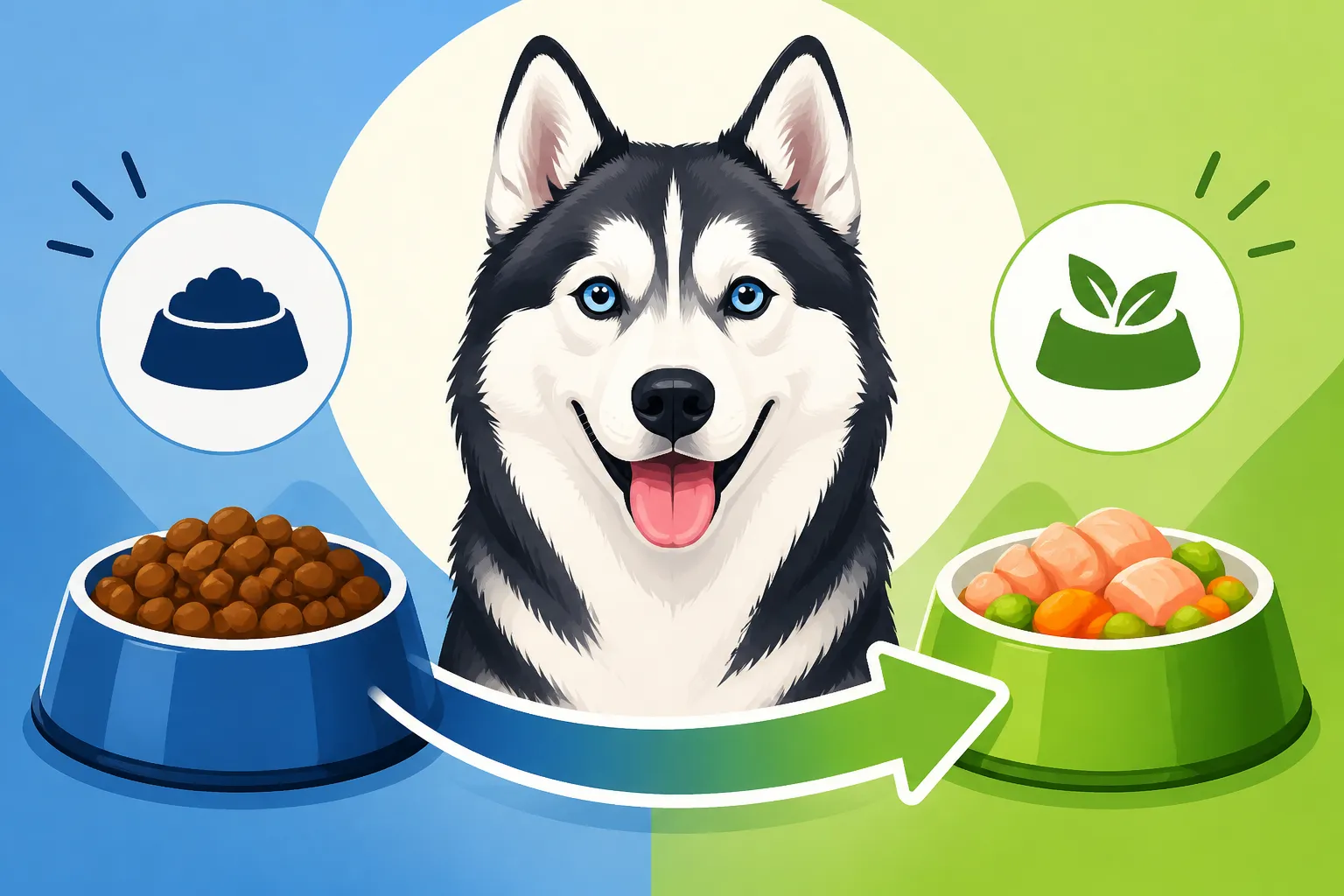
When dealing with a truly resistant eater, exploring different food formats can sometimes be a game-changer. For example, some Huskies might turn their noses up at kibble but be much more enthusiastic about a fresh, human-grade food. Brands like Ollie offer pre-portioned, gently cooked meals that often have a higher palatability for picky dogs due to their fresh ingredients and appealing texture. If you prefer to stick with kibble, you might experiment with different protein sources or formulations available from online retailers like Chewy. They offer a vast selection, allowing you to try smaller bags of various high-quality brands until you find one that your Husky genuinely enjoys and digests well.
Managing Digestive Upset and What to Do
The most common and often messiest hurdle during a food transition is digestive upset. Despite your best efforts to go slow, some Huskies will inevitably experience symptoms like diarrhea, vomiting, or excessive gas. This isn't necessarily a sign that the new food is "bad," but rather that their digestive system needs more time to adjust, or perhaps it's simply not the right fit for them. Waking up to a messy crate or having to clean up accidents in the house can be incredibly disheartening, but remember it's a phase that many dog owners go through.
If your Husky experiences digestive upset, the first and most important step is to slow down the transition even further. If they developed diarrhea on the 50/50 mix, go back to the 75% old food / 25% new food ratio for a few more days, or even revert to 100% old food for a day or two to let their system settle. Sometimes, a short 24-48 hour bland diet of plain boiled chicken and white rice can help reset their stomach. Feed small, frequent meals of the bland diet, then slowly reintroduce the old food for a couple of days, and then restart the new food transition at a much slower pace.
While some mild digestive upset can be managed at home, it's crucial to know when to call your veterinarian. If your Husky experiences persistent vomiting, bloody diarrhea, extreme lethargy, loss of appetite for more than 24 hours, or any signs of severe discomfort or pain, don't hesitate to seek professional help. These symptoms could indicate something more serious than just a food transition hiccup and require immediate veterinary attention to rule out underlying health issues or dehydration.
Finding the Perfect Fit: Researching New Foods
Once you've mastered the how of switching food, the next crucial step is making sure you're switching to the right food in the first place. This involves careful research and consideration of your Husky's specific needs, preferences, and any health concerns.
Start by looking at protein sources. Many dogs can develop sensitivities to common proteins like chicken or beef. If your Husky has been itchy or experiencing gastrointestinal issues, you might want to consider a "novel protein" like venison, duck, lamb, or fish. Think about The Protein Level a Siberian Husky Needs for their energy and muscle maintenance, and remember Why Fat Matters More Than Carbs for a Husky when evaluating the macronutrient balance. Some foods are also specifically formulated with higher zinc levels, which can be beneficial for Huskies prone to Zinc-Rich Food for a Siberian Husky.
Always, always read ingredient labels thoroughly. Look for whole, identifiable ingredients at the top of the list, such as "deboned chicken" or "lamb meal," rather than vague terms like "meat by-products." Avoid foods with excessive fillers, artificial colors, flavors, or preservatives. While online reviews on platforms like Amazon or Chewy can offer insights into palatability and general experiences, remember that every dog is an individual. What works wonders for one Husky might not suit yours, so use reviews as a guide, not gospel.
Finally, resist the urge to buy the biggest bag of a new food right away. Start with the smallest available bag or a sample size if possible. This allows you to test it out with your Husky without committing to a massive, expensive bag of food that they might dislike or that might cause digestive issues. It's a small investment that can save you a lot of money and hassle in the long run. Continually monitor your Husky's overall condition, including their coat, energy levels, and how well you can feel their ribs under their coat (a helpful indicator of healthy weight, as detailed in Reading a Siberian Husky's Ribs Under the Coat), to ensure the new food is truly a good long-term fit.
Disclaimer
This article is for general informational purposes only and does not constitute professional advice. Laws, prices and regulations vary by location and change over time. Consult a qualified professional for guidance on your specific situation.