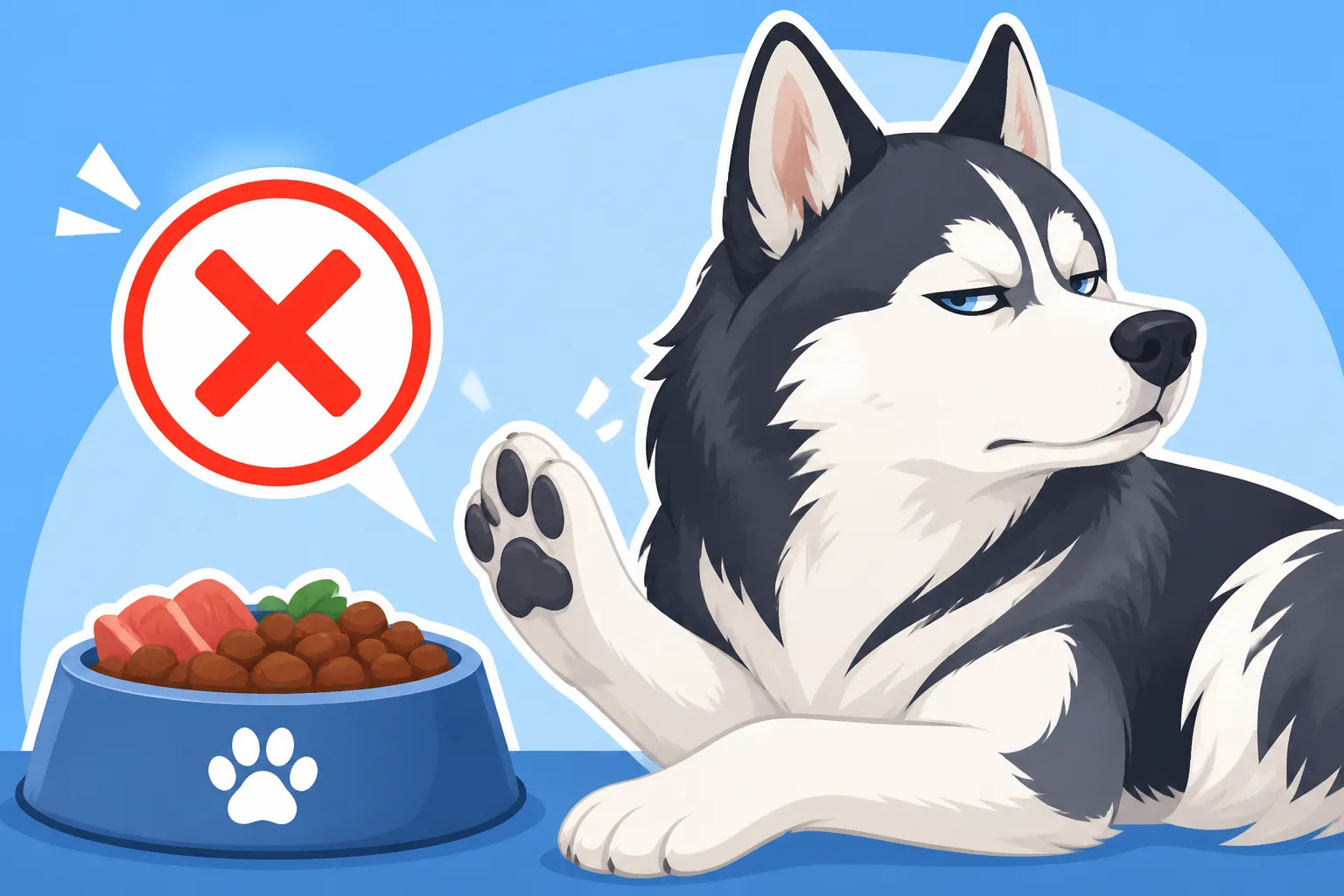
A Siberian Husky That Skips Meals
It's incredibly worrying when your Siberian Husky, who usually tackles life with such boundless energy, suddenly turns up their nose at their food bowl. You stare at the untouched kibble, a knot forming in your stomach, wondering if they're sick, if they're just being stubborn, or if you're doing something wrong. This guide is here to help you understand the unique eating habits of the Siberian Husky and give you actionable steps to take when your beloved snow dog decides a meal just isn't worth their time.
Understanding the Husky Metabolism and Eating Habits
Siberian Huskies are a breed steeped in history, bred for endurance and efficiency in harsh Arctic conditions. This heritage has shaped not just their physical appearance and incredible resilience, but also their unique metabolism and, consequently, their eating habits. Many new Husky owners are caught off guard by just how different their eating patterns can be compared to other breeds. It’s not uncommon for a Husky to act completely disinterested in food that another dog would scarf down in seconds, leading to a lot of head-scratching and concern from their human companions.
The "Feast or Famine" Instinct
One of the most defining characteristics of the Siberian Husky's eating behavior is its "feast or famine" instinct, a direct genetic echo from their working ancestors. In the wild, or on long sledding journeys, food wasn't always readily available. Huskies evolved to be incredibly efficient at utilizing calories, making the most of whatever fuel they received and often able to go long periods without eating large quantities. This isn't laziness; it's a finely tuned survival mechanism.
This ancestral trait often translates into modern-day Huskies having very different appetites than, say, a Labrador Retriever or a Bulldog. Where those breeds might consistently eat every meal with gusto, a Husky might pick at their food, skip a meal entirely, or even go a day without showing much interest in anything offered. This isn't necessarily a sign of illness, but rather their body's way of conserving energy and managing resources. It's crucial for owners to recognize this deeply ingrained pattern rather than immediately panicking or trying to force-feed their dog, which can create further issues.
Why Huskies Eat Less Than You Expect
Given their active nature, many people assume a Siberian Husky requires massive amounts of food. However, this is often far from the truth. Their highly efficient metabolism means they typically need fewer calories per pound of body weight than many other breeds of comparable size and activity level. Overfeeding a Husky is not only easy to do but can also lead to them becoming even pickier or, worse, gaining unhealthy weight.
When you offer too much food, a Husky's natural inclination is to eat what they need and leave the rest, rather than gorging themselves. If they're regularly given more calories than they burn, they might start skipping meals as their body signals that it simply doesn't require more fuel at that moment. This can be especially true for companion Huskies who, while still needing plenty of exercise, might not be burning the intense calories of a sled dog. Learning Calories a Fifty-Pound Siberian Husky Needs Daily can be a real eye-opener for many owners, helping them adjust expectations.
Reading Your Husky's Body Condition
Instead of obsessing over whether your Husky finishes every meal, focus on their overall body condition. This is a much more reliable indicator of their health and nutritional status. A healthy Husky should have a visible waist when viewed from above, and you should be able to easily feel their ribs without pressing hard, but they shouldn't be protruding sharply. Their hip bones should also be palpable but not overly prominent.
Regularly checking their body condition allows you to adjust their food intake over time, rather than going strictly by the numbers on a food bag, which often overestimates the needs of an efficient Husky. A Husky with a healthy weight who occasionally skips a meal is likely just following their natural inclinations. A Husky who is rapidly losing weight or appears emaciated and skipping meals is a different story and warrants immediate veterinary attention. Understanding Feeling for a Waist Under a Siberian Husky Coat is a fundamental skill for any Husky owner.
Common Reasons Your Siberian Husky Might Skip a Meal
When your Siberian Husky turns their nose up at their food, it can be perplexing. While their unique metabolism plays a large role, there are several other common factors, from environmental stress to subtle health issues, that might explain why they're not eager to eat. Pinpointing the cause is the first step towards finding a solution.
Environmental and Stress Factors
Huskies are sensitive creatures, and their environment can significantly impact their appetite. A change in routine, a new person or pet in the house, or even loud noises can be enough to make them feel unsettled and less interested in food. Think about how you feel when you're stressed – a big meal might be the last thing on your mind. Huskies are no different. They thrive on routine and can be sensitive to disruptions.
Temperature is another huge factor. Siberian Huskies are built for cold weather; they even love Snowballs Between Siberian Husky Toes. In warmer climates or during hot summer months, their appetite naturally decreases as their body tries to avoid overheating. Eating generates body heat, so a Husky in a warm environment might self-regulate by eating less. Providing plenty of shade and fresh water, and timing walks to cooler parts of the day, can help them feel more comfortable, but a reduced appetite during warmer periods is often normal. A major change like Moving a Siberian Husky to a Warmer State will almost certainly affect their eating habits initially.
Picky Eaters and Food Boredom
Let's be honest, Huskies can be divas when it comes to their food. They are often incredibly picky eaters. What they loved last week might be completely ignored this week. They can quickly grow bored with the same kibble day in and day out, much to the exasperation of their owners. This isn't necessarily a sign of ill health, but rather a strong preference or an indicator that they're just not excited by what's on offer.
Some Huskies will hold out for something better, especially if they know their humans will eventually give in and offer a tastier alternative or "people food." This can inadvertently reinforce picky eating behaviors. If you constantly switch foods or add enticing toppers every time they refuse a meal, they learn that if they wait long enough, a better option will appear. This isn't to say you shouldn't ever vary their diet, but rather to be mindful of creating a pattern where pickiness is rewarded. Many owners find themselves asking A Siberian Husky That Leaves Food in the Bowl and this often comes down to boredom or training.
Underlying Health Concerns
While Huskies are generally a robust breed, any sudden or prolonged change in appetite, especially if accompanied by other symptoms, warrants a trip to the vet. Dental pain, for example, can make eating uncomfortable. If your Husky suddenly stops eating hard kibble but will eat soft food, it could be a clue. Siberian Husky Dental Disease by Age Five is more common than many owners realize and can significantly impact appetite.
Digestive upset, parasites, kidney issues, or even more serious conditions can all manifest as a loss of appetite. If your Husky is skipping meals and also experiencing lethargy, vomiting, diarrhea, changes in drinking habits, or any other noticeable deviation from their normal behavior, don't hesitate to consult your veterinarian. They can perform a thorough examination and necessary diagnostics to rule out or identify any underlying medical problems. Sometimes, even subtle discomfort can impact their desire to eat.
What to Do When Your Husky Refuses Food
When your Siberian Husky decides to go on a hunger strike, it can feel like a battle of wills. But instead of giving in to frustration or worry, there are several practical steps you can take to encourage healthy eating habits and ensure they're getting the nutrition they need.
Adjusting Feeding Schedules and Portions
One of the most effective strategies for a picky or meal-skipping Husky is to implement a strict feeding schedule and portion control. Instead of leaving food out all day for them to graze, offer meals at specific times – typically twice a day. Give them a set amount of time, say 15-20 minutes, to eat. If they don't finish it, pick the bowl up. Don't offer it again until the next scheduled mealtime. This mimics the "feast or famine" rhythm they’re genetically wired for and teaches them that food is available at certain times, not constantly.
It's also crucial to ensure you're not overfeeding them. As we discussed, Huskies are efficient. If you're consistently offering more calories than they need, they'll simply eat less or skip meals. Refer back to their body condition and adjust accordingly. If your Husky is maintaining a healthy weight but skipping meals occasionally, it might just be that the portion size is a little too generous, or they simply aren't hungry at that moment. Trying Weighing a Siberian Husky's Ration Instead of Scooping can make a huge difference in precision and prevent overfeeding.
Enhancing Palatability and Variety
If your Husky is a consistent picky eater, sometimes a little enhancement can go a long way. Consider adding a small amount of warm water or low-sodium broth to their kibble to make it more aromatic and appealing. You could also try adding a spoonful of plain canned pumpkin, yogurt, or a cooked egg to their meal. Many Huskies respond well to these simple additions.
Rotating between two or three high-quality kibble brands (of similar protein and fat content) every few months can also keep them interested without upsetting their digestive system. You could also explore fresh or lightly cooked food options, like those offered by brands such as Ollie. Some Huskies thrive on these diets. Just be sure to transition slowly to avoid stomach upset and research proper nutritional balance if you're home-preparing meals. Even Fish-Based Food for a Siberian Husky Coat might be a good option if they seem to be losing interest in their current fare. You can often find a great variety of options, from new kibbles to wet food toppers, on sites like Chewy or Amazon, making it easy to experiment.
When to Consult Your Veterinarian
While occasional meal skipping can be normal for a Siberian Husky, there are definite red flags that indicate a veterinary visit is in order. If your Husky suddenly stops eating completely for more than 24-36 hours, especially if they are a puppy or senior, seek veterinary care immediately. Puppies, in particular, can decline quickly.
Other symptoms that warrant an urgent vet visit alongside a loss of appetite include:
- Vomiting or diarrhea
- Lethargy, weakness, or unusual quietness
- Changes in drinking habits (either too much or too little)
- Signs of pain (whining, guarding, limping)
- Bloated or painful abdomen
- Weight loss
- Fever
Even if your Husky isn't showing severe symptoms but has been consistently skipping meals for several days, resulting in noticeable weight loss or a decline in energy, it's always best to get them checked out. Your vet can rule out underlying medical conditions and provide guidance tailored to your individual dog. For example, if your Husky's health is declining, getting clear Kidney Values in an Aging Siberian Husky or a full blood panel can provide crucial information.
Maintaining a Healthy Eating Routine for Your Husky
Beyond addressing immediate meal-skipping incidents, establishing and maintaining a consistent, healthy eating routine is key to ensuring your Siberian Husky thrives long-term. This involves more than just putting food in a bowl; it's about understanding their unique needs and fostering good habits.
The Importance of Consistency
Huskies, despite their independent nature, benefit greatly from routine. When it comes to feeding, consistency helps regulate their digestive system and reduces anxiety, which can sometimes manifest as picky eating. Feed them at the same times each day, in the same location, and ideally using the same bowl. This predictability signals to them when it's mealtime, encouraging them to eat.
Avoid offering treats or human food indiscriminately throughout the day, as this can spoil their appetite for their regular meals. If you do give treats, factor them into their daily calorie allowance, especially since Treat Spending Through Siberian Husky Training can add up. Stick to the 15-20 minute rule for meals: if they don't eat, the food goes away until the next meal. This firm but fair approach teaches them to value their meal opportunities. A consistent schedule also helps you more easily identify when something is truly off, as a deviation from their normal pattern will be much more obvious.
Hydration and Supplemental Support
Proper hydration is paramount for all dogs, but especially active breeds like the Siberian Husky, regardless of how much they're eating. Always ensure they have access to fresh, clean water. In fact, offering a little extra water to their kibble can also help, as mentioned earlier, and sometimes makes the meal more appealing. If you're concerned about water intake, particularly after exercise, consider a pet fountain or offering water in various locations. Knowing Water Intake for a Siberian Husky After Running is crucial, especially for active dogs.
For Huskies who consistently struggle with absorption or have specific health needs, certain supplements might be beneficial, but always consult your vet before adding anything new. For instance, Siberian Huskies are known for Why Siberian Huskies Absorb Zinc Poorly, and some may require zinc supplementation. However, too much zinc can be toxic, so it's vital to get proper veterinary guidance on dosage. Likewise, other supplements for joint health or coat condition might be considered, but never as a substitute for a balanced diet or to compensate for a lack of appetite without professional advice.
Addressing Behavioral Eating Issues
Sometimes, a Husky's refusal to eat isn't about the food or their health, but pure behavior. They might be testing boundaries, seeking attention, or simply being stubborn. If you've ruled out medical causes and environmental stressors, it might be time to address the behavior head-on. Avoid coddling or begging them to eat, as this can inadvertently reinforce the behavior.
Instead, stick to the consistent mealtime routine. If they don't eat, take the food away without fuss. They will eventually eat when they are truly hungry. Never starve a dog, but understand that a healthy Husky will not willingly starve themselves. You can also make mealtime a positive, low-stress experience. Avoid standing over them, staring, or making a big deal out of whether they eat. Offer the food, step away, and let them decide. Engaging them in exercise before mealtime can also stimulate their appetite. For instance, Two Runs a Day for a Siberian Husky can often improve appetite.
Debunking Myths About Husky Feeding
There are many misconceptions floating around about dog feeding, and Siberian Huskies, with their unique needs, often fall prey to these myths. Understanding the truth behind some common beliefs can help you provide the best care for your furry friend and avoid unnecessary worry or harmful practices.
The "Empty Bowl is Best" Fallacy
While the advice to pick up a bowl if your Husky doesn't eat it all is generally sound for establishing routine and preventing picky eating, the idea that an "empty bowl is best" in every scenario can be misleading. This myth implies that a dog should always finish every last morsel, and if they don't, something is wrong or they're being rude. For a Siberian Husky, this simply isn't always true.
Their efficient metabolism means they might not always need to eat as much as other breeds, or even as much as the food bag suggests. An occasional half-eaten meal, or even a skipped meal, might just be their body self-regulating. As long as your Husky is maintaining a healthy body condition, is energetic, and shows no other signs of illness, a less-than-empty bowl isn't necessarily a cause for alarm. The goal isn't a perpetually empty bowl; it's a healthy, well-nourished Husky.
Raw Feeding and Picky Eaters
Raw feeding has gained popularity, and some owners consider it a panacea for picky eaters, hoping the novelty or natural appeal will entice their Husky. While some Huskies do incredibly well on a well-balanced raw diet, it's not a guaranteed fix for pickiness and comes with its own set of considerations. Huskies can be just as picky about raw food as they are about kibble. Switching to raw requires significant research to ensure nutritional completeness, and improper raw diets can lead to nutrient deficiencies or bacterial contamination risks.
If you're considering raw feeding to tempt a picky Husky, approach it with caution and veterinary guidance. Don't assume it will automatically solve the problem. Instead, focus first on consistency, appropriate portion sizes, and ruling out health issues. While there's a debate about Whether Raw Feeding Suits a Siberian Husky, it's vital to remember that it's a commitment to proper formulation, not just throwing meat in a bowl. Always prioritize a balanced diet, whether it's commercial or homemade.
Over-Supplementation Risks
In an effort to boost their Husky's appetite or health, some owners resort to adding numerous supplements to their food. This can be a risky endeavor. While specific supplements like zinc (if prescribed for Zinc-Responsive Dermatosis in the Siberian Husky) are necessary for some Huskies, over-supplementation with vitamins, minerals, or other additives can lead to dangerous imbalances or toxicities.
More isn't always better, especially when it comes to nutrients. A high-quality commercial dog food is formulated to be nutritionally complete and balanced. Adding too much of certain vitamins or minerals can interfere with the absorption of others or even reach toxic levels. For example, excess calcium can cause skeletal problems, and too much vitamin A can be harmful. Always discuss any planned supplements with your veterinarian to ensure they are appropriate and dosed correctly for your Husky's individual needs. Relying on professional advice for Supplements Worth Buying for a Siberian Husky is always the safest route.
Disclaimer
This article is for general informational purposes only and does not constitute professional advice. Laws, prices and regulations vary by location and change over time. Consult a qualified professional for guidance on your specific situation.