Moving a Siberian Husky to a Warmer State
Moving to a warmer state with a Siberian Husky can feel like a daunting prospect, a clash between your dreams of sunshine and your beloved companion's very nature. Many husky owners worry constantly about their dogs overheating, struggling with exercise, and simply not being comfortable in a climate so different from their ancestral home. This comprehensive guide is designed to walk you through every aspect of relocating with your husky to a warmer region, offering practical advice and realistic expectations to ensure your furry friend can thrive, not just survive, in the heat.
Understanding the Siberian Husky's Core Needs in Heat
Let's be honest, Siberians are built for snow and ice, not scorching asphalt and humid air. Their entire physiological makeup is designed for cold weather, which makes a move to a warmer state a significant concern for any responsible owner. It's not just about preference; it's about their fundamental biological adaptations.
The Physiology of a Cold-Weather Dog
The Siberian Husky is a masterpiece of evolution, sculpted by the harsh, freezing winds of Siberia. Their most defining feature, and often the biggest source of confusion for owners in warmer climates, is their incredible double coat. This isn't just fluffy hair; it's a sophisticated insulation system. The dense, soft undercoat provides an exceptional thermal layer, trapping air close to the body. What many people don't realize is that this same undercoat doesn't just keep them warm; it also helps to keep heat out by creating a barrier against the sun's rays and ambient heat.
Beneath that impressive coat, Huskies possess a lean, athletic build and an incredibly efficient metabolism. They are designed to run for miles on minimal calories, generating internal heat, but also shedding it effectively in their natural environment. Their bodies are built for endurance, not for languishing in tropical humidity. Their paw pads are tough and insulated for snow, not for blistering pavement. Even their eyes, often a striking blue, are adapted for bright, reflective snowscapes, potentially making them more sensitive to intense, direct sunlight without proper shade.
Why Warm Climates Pose a Unique Challenge
The challenge of a warm climate for a Siberian Husky isn't just about feeling a bit warm; it’s about a constant battle against overheating. Imagine wearing a heavy winter parka in the middle of summer, all day, every day. That's a rough approximation of what their double coat can feel like when the external temperatures rise significantly. While their coat does offer some protection from the sun, the sheer volume of insulation means that when ambient temperatures exceed their comfortable range, they struggle to dissipate excess body heat.
Heat stroke is a very real and life-threatening danger, a constant shadow hanging over husky owners in hot regions. Unlike many breeds that might enjoy a sunbath, a husky’s ideal temperature range is significantly lower. They are happiest when temperatures hover around freezing, and even mild warmth can cause discomfort, leading to lethargy, panting, and a dramatic decrease in their ability to exercise or engage in their favorite activities. The humidity often accompanying warm climates makes it even worse, as it hinders their ability to cool down through panting, making the air-conditioning unit your husky's new best friend. Understanding Heat Stroke Risk in a Siberian Husky is paramount.
Preparing for the Move: Pre-Transition Steps
Before you even pack the first box, there are crucial steps to take to make the transition as smooth as possible for your husky. It’s not just about physical relocation; it’s about preparing their body and your lifestyle for a dramatically different environment.
Veterinary Consultation and Health Check-up
The very first step on your relocation journey should be a thorough visit to your veterinarian. This isn't just a routine check-up; it's a pre-emptive assessment of how your husky's health might be impacted by a warmer climate. Your vet can perform a comprehensive physical exam, blood work, and discuss any pre-existing conditions that could be exacerbated by heat. For example, a husky with even mild respiratory issues or a heart murmur could be at significantly higher risk for heat-related illness.
This is also an excellent opportunity to discuss preventive care specific to your new location. Many warmer states have different endemic parasites, like heartworm, fleas, and ticks, that your current preventives might not fully cover. You might need to adjust their parasite prevention strategy. Furthermore, your vet can offer tailored advice on weight management, as a leaner husky will generally tolerate heat better. If you have pet insurance, ensure your policy covers your new state or consider options like Healthy Paws, which offers coverage across the U.S., so you’re prepared for any unexpected heat-related vet visits. Being proactive about their health before you move can save a lot of stress and potential emergencies later on.
Gradual Acclimatization Strategies
If at all possible, try to introduce your husky to warmer conditions gradually before the big move. This might not always be feasible, especially if you're moving from a very cold climate to a very hot one, but any small steps can help. For instance, if you live in an area with a spring or summer before your move, allow your husky to experience the warming temperatures incrementally. Keep them indoors in air conditioning during the hottest parts of the day but let them explore the yard during cooler mornings and evenings.
You can also start adjusting their exercise schedule to mimic what it will be like in the warmer state. Begin shifting walks to earlier mornings or later evenings. Introduce cooling aids like cooling vests or bandanas for short periods to get them used to the sensation. The goal is to avoid a sudden, drastic shock to their system. Think of it like training for a marathon; you wouldn't just jump into the race without preparation. Your husky’s body needs time to adapt, even if that adaptation is simply learning new routines around managing heat.
Essential Adaptations for Your Husky in a Warm State
Once you've made the move, the real work of adapting your home and daily routine begins. This isn't just about comfort; it's about survival and quality of life for your Siberian Husky.
Home Environment Modifications
Your home in a warmer state will become your husky’s sanctuary from the heat, and you’ll need to make some significant adjustments. First and foremost, air conditioning is not a luxury; it’s a necessity. You must be prepared to run your AC unit constantly, often at a lower temperature than you might personally prefer, to keep the indoor environment safe for your husky. This means factoring in higher electricity bills, a cost many new owners underestimate. Learning about Air Conditioning Costs in a Siberian Husky Household is vital.
Beyond just the AC, think about creating cool zones. Ceramic tiles or concrete floors can offer a cool spot for them to lie on. Cooling mats, readily available from pet retailers like Chewy, can provide immediate relief. Some huskies even enjoy a small, shallow kiddie pool in a shaded part of the yard. Ensure there's ample shade in your outdoor space, whether from trees, awnings, or shade cloths, so they can still enjoy fresh air without direct sun exposure. Window coverings that block sunlight can also help keep your home cooler and reduce the strain on your AC.
Adjusting Exercise Routines
This is perhaps one of the hardest adjustments for both husky and owner. The vigorous, long runs your husky used to enjoy in cooler climates will likely become a thing of the past during the hottest months. In a warm state, morning walks need to happen before the sun really starts to climb, often at sunrise or even earlier, and evening walks long after sunset when the pavement has had a chance to cool down. You can check the pavement temperature with the back of your hand – if it’s too hot for your skin for five seconds, it’s too hot for their paws.
Focus on shorter, more frequent exercise sessions if needed, and always prioritize mental stimulation indoors when physical activity outdoors isn't safe. Puzzle toys, training sessions, and interactive games can help burn energy without risking overheating. Constantly monitor your husky for signs of heat stress: excessive panting, drooling, lethargy, bright red gums, or stumbling. If you notice any of these, stop immediately and begin cooling them down. Understanding Timing Siberian Husky Walks in Hot Weather and recognizing Panting That Means Trouble in a Siberian Husky can literally be life-saving skills.
Dietary and Hydration Changes
A husky's metabolism is remarkably efficient, meaning they often require less food than similarly sized breeds. In a warmer climate, with reduced exercise, their caloric needs will likely decrease further. Overfeeding can lead to weight gain, which significantly increases their risk of overheating. Consult with your vet or a canine nutritionist to adjust their diet appropriately. You might find that high-energy foods designed for working dogs are no longer suitable, or you may need to reduce portion sizes of their regular food. Brands like Ollie offer fresh, portion-controlled meals that can be easily customized to your husky's activity level and weight goals, making it easier to manage their caloric intake in a less active lifestyle.
Hydration becomes critically important. Always have multiple sources of fresh, cool water available, both indoors and out. Add ice cubes to their water bowl. Consider a dog-specific water fountain to encourage drinking, as the moving water can be more appealing. During walks, carry water with you and offer it frequently. Knowing about Water Intake for a Siberian Husky After Running can help you understand their needs better. You might even consider adding a bit of plain, unsalted chicken broth to their water to entice them to drink more, especially after any outdoor activity.
Grooming and Coat Care in a Hot Climate
This is a topic surrounded by myths, and getting it wrong can have serious consequences for your husky's health and comfort in a warm environment.
The Dangers of Shaving a Siberian Husky
It's a common misconception that shaving a double-coated dog like a Siberian Husky will help them stay cooler. This couldn't be further from the truth and is, in fact, incredibly detrimental to their natural cooling system. Their double coat is designed to protect them from both extreme cold and extreme heat. The undercoat insulates, and the coarse guard hairs reflect sunlight and act as a barrier against UV rays, bugs, and debris.
When you shave a husky, you remove this protective barrier. This exposes their delicate skin to the sun, leading to severe sunburn, which is painful and increases their risk of skin cancer. Furthermore, shaving can permanently damage the coat, causing it to grow back patchy, uneven, and with an altered texture, often losing its ability to properly regulate temperature. The guard hairs may not grow back correctly, leaving them with an "all undercoat" coat that traps heat and mats easily. This is why it's so important to understand Why a Shaved Siberian Husky Overheats and the long-term impact on Whether a Shaved Siberian Husky Coat Ever Recovers. Resist the urge to shave, no matter how hot it gets.
Effective Grooming for Heat Management
Instead of shaving, focus on regular, thorough grooming to help your husky manage the heat. The key is to remove the dead undercoat that would otherwise trap heat. Siberian Huskies famously "blow" their coats twice a year, a process that can last Siberian Husky Coat Blow and the Six Weeks It Lasts. During these periods, daily brushing with an undercoat rake or slicker brush is essential. Even outside of coat-blowing season, regular brushing a few times a week will help keep their coat airy and prevent matting.
High-velocity dryers, available at some self-service dog washes or for purchase, can be incredibly effective at blowing out loose undercoat without damaging the guard hairs. This process helps create better airflow next to the skin, which is crucial for cooling. Bathing should be done sparingly, as too frequent bathing can strip their coat of natural oils. When you do bathe them, ensure they are thoroughly dried, especially the undercoat, to prevent skin issues. Using tools like Undercoat Rakes and Slickers for a Siberian Husky correctly will make a huge difference in their comfort.
Mitigating Risks and Ensuring Well-being
Moving to a warmer state means taking on new responsibilities in safeguarding your husky's health and happiness. It’s about being constantly vigilant and prepared for emergencies.
Recognizing and Treating Heat-Related Illnesses
Every husky owner in a warm climate needs to be acutely aware of the signs of heat exhaustion and heat stroke. Early recognition is critical to preventing a life-threatening situation. Signs include excessive panting, heavy drooling, weakness, stumbling, bright red gums or tongue, vomiting, diarrhea, and in severe cases, collapse or seizures. Never leave your husky in a parked car, even for a few minutes with the windows cracked; the temperature inside can skyrocket rapidly.
If you suspect your husky is overheating, act immediately. Move them to a cooler, shaded area. Offer small amounts of water. Apply cool (not ice-cold) water to their paw pads, groin, armpits, and neck, which are areas where blood vessels are close to the surface. Use a fan to help evaporate the water and provide further cooling. Do not submerge them in cold water, as this can cause shock. Get them to a veterinary emergency clinic as quickly as possible. Time is of the essence in heat stroke cases, and knowing Cooling a Siberian Husky Down Fast can make a difference. The costs associated with emergency care can be substantial, so it’s wise to keep an emergency fund or robust pet insurance coverage in place. Understanding What a Siberian Husky Emergency Visits Run can help you budget for potential issues.
Long-Term Considerations and Quality of Life
Beyond the immediate concerns, it's crucial to consider your husky's long-term quality of life in a warmer climate. A husky's happiness is deeply tied to their ability to run, explore, and engage their minds. While physical activity might be restricted during hot periods, you must find alternative outlets for their energy. Nose work, puzzle toys, advanced obedience training, or even indoor agility can provide mental stimulation. A bored husky, especially one with restricted outdoor access, can quickly become destructive or develop anxiety.
Socialization is also important. If dog parks are too hot, consider indoor doggie daycares or scheduled playdates with other dogs during cooler parts of the day. Regular grooming sessions can be a bonding experience. Ultimately, you need to honestly assess Whether a Siberian Husky Belongs in a Hot State for your specific dog. Some huskies tolerate heat better than others, but none truly thrive in prolonged high temperatures. You must be committed to providing an environment and lifestyle that minimizes their discomfort and maximizes their joy, even if it means significant personal adjustments. For older huskies, who may be less resilient to heat, special care and vigilance become even more crucial. Providing Caring for a Siberian Husky Past Ten in a warm climate means even more diligent monitoring and proactive measures.
Financial Implications of Relocating with a Husky
Bringing a husky to a warmer climate isn't just a lifestyle change; it's a financial commitment that extends beyond the moving truck. The unique needs of this breed in a hot environment translate into ongoing expenses that you might not have anticipated.
Increased Utility and Veterinary Costs
The most significant ongoing expense will likely be your electricity bill. As mentioned earlier, air conditioning is non-negotiable for a Siberian Husky in a warm state. You will be running your AC almost continuously for several months out of the year, and this can lead to utility costs that are far higher than what you might be used to. Consider the energy efficiency of your new home's AC system and factor these projected costs into your monthly budget.
Beyond utilities, there's a higher potential for increased veterinary expenses. Despite your best efforts, the risk of heat-related illnesses like heat stroke, dehydration, and even secondary skin issues due to humidity is elevated. Emergency vet visits for these conditions can be very expensive, easily running into hundreds or thousands of dollars. Regular check-ups might also be more frequent to monitor for any stress the heat might be putting on their system. This is where pet insurance becomes invaluable. Companies like Healthy Paws can help offset the cost of unexpected medical emergencies, offering peace of mind when the unthinkable happens. Even with a good diet from Chewy or Ollie, preventative care is crucial.
Specialized Gear and Maintenance
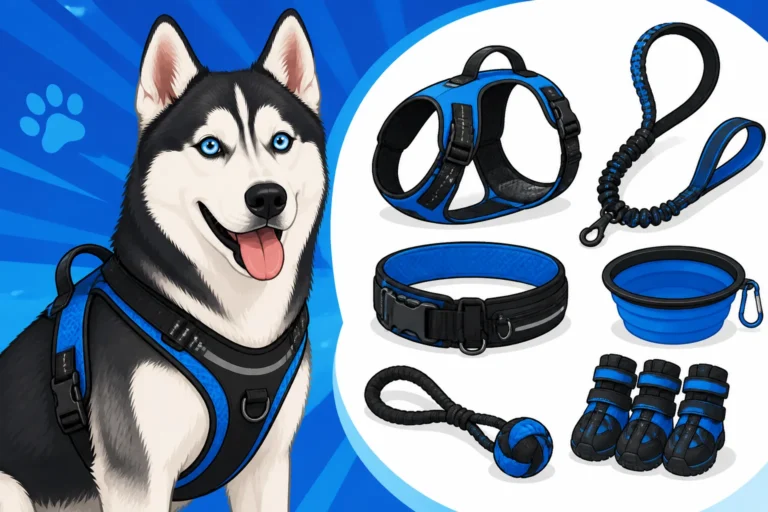
Adapting your husky to a warmer climate also requires an investment in specialized gear. Cooling mats and elevated beds help dissipate heat, preventing them from lying directly on warm floors. Cooling vests or bandanas, while not a substitute for shade and AC, can offer temporary relief during brief outdoor excursions. Paw protection, such as booties, becomes essential for walks on hot pavement, protecting their sensitive paw pads from burns.
You'll also want to invest in high-quality grooming tools, including professional-grade undercoat rakes and potentially a powerful forced-air dryer to ensure their coat is free of insulating dead hair. While professional deshedding services exist, doing it yourself regularly can save money in the long run. Don't forget the costs associated with increased water consumption, possibly a dedicated kiddie pool for splashing, and even things like extra shade structures for your yard. These items, while seemingly small individually, add up and represent a necessary part of ensuring your husky's comfort and safety in their new, warmer home.
| Aspect of Care | Cold Climate (Original) | Warm Climate (New State) |
|---|---|---|
| Exercise Timing | Flexible, often midday | Early morning/late evening, avoiding peak heat |
| Pavement Care | Minimal concern | Essential paw protection (booties, timing) |
| Home Cooling | Heating often primary concern | Air conditioning absolutely essential, constant use |
| Hydration | Important, but less acute | Critical, constant fresh/cool water, ice added |
| Grooming Focus | Managing shedding, preventing mats | Aggressive undercoat removal, promoting airflow |
| Coat Trimming | Never advisable | Still never advisable (risk of sunburn, coat damage) |
| Dietary Needs | Higher calories for energy in cold | Lower calories due to reduced activity, weight management |
| Vet Visits | Routine preventative care | Routine + increased vigilance for heat-related illnesses |
| Outdoor Time | Extended periods often fine | Supervised, brief, shaded only |
| Emergency Risk | Less prone to overheating emergencies | High risk of heat exhaustion/stroke |
Disclaimer
The information provided in this article is for general informational purposes only and does not constitute professional veterinary advice. Always consult with a qualified veterinarian or animal health professional for any concerns about your Siberian Husky's health or before making any significant changes to their diet, exercise, or living arrangements. Individual dogs may react differently to environmental changes.