Panting That Means Trouble in a Siberian Husky
Every Siberian Husky owner knows that panting is a normal part of their dog’s life – after all, these are high-energy dogs with thick coats! But sometimes, that rhythmic puffing can quickly escalate into something concerning, leaving us worried and unsure if it's just a hot dog or a true emergency. This guide will walk you through how to differentiate between normal husky panting and the signs that your beloved companion might be in serious trouble, offering clear actions to take when things get critical.
Understanding Normal Siberian Husky Panting
Panting is a dog's primary way of cooling down, as they don't sweat efficiently through their skin like humans do. It's how they regulate their body temperature, especially with that impressive double coat! For a Siberian Husky, panting is a daily occurrence, often a sign that they're happy, active, or simply a bit warm.
The Appearance of Healthy Panting
When your Siberian Husky is panting normally, it usually looks quite relaxed, even if it's vigorous after a good run. Their mouth will be open, tongue slightly extended, and their breathing will be rapid but rhythmic. You might notice their flanks moving in and out with each breath, but it shouldn't look strained or like they're struggling to catch air. The sound is typically a soft "huff-huff-huff" rather than a gasping or roaring noise. They might be lying down, enjoying a cool spot on the tile, or standing at attention, ready for the next adventure. This is their body doing its job, efficiently exchanging warm air for cooler air and evaporating moisture from their tongue and respiratory tract to release heat.
Think about after a really good play session in the yard, or coming in from a brisk walk on a sunny day. Your husky will likely flop down, pant heavily for a few minutes, maybe take a long drink of water, and then gradually settle back into normal breathing. Their gums should remain a healthy pink, and their eyes should be bright and alert, even if they're a little tired from their exertions. If they recover quickly and seem otherwise fine, it's usually just normal physiological panting.
When Panting Begins to Worry You
The line between normal panting and concerning panting can sometimes feel blurry, especially to a new husky owner. However, there are subtle shifts in a husky's demeanor and the nature of their panting that should immediately catch your attention. If the panting seems disproportionate to the activity they’ve done, or if it doesn't resolve after a period of rest and cooling down, that’s your first cue. A husky that's panting excessively even indoors in a cool environment, or one that’s panting frantically after minimal effort, is a red flag.
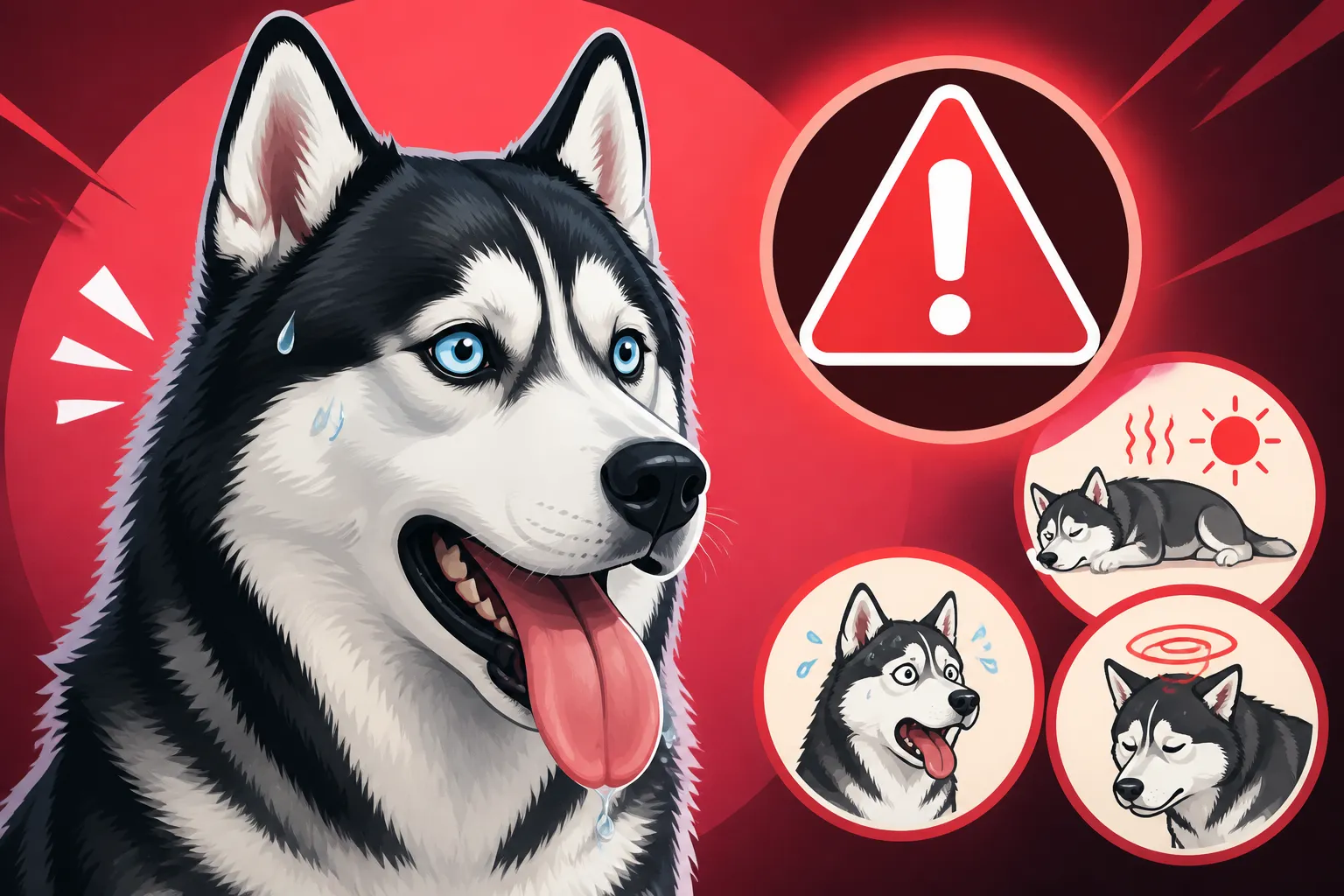
Another warning sign is a change in the type of panting. Instead of rhythmic, it might become shallow, rapid, and almost frantic. You might notice their breathing is louder, with a wheezing or raspy quality that wasn't there before. The tongue might be extended much further than usual, even appearing wider and flatter, as if they're trying to maximize air exposure. Their eyes might look a bit glazed or anxious, rather than bright and engaged. This isn't just a husky cooling off; it’s a husky trying desperately to cool off, and that distinction is crucial. The Temperature a Siberian Husky Starts Struggling At can give you an idea of the environmental factors at play here.
Common Triggers for Excessive Panting
Siberian Huskies are unique creatures, finely tuned for cold climates. This means their bodies aren't always designed to cope easily with prolonged heat or intense exertion in warmer conditions. Many factors can push their normal panting into the "excessive" category, some of which are more concerning than others.
Heat and Humidity
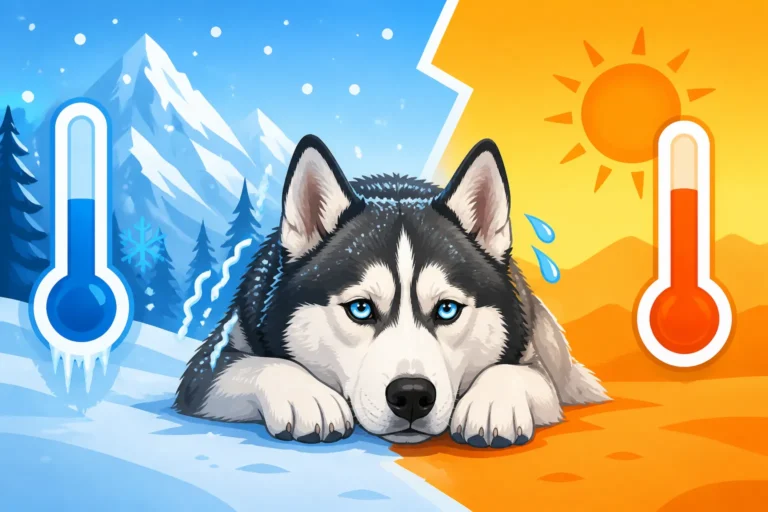
This is probably the most obvious culprit. Your husky's magnificent double coat, which is so effective at keeping them warm in sub-zero temperatures, can become a significant disadvantage when the mercury rises. It traps a layer of insulating air next to their skin, which is great for warmth, but terrible for dissipating heat. High humidity makes things even worse because it reduces the efficiency of evaporative cooling – the main way panting works. If the air is already saturated with moisture, your husky's ability to "sweat" through their tongue and respiratory tract is severely hampered.
Even a moderate temperature on a humid day can be dangerous for a Siberian Husky. What might feel comfortable to you as a human can quickly become oppressive for them. Think about those sticky summer days when you feel like you can't get a good breath in; your husky feels that too, but amplified. Leaving a husky in a car, even with windows cracked, is an absolute no-go on a warm day, as car interiors can heat up to dangerous levels in minutes. Similarly, direct sunlight without access to shade can quickly lead to overheating. For more on this, check out Heat Stroke Risk in a Siberian Husky.
Strenuous Exercise and Overexertion
Siberian Huskies are built for endurance, for pulling sleds over vast distances. They thrive on exercise. However, there's a limit, especially in less-than-ideal conditions. If you're pushing your husky too hard, even on a cooler day, their body temperature can rise rapidly. This is particularly true if they're not conditioned for the intensity or duration of the activity, or if they're carrying extra weight. A husky might be thrilled to run alongside your bike or go for a long hike, but their enthusiasm can mask early signs of overheating until it's too late.
Overexertion isn't just about physical activity; emotional excitement can also contribute. A husky that's overly stimulated by a new environment, a dog park full of new friends, or even an intense training session can pant heavily as part of their emotional response. While this kind of panting usually resolves once the excitement passes, it can still elevate their core temperature, making them more susceptible to other heat-related issues. Learning The Age a Siberian Husky Can Start in Harness can also help manage appropriate exercise levels.
Stress, Anxiety, and Underlying Health Issues
Panting isn't always about temperature. Dogs, including Siberian Huskies, can pant excessively when they are stressed or anxious. This can manifest during vet visits, thunderstorms, fireworks, or even when left alone if they suffer from separation anxiety. This type of panting is often accompanied by other signs of stress, such as pacing, whining, licking lips, yawning, or hiding. Their body's "fight or flight" response kicks in, increasing their heart rate and respiration.
Beyond stress, certain underlying health conditions can also cause abnormal panting. Pain from an injury or an undiagnosed illness, respiratory issues (like asthma or laryngeal paralysis in older huskies), heart conditions, or even certain medications can lead to increased respiratory effort. If your husky's panting is unusual, persistent, and doesn't seem linked to heat or exertion, a vet visit is absolutely in order to rule out medical causes. For example, some neurological issues can cause panting, or even Siberian Husky Thyroid and Autoimmune Disease can sometimes have indirect effects on metabolism that could lead to discomfort and panting.
When Panting Becomes a Red Flag: Emergency Signs
While some panting is normal for a Siberian Husky, there are critical signs that tell you the situation has escalated from warm and tired to dangerous and life-threatening. Recognizing these immediately is vital for your husky's survival.
Changes in Gum and Tongue Color
This is perhaps the most critical visual cue. A healthy husky's gums should be a salmon pink color. If you notice their gums turning a dark red, brick red, or especially a bluish-purple (cyanotic), this is an immediate emergency. Dark red gums indicate severe overheating and dehydration, while blue or purple gums mean your husky isn't getting enough oxygen. Their tongue may also take on this alarming bluish tint. These color changes signal that their body's systems are shutting down and immediate veterinary intervention is required.
Don't wait for other symptoms if you see this. Even if your husky seems otherwise "fine" (which they likely won't be), blue or purple gums mean their circulatory system is in distress, and every second counts.
Excessive Drooling or Foaming at the Mouth
While some drooling can occur with heavy panting, excessive, thick, ropey drool, or even foaming at the mouth, is a severe warning sign. This indicates that your husky is struggling to cool down and may be experiencing neurological distress as a result of overheating. The body is trying to eliminate heat and toxins, and the foaming can be a sign of critical system failure.
It's not just about the volume; pay attention to the consistency and color. Clear, bubbly drool is less concerning than thick, sticky, or discolored saliva. If your husky also seems disoriented or unresponsive along with the drooling, you're definitely facing an emergency.
Disorientation, Weakness, or Collapse
A husky that is normally energetic and alert but suddenly appears confused, stumbles, or becomes weak and wobbly on its feet is experiencing severe heat stress. They might bump into objects, struggle to follow commands, or seem to "zone out." This can quickly progress to staggering, inability to stand, or outright collapse. Seizures can also occur in severe cases of heat stroke, which is another terrifying symptom.
These neurological signs indicate that their brain is being affected by the extreme heat. The delicate tissues of the brain are highly susceptible to heat damage, and prompt action is crucial to prevent irreversible injury. If your husky collapses, get them to emergency vet care immediately while attempting to cool them down.
Vomiting and Diarrhea
Gastrointestinal upset, including vomiting and diarrhea (sometimes bloody), is a common symptom of severe heat stroke in dogs. When the body overheats, blood flow can be diverted away from the internal organs to the skin to aid in cooling, which can damage the lining of the stomach and intestines. This damage can lead to nausea, vomiting, and diarrhea, further dehydrating your already struggling husky.
If these symptoms appear alongside other signs of distress like heavy panting and disorientation, it underscores the severity of the situation. Every symptom listed here, especially in combination, points to a medical emergency. You can learn more about general emergency scenarios in What Siberian Husky Emergency Visits Run.
| Symptom Category | Normal Panting (Healthy) | Concerning Panting (Trouble) | Emergency Panting (Critical) |
|---|---|---|---|
| Breathing | Rhythmic, steady, moderate depth | Rapid, shallow, frantic, disproportionate to activity | Labored, gasping, roaring sounds, struggling for breath |
| Tongue/Gums | Pink, moist, tongue slightly extended | Dark red gums, dry or sticky mouth, wider tongue | Bluish-purple (cyanotic) gums/tongue, white/pale gums |
| Saliva | Minimal drool | Increased drooling, thick, stringy saliva | Excessive drooling, foaming at the mouth, discolored saliva |
| Behavior | Alert, responsive, recovers quickly after rest | Restless, anxious, uneasy, seeking cool spots desperately | Disoriented, stumbling, unresponsive, weak, collapse, seizures |
| Other Signs | None typically | Elevated body temperature (103°F+), loss of coordination | Vomiting (possibly bloody), diarrhea (possibly bloody), tremors |
Immediate Actions and Prevention Strategies
Knowing when to act is critical, but knowing how to act can save your Siberian Husky's life. Here's what you need to do and how to prevent these emergencies from happening in the first place.
First Aid for Overheating
If you suspect your Siberian Husky is overheating, immediate cooling is paramount. Time is of the essence.
- Move to a Cooler Location: Get your husky out of direct sun or the warm environment immediately. Bring them into an air-conditioned space, a shady area, or even a cool garage.
- Apply Cool (Not Cold) Water: Wet your husky's body, focusing on areas with less fur and high blood flow, such as the paws, groin, and armpits. You can use a hose on a gentle setting, wet towels, or even a sponge. Crucially, use cool water, not ice-cold water, as very cold water can cause the blood vessels to constrict, trapping heat inside their body and potentially leading to shock. Never submerge them in icy water. For more details, see Cooling a Siberian Husky Down Fast.
- Use Fans: Position a fan to blow air over their wet body. The evaporative effect will help draw heat away.
- Offer Small Amounts of Water: If your husky is conscious and willing, offer small amounts of cool (not cold) water to drink. Don't force them to drink, as they might aspirate it.
- Monitor Temperature: If you have a rectal thermometer, carefully take their temperature. The goal is to bring their temperature down to about 103°F (39.4°C). Once it reaches this point, stop cooling efforts to prevent hypothermia, as their body temperature can continue to drop naturally.
Even if your husky seems to recover, it's vital to seek veterinary attention after an overheating incident. Heat stroke can cause internal organ damage that may not be immediately apparent.
When to Seek Veterinary Care
Always err on the side of caution. If your Siberian Husky exhibits any of the emergency signs mentioned above (dark red/blue gums, excessive drooling, disorientation, collapse, vomiting/diarrhea), it's a critical emergency. Transport them to the nearest emergency veterinary clinic immediately. Call ahead if possible to let them know you're coming so they can prepare.
Remember, early intervention significantly improves the prognosis for heatstroke. Don't try to "wait and see" if they get better at home if you're seeing severe symptoms. The damage from overheating can be swift and severe, affecting kidneys, liver, brain, and other vital organs.
Proactive Management and Prevention
The best approach to preventing heat-related issues in your Siberian Husky is through proactive management and careful planning.
- Avoid Peak Heat: Schedule walks and strenuous exercise for the coolest parts of the day – early mornings and late evenings. Walking a Siberian Husky Before Sunrise is often the best time during summer months. During really hot weather, skip long walks altogether and opt for indoor mental enrichment or short potty breaks.
- Provide Constant Hydration: Always have fresh, cool water available for your husky. If you're out and about, carry a portable water bottle and bowl. Consider adding a few ice cubes to their water bowl at home. Water Intake for a Siberian Husky After Running is crucial for recovery.
- Ensure Shade and Cool Areas: If your husky spends any time outdoors, they must have constant access to deep shade and a cool resting spot. A kiddie pool with a few inches of water can be a lifesaver, as can a shaded, tiled patio.
- Cooling Products: Invest in cooling mats, raised dog beds, or specialized cooling vests (just be sure they don't trap heat if not properly used). Many options are available from retailers like Chewy or Amazon. For example, a simple gel cooling mat or a fan directed at their sleeping area can make a huge difference. Cooling Mats and Fans for a Siberian Husky provides more tips.
- Never Leave in a Car: Even on a mild day, temperatures inside a car can skyrocket. It's never safe to leave a dog in a parked car, even with windows cracked.
- Understand Their Limits: Learn your husky's individual tolerance for heat and exercise. Some are more sensitive than others. If they're panting heavily and lagging behind, it's time to stop and rest. Be extra cautious with older huskies, puppies, and those with underlying health conditions.
- Grooming for Health: While you should never shave a Siberian Husky (this actually impairs their ability to regulate temperature and exposes their skin to sunburn, as discussed in Why a Shaved Siberian Husky Overheats), regular grooming, especially during seasonal coat blows, is important. Removing loose undercoat allows for better airflow and insulation. How a Siberian Husky Coat Keeps Heat Out details the importance of their unique coat structure.
- Consider Your Climate: If you live in a perpetually hot and humid environment, seriously consider if a Siberian Husky is the right breed for you. While some adapt, it's a constant battle. Whether a Siberian Husky Belongs in a Hot State dives deeper into this topic.
By being observant, understanding the difference between normal and dangerous panting, and taking proactive steps, you can help ensure your Siberian Husky stays happy, healthy, and cool.
Disclaimer
This article is for general informational purposes only and does not constitute professional advice. Laws, prices and regulations vary by location and change over time. Consult a qualified professional for guidance on your specific situation.