Feeding an Old Siberian Husky That Has Slowed
It's a bittersweet reality for many of us who share our lives with these magnificent dogs: as our beloved Siberian Huskies age, their once boundless energy often begins to mellow. That whirlwind of fur that used to demand two hours of running daily might now be content with a gentle stroll around the block, leaving us wondering how to best adjust their diet to match their slowing pace and evolving needs. This guide is here to help you navigate the dietary shifts necessary to keep your senior Husky healthy and comfortable as they gracefully transition into their golden years.
Understanding the Aging Husky Metabolism
Just like us, a Siberian Husky's body changes significantly as they get older. What worked for them as a vibrant, active adult might not be what serves them best as a senior, especially when you notice them slowing down. Their metabolism isn't quite the furnace it once was, and their bodily systems become a little less efficient.
Why Energy Needs Drop
The most noticeable change in an aging Siberian Husky is often a reduction in their overall activity level. Those long, enthusiastic runs might shorten, the play sessions might become less intense, and they might spend more time napping in sunny spots. This natural decrease in physical exertion directly translates to lower calorie requirements. If their food intake doesn't decrease to match this, it's incredibly easy for senior Huskies to pack on extra pounds, which can put unnecessary strain on their joints and other organs. It's not about them becoming lazy; it's a physiological shift where their body simply doesn't burn as much energy as it used to.
Beyond visible activity, even the basal metabolic rate – the energy their body uses just to exist, to breathe, to keep warm – can subtly decrease. This means the furnace is turning down, and we, as their caregivers, need to adjust the fuel accordingly. We're not starving them, but rather fine-tuning their diet to prevent the accumulation of excess fat, which offers no benefit and only increases health risks. The Average Siberian Husky Lifespan often means many years of managing these subtle shifts.
Common Health Changes Affecting Appetite and Digestion
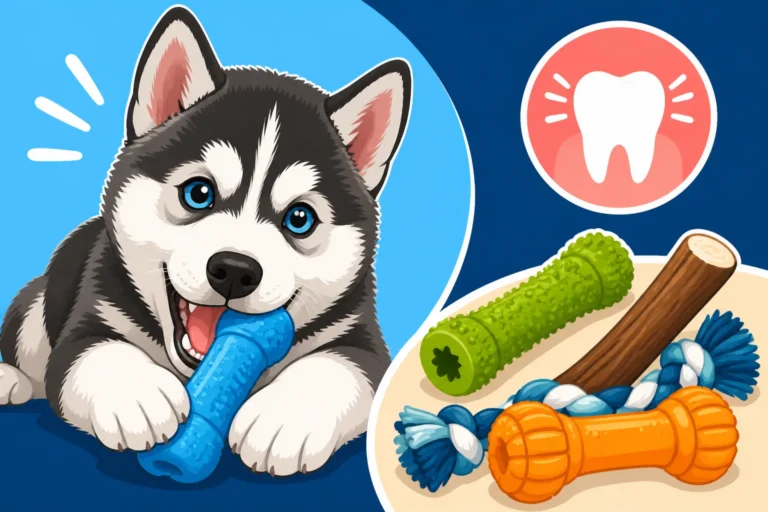
Aging brings with it a host of potential health challenges that can directly impact how your Husky eats and digests food. Dental problems, for instance, are incredibly common. Years of chewing can lead to plaque buildup, gum disease, and even tooth loss, making it painful to chew hard kibble. Imagine trying to eat a crunchy snack with a toothache; it's just not appealing. This discomfort can cause a Husky to turn their nose up at food they once loved, or to eat much more slowly.
Beyond the mouth, internal organs can also begin to show their age. Kidney and liver function might decline, requiring diets with specific protein or phosphorus levels to reduce the workload on these vital organs. Digestive enzymes might not be produced as effectively, leading to issues like constipation, diarrhea, or a general lack of nutrient absorption. Arthritis or other painful conditions can make it uncomfortable for your Husky to stand at a food bowl for long periods, or to even bend down to eat. Sometimes, a Husky might just start eating less because they feel generally unwell, and their appetite is simply not what it used to be. Siberian Husky Dental Disease by Age Five is something to be aware of even before the senior years.
Adjusting Calorie Intake for a Slower Pace
The biggest mistake we often make when feeding an older, less active Siberian Husky is continuing to feed them the same amount of food they ate in their prime. Their bodies are incredible at efficient energy usage, a trait honed by their sled dog ancestors, and this efficiency actually increases with age for many.
Recognizing Weight Gain or Loss
The first step in adjusting their diet is always to assess their current body condition. You should be able to easily feel your Husky's ribs with slight pressure, almost like feeling the back of your hand. You shouldn't be able to see their ribs without pressing, and they shouldn't feel like a solid, padded barrel either. A slight tuck-up in their waist when viewed from above and the side is also a good sign. If you're seeing a disappearing waistline or struggling to feel their ribs, your Husky is likely overweight. On the flip side, some senior Huskies might actually lose weight due to underlying health issues, decreased appetite, or less efficient nutrient absorption. Feeling their hip bones or shoulder blades protruding easily can indicate they are too thin.
Regularly weighing your Husky, perhaps monthly, can be an invaluable tool. Since Huskies have such a dense double coat, visual assessment alone can be tricky. What looks like a healthy coat could be hiding excess padding underneath. If you notice a steady upward trend on the scale, it's a clear signal that a calorie reduction is in order. Conversely, unexplained weight loss always warrants a vet visit, as it can be a symptom of a more serious health problem, not just aging. A Siberian Husky Weight and Joint Health article can provide more insight into maintaining an ideal body condition.
Portion Control and Meal Frequency
Once you've assessed their condition, it's time to get serious about portion control. Resist the urge to eyeball it. Instead, invest in a kitchen scale and weigh out their food. Many vets recommend starting with a 10-20% reduction in their previous adult serving size for a less active senior, and then adjusting from there based on weekly body condition checks. Some commercial senior dog foods are formulated with fewer calories per cup, which can be a good starting point, but always check the specific calorie count (kcal/cup) on the bag. Remember, the feeding guidelines on most food bags are for highly active dogs and often suggest far more than a typical pet Siberian Husky, let alone a senior one, actually needs.
For older Huskies, moving from one large meal a day to two smaller meals can be beneficial. This can aid digestion, reduce the likelihood of an upset stomach, and keep them feeling satisfied throughout the day without overloading their system. If dental issues or a slower eating pace are a concern, splitting meals also allows for more relaxed eating without rushing. If your Husky has lost some weight and struggles to eat enough in one sitting, offering smaller, more frequent meals can also help them get adequate nutrition without feeling overwhelmed.
Nutrient Focus for Senior Huskies
As our Huskies journey into their elder years, their nutritional needs don't just decrease in quantity; they also shift in quality. The specific balance of macronutrients and micronutrients becomes even more critical to support their changing body and stave off age-related decline.
The Importance of Protein and Joint Support
Contrary to some older beliefs, senior dogs, including Huskies, generally benefit from adequate to higher quality protein in their diet. This is crucial for maintaining muscle mass, which naturally declines with age (sarcopenia). Losing muscle can make them weaker, less stable, and more prone to injury. The key here is quality protein – easily digestible sources that provide essential amino acids without putting undue stress on the kidneys. Look for named meat sources like "chicken meal" or "lamb" as primary ingredients.
Joint health is another paramount concern for senior Huskies. Even though they have a lower incidence of hip dysplasia than many breeds, years of activity can take their toll on cartilage and ligaments. Many senior dog foods incorporate supplements like glucosamine and chondroitin, which are thought to support joint cartilage. Omega-3 fatty acids, particularly EPA and DHA found in fish oil, are also incredibly beneficial for their anti-inflammatory properties, which can help alleviate joint pain and improve mobility. If your Husky is struggling with arthritis, a dedicated supplement from a reputable brand available on platforms like Chewy or Amazon might be worth discussing with your vet. Pain Management for an Arthritic Siberian Husky often includes dietary considerations.
Fiber and Digestive Health
An aging digestive system can become a bit sluggish, leading to issues like constipation. Adequate fiber in your senior Husky's diet can be a game-changer for maintaining healthy bowel movements. Fiber adds bulk to stool, helping it move smoothly through the intestines. However, too much fiber can be detrimental, leading to nutrient malabsorption or excessive gas. A balanced amount of both soluble and insoluble fiber is ideal. Natural sources include pumpkin, sweet potatoes, and beet pulp often found in commercial dog foods.
For Huskies prone to digestive upset, or those who might benefit from prebiotics to support a healthy gut microbiome, some senior formulations include ingredients like FOS (fructooligosaccharides) or MOS (mannanoligosaccharides). These can help foster the growth of beneficial gut bacteria, leading to better digestion and nutrient absorption. If your Husky is experiencing chronic diarrhea or constipation, it's always wise to consult your veterinarian to rule out underlying medical conditions and determine the appropriate fiber balance.
Essential Fatty Acids and Antioxidants
Beyond joint health, essential fatty acids, especially omega-3s, play a crucial role in maintaining healthy skin and a lustrous coat – even on an older Husky. They also support cognitive function, which can be important as some Huskies may experience mild cognitive decline (like confusion or disorientation) in their very senior years. A diet rich in these beneficial fats can help keep their brain sharp and their skin supple.
Antioxidants, such as vitamins E and C, selenium, and compounds found in fruits and vegetables, are vital for combating oxidative stress, which contributes to cellular aging. These powerhouses help protect cells from damage, potentially slowing the progression of age-related diseases and supporting the immune system. Many premium senior dog foods are fortified with higher levels of antioxidants. If you're feeding a home-cooked diet (always under veterinary guidance!), adding certain fruits and vegetables can boost their antioxidant intake.
Making Mealtime Easier and More Appealing
Sometimes, it's not just about what you feed your senior Husky, but how you feed them. Physical limitations, decreased senses, and reduced appetite can all make mealtime a challenge. Thoughtful adjustments can make a world of difference.
Addressing Dental Challenges
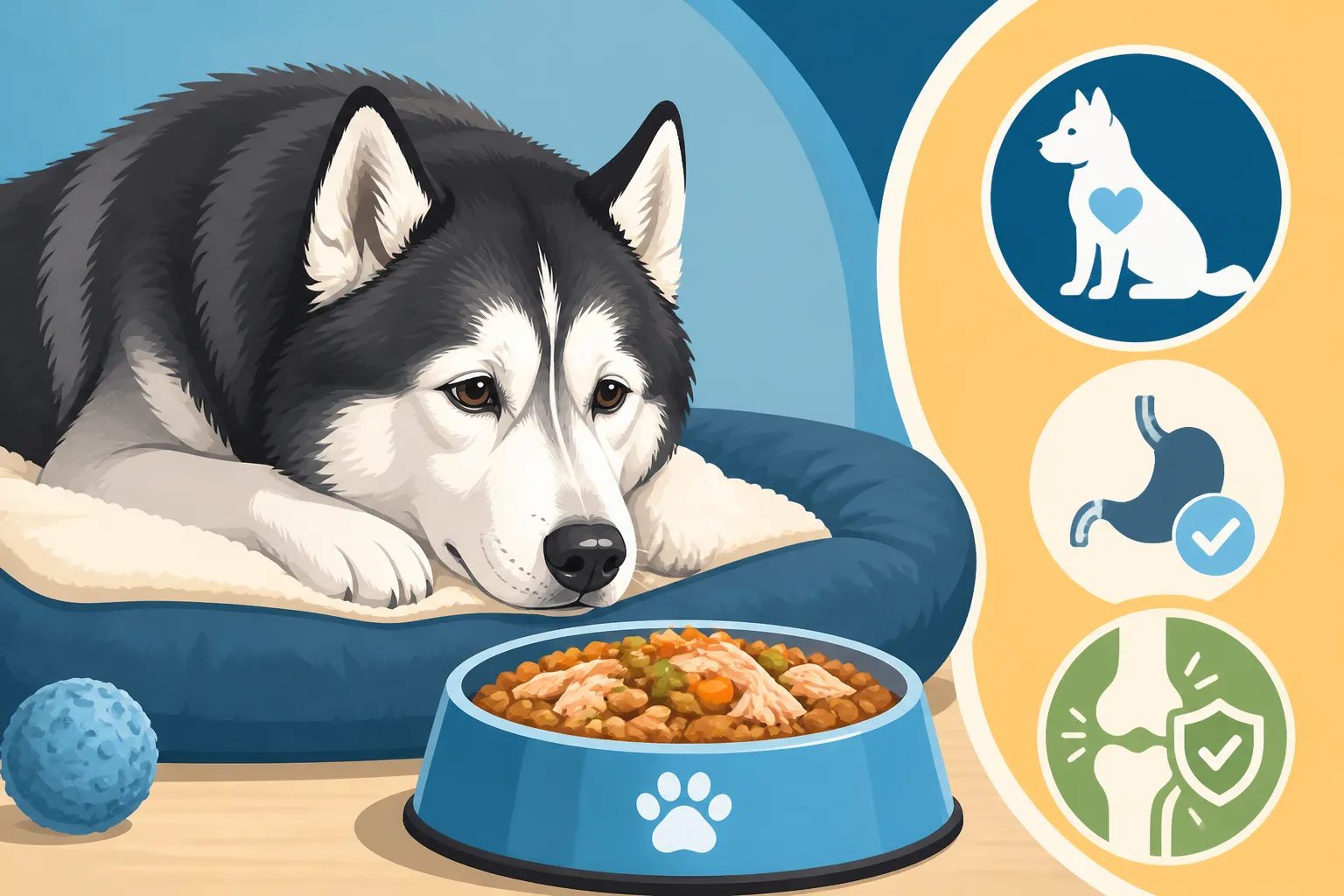
As mentioned earlier, dental problems are a huge concern for older dogs. If your Husky has sore gums, missing teeth, or advanced dental disease, crunching dry kibble can be painful or even impossible. In such cases, consider softening their kibble with warm water or low-sodium broth for 10-15 minutes before feeding. This makes it much easier to chew and swallow. Another option is to switch to a softer food texture altogether, such as canned wet food, fresh-cooked meals, or even rehydrated freeze-dried raw food.
If your Husky has always eaten kibble but is suddenly refusing it or taking a very long time to finish, a trip to the vet for a dental check-up is definitely in order. They might need a professional dental cleaning or extractions to alleviate pain. After any dental work, softer foods will be even more critical during recovery. Remember, a healthy mouth is vital for overall health, so don't overlook dental care for your senior companion.
Hydration Strategies
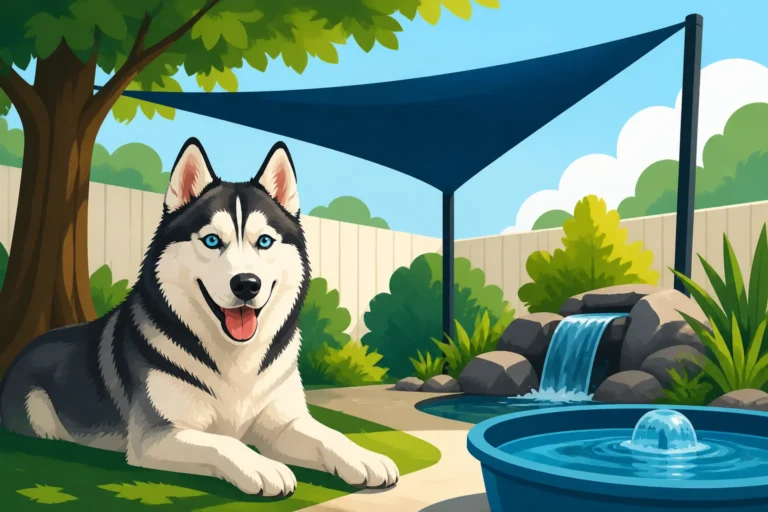
Dehydration can be a silent enemy for senior dogs. Their thirst drive might decrease, or it might be painful for them to repeatedly get up and drink from a low bowl. Ensuring adequate hydration is paramount for kidney function, joint lubrication, and overall well-being. Always have fresh, clean water available in multiple locations throughout your home, especially near their favorite resting spots.
Consider adding moisture to their food. Soaking kibble, mixing in wet food, or even incorporating a fresh food service like Ollie can significantly boost their daily water intake. Some Huskies enjoy ice cubes or a little water added to their regular meals. If your Husky isn't drinking enough, you might also try offering a pet water fountain, as the moving water can be more enticing. For very old or frail Huskies, your vet might even recommend adding electrolyte solutions or subcutaneous fluids if they are consistently dehydrated.
Specialized Bowls and Feeding Environments
Physical limitations can make eating a chore. An old Husky with arthritis in their neck, back, or hips might find bending down to eat from a floor-level bowl uncomfortable or painful. Elevated food bowls can often provide immense relief, allowing them to eat in a more natural, upright posture without straining. You can find a variety of elevated bowl stands on Chewy or Amazon, ranging from simple platforms to adjustable models.
Consider the feeding environment as well. If your senior Husky is easily startled or experiences anxiety, create a quiet, calm space where they can eat undisturbed. If their vision or hearing is declining, keep their feeding spot consistent so they know where to find their food and water without confusion. For very frail dogs, you might even need to bring the food bowl directly to them. Sometimes, simply placing a non-slip mat under their bowls can make them feel more secure while eating, preventing the bowls from sliding around.
When to Consult Your Vet and Consider Specialized Diets
While making adjustments at home is a great start, there are times when professional veterinary guidance is essential. Our Huskies are stoic, and sometimes subtle signs are all we get before a problem becomes more significant.
Signs Your Husky Needs a Dietary Change
It’s crucial to be observant of changes in your senior Husky's behavior and physical condition. Beyond obvious weight fluctuations, watch for persistent digestive issues like chronic vomiting, diarrhea, or constipation, as these can indicate a need for a specific therapeutic diet. A sudden refusal to eat, or eating significantly less for more than a day or two, is always a red flag and warrants a vet visit. This could point to anything from dental pain to kidney disease or even cancer. Caring for a Siberian Husky Past Ten delves into more signs of aging.
Changes in energy levels, coat quality, or general demeanor can also signal that their diet might not be meeting all their needs. If your Husky seems lethargic, their coat is dull, or they're showing signs of discomfort after eating, it's time for a professional assessment. A comprehensive senior wellness exam, including blood work and urinalysis, can uncover underlying health conditions that require specific dietary modifications prescribed by your veterinarian. For example, Thyroid Blood Panels for a Siberian Husky can reveal hypothyroidism, which can affect metabolism and weight.
Navigating Prescription and Senior-Specific Foods
Once your vet has conducted a thorough examination, they might recommend a specialized diet. This could be a prescription food formulated for specific conditions such as kidney disease, liver disease, or severe arthritis. These diets are carefully balanced to support organ function and manage symptoms, and they are typically only available through a veterinary office or with a vet's prescription from online retailers.
Even without a specific medical condition, many commercial senior dog foods are excellent options. They are generally formulated with lower calories, moderate protein levels (often highly digestible), increased fiber, and added joint support and antioxidants. Brands like Purina Pro Plan Veterinary Diets, Royal Canin Veterinary Diet, or Hill's Prescription Diet offer a range of specialized options. For over-the-counter options, many mainstream brands also offer senior formulas. When selecting one, look for ingredients tailored to joint health, cognitive support, and easy digestibility. Always check the ingredient list and calorie content to ensure it aligns with your Husky's individual needs.
Monitoring and Adapting Over Time
Feeding a senior Husky isn't a one-and-done decision. It's an ongoing process of observation, adjustment, and collaboration with your veterinarian. Their needs will continue to evolve as they move through their senior and then geriatric years.
Regular Weight Checks and Body Condition Scoring
Once you've made initial dietary changes, it's essential to monitor the results. Weigh your Husky weekly or bi-weekly initially, then monthly once they've stabilized at a healthy weight. More importantly, regularly practice body condition scoring. This involves feeling their ribs, spine, and waist to assess their fat coverage. Your vet can show you how to do this correctly. This hands-on assessment is often more accurate than just the number on the scale, especially for a furry Husky.
Keep a log of their weight, food intake, and any observed changes in appetite, energy, or stool quality. This data will be incredibly valuable to share with your vet during their regular check-ups. It helps you both make informed decisions about further adjustments to their diet or if new health concerns are developing. It allows for proactive care rather than reactive.
The Ongoing Role of Observation
Your keen observation skills are one of the most powerful tools you have as a senior Husky owner. Notice subtle shifts in their eating habits: Are they taking longer to finish meals? Are they leaving food behind more often? Is their enthusiasm for food diminishing? Beyond eating, pay attention to their energy levels, their mobility, how they get up and down, the quality of their eliminations, and even their general demeanor. Any sustained change could be a sign that their dietary needs are shifting again, or that a new health issue is emerging.
Don't hesitate to reach out to your veterinarian with questions or concerns. They are your best partner in navigating the unique challenges of senior dog care. Together, you can ensure your beloved Siberian Husky enjoys their golden years with comfort, health, and a diet perfectly tailored to their evolving life stage. Kidney Values in an Aging Siberian Husky and other health markers are crucial topics for ongoing monitoring.
Senior Husky Dietary Adjustments at a Glance
| Factor | Active Adult Husky Diet | Senior Husky Diet (Slowing Down) | Why the Change? |
|---|---|---|---|
| Calorie Intake | Higher (to fuel high activity) | Lower (to prevent weight gain) | Decreased metabolism & activity, risk of obesity. |
| Protein Level | Moderate to High (for muscle & energy) | Adequate to Higher Quality (for muscle) | Maintain muscle mass, prevent sarcopenia. |
| Fat Content | Moderate to High (for sustained energy) | Moderate (controlled, but essential) | Less energy burned, but vital for skin/coat/brain. |
| Fiber Content | Varies, but generally moderate | Slightly increased (soluble/insoluble) | Support sluggish digestion, prevent constipation. |
| Joint Support | Often sufficient from diet | Often supplemented (glucosamine, chondroitin, Omega-3s) | Prevent and manage arthritis, improve mobility. |
| Antioxidants | Present | Increased levels | Combat cellular aging, boost immune function. |
| Meal Frequency | Often 1-2 meals per day | 2-3 smaller meals per day | Aid digestion, prevent upset stomach, maintain satiety. |
| Food Texture | Often dry kibble | Softer options (soaked kibble, wet food) | Address dental issues, make chewing easier. |
| Bowl Height | Floor-level or elevated | Elevated bowls recommended | Reduce strain on neck/joints due to arthritis. |
The Ages a Siberian Husky Changes Health-Wise offers more details on the senior progression.
Feeding a Siberian Husky That Runs in Harness provides a useful comparison point for high activity diets.
Reading a Siberian Husky Puppy's Health Paperwork is a reminder of starting health considerations.
Vaccinating a Siberian Husky Puppy on Schedule covers early life preventative care.
Neutering a Siberian Husky and the Coat Question explores how other life changes can affect their physical state.
Parasite Prevention for an Outdoor Siberian Husky is always important, regardless of age.
Disclaimer
This article is for general informational purposes only and does not constitute professional advice. Laws, prices and regulations vary by location and change over time. Consult a qualified professional for guidance on your specific situation.