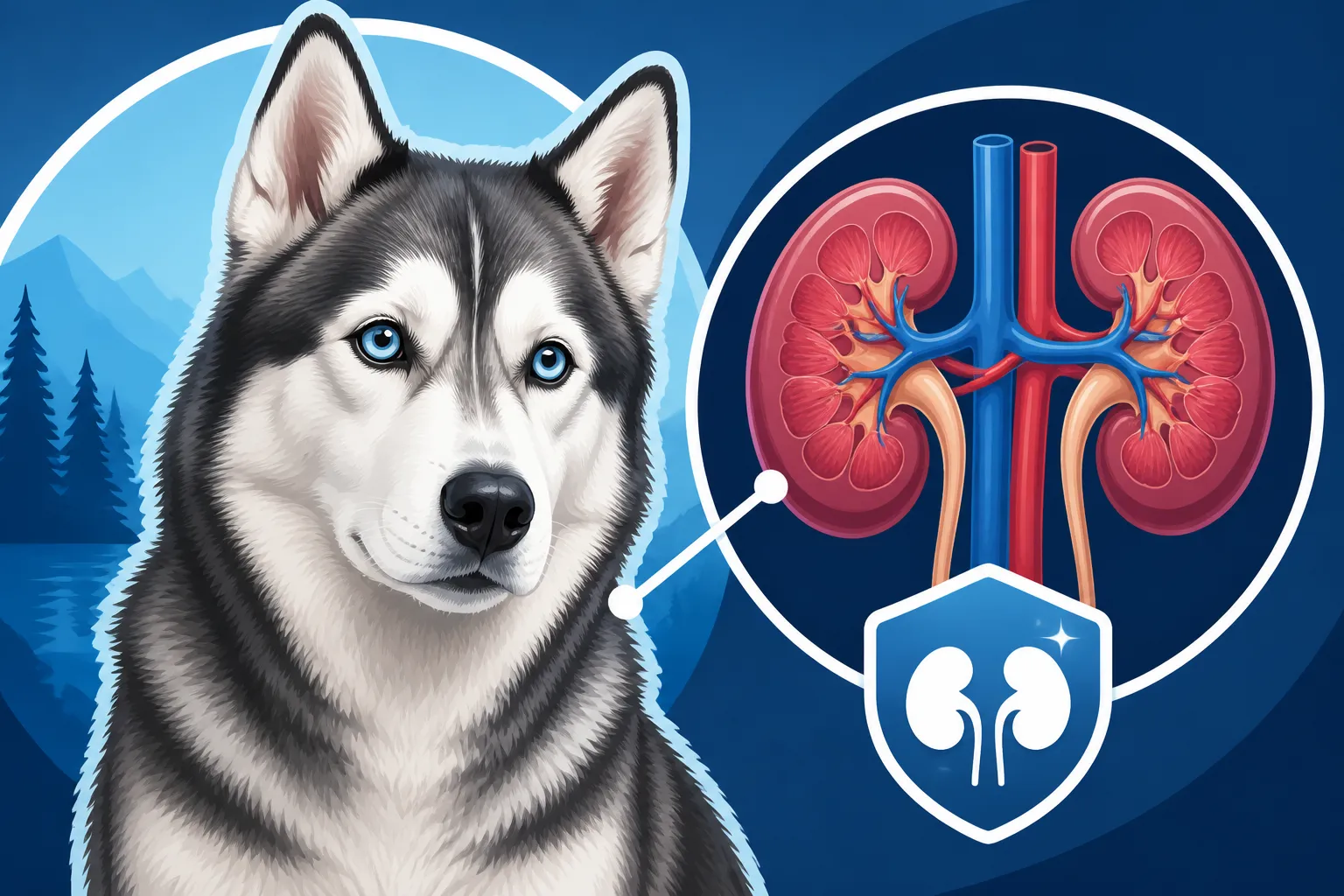
Kidney Values in an Aging Siberian Husky
It's heartbreaking to realize our vibrant Siberian Huskies, once full of boundless energy, eventually begin to slow down. One of the most common worries that creep in as they reach their golden years is the health of their kidneys. Understanding the "kidney values" your vet monitors is crucial for staying ahead of potential issues, ensuring your beloved companion enjoys the longest, most comfortable life possible.
Understanding What "Kidney Values" Really Mean for Your Older Husky
When your veterinarian talks about "kidney values," they're referring to a specific set of measurements from your husky's blood and urine tests. These aren't just abstract numbers; they're vital indicators of how well your dog's kidneys are performing their essential jobs: filtering waste products from the blood, maintaining proper hydration, and balancing electrolytes. As a Siberian Husky ages, their organs naturally experience wear and tear, and the kidneys are no exception. This is why paying close attention to these values becomes increasingly important, allowing for early detection and intervention should problems arise. It's all about catching things early, which can make a world of difference in managing age-related health changes.
Key Markers Your Vet Is Looking At
Your vet typically focuses on a few key markers when assessing kidney health. The primary ones you'll hear about are Creatinine, Blood Urea Nitrogen (BUN), and more recently, Symmetric Dimethylarginine (SDMA). These are all waste products that healthy kidneys efficiently remove from the bloodstream. If the kidneys aren't working as they should, these substances will start to build up, indicating a problem. Beyond blood work, a urinalysis is equally critical, providing insights into how concentrated your husky's urine is and whether there's any protein leakage, which can be another sign of kidney distress.
Creatinine is a byproduct of muscle metabolism. It's usually produced at a fairly consistent rate and is almost entirely cleared by the kidneys. Therefore, an increase in creatinine in the blood suggests that the kidneys aren't filtering it out effectively. BUN, or Blood Urea Nitrogen, is a waste product of protein metabolism. Similar to creatinine, elevated BUN levels can indicate kidney dysfunction. However, BUN can also be influenced by other factors like hydration status and diet, so it’s usually evaluated in conjunction with creatinine.
Why These Numbers Matter More as They Age
Just like with people, a Siberian Husky's kidneys can lose some of their functional capacity over time. This isn't necessarily a disease state right away; it's often a natural part of the aging process. However, this reduced capacity means the kidneys are working harder to keep up, making them more susceptible to further damage or less able to cope with stressors like dehydration or certain medications. This is why understanding The Health Milestones of a Siberian Husky Year by Year becomes so important. What might be considered a normal value for a young, robust husky could be a concerning trend for an older one, particularly if there's a gradual increase over several years.
Regular veterinary check-ups, including blood and urine tests, become non-negotiable as your husky matures. These routine screenings establish a baseline for your dog's individual normal values and help your vet spot subtle changes long before your husky shows any outward symptoms. Siberian Huskies are notoriously stoic, and they often mask discomfort until a disease is quite advanced. By monitoring these kidney values, we gain an invaluable window into their internal health, allowing us to intervene proactively and potentially slow the progression of kidney disease. Thinking about costs, this kind of regular monitoring is precisely why investing in pet insurance, like a plan from Healthy Paws, can provide immense peace of mind.
Common Shifts in Kidney Values as Your Siberian Husky Matures
It's completely normal for a Siberian Husky to experience some gradual changes in their kidney values as they transition into their senior years. The key isn't to panic at the first slight increase, but rather to understand what these shifts might signify and how quickly they're progressing. A vet typically considers a Siberian Husky "senior" around 7-8 years old, though this can vary. Around this time, it's wise to start thinking about Caring for a Siberian Husky Past Ten and what that might entail regarding their health. These early shifts are often the first whispers of age-related kidney decline, giving us the opportunity to implement strategies that support kidney function and enhance their quality of life.
Creatinine and BUN: The First Indicators
For a long time, creatinine and BUN were the go-to indicators for kidney function. When these values are elevated, it suggests that at least 60-75% of kidney function has already been lost. This means by the time these traditional markers signal a problem, the disease might be moderately advanced. A common scenario might involve your older husky having their annual blood work done, and the vet notices a slight but definite creep upwards in their creatinine and BUN from the previous year. Alone, a slight bump might not be an emergency, but if it continues to climb year after year, it's a clear signal that the kidneys are struggling.
It’s important to remember that these values can also be affected by things other than kidney disease. Dehydration can transiently elevate BUN and creatinine, as can a very high-protein diet. Your vet will always take your husky's hydration status, recent diet, and other symptoms into account when interpreting these results. For example, if your husky ran a long race the day before their blood draw and was a bit dehydrated, the numbers might be temporarily skewed. However, persistent elevation, especially when coupled with other findings, points directly to diminished kidney function.
SDMA: A More Sensitive Early Warning
The introduction of the Symmetric Dimethylarginine (SDMA) test has been a game-changer for early detection of kidney disease in dogs. Unlike BUN and creatinine, SDMA levels can increase when as little as 25-40% of kidney function has been lost. This means your vet can catch kidney disease much earlier, sometimes years before BUN and creatinine levels would even start to budge. For aging Siberian Huskies, this early warning system is invaluable because it allows for interventions to begin sooner, potentially slowing the disease's progression significantly.
Imagine your husky, say eight years old, has been showing no obvious symptoms, but their annual check-up reveals a slightly elevated SDMA. This gives you and your vet a crucial head start. You can then begin discussions about dietary changes, increased hydration, and more frequent monitoring without the pressure of an advanced disease state. This proactive approach, informed by the more sensitive SDMA test, aligns perfectly with the goal of extending your husky's healthy years and is an example of why regular Siberian Husky Vet Visits by Life Stage are so beneficial.
Urine Specific Gravity and Protein Levels
While blood tests tell us what the kidneys aren't filtering out, a urinalysis reveals what they are letting through and how well they're concentrating urine. Urine specific gravity (USG) measures the concentration of your husky's urine. Healthy kidneys produce concentrated urine, so a high USG is good. If the kidneys are losing their ability to concentrate urine, the USG will be low, meaning the urine is dilute. This can be one of the earliest signs of kidney trouble, even before blood values change. You might notice your husky drinking and urinating more frequently, which are often the first clinical signs pet owners observe.
Another critical component of urinalysis is checking for protein in the urine. Healthy kidneys should retain protein in the bloodstream, allowing very little to escape into the urine. The presence of protein in the urine (proteinuria) can indicate damage to the tiny filtering units within the kidneys. Your vet might also perform a urine protein:creatinine ratio (UPC) to quantify the amount of protein being lost. Significant proteinuria is a concern, as it can worsen kidney disease and accelerate its progression. Catching and managing proteinuria early, perhaps with specific medications, can be another way to support kidney function.
| Kidney Marker | What It Measures | Significance in Aging Huskies | Early Detection Value |
|---|---|---|---|
| Creatinine | Muscle waste product in blood | Elevated when 60-75% kidney function is lost | Moderate |
| Blood Urea Nitrogen (BUN) | Protein waste product in blood | Elevated, influenced by diet/hydration; 60-75% loss | Moderate |
| SDMA | Amino acid metabolite in blood | Elevated when 25-40% kidney function is lost | High (Early Warning) |
| Urine Specific Gravity (USG) | Urine concentration | Low USG indicates inability to concentrate, early kidney sign | High |
| Urine Protein:Creatinine Ratio (UPC) | Amount of protein leaking into urine | Elevated indicates kidney filter damage | High |
Proactive Steps for Managing Kidney Health in Senior Huskies
Finding out your aging Siberian Husky has elevated kidney values can feel overwhelming, but it's important to remember that it's not a death sentence. There are many proactive steps you can take, often in partnership with your veterinarian, to manage the condition and maintain your husky's quality of life. The focus shifts from curing to managing, much like Deciding About Surgery on an Old Siberian Husky – it’s about making choices that prioritize comfort and longevity. These strategies aim to reduce the workload on the kidneys, support their remaining function, and address any secondary issues that might arise.
Dietary Adjustments and Hydration
One of the most impactful changes you can make for a husky with compromised kidney function is adjusting their diet. Kidney-friendly diets are typically lower in protein, phosphorus, and sodium, and sometimes include higher levels of omega-3 fatty acids. The idea isn't to eliminate protein entirely, as huskies still need it for muscle maintenance, but to provide high-quality protein in controlled amounts to reduce the burden on the kidneys. Phosphorus restriction is particularly important, as high phosphorus levels can directly harm kidney cells. Your vet will likely recommend a specific prescription kidney diet, such as those made by brands like Royal Canin or Hill's Prescription Diet, tailored to your husky's stage of kidney disease.
Equally important, if not more so, is ensuring your Siberian Husky stays well-hydrated. Increased water intake helps the kidneys flush out waste products more efficiently. Always have fresh water available, perhaps in multiple bowls around the house. You might also consider adding water to their kibble or feeding wet food to boost their fluid intake. Some huskies love filtered water or even a pet fountain, which can entice them to drink more. Keeping your husky hydrated is a simple yet profoundly effective way to support their kidney health, especially since Siberian Husky Lifespan and What Shortens It often includes kidney disease.
Regular Monitoring and Early Intervention
Once kidney issues are identified, regular monitoring becomes a cornerstone of management. This usually means more frequent vet visits than your husky's previous annual check-ups. Your vet will want to repeat blood and urine tests every few months, or even more often depending on the severity of the disease and how well your husky is responding to treatment. These check-ups allow your vet to track the progression of the disease, make necessary adjustments to diet or medication, and address any new symptoms.
Early intervention isn't just about diet. It can also involve managing blood pressure, as hypertension is common in dogs with kidney disease and can further damage the kidneys. Medications might be prescribed to control blood pressure or to reduce protein loss through the urine. Maintaining a healthy weight is also crucial, as Siberian Husky Weight and Joint Health are interconnected, and obesity can place additional stress on their system. The goal is to catch any decline quickly and implement changes that can slow the disease process, thereby extending your husky’s healthy and happy years.
Medication and Supportive Therapies
As kidney disease progresses, your husky might need specific medications and supportive therapies. Beyond those mentioned for blood pressure or proteinuria, your vet might prescribe phosphorus binders, which are given with meals to reduce the absorption of phosphorus from the diet. If your husky becomes anemic, which can be a complication of kidney disease, an erythropoiesis-stimulating agent might be considered. For huskies experiencing nausea or decreased appetite, anti-nausea medications or appetite stimulants can significantly improve their comfort and willingness to eat.
For more advanced cases, fluid therapy, either intravenously at the vet's office or subcutaneously (under the skin) at home, might be recommended. This helps to rehydrate the dog and flush out toxins, providing relief and supporting kidney function. While these therapies don't cure kidney disease, they effectively manage its symptoms and slow its progression, allowing your husky to maintain a good quality of life for as long as possible. The financial aspect of these ongoing treatments is another reason why comprehensive pet insurance, perhaps from Healthy Paws, is something many husky owners seriously consider to ease the burden of these costs.
When to Act: Interpreting Your Husky's Kidney Test Results
Receiving your Siberian Husky's kidney test results can be a confusing time, especially if the numbers are outside the "normal" range. It's natural to feel anxious, but it's important to understand that interpreting these results is a nuanced process. Your vet won't just look at one number; they'll consider the entire picture: your husky's age, clinical signs (or lack thereof), other health conditions, and previous test results. This holistic approach helps them accurately stage any kidney disease and develop the most effective treatment plan. Knowing What Changes in a Siberian Husky After Nine can help you recognize subtle symptoms at home, too.
Recognizing the Signs of Kidney Disease Progression
While kidney values give us an internal look, recognizing external signs of disease progression is equally vital. In the early stages of kidney disease, Siberian Huskies often show no obvious symptoms, thanks to their stoic nature and the kidneys' remarkable compensatory abilities. However, as the disease advances, you might start noticing changes in their behavior or physical condition. Common signs include increased thirst (polydipsia) and increased urination (polyuria). You might find yourself refilling their water bowl more often or noticing more accidents inside the house.
Other symptoms can include a decreased appetite, weight loss, lethargy, and a general dullness in their coat. Some huskies might experience nausea, vomiting, or diarrhea. In more severe cases, you might notice bad breath (uremic breath), oral ulcers, or weakness. If you observe any of these symptoms, especially in an older husky, it's crucial to contact your veterinarian immediately. These signs indicate that waste products are accumulating in the blood, affecting other body systems, and requiring prompt veterinary attention.
Working with Your Veterinarian for a Long-Term Plan
Managing kidney disease in an aging Siberian Husky is a journey, not a sprint. It requires a strong partnership with your veterinarian. They will help you understand the specific stage of your husky's kidney disease using guidelines from organizations like the International Renal Interest Society (IRIS). Staging involves looking at not just creatinine but also SDMA, proteinuria, and blood pressure. This detailed assessment allows for a tailored treatment plan designed to address all aspects of the disease.
Your vet will be your primary resource for dietary recommendations, medication adjustments, and advice on supportive care. Don't hesitate to ask questions, no matter how small they seem. Understanding the long-term prognosis and what to expect can help you make informed decisions about your husky's care. This might include discussing quality of life considerations, exploring all treatment options, and ensuring your husky remains as comfortable and happy as possible. Remember, you're their advocate, and working closely with your vet is the best way to ensure your senior husky receives the comprehensive care they deserve. This is where having a reliable pet insurance provider like Healthy Paws can truly alleviate the stress of making tough financial decisions during an already difficult time.
Disclaimer
This article is intended for informational purposes only and does not constitute veterinary advice. Always consult with a qualified veterinarian for any health concerns or before making any decisions about your Siberian Husky's medical care.