The Average Siberian Husky Lifespan
It’s a natural worry for any dog owner: how long will our beloved companion be with us? For Siberian Husky owners, this question can feel even more pressing, especially with their unique traits and boundless energy. It’s tough to sift through all the information out there and pinpoint what a realistic lifespan looks like for these incredible dogs, but knowing what to expect and how to support them can bring immense peace of mind. This guide aims to clear up any confusion about the average Siberian Husky lifespan, delving into the factors that shape it and offering practical advice to help your furry friend thrive for years to come.
What is the Typical Lifespan for a Siberian Husky?
When you bring a Siberian Husky into your home, you're signing up for a long-term commitment, both in terms of energy and years. These aren't short-lived breeds; they typically enjoy a healthy, active existence that often outpaces many other medium to large dogs. It’s one of the quieter blessings of the breed, honestly, giving us more time with their playful, sometimes mischievous, spirits.
The General Age Range
On average, a healthy Siberian Husky can be expected to live anywhere from 12 to 14 years. This range is a good benchmark, but it's important to remember that it's an average. Some Huskies, with exceptional care and a dash of good luck, can sail past 15, while others might, unfortunately, face challenges that shorten their time with us. Compared to larger breeds that often max out around 8-10 years, or even some smaller breeds, a 12-14 year span is quite respectable. It means you get a solid decade-plus of adventures, conversations (because they do talk back!), and endless zoomies. It's a wonderful length of time to truly bond and explore life together.
Factors Contributing to Their Longevity
One of the reasons Siberian Huskies tend to live longer than some other breeds of similar size is their robust genetic heritage. They were bred by the Chukchi people for endurance and resilience in harsh conditions, not for extreme physical characteristics that can lead to health problems. This focus on functionality means they generally avoid many of the orthopedic issues or severe respiratory problems common in other breeds. Their "natural" build, moderate size, and efficient metabolism all play a role in their ability to stay healthy and active for a significant portion of their lives. Plus, their active nature ensures they stay fit, burning off calories and keeping their hearts strong, which is a major bonus for extending their overall vitality. When we think about the Why Siberian Huskies Outlive Most Medium Breeds, it really comes down to this incredible combination of good genes and a lifestyle that keeps them in peak condition.
Factors Influencing a Siberian Husky's Longevity
While the average lifespan gives us a good idea, it's far from the whole story. The truth is, how long your individual Siberian Husky lives is a complex tapestry woven from many threads: their genetic background, the daily care you provide, their environment, and even a bit of pure chance. It's not just about age; it's about the quality of those years.
Genetics and Responsible Breeding
This is perhaps one of the most foundational elements. A Husky's genetic predisposition can set the stage for a long, healthy life or introduce potential vulnerabilities. Reputable breeders play a critical role here. They screen their breeding stock for hereditary conditions known to affect the breed, such as certain eye diseases like Juvenile Cataracts in the Siberian Husky or Progressive Retinal Atrophy (PRA), and even orthopedic issues, though hip dysplasia is less common in Huskies than in many other large breeds. When you’re looking for a puppy, understanding Health Testing Before You Buy a Siberian Husky is paramount. Breeders who prioritize health will gladly provide certifications from organizations like the Orthopedic Foundation for Animals (OFA) or the Canine Eye Registration Foundation (CERF). These tests significantly reduce the chances of your puppy inheriting debilitating conditions that could shorten their life or dramatically impact their quality of life. Without this careful screening, you're essentially rolling the dice, and the stakes are pretty high when it comes to a living, breathing family member.
Diet and Nutrition
What you put into your Husky's bowl directly impacts their longevity and vitality. Huskies are known for their incredibly efficient metabolisms; they were bred to run long distances on minimal food in freezing temperatures. This means they often require less food than you might expect for their size, and overfeeding can lead to obesity, which is a silent killer for dogs. Obesity puts undue stress on joints, exacerbates cardiac conditions, and increases the risk of diabetes, all of which can drastically shorten a lifespan. Therefore, careful portion control and high-quality food are crucial. We often recommend Feeding a Siberian Husky on 60 Percent of the Label because many commercial food recommendations are simply too generous for their metabolic needs. Opt for a balanced diet rich in protein and healthy fats, suitable for an active dog. If your Husky has specific health needs, your vet might recommend specialized diets, or even zinc supplementation if they suffer from Zinc-Responsive Dermatosis in the Siberian Husky.
Exercise and Mental Stimulation
A bored Husky is a destructive Husky, but more importantly, an under-exercised Husky is an unhealthy Husky. These dogs were born to run, pull, and explore. Regular, vigorous exercise is not just about burning off energy; it's vital for their cardiovascular health, maintaining a healthy weight, strengthening muscles and joints, and even supporting their immune system. Think of them as canine athletes – they need that daily workout. A minimum of 60-90 minutes of vigorous activity, ideally broken into two sessions, is usually recommended. This could be long walks, runs, hikes, or even structured harness work like canicross or bikejoring.
Beyond physical exertion, mental stimulation is equally important. Huskies are intelligent, independent thinkers, and if their minds aren't engaged, they can become anxious or destructive. Puzzle toys, training sessions, and interactive games keep their brains sharp and content. A mentally stimulated Husky is less stressed, and reduced stress contributes significantly to overall well-being and a longer, happier life. Remember, a tired Husky is a happy Husky, and a happy Husky is generally a healthier one.
Veterinary Care and Preventative Measures
Consistent and thorough veterinary care is non-negotiable for maximizing your Husky's lifespan. This isn't just about rushing to the vet when something goes wrong; it's about proactive, preventative health. Regular wellness exams allow your vet to catch potential issues early, often before they become serious or difficult to treat. This includes vaccinations, parasite control, and routine bloodwork, especially as your Husky ages. Many owners find peace of mind with pet insurance plans, like those offered by Healthy Paws, which can help mitigate the financial stress of unexpected veterinary care and encourage regular check-ups.
Specifically, yearly eye exams are critical for Huskies, given the breed's predisposition to certain ocular conditions. Understanding Siberian Husky Eye Disease and the Annual Exam is vital, as early detection can often lead to more successful treatment. Similarly, knowing about potential issues like Siberian Husky Thyroid and Autoimmune Disease can help you and your vet monitor for subtle changes. Investing in a good pet insurance policy early on, perhaps from providers like Healthy Paws, can be a game-changer when faced with unexpected diagnostics or long-term medication costs. These preventative steps are your best defense against many diseases that could otherwise shorten your Husky's life.
How to Maximize Your Siberian Husky's Lifespan
We all want our Huskies to live long, vibrant lives, filled with joy and adventure. While we can't control every aspect, there are significant steps we can take as responsible owners to tilt the odds in their favor. It’s about creating an environment where they can not just survive, but truly thrive.
Creating a Safe and Stimulating Environment
Siberian Huskies are notorious escape artists and possess a strong prey drive. An unsafe environment is one of the biggest threats to their lifespan, often leading to tragic accidents. Ensuring a secure yard with a fence they cannot climb, jump, or dig under is paramount. We're talking about a The Six-Foot Fence a Siberian Husky Needs at minimum, often with an L-footer or coyote rollers. Never underestimate their determination to explore! Furthermore, always keeping them on a leash when outside a secure area is crucial. Even the most well-trained Husky can succumb to their instinct to chase, and a strong recall is often unreliable in the face of a squirrel or rabbit. This is why many experienced owners will tell you Why a Siberian Husky Cannot Be Trusted Off Leash.
Beyond physical safety, a stimulating home environment is key. Provide plenty of appropriate chew toys to curb destructive chewing, and rotate them to keep things interesting. Engage them with puzzle feeders and training games. Huskies thrive on interaction and routine. A home where they feel loved, safe, and engaged mentally and physically will contribute enormously to their overall health and happiness, reducing stress and boredom-related behaviors that can lead to injury or illness.
Providing Consistent Training and Socialization
While it might not seem directly related to lifespan, consistent training and early socialization play a huge role in preventing dangerous situations and fostering a well-adjusted dog. A well-trained Husky is less likely to bolt into traffic, get into fights with other dogs, or cause damage to property that could lead to being rehomed (which is a stressful and sometimes dangerous experience for a dog). Early socialization, exposing your puppy to a variety of sights, sounds, people, and other friendly dogs, helps them develop into confident, adaptable adults.
Focus on positive reinforcement training, building a strong bond based on trust and respect. While Teaching a Siberian Husky to Come Back can be a lifelong endeavor, having even a moderately reliable recall for emergencies, alongside impeccable leash manners, is invaluable. Group obedience classes can be a fantastic way to socialize your Husky and strengthen your bond while learning vital commands. A calm, confident Husky is generally a healthier Husky, less prone to stress-induced illnesses or accidents.
Prioritizing Preventative Healthcare
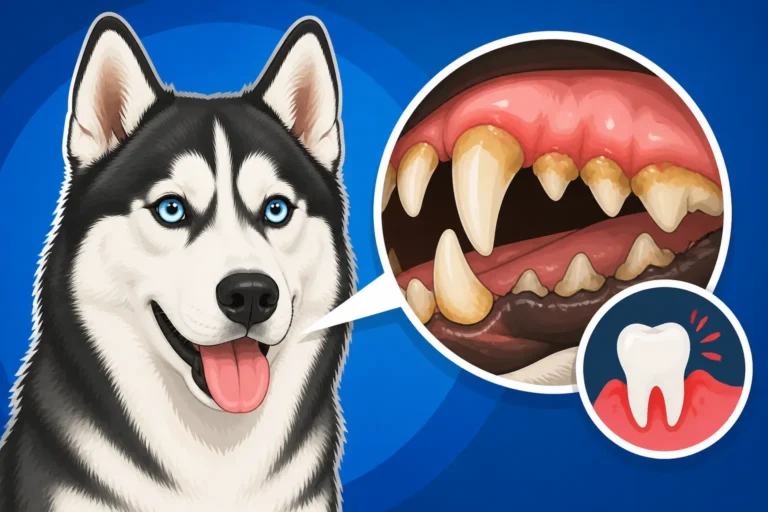
We touched on this before, but it bears repeating: prevention is always better than cure. Beyond routine vaccinations and parasite control, consider investing in health screenings even if your Husky seems perfectly healthy. This means yearly vet check-ups, senior panels as they age, and any breed-specific screenings recommended by your veterinarian. For example, regular dental cleanings are often overlooked but can prevent painful infections that affect heart health.
Discuss with your vet the best strategy for your individual Husky, considering their age, lifestyle, and any potential genetic predispositions. This proactive approach allows for early detection and intervention for issues like certain cancers, kidney disease, or diabetes, all of which can benefit greatly from early treatment. Monitoring your Husky’s weight and adjusting their diet and exercise as needed is also a crucial preventative measure. Keeping them at a lean, healthy weight is one of the single best things you can do to extend their active years.
Common Health Concerns Affecting Husky Lifespan
While Siberian Huskies are generally a robust breed, like all dogs, they are susceptible to certain health conditions. Being aware of these common concerns isn't about fostering anxiety, but about empowering you to be proactive in your Husky's care and potentially mitigate their impact on their lifespan.
Eye Conditions
Siberian Huskies are known for their striking eyes, but also for a predisposition to several ocular conditions. Regular eye exams are not just a good idea; they are crucial for this breed. Conditions like Progressive Retinal Atrophy in Siberian Huskies (PRA) can lead to blindness, though thankfully, DNA tests are available for many types of PRA, allowing responsible breeders to screen. Another common issue is cataracts, which can occur at various ages and may or may not impact vision significantly. The Three Eye Diseases a Siberian Husky Faces often include PRA, juvenile cataracts, and corneal dystrophy. While not all eye conditions are life-threatening, they can severely impact a dog's quality of life and require dedicated management, including specialized veterinary care. Early detection through annual veterinary ophthalmologist exams can make a significant difference in managing these conditions.
Zinc-Responsive Dermatosis
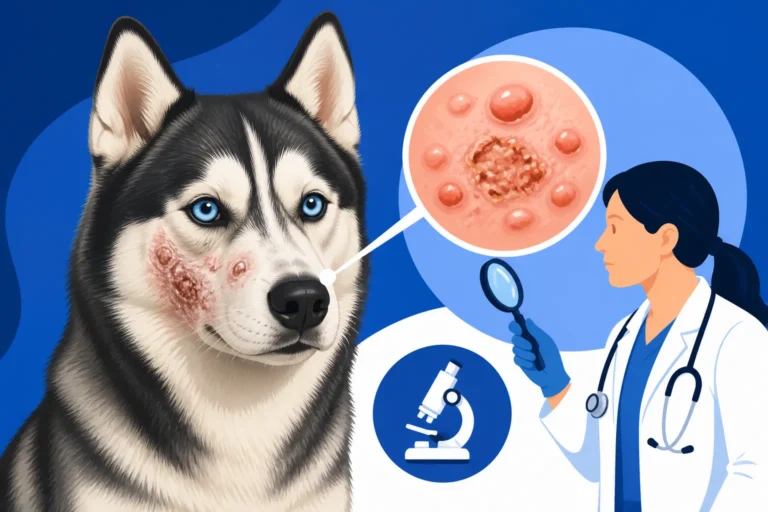
This is a unique metabolic condition to Siberian Huskies, among a few other Nordic breeds, where their bodies have difficulty absorbing zinc from their diet, even if the diet itself contains adequate zinc. Symptoms often include crusting, scaling, and hair loss around the eyes, mouth, ears, and genitals, and sometimes on the paw pads. While not directly life-threatening, if left untreated, it can lead to secondary infections, significant discomfort, and a diminished quality of life. In severe cases, it can impact their immune system due to the role zinc plays. Thankfully, Zinc Supplementation for a Siberian Husky is usually effective, but it often requires lifelong management under veterinary supervision. It’s important to distinguish this from typical allergies, as the treatment is quite different.
Hypothyroidism
Though Huskies are generally healthy, hypothyroidism (underactive thyroid) can sometimes be a concern. This condition occurs when the thyroid gland doesn't produce enough thyroid hormone, leading to a slow metabolism. Symptoms can be subtle and might include lethargy, weight gain, a dull or thinning coat, and skin issues. It can mimic other conditions, making accurate diagnosis through blood tests important. If left untreated, hypothyroidism can impact heart function, organ health, and overall vitality, potentially shortening a dog's healthy lifespan. Fortunately, it's typically easily managed with daily medication, and Huskies can lead full, active lives once their thyroid levels are regulated. If you notice your Siberian Husky Hypothyroidism and Coat Change, it's definitely worth a vet visit.
Cancer and Age-Related Illnesses
As with all breeds, cancer remains a leading cause of death in older Siberian Huskies. The specific types of cancer can vary, but regular vet check-ups become increasingly important as your Husky enters their senior years, allowing for early detection of any suspicious lumps or changes. Caring for a Siberian Husky Past Ten involves a shift in focus to managing age-related issues. This might include arthritis, kidney disease, or cognitive dysfunction. While these aren't always preventable, early diagnosis and supportive care, such as joint supplements for arthritis or specialized diets for kidney issues, can significantly improve your senior Husky's comfort and extend their quality of life. Regular wellness panels can help track organ function and alert you to potential problems before they become critical.
Key Lifespan Milestones for Siberian Huskies
Understanding the general health trajectory of a Siberian Husky can help you anticipate their needs and provide appropriate care at each stage of their life. While every dog is an individual, there are some common milestones that most Huskies will experience.
| Age Range | Key Health & Care Considerations | Common Behaviors/Needs |
|---|---|---|
| 0-12 Months | Puppy vaccinations, deworming, spay/neuter, Siberian Husky Eye Exams at Three Months, growth plate protection. | Rapid growth, teething, high energy, intense socialization needed. |
| 1-6 Years | Annual wellness exams, dental care, parasite prevention, maintaining ideal weight, continued eye checks. | Peak energy, strong prey drive, needs consistent exercise/mental work. |
| 7-9 Years | Bi-annual wellness exams, baseline bloodwork, monitoring for subtle changes, joint health awareness. | Energy may slightly decrease, still very active, signs of aging may begin. |
| 10+ Years | Comprehensive senior panels, arthritis management, monitoring kidney/thyroid function, comfort care. | Significant slowing, increased sleep, focus on comfort and pain management. |
Puppyhood and Adolescence (0-2 Years)
This is a period of rapid growth and development. Vaccinations, proper nutrition (without overfeeding to protect growing joints), and early socialization are critical. This is the age when their energy levels are off the charts, and behavioral issues can surface if they're not properly exercised and trained. Ensuring a strong foundation during these years sets them up for a healthier adulthood. This is also when The Health Milestones of a Siberian Husky Year by Year are most dramatic.
Adulthood (2-7 Years)
These are often the prime years of a Husky's life. They’re usually settled into their personalities, incredibly athletic, and ready for adventure. Consistent exercise, a balanced diet to maintain their lean physique, and annual vet check-ups are key to keeping them in peak condition. Regular dental care also becomes increasingly important during these years to prevent periodontal disease.
Senior Years (8+ Years)
As your Husky approaches and enters their senior years, you'll likely start to see a gradual shift. Their energy might wane slightly, they might sleep more, and joint stiffness could become apparent. This is when preventative care becomes even more critical. Bi-annual vet visits, senior blood panels, and discussions about managing potential arthritis or other age-related conditions become standard. What Changes in a Siberian Husky After Nine can be quite noticeable, and adjusting their routine and care to suit their slower pace and changing needs is essential for ensuring their comfort and dignity in their golden years. This is a special time, and while it can bring new challenges, it's also deeply rewarding to cherish every moment.
Disclaimer
The information provided in this article is for general informational purposes only and is not a substitute for professional veterinary advice. Always consult with a qualified veterinarian for any health concerns or before making any decisions related to your Siberian Husky's health and care.