Diagnosing Pemphigus in a Siberian Husky
It's incredibly frustrating when your spirited Siberian Husky starts developing skin issues that just don't seem to clear up, leaving you worried and your furry friend uncomfortable. While many skin problems are common, some, like pemphigus, can be much more serious and challenging to pinpoint. This comprehensive guide is here to walk you through the often complex journey of diagnosing pemphigus in your Siberian Husky, from recognizing those subtle initial signs to understanding the crucial diagnostic tests that lead to a definitive answer.
Understanding Pemphigus in Siberian Huskies
When we talk about skin conditions in Huskies, we often think of allergies or maybe even that pesky zinc-responsive dermatosis that's so common in the breed. But sometimes, what looks like a stubborn skin infection can actually be something much more complex, an autoimmune disease called pemphigus. It's a tough diagnosis to hear, but understanding what it is and why Huskies might get it is the first step toward effective management.
What is Pemphigus Foliaceus and Why Huskies?
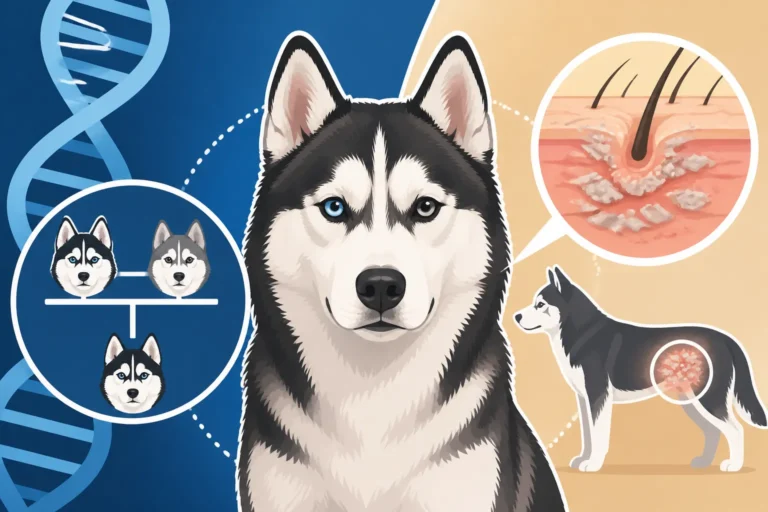
Pemphigus foliaceus (PF) is the most common form of pemphigus seen in dogs, and unfortunately, Siberian Huskies are one of the breeds considered to have a genetic predisposition to it. This means that while it's not strictly inherited in a simple Mendelian fashion, there's a higher chance for Huskies to develop it compared to many other breeds. So, what exactly is it?
Imagine your dog's immune system, which is supposed to protect them from foreign invaders like bacteria and viruses. In an autoimmune disease like pemphigus, the immune system mistakenly turns on the body's own healthy cells. Specifically, with pemphigus foliaceus, the immune system attacks the "glue" (called desmosomes) that holds the skin cells (keratinocytes) together in the very superficial layers of the epidermis. When this glue breaks down, it leads to the formation of pustules, which are essentially small pockets of immune cells and fluid just under the outermost layer of skin. These pustules are incredibly fragile and often rupture quickly, leading to crusts, scabs, and erosions that can be quite painful and itchy for your Husky.
It's a particularly frustrating situation for owners because these lesions often mimic other, more common skin problems. You might go through rounds of antibiotics or allergy treatments only to see the problem persist or even worsen, leaving you feeling helpless. The sheer persistence and unusual presentation are often the first clues that something deeper is going on than just a routine infection or allergy.
Common Symptoms and Where They Appear First
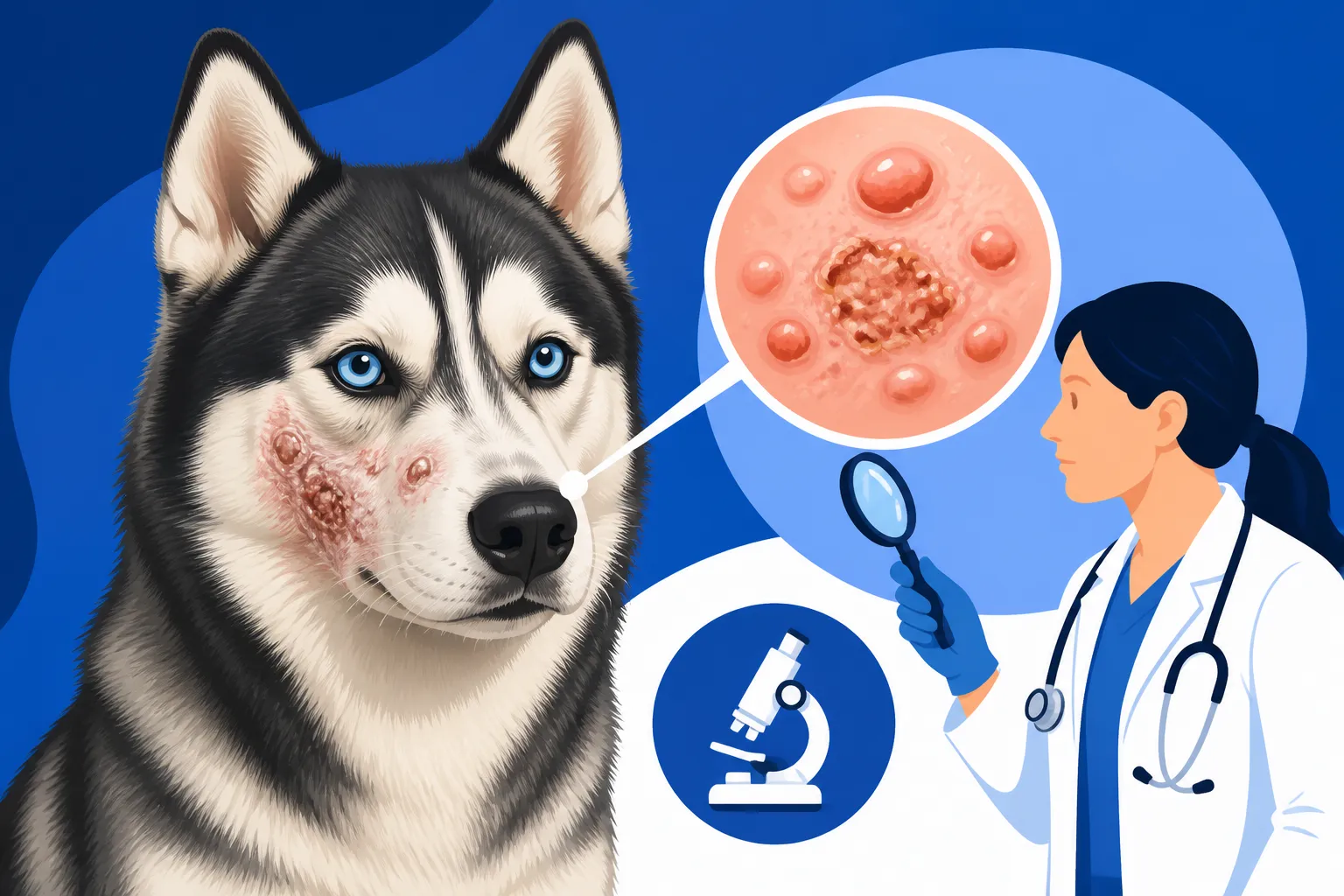
The clinical signs of pemphigus foliaceus can vary quite a bit in severity and distribution, but there are some tell-tale patterns you should be aware of. The initial lesions are usually pustules, but because they are so fragile and superficial, you might not often catch them intact. More commonly, you'll observe crusts, scabs, and patchy hair loss that develop rapidly. These crusts can be thick, yellowish, or brownish, and they often become quite extensive.
One of the classic presentations of pemphigus foliaceus in Siberian Huskies involves lesions on the face. You might first notice crusting on a Siberian Husky's face, specifically on the bridge of the nose, around the eyes (often described as "goggles"), on the ear flaps, and sometimes on the lips. These areas seem to be particularly susceptible, and the symmetrical nature of the lesions can also be a hint. Your Husky might also start losing pigment on their nose, lips, or eyelids, or developing white patches of hair.
Beyond the face, pemphigus can affect the footpads. This is a very characteristic sign and can be incredibly uncomfortable, leading to thickening, cracking, and even ulceration of the paw pads. Imagine walking around with painful, crusty feet all the time – it’s certainly not pleasant for an active dog like a Husky. In some cases, the lesions can also appear in the armpits (axillae), groin, or even become generalized across the entire body. The affected areas are often very itchy, causing your Husky to scratch, rub, and lick, which can then lead to secondary bacterial infections, complicating the picture further. In severe, untreated cases, your Husky might also show signs of lethargy, fever, and a loss of appetite, as the widespread inflammation takes a toll on their overall health.
This diffuse nature of the lesions, especially when they don't respond to typical treatments for skin infections or allergies, should definitely raise a red flag. It’s hard not to feel worried when you see your adventurous companion suddenly reluctant to walk because their paws are sore, or constantly rubbing their face.
The Diagnostic Journey: From Suspicion to Confirmation
When you first notice these odd, persistent skin issues on your Siberian Husky, your immediate thought is probably "vet visit, stat!" And that's absolutely the right instinct. But be prepared for a journey, because diagnosing pemphigus isn't always a straightforward one-and-done appointment. It often involves a process of elimination and specific tests to confirm what's truly going on.
Initial Vet Visit and Differential Diagnoses
The first step is always to get your Husky to your veterinarian. They’ll take a detailed history, asking about when the lesions started, if they've spread, what treatments you've tried, and if your Husky seems itchy or painful. This initial assessment is crucial, as many skin conditions can look similar on the surface.
Your vet will likely start by ruling out the more common culprits. This is where the frustration often kicks in for owners, as you might feel like you're going in circles. They’ll perform tests like:
- Skin Scrapes: To check for external parasites, most notably Demodex mites, which can cause patchy hair loss and crusting.
- Cytology: This involves gently pressing a microscope slide onto a lesion or collecting cells with tape, then examining them under a microscope. This helps identify bacterial or yeast infections that are often secondary to other skin problems, or even primary causes. Finding large numbers of neutrophils (a type of white blood cell) in a pustule can be indicative, but it doesn't confirm pemphigus.
- Fungal Cultures: To rule out ringworm, a common fungal infection that can cause circular patches of hair loss, redness, and crusting.
- Blood Work: Basic blood tests can give an overall picture of your dog's health and rule out systemic illnesses, though they aren't diagnostic for pemphigus directly. They might show elevated white blood cell counts if there's a significant secondary infection.
It’s important for your vet to consider a range of differential diagnoses, especially since many look deceptively similar. Other conditions that can mimic pemphigus foliaceus include:
- Bacterial Pyoderma: Superficial skin infections that cause pustules, crusts, and hair loss.
- Dermatophytosis (Ringworm): A fungal infection.
- Allergies: While they usually cause itching and redness, severe allergic reactions can sometimes lead to secondary skin changes resembling pemphigus.
- Zinc-Responsive Dermatosis in the Siberian Husky: This condition, common in Huskies, also causes crusting and hair loss, particularly on the face (around the eyes, mouth, and ears), and on the pressure points. This is why learning to tell Husky zinc dermatosis from an allergy is so important.
- Discoid Lupus Erythematosus (DLE): Another autoimmune skin disease, typically affecting the nose, sometimes progressing to crusting and ulceration.
- Pemphigus Erythematosus: A localized form of pemphigus that shares features of both PF and DLE, often affecting the face.
Navigating these possibilities can be daunting, and it's perfectly normal to feel overwhelmed by the process. Each step of ruling out these conditions brings you closer to the truth, even if it feels like a detour.
The Crucial Role of Skin Biopsies
After ruling out the more common conditions, or if the clinical signs are highly suspicious of an autoimmune disease, your vet will likely recommend a skin biopsy. This is the gold standard for diagnosing pemphigus foliaceus. There’s really no way around it if you want a definitive answer.
Here’s what a skin biopsy entails:
- Sedation or Anesthesia: For proper sample collection, your Husky will typically need to be sedated or placed under general anesthesia. This ensures they are comfortable and still, allowing the vet to get high-quality samples.
- Multiple Samples: The vet will usually take multiple small samples (punch biopsies) from several different, representative lesions. The trick is to get samples from both fresh, unruptured pustules (if present) and well-developed crusts/erosions, as different stages of the disease provide different diagnostic clues.
- Pathology: These tissue samples are then sent to a specialized veterinary dermatopathologist – a pathologist who focuses specifically on skin diseases. They are experts at identifying the microscopic changes characteristic of pemphigus.
What the dermatopathologist looks for is specific:
- Acantholytic Cells: These are skin cells (keratinocytes) that have detached from each other due to the breakdown of desmosomes. They are a hallmark of pemphigus.
- Subcorneal Pustules: The pathologist will look for pustules (collections of inflammatory cells, predominantly neutrophils) located just beneath the stratum corneum (the outermost layer of the epidermis). These pustules will contain those tell-tale acantholytic cells.
Sometimes, your vet might recommend consulting with a veterinary dermatologist even before the biopsy, especially if they have a strong suspicion of an autoimmune condition. A specialist often has more experience in selecting the best biopsy sites and interpreting complex histopathology results, potentially saving you time and stress. This is where being proactive and having a good relationship with your veterinary team can really shine.
Interpreting Results and Next Steps
The waiting period for biopsy results can feel like an eternity, filled with anxiety and hope. Once they come back, interpreting them and deciding on the next steps is crucial for your Husky's health and comfort.
Understanding Biopsy Results and False Negatives
Ideally, the biopsy results will provide a clear diagnosis of pemphigus foliaceus, allowing you to move forward with a targeted treatment plan. However, sometimes the results aren't as straightforward, which can be incredibly disheartening after going through the biopsy procedure. It's an unfortunate reality that even with the best efforts, false negatives can occur.
Why might this happen?
- Ruptured Pustules: If the biopsy samples only contain ruptured pustules with secondary infection, the characteristic acantholytic cells might be obscured by inflammation or simply absent.
- Timing: The disease can wax and wane, and if the biopsy is taken during a less active phase, the diagnostic changes might be subtle.
- Sampling Error: Even experienced vets can sometimes miss the ideal lesion, especially if intact pustules are scarce.
If the initial biopsy results are inconclusive but your vet and you still strongly suspect pemphigus based on your Husky's symptoms and the progression of the disease, your veterinarian might recommend a second biopsy. This decision is often made in consultation with the dermatopathologist or a veterinary dermatologist. It's a tough call because it means another round of sedation or anesthesia and more waiting, but it's sometimes necessary to get that definitive diagnosis. The emotional toll of inconclusive results can be immense, and it's okay to feel frustrated and exhausted by the process. You're fighting for your Husky, and that's never easy when the answers aren't immediate.
Additional Tests and Treatment Initiation
While skin biopsies are the primary diagnostic tool, occasionally other tests might be considered in more ambiguous cases:
- Direct Immunofluorescence (DIF): This test looks for antibody deposits within the skin, which can support an autoimmune diagnosis. However, it requires a very specific type of fresh, unfixed tissue sample and is less commonly performed or readily available for veterinary pemphigus diagnosis compared to standard histopathology.
- Blood Tests: While not diagnostic for pemphigus, monitoring blood work (e.g., complete blood count, chemistry panel) is important before initiating powerful medications and throughout treatment to monitor for side effects. For example, if your Husky has developed secondary bacterial infections, their white blood cell count might be elevated.
Once a definitive diagnosis of pemphigus foliaceus is made, the focus shifts immediately to treatment. Pemphigus is typically managed with immunosuppressive medications. The cornerstone of treatment is usually corticosteroids (like prednisone or prednisolone), which work by calming the overactive immune system. The initial doses are often quite high to get the disease under control (induce remission), and then gradually tapered down to the lowest effective dose for long-term maintenance.
This is a critical phase. Starting treatment promptly can significantly improve your Husky's comfort and prognosis. However, these medications come with potential side effects, and your vet will need to carefully monitor your dog throughout the process. This long-term management can lead to significant financial costs. This is where having pet insurance, like a policy from Healthy Paws, can be incredibly helpful. It's worth looking into what a Siberian Husky insurance policy excludes, especially regarding pre-existing conditions, so you're prepared for the ongoing care.
| Feature | Pemphigus Foliaceus (PF) | Zinc-Responsive Dermatosis (ZRD) | Bacterial Pyoderma |
|---|---|---|---|
| Cause | Autoimmune (immune system attacks skin cells) | Inability to properly absorb zinc | Bacterial infection (often secondary) |
| Primary Lesions | Pustules (fragile), rapidly form crusts & erosions | Thick crusts, scales, alopecia | Pustules, papules, epidermal collarettes, crusts |
| Common Locations | Bridge of nose, periocular, ear flaps, footpads, groin | Around eyes, muzzle, ears, genitals, pressure points | Trunk, groin, axillae, anywhere on the body |
| Itchiness | Moderate to severe, especially with secondary infection | Variable, often mild unless secondary infection | Moderate to severe |
| Pain | Yes, especially with footpad lesions or widespread disease | Yes, with cracked skin and secondary infection | Yes, with deep infections or widespread lesions |
| Response to Antibiotics | No (may temporarily clear secondary infection) | No | Yes, often rapid improvement |
| Definitive Test | Skin Biopsy (acantholytic cells) | Zinc supplementation trial, skin biopsy (parakeratosis) | Skin cytology, bacterial culture, response to antibiotics |
Living with a Pemphigus Diagnosis
Receiving a pemphigus diagnosis for your Siberian Husky can feel overwhelming. It's a serious condition, but it's important to remember that it's manageable. The journey doesn't end with the diagnosis; it simply shifts to long-term management and ensuring the best quality of life for your furry family member.
The Long-Term Management Reality
Pemphigus foliaceus is a chronic, lifelong condition. This isn't a "take some pills and it's gone" kind of disease. The goal of treatment is to achieve remission, meaning the skin lesions resolve and your Husky feels good, and then maintain that remission with the lowest possible dose of medication. This often means your Husky will be on some form of immunosuppressant medication for the rest of their life.
Lifelong management comes with its own set of challenges:
- Medication Side Effects: Long-term use of corticosteroids, while essential for controlling pemphigus, can lead to side effects like increased thirst and urination, increased appetite and weight gain, panting, muscle weakness, and a higher susceptibility to infections. Your vet will work with you to find the right balance, potentially exploring other immunosuppressants (like azathioprine or cyclosporine) to reduce the steroid dose and minimize side effects. The costs for these immunosuppressants in a Husky uveitis case or pemphigus treatment can really add up, another reason why having pet insurance is so valuable.
- Vigilance is Key: As an owner, you'll become incredibly attuned to your Husky's skin. You'll need to monitor for any new lesions, changes in existing ones, or signs of secondary infections. Catching flare-ups early can prevent them from becoming severe.
- Regular Vet Check-ups: Frequent visits to your vet will be necessary, especially during the initial phases of treatment, to adjust medication doses and monitor your Husky's response and any potential side effects. These routine vet visits by life stage are essential for managing any chronic illness.
This commitment can feel like a lot, especially when you're managing other aspects of their care, like their unique grooming needs during a Siberian Husky coat blow. But with consistent effort and good veterinary partnership, your Husky can live a comfortable and happy life.
Support and Proactive Care
Beyond medication, a holistic approach to your Husky's care can significantly contribute to their well-being when living with pemphigus:
- Hygiene: Gentle bathing with medicated shampoos (as recommended by your vet) can help manage secondary infections and keep the skin clean. Avoid harsh scrubbing that could irritate fragile skin.
- Diet: While diet isn't a cure, a high-quality, balanced diet can support overall skin health. Discuss with your vet if any specific dietary changes might be beneficial, especially if your Husky has other sensitivities.
- Stress Reduction: Stress can sometimes trigger or worsen autoimmune flare-ups. Maintaining a stable routine, providing plenty of appropriate exercise (while being mindful of paw comfort), and creating a calm home environment can be helpful. This is especially true for a breed like a Husky who thrives on routine and activity.
- Partnering with Professionals: Don't hesitate to seek out a board-certified veterinary dermatologist if your general practitioner is struggling to manage the condition, or if you simply want a second opinion. These specialists have advanced training and experience in complex skin diseases.
- Financial Planning: Managing a chronic condition like pemphigus can be expensive. From medication costs to specialized vet visits, the bills can quickly accumulate. This is where pet insurance, like Healthy Paws, can provide much-needed financial relief. It's a good idea to consider pet insurance when your Husky is young, as most policies won't cover pre-existing conditions diagnosed before enrollment or after waiting periods. Reviewing the overall yearly cost of owning a Siberian Husky and seeing how a chronic illness fits into that budget is a smart move.
Ultimately, an early and accurate diagnosis of pemphigus foliaceus makes an immense difference in your Siberian Husky's prognosis. While it's a serious condition that demands ongoing attention, with dedicated care and a strong partnership with your veterinary team, your Husky can continue to be the adventurous, loving companion you cherish. Even before you buy a Siberian Husky, understanding the importance of health testing before you buy a Siberian Husky can help you prepare for potential breed-specific health challenges, though autoimmune diseases can arise unexpectedly.
Disclaimer
The information provided in this guide is for general educational purposes only and should not be considered a substitute for professional veterinary advice. Always consult with a qualified veterinarian for any health concerns or before making any decisions related to your Siberian Husky's medical care.